Living
What should I feed my Jack Russell Terrier with esophageal disease?
Feed soft, moist food in small amounts to reduce stress on their esophagus.

Quick answer
What should I feed my Jack Russell Terrier with esophageal disease?
Feed soft, moist food in small amounts to reduce stress on their esophagus.
Jack Russell Terrier esophageal disease is a serious condition that affects your dog's ability to swallow food and water. This issue can lead to discomfort and additional health problems if not addressed promptly.
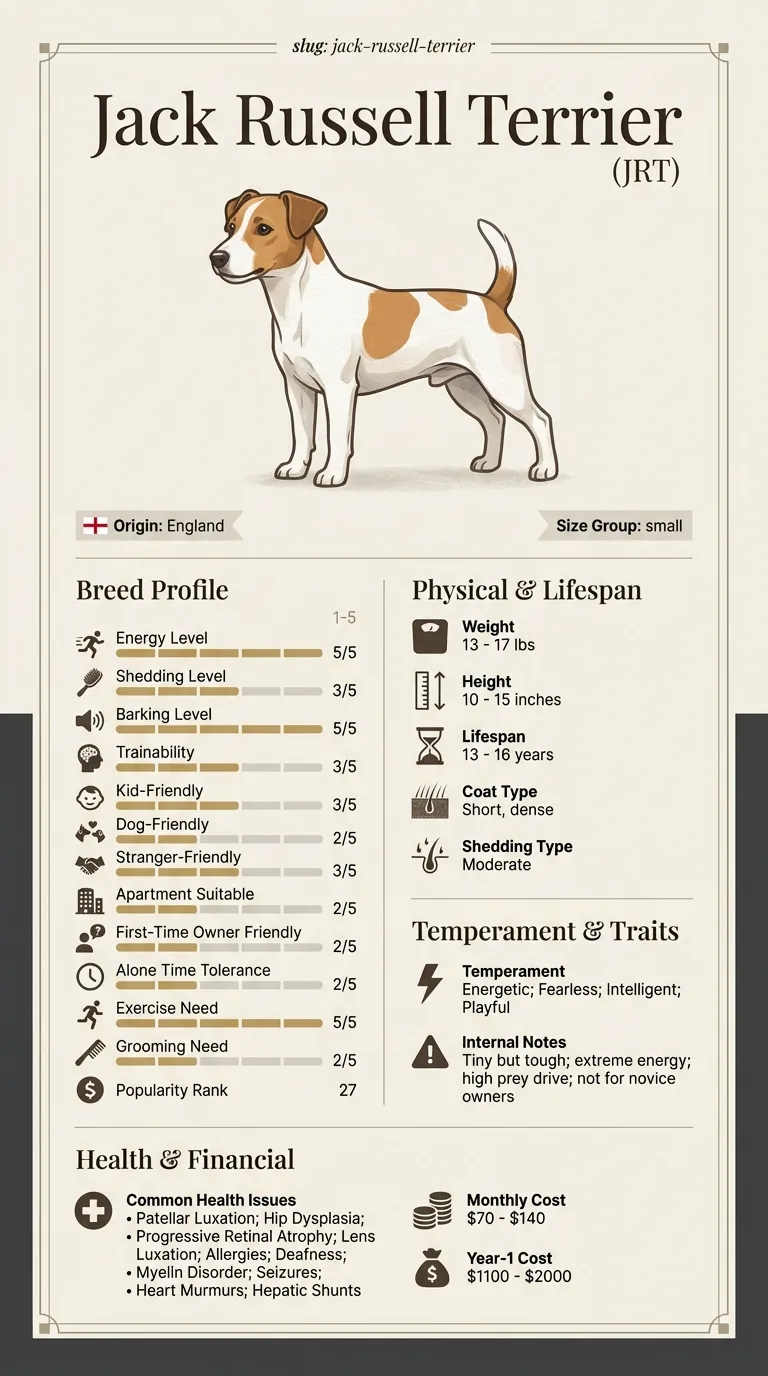
Owners of Jack Russell Terriers, especially first-time dog parents, may find it challenging to manage this health issue. It can be particularly concerning for families who want their pets to have a happy, healthy life.
This guide is not medical advice. If your dog shows pain, sudden behavior change, or worsening symptoms, consult a licensed veterinarian.
Some links may be affiliate links. We may earn a commission at no extra cost to you. We only suggest products we believe are helpful for dog owners.
We research and check what we publish, but we do not warrant that any figure, date, price, or statement is accurate, complete, or current, and we accept no liability for any loss, cost, injury, or other harm arising from the use of this site. Use it as one reference among several. You remain responsible for your own decisions and for your dog's care - confirm anything that matters with a licensed veterinarian or another qualified professional before you act on it. Full disclaimer.
Check this first
Recognizing when Jack Russell Terrier esophageal disease is an emergency can be crucial for your dog's health. Immediate veterinary attention is needed if your dog shows severe symptoms, such as persistent vomiting, difficulty breathing, or signs of distress like excessive drooling or pawing at their mouth. These red flags could indicate a blockage or severe irritation that requires urgent care.
On the other hand, if your Jack Russell Terrier is experiencing mild symptoms, such as occasional regurgitation or slight coughing, it may not be an emergency. You can monitor these symptoms at home, but it's essential to have a plan. Keep a close eye on their eating habits and overall behavior, and consider adjusting their diet to a softer consistency if needed.
However, if the mild symptoms persist or worsen, it's wise to consult your vet. Regular check-ins and open communication with your vet can help you manage your dog's condition effectively. Remember, being proactive can help prevent serious issues down the line.
If any of these apply, call your vet or an emergency clinic now. The rest of this page is for the cases that are not an emergency.
Jack Russell Terrier esophageal disease can be distressing for both dogs and their owners. This condition often manifests as difficulty swallowing, regurgitation of food, or even coughing after meals. As a result, you may notice your JRT acting anxious or uncomfortable during feeding times.
Esophageal disease is relatively common in Jack Russell Terriers, with studies showing they are at a 265% higher risk compared to other breeds. This issue can arise at any age but is more frequently observed in middle-aged dogs.
Jack Russell Terriers can be prone to certain genetic factors that may lead to esophageal disease. Their energetic nature can result in rapid eating, which may cause issues like regurgitation. Additionally, their small size can make them more susceptible to health issues affecting the esophagus.
Environmental factors such as stress and anxiety can contribute to esophageal disease in Jack Russell Terriers. A chaotic home environment or frequent changes in routine may exacerbate their digestive problems. Furthermore, feeding them inappropriate foods or not monitoring their eating habits can lead to complications.
If your dog frequently regurgitates food or shows signs of pain while eating, it's best to consult a vet. Persistent issues may require medical intervention or specific dietary recommendations.
Avoiding these common mistakes can help improve your Jack Russell Terrier's esophageal disease.
Start here: Jack Russell Terrier Most Common Genetic Disorders
See all Jack Russell Terrier health problems, which breeds are prone to esophageal disease, or the full Jack Russell Terrier breed guide for temperament, exercise needs and ownership costs.
You can expect to see improvements in your Jack Russell Terrier's esophageal health within 4 to 8 weeks of consistent management and care.
Success means your dog can eat without discomfort, has regular bowel movements, and shows less anxiety during mealtime.
Megan, a busy nurse in Chicago, noticed her Jack Russell Terrier, Charlie, struggling to eat. He often gagged and avoided his food bowl, which raised her concerns. After consulting her vet, Megan learned that Charlie had esophageal disease, a condition common in Jack Russells. With a tailored feeding schedule, elevated eating bowls, and a gentle training regimen, she began to see changes. Within six weeks, Charlie was enjoying his meals again, and his energy levels returned. Megan realized the importance of patience and consistency in managing Charlie's health.
Key takeaway: Understanding your dog's specific needs and working closely with your vet can lead to positive outcomes in managing esophageal disease.
Jack Russell Terriers can develop esophageal disease for various reasons, including congenital issues, inflammation, or foreign objects lodged in the esophagus. It's important to monitor your dog's eating habits and consult a vet if they show signs of difficulty swallowing or regurgitating.
To manage esophageal disease in your Jack Russell Terrier, ensure they eat smaller, more frequent meals. Also, elevate their food and water bowls to reduce the strain on their esophagus during eating.
Symptoms of esophageal disease in Jack Russell Terriers can include difficulty swallowing, regurgitation, and excessive drooling. You might also notice your dog coughing or showing signs of discomfort while eating. If these symptoms persist, it's essential to consult your veterinarian.
While training won't cure esophageal disease, teaching your Jack Russell Terrier to eat slowly can help manage symptoms. Use positive reinforcement to encourage calm behavior during mealtime.
Treatment options may include dietary changes, medication to reduce inflammation, or in severe cases, surgery. Your vet will recommend the best approach based on your dog's specific condition.
Yes, untreated esophageal disease can lead to complications such as aspiration pneumonia. Regular vet check-ups are essential to monitor your dog's health and catch any issues early.
Yes, there are treatment options available for esophageal disease in Jack Russell Terriers. Depending on the severity, your vet may recommend dietary changes, medications, or in some cases, surgery. Early intervention often leads to better outcomes.
While the exact cause of esophageal disease isn't always clear, some conditions may have a genetic component. It's vital to choose a reputable breeder who screens for health issues. Regular check-ups can help catch potential problems early.
For older Jack Russell Terriers with esophageal disease, softer foods may be beneficial. Feeding smaller, more frequent meals can also help ease their discomfort. Always consult your veterinarian for tailored advice.
Yes, lifestyle changes can significantly impact your Jack Russell Terrier's esophageal disease management. Keeping their eating area calm and stress-free can help. Additionally, ensuring they stay hydrated and maintaining a healthy weight are crucial steps.
Feed soft, moist food in small amounts to reduce stress on their esophagus.
Elevate their feeding station to make swallowing easier and more comfortable.
Monitor their eating habits, provide smaller meals, and consult a vet for tailored advice.
Yes, stress can exacerbate symptoms, so provide a calm environment and consider training to alleviate anxiety.
If gagging persists, visit your vet immediately. It could indicate a serious issue.
A one-page prep sheet for this condition: the signs, the questions to ask, what to get priced. Unlocks here.
You get: Vet visit prep sheet
No spam. One-click unsubscribe. See our privacy policy.
Preview page 1 before you decide.