Behavior
What are quick tips for managing Rottweiler esophageal disease?
Feed smaller meals and elevate their food bowl to help with swallowing. Monitor their weight and always consult a vet for ongoing issues.

Quick answer
What are quick tips for managing Rottweiler esophageal disease?
Feed smaller meals and elevate their food bowl to help with swallowing. Monitor their weight and always consult a vet for ongoing issues.
Rottweiler esophageal disease can lead to serious health issues, affecting your dog's ability to eat and digest properly.
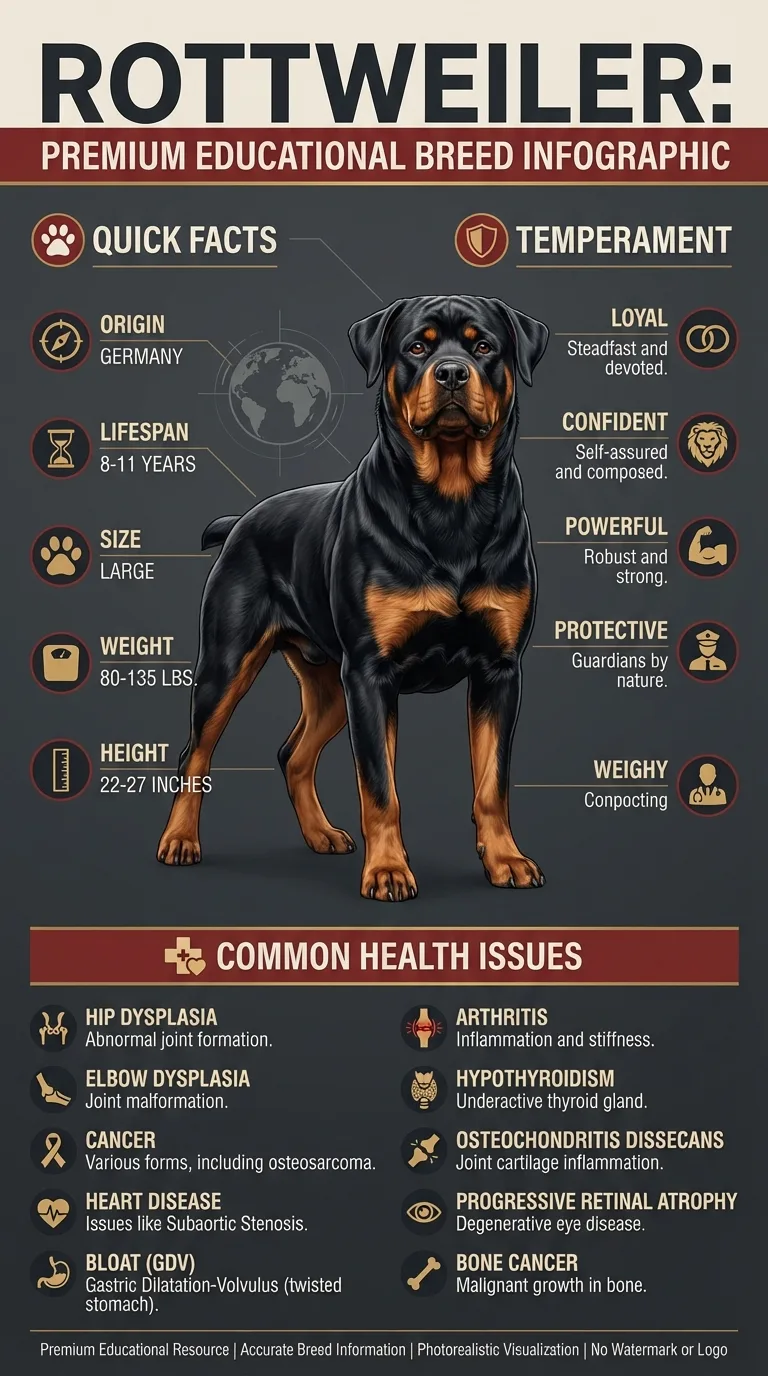
Owners of Rottweilers, especially first-time dog parents or those with busy lifestyles, may struggle with recognizing and addressing esophageal disease. It can be particularly challenging for those who may not be aware of the breed's predisposition to health problems.
This guide is not medical advice. If your dog shows pain, sudden behavior change, or worsening symptoms, consult a licensed veterinarian.
Some links may be affiliate links. We may earn a commission at no extra cost to you. We only suggest products we believe are helpful for dog owners.
We research and check what we publish, but we do not warrant that any figure, date, price, or statement is accurate, complete, or current, and we accept no liability for any loss, cost, injury, or other harm arising from the use of this site. Use it as one reference among several. You remain responsible for your own decisions and for your dog's care - confirm anything that matters with a licensed veterinarian or another qualified professional before you act on it. Full disclaimer.
Check this first
Knowing when Rottweiler esophageal disease is an emergency can be a lifesaver. If your Rottie shows severe symptoms, like continuous vomiting, difficulty swallowing, or signs of distress, it's crucial to call your vet immediately. These could indicate a serious blockage or other complications that need urgent treatment.
Milder symptoms, such as occasional gagging or drooling, may not require immediate action. In these cases, monitor your dog closely and keep a record of their eating habits and symptoms. If symptoms persist or worsen over a few days, it’s best to consult your veterinarian for guidance.
It’s essential to differentiate between red flags and mild cases. Always trust your instincts; if something feels off, don’t hesitate to seek help. Your Rottweiler’s health is worth it.
If any of these apply, call your vet or an emergency clinic now. The rest of this page is for the cases that are not an emergency.
Rottweiler esophageal disease can significantly affect your dog's daily life. Symptoms often include difficulty swallowing, regurgitation, and in some cases, weight loss. These issues can lead to frustration for both the dog and the owner, as meals may become a stressful event.
This condition is notably more frequent in Rottweilers, with a 265% higher risk compared to other breeds. While not every Rottweiler will experience esophageal disease, it is a significant concern for many owners.
Rottweilers can be predisposed to esophageal disease due to their physical structure. Their large size and unique throat anatomy may contribute to issues like megaesophagus, where the esophagus enlarges and loses motility. This breed's loyalty and protective nature can also lead to stress-related eating habits, which may exacerbate the problem.
Environmental factors, such as diet and feeding practices, play a crucial role in esophageal disease. If Rottweilers eat too quickly or are fed low-quality food, they may struggle with digestion. Additionally, stress from changes in their surroundings or routines can aggravate their esophageal issues.
If your Rottweiler shows symptoms like regurgitation, difficulty swallowing, or excessive drooling, it's time to talk to a vet. Early intervention is crucial in managing esophageal disease effectively.
Understanding what not to do is just as important as knowing how to help your Rottweiler with esophageal disease. Here are some common mistakes that can worsen the situation.
See all Rottweiler health problems, which breeds are prone to esophageal disease, or the full Rottweiler breed guide for temperament, exercise needs and ownership costs.
It may take several weeks to months to manage Rottweiler esophageal disease effectively. Consistency in care and feeding is key.
Success looks like your Rottweiler eating comfortably, showing reduced signs of discomfort, and maintaining a healthy weight.
Maggie, a dedicated Rottweiler owner in Dallas, noticed her 4-year-old Rottie, Rex, was frequently gagging after meals. Concerned, she consulted her vet, who diagnosed him with esophageal disease. Maggie learned that certain feeding practices could help. She began giving Rex smaller, more frequent meals and switched to a softer diet. Within a month, Rex showed marked improvement, with fewer episodes of gagging during meals. Maggie's commitment to learning about the condition and adapting Rex's routine made a significant difference in their lives.
Key takeaway: Understanding your dog's specific needs and adjusting their diet can greatly improve their quality of life when facing Rottweiler esophageal disease.
Rottweilers are at a higher risk of developing esophageal disease due to their anatomical structure and certain genetic factors. This condition may be linked to issues like megaesophagus or foreign object ingestion. If your Rottie shows symptoms, consult a vet for a proper diagnosis.
To help your Rottweiler manage esophageal disease, consider feeding them smaller, more frequent meals and using a raised food bowl. It's also crucial to monitor their weight and ensure they’re not experiencing any discomfort while eating. Regular vet check-ups are essential.
Signs of esophageal disease in Rottweilers can include regurgitation, difficulty swallowing, or excessive drooling. You might also notice your Rottie showing signs of discomfort while eating or losing weight unexpectedly. If you observe any of these symptoms, it's important to consult your vet.
Training can assist in managing esophageal disease by teaching your Rottweiler to eat slowly and calmly. This may help reduce the risk of regurgitation. However, it's vital to focus on medical treatment and dietary adjustments alongside training methods for the best results.
While some mild cases may be managed with dietary changes or smaller meal sizes, it's essential to seek professional advice. Home remedies may not address the underlying issues effectively. Always consult your veterinarian to determine the best course of action for your Rottweiler.
There is some evidence suggesting that certain breeds, including Rottweilers, may be predisposed to esophageal issues due to genetics. However, environmental factors and diet can also play significant roles. If you have concerns about your Rottweiler's health, a vet can provide guidance tailored to your dog's needs.
Older Rottweilers may be more susceptible to esophageal disease due to age-related changes in their digestive systems. If you have an older Rottweiler, it's crucial to monitor their eating habits and overall health closely. Regular check-ups with your vet can help catch any potential issues early.
Feed smaller meals and elevate their food bowl to help with swallowing. Monitor their weight and always consult a vet for ongoing issues.
Esophageal disease can make eating difficult, leading to discomfort or anxiety. Regular feeding routines and vet guidance are important.
If your Rottweiler regurgitates frequently, consult your vet immediately. This symptom could indicate a serious issue needing attention.
Soft, moist food can be easier for Rottweilers with esophageal disease to swallow. Always check with your vet for dietary recommendations.
Treatment costs can vary widely, but expect to pay for vet visits, potential medications, and any specialized diets. It's important to budget for these expenses.
A one-page prep sheet for this condition: the signs, the questions to ask, what to get priced. Unlocks here.
You get: Vet visit prep sheet
No spam. One-click unsubscribe. See our privacy policy.
Preview page 1 before you decide.