Health
Is Type 1 the mildest form of von Willebrand's disease?
Yes — it's generally the mildest and most common of the three recognized types.

Quick answer
Is Type 1 the mildest form of von Willebrand's disease?
Yes — it's generally the mildest and most common of the three recognized types.
Because Type 1 is generally a milder, more variably expressed form of the disease, some affected dogs show almost no clinical signs at all — which makes genetic testing, rather than watching for symptoms, the only reliable way to actually know a breeding dog's true status.
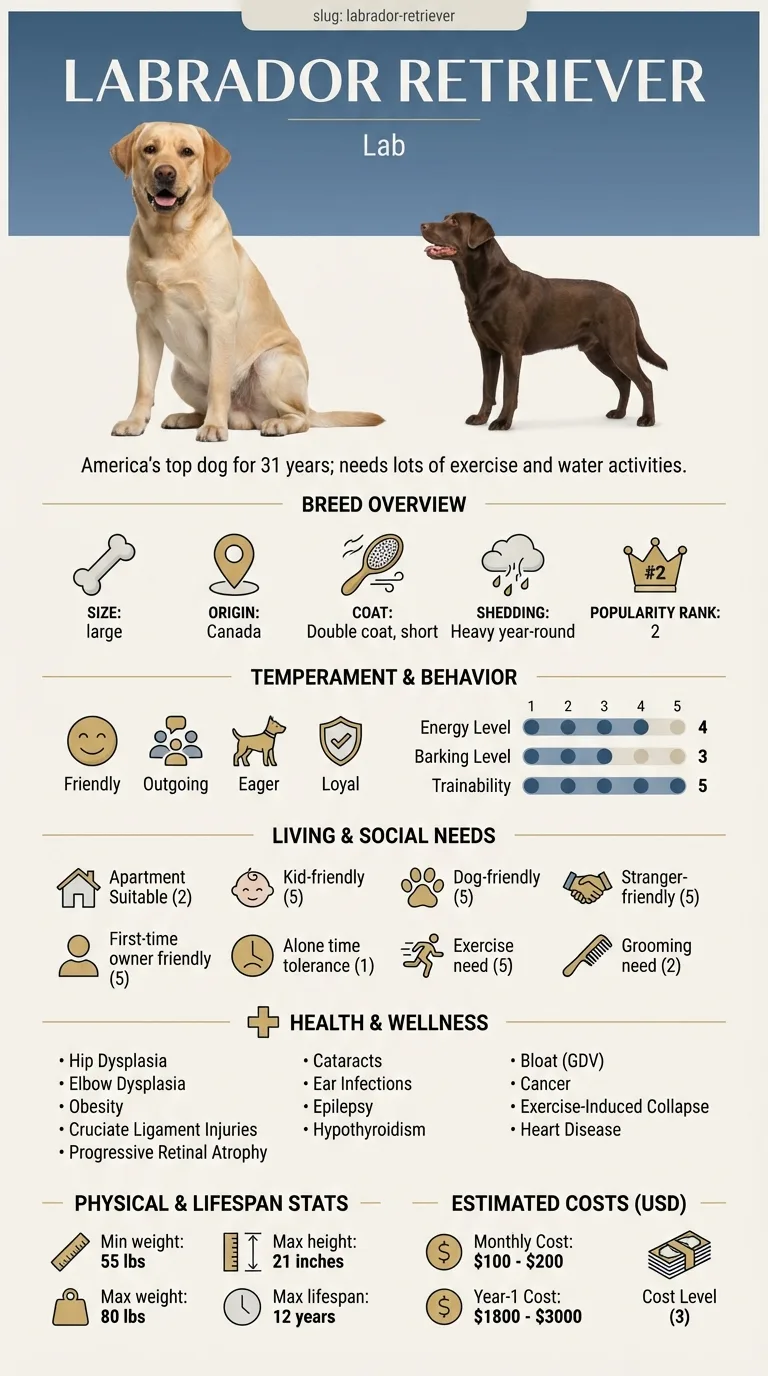
Breeders trying to interpret carrier and affected genetic results correctly, and puppy buyers wanting to understand what a breeder's vWD1 test paperwork actually means for their new puppy's health.
This guide is not medical advice. If your dog shows pain, sudden behavior change, or worsening symptoms, consult a licensed veterinarian.
Some links may be affiliate links. We may earn a commission at no extra cost to you. We only suggest products we believe are helpful for dog owners.
We research and check what we publish, but we do not warrant that any figure, date, price, or statement is accurate, complete, or current, and we accept no liability for any loss, cost, injury, or other harm arising from the use of this site. Use it as one reference among several. You remain responsible for your own decisions and for your dog's care - confirm anything that matters with a licensed veterinarian or another qualified professional before you act on it. Full disclaimer.
Type 1 von Willebrand's disease is the mildest and most common form of this inherited bleeding disorder, following an incompletely dominant inheritance pattern with variable clinical expression. A specific genetic test is available for Labrador breeding programs, and combining it with a factor level blood test gives a more complete individual risk picture than either test alone, given how variably this condition can express itself.
Type 1 vWD is documented across many breeds including Labrador Retrievers, with genetic testing widely available and increasingly used in health-conscious breeding programs, though exact carrier frequency varies by specific lineage.
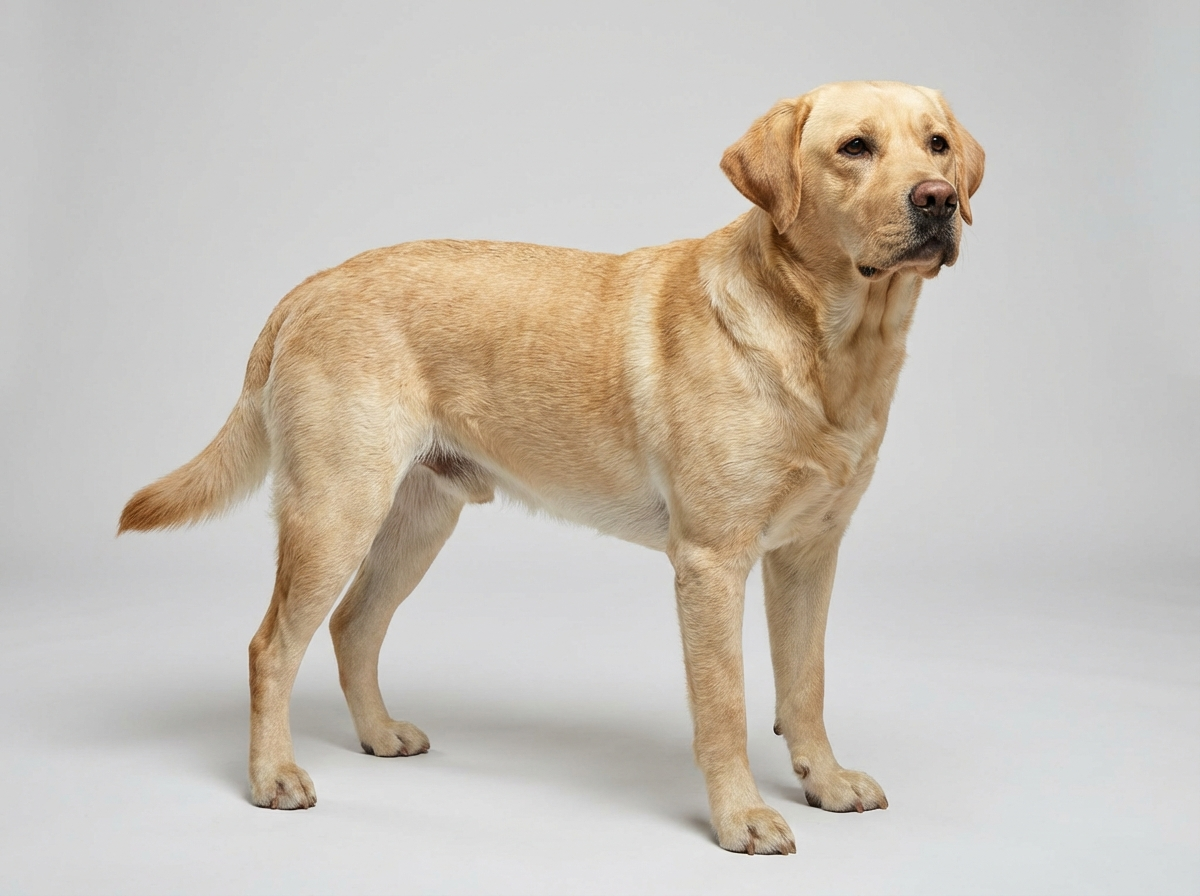
Labradors carry documented genetic variants associated with Type 1 von Willebrand's disease, and because the condition shows variable clinical expression in this and other affected breeds, individual testing matters more than assuming risk based on breed alone. This variability is part of what makes combined DNA and factor level testing particularly valuable for this specific condition.
There's no environmental trigger for the underlying genetic variant itself, though factor levels can fluctuate somewhat over time in an individual dog, which is part of why periodic retesting before a major planned procedure is sometimes recommended rather than relying on a single test result from years earlier.
Discuss combined DNA and factor level testing with your vet or a veterinary genetics lab before any breeding decision, and separately, mention a known carrier or affected status before any planned surgery so appropriate precautions can be taken.
See all Labrador Retriever health problems, which breeds are prone to von willebrands disease vwd1, or the full Labrador Retriever breed guide for temperament, exercise needs and ownership costs.
Both DNA and factor level test results typically return within one to three weeks of sample submission. Genetic status doesn't change over a dog's lifetime, though factor levels can be retested periodically, particularly before a major planned procedure.
Success for a breeding program means using combined genetic and factor level data to make informed pairing decisions that reduce the risk of producing puppies with more significant clinical disease, while for an individual pet owner, it means having accurate information factored into any future surgical planning.
Type 1 von Willebrand's disease follows an incompletely dominant inheritance pattern in most affected breeds, which is a bit more nuanced than the straightforward recessive pattern seen in some other inherited conditions. This means a dog's clinical severity doesn't map perfectly onto a simple clear-carrier-affected model — a dog can carry the genetic variant and show anywhere from no noticeable symptoms to genuinely reduced clotting function, which is part of why genetic testing combined with an actual von Willebrand factor blood level test gives a more complete picture than either test alone.
The DNA test identifies the specific genetic variant associated with Type 1, typically reported as clear, carrier, or affected based on how many copies of the variant are present, while the blood factor level test measures actual clotting protein function at the time of testing. Because expression can vary, a breeder relying solely on the DNA result without also considering factor level, or vice versa, may get an incomplete picture of an individual dog's actual bleeding risk and breeding implications.
For breeding decisions, the general guidance mirrors other recessive-leaning inherited conditions: avoiding pairings that would concentrate the genetic variant (such as two carriers or affected dogs together) reduces the odds of producing puppies with more significant clinical disease, even accounting for the variable expression this specific condition shows.

Given the variable expression of this specific type, combining both tests gives a meaningfully more complete picture than relying on just one.
Breeder Owen had his Labrador stud, Ranger, DNA tested and received a carrier result for vWD1, but Ranger's actual factor level blood test came back within a low-normal range, suggesting relatively mild real-world clotting impact. Rather than ruling Ranger out of breeding entirely based on the DNA result alone, Owen consulted a veterinary geneticist who explained the variable expression pattern typical of Type 1. Owen proceeded with breeding Ranger only to genetically clear females, avoiding any pairing that could concentrate the variant, and informed every puppy buyer of Ranger's carrier status transparently. Several years and multiple litters later, no offspring have shown clinically significant bleeding issues.
Key takeaway: A single genetic result doesn't fully capture this specific condition's real-world risk — combining it with an actual factor level measurement, and making transparent, conservative breeding choices, gives a much more complete and responsible picture.
It's the mildest and most common of the three recognized types of von Willebrand's disease, caused by reduced (rather than completely absent) von Willebrand factor, with variable clinical severity ranging from no noticeable symptoms to genuinely reduced clotting function.
It follows an incompletely dominant pattern in most affected breeds, meaning clinical severity doesn't map perfectly onto a simple carrier-versus-affected model, unlike some other inherited conditions with more predictable recessive inheritance.
Yes, ideally both — the DNA test identifies the genetic variant present, while the factor level blood test measures actual current clotting protein function, and together they give a more complete picture than either alone given this condition's variable expression.
It's generally advised against, similar to other inherited conditions, since pairing two carriers increases the odds of producing puppies with more significant clinical disease, even accounting for the variable severity this specific type shows.
A DNA test typically costs $40–$75, and a separate factor level blood test typically runs $50–$100, making combined testing a modest but worthwhile investment for a breeding program.
Not necessarily — because Type 1 shows variable expression, a carrier can have anywhere from normal to reduced clotting function, which is exactly why combining genetic and factor level testing gives a more accurate individual risk picture than either alone.
It's generally the mildest of the three recognized types, in contrast to Types 2 and 3, which tend to involve more severe clotting protein dysfunction and typically cause more significant bleeding tendencies.
Yes — it's generally the mildest and most common of the three recognized types.
Yes — combining both gives a more complete picture given this condition's variable clinical expression.
It's generally advised against, since it increases the odds of producing puppies with more significant clinical disease.
Roughly $90–$175 total for both tests together.
Not necessarily — expression varies, ranging from no noticeable effect to genuinely reduced function.
A one-page prep sheet for this condition: the signs, the questions to ask, what to get priced. Unlocks here.
You get: Vet visit prep sheet
No spam. One-click unsubscribe. See our privacy policy.
Preview page 1 before you decide.