Health
What does an affected vWD1 result mean?
Two copies of a variant causing Type 1 von Willebrand's disease, the mildest form, often producing a mild or unnoticeable bleeding tendency.

Quick answer
What does an affected vWD1 result mean?
Two copies of a variant causing Type 1 von Willebrand's disease, the mildest form, often producing a mild or unnoticeable bleeding tendency.
An 'affected' result on a genetic panel sounds like a diagnosis of a sick dog. For vWD1 specifically, it more often describes a mild, sometimes entirely silent bleeding tendency that still matters for breeding decisions.
New puppy owners who received a breeder's genetic panel showing an affected result and don't know whether that changes anything about a healthy-seeming puppy, and breeders trying to make sound pairing decisions without over-correcting for a variant that, in its Type 1 form, is common and usually manageable.
This guide is not medical advice. If your dog shows pain, sudden behavior change, or worsening symptoms, consult a licensed veterinarian.
Some links may be affiliate links. We may earn a commission at no extra cost to you. We only suggest products we believe are helpful for dog owners.
We research and check what we publish, but we do not warrant that any figure, date, price, or statement is accurate, complete, or current, and we accept no liability for any loss, cost, injury, or other harm arising from the use of this site. Use it as one reference among several. You remain responsible for your own decisions and for your dog's care - confirm anything that matters with a licensed veterinarian or another qualified professional before you act on it. Full disclaimer.
vWD1 refers specifically to Type 1 von Willebrand's disease, a partial clotting protein deficiency and the mildest and most commonly identified form on genetic panels. A panel reports one of three statuses, clear, carrier or affected, and for this specific type, even an affected result usually describes a mild or clinically silent bleeding tendency rather than a severe disease, though it remains relevant for both veterinary disclosure and breeding decisions.
Type 1 is the most frequently identified form of von Willebrand's disease across genetic panels covering many breeds, and its inclusion on standard multi-breed panels means individual results, whether clear, carrier or affected, are increasingly common information for both pet owners and breeders to encounter.
This is a specific, identifiable recessive gene variant that panels test for directly, distinct from a general clinical diagnosis based on observed bleeding. Because it requires two inherited copies to produce affected status, its frequency within a breed's population depends on how common a single copy is among breeding dogs, which connects to this breed's broader documented pattern of carrying a high concentration of tested genetic variants overall.
Breeding decisions that do not account for carrier or affected status when selecting pairings are the main factor that perpetuates or increases the frequency of two-copy affected puppies in future litters. For an individual pet, no environmental factor changes the genetic result itself, though disclosure practices around veterinary and grooming care determine how much the result actually matters day to day.
Bring any affected or carrier vWD1 result to your vet for interpretation and to have it noted in your dog's record ahead of any future surgery or dental work. There is no urgency attached to a routine panel result on its own, and this is a planning conversation rather than an emergency.
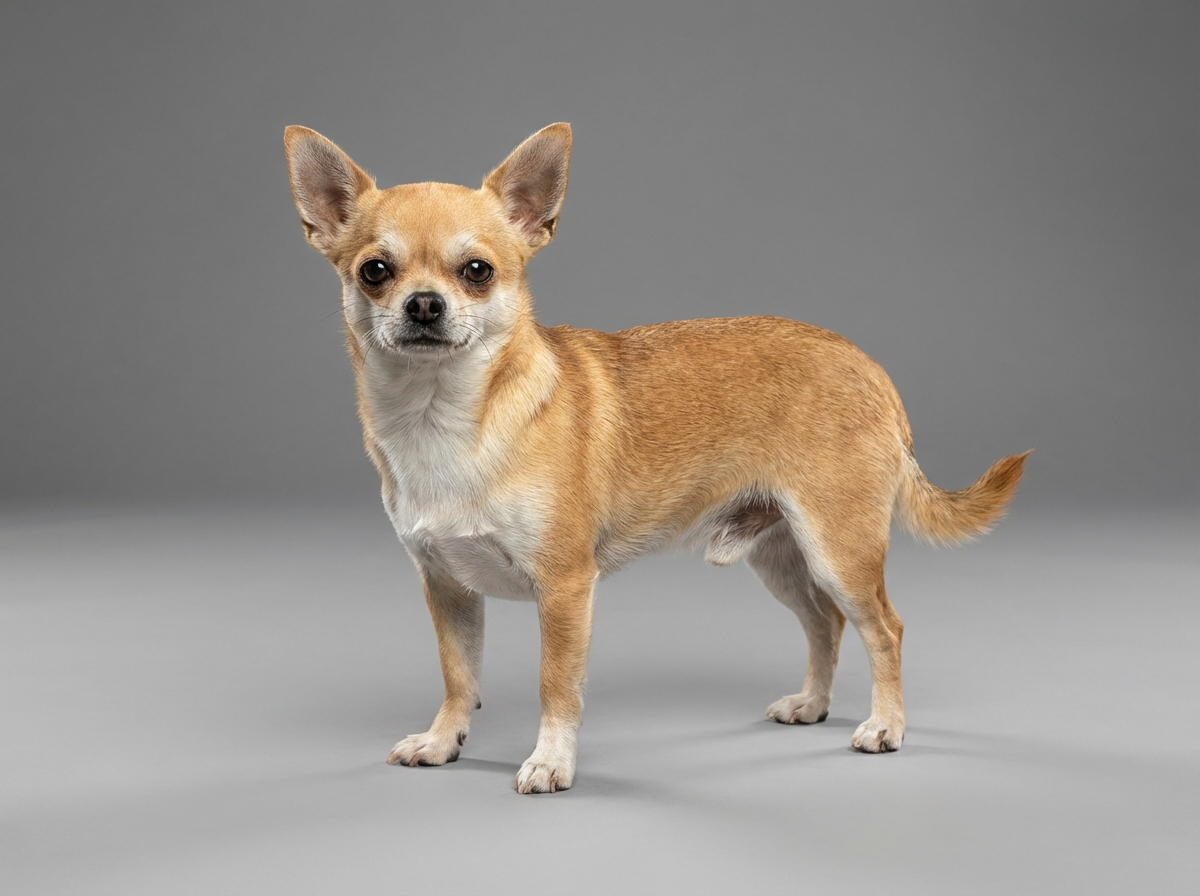
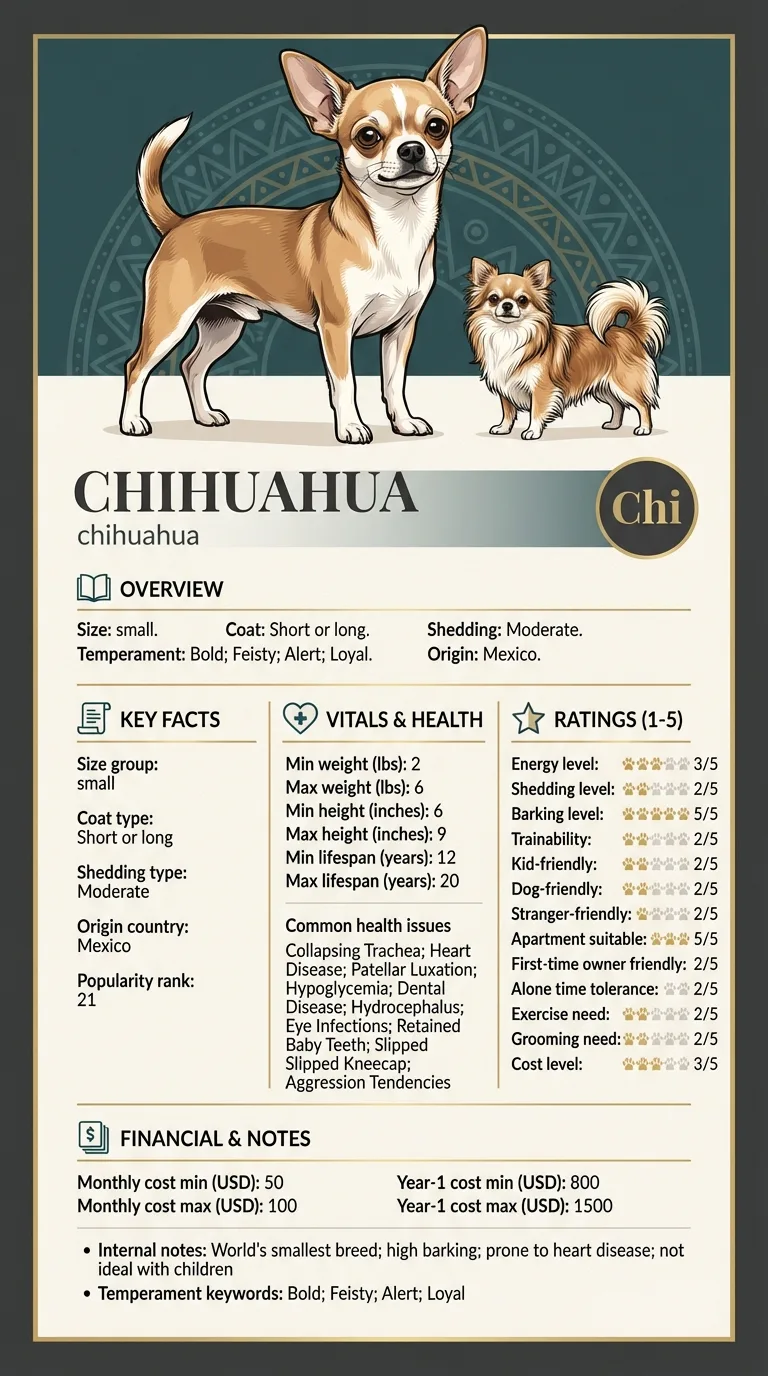
See all Chihuahua health problems, which breeds are prone to von willebrands disease vwd1, or the full Chihuahua breed guide for temperament, exercise needs and ownership costs.
Understanding what a specific panel result means is typically resolved in a single conversation with your vet or a breeder familiar with the test. There is no treatment timeline for the genetic result itself, since most Type 1 affected dogs require no ongoing intervention absent an actual bleeding event.
Success is an accurate, proportionate understanding of what clear, carrier or affected actually means for this specific, usually mild form of the condition, leading to appropriate disclosure practices rather than either dismissing the result or over-reacting to it.
Von Willebrand's disease exists in three recognized types, and they are not interchangeable in severity. Type 1 involves a partial reduction in the clotting protein and produces a bleeding tendency ranging from clinically silent to mild, with many affected dogs never showing an obvious bleeding problem across a normal life. Types 2 and 3 involve more severe protein abnormalities or near-total absence and are associated with significantly more serious bleeding risk. A genetic panel result specifically for vWD1 is reporting on the milder, far more common form, and reading it with the same alarm appropriate to a Type 3 result is a mismatch between the finding and its actual clinical weight.
A panel reports one of three statuses for this variant: clear, meaning no copies of the variant were found; carrier, meaning one copy was inherited from one parent, with the dog not expected to show clinical signs itself but able to pass the variant to offspring; and affected, meaning two copies were inherited, one from each parent, which for Type 1 specifically usually still means a mild, sometimes entirely unnoticeable bleeding tendency rather than a severe clinical disease.
For a pet owner, an affected Type 1 result mainly means disclosing the finding to any vet or groomer before a procedure, similar to a clinically diagnosed case, as a sensible precaution even in the likely event that no bleeding problem is ever noticed. For a breeder, the result is more directly actionable: pairing two carriers or two affected dogs increases the chance of producing more affected puppies, so the practical breeding decision is choosing partners that reduce or avoid that combination, not necessarily excluding every carrier from breeding altogether.

The status word matters far more than the fact that the variant appears on the report at all.
If you think your Chi has von willebrand's disease, the plan is three steps: write down what you have seen and when it started, book a veterinary appointment rather than waiting for the next flare, and take video of the behaviour or symptom before you go — the thing you are worried about rarely happens in the consulting room. Screening in the parents covers collapsing trachea, heart disease, patellar luxation.
What the vet visit should produce is a diagnosis and a written plan, not just reassurance: what is being ruled out, what the monitoring interval is, and which signs mean you come back sooner. Ask what the treatment costs across a year rather than per visit, because that is the number that decides whether you are managing this condition or reacting to it.
Between appointments, keep a short log — dates, what you saw, what changed. It is the single most useful thing an owner brings to a follow-up, and for von willebrand's disease it is often what separates a clear pattern from a guess.
Nayeli had reserved a puppy from a litter whose breeder ran full genetic panels on every pup, and hers came back listing vWD1 as affected in bold red text on the summary page. Her first instinct, reading only that single word, was to ask about choosing a different, unaffected puppy from the same litter instead, assuming something was seriously wrong. The breeder walked her through the distinction between the three recognized types of the condition, and specifically what Type 1 affected status tends to mean clinically: often no noticeable bleeding tendency at all, and when present, typically mild. She also explained that this was the reason the breeder disclosed full panels rather than summarizing them, precisely so buyers could make informed decisions rather than reacting to a single alarming-looking word. Nayeli kept the puppy, now three years old with no bleeding issues ever observed, and mentions the result as a matter of routine at every vet visit and before an upcoming dental cleaning, exactly as the breeder had originally advised.
Key takeaway: An affected result for Type 1 is information for planning, not a diagnosis of a sick puppy. Reading past the single flagged word to what that specific type actually tends to mean clinically is what turns a scary-looking report into a manageable, mostly unremarkable fact about a healthy dog.
Type 1 is the mildest recognized form of this condition, and many affected dogs never show a noticeable bleeding problem in daily life. It is worth disclosing to your vet and any groomer as a sensible precaution, but it is not typically a reason for significant concern about your puppy's day-to-day health.
Carrier means one copy of the variant was inherited from one parent; the dog itself is not expected to show symptoms but can pass the variant to future offspring. Affected means two copies were inherited, one from each parent, which for Type 1 usually still means a mild tendency rather than severe disease.
Not testing specifically, but disclosure. Letting your vet know the result exists means they can factor it in for any procedure involving deliberate bleeding, such as surgery or a dental extraction, without needing repeat testing for routine visits.
Yes. Pairing two carriers of the same recessive variant increases the chance that some puppies in the litter will inherit a copy from each parent and be affected, which is the specific pairing responsible breeders try to avoid.
Panels typically screen for the specific variants known to occur across tested breeds, and Type 1 is the most commonly identified form on standard multi-breed panels. Discuss with your vet or breeder which specific test was run if you want to understand exactly what was and was not screened.
This is a judgment call best made with input from a vet or breed health resource, weighing the mild typical severity of Type 1 against responsible population management. Many breeding programs manage this by avoiding pairing two carriers or two affected dogs rather than excluding every affected individual outright.
Two copies of a variant causing Type 1 von Willebrand's disease, the mildest form, often producing a mild or unnoticeable bleeding tendency.
No. Type 1 is generally much milder than Types 2 and 3, which involve more severe clotting protein abnormalities.
Nothing changes for a pet dog's daily care. For breeding, avoid pairing with another carrier or affected dog of the same variant.
Mainly disclosure to vets and groomers before procedures involving bleeding, rather than ongoing special daily care.
A one-page prep sheet for this condition: the signs, the questions to ask, what to get priced. Unlocks here.
You get: Vet visit prep sheet
No spam. One-click unsubscribe. See our privacy policy.
Preview page 1 before you decide.