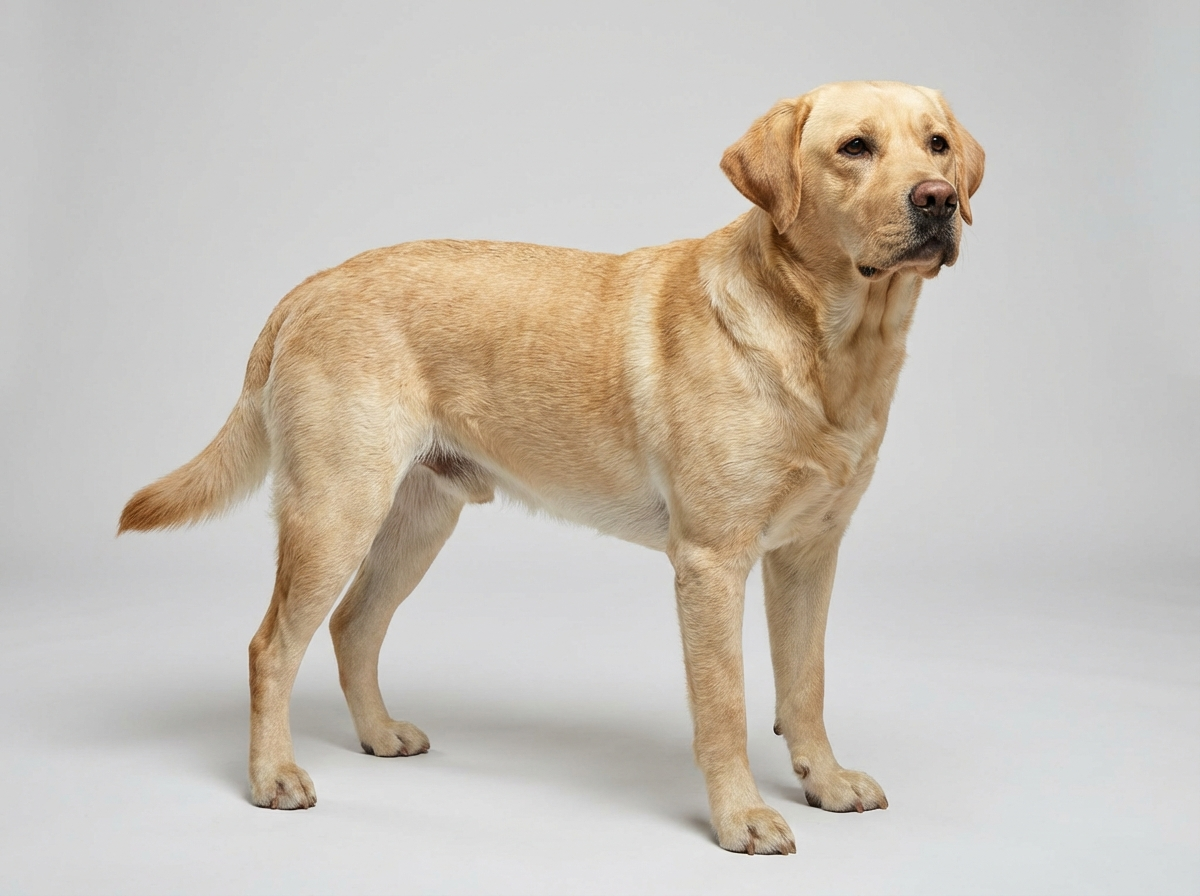
Health
Is my Labrador at high genetic risk for diabetes?
No, this breed doesn't carry a documented genetic predisposition; the real risk factor is this breed's tendency toward obesity, which is manageable.

Quick answer
Is my Labrador at high genetic risk for diabetes?
No, this breed doesn't carry a documented genetic predisposition; the real risk factor is this breed's tendency toward obesity, which is manageable.
Your Labrador isn't a "diabetes breed" in the way some are, but its documented weight tendency puts a meaningful thumb on the scale, and that's worth knowing before symptoms show up.
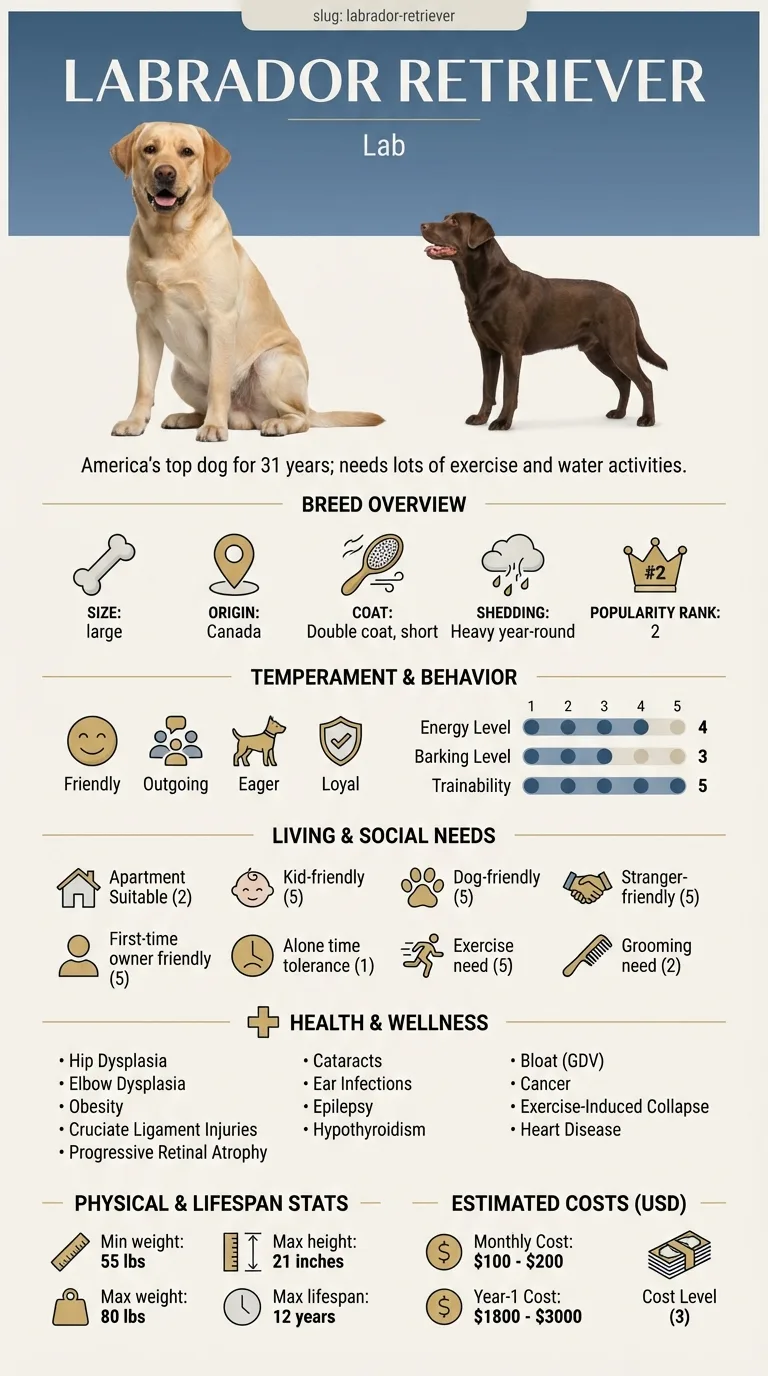
Owners of overweight, middle-aged to senior Labradors, particularly those noticing increased thirst and urination alongside weight changes, are the ones most likely to face this diagnosis directly.
This guide is not medical advice. If your dog shows pain, sudden behavior change, or worsening symptoms, consult a licensed veterinarian.
Some links may be affiliate links. We may earn a commission at no extra cost to you. We only suggest products we believe are helpful for dog owners.
We research and check what we publish, but we do not warrant that any figure, date, price, or statement is accurate, complete, or current, and we accept no liability for any loss, cost, injury, or other harm arising from the use of this site. Use it as one reference among several. You remain responsible for your own decisions and for your dog's care - confirm anything that matters with a licensed veterinarian or another qualified professional before you act on it. Full disclaimer.
Diabetes isn't documented as a hallmark genetic condition for Labrador Retrievers, unlike breeds with a real inherited predisposition. The genuine, well-established connection runs through this breed's documented tendency toward obesity, since excess body weight is a significant risk factor for diabetes in dogs of any breed. That makes diabetes in a Labrador largely a downstream, preventable risk tied to weight management rather than an inherited inevitability.
Not documented as a breed-specific hallmark condition, but given how consistently this breed struggles with weight management, diabetes is a realistic risk for Labradors that carry significant excess weight over time, more than for a lean, well-managed dog of any breed.
Labrador Retrievers don't carry a documented genetic predisposition to diabetes independent of weight. What this breed does carry, extensively documented, is a strong tendency toward obesity, and excess body fat is a well-established risk factor for diabetes in dogs broadly, making the breed's real diabetes risk largely a downstream consequence of its weight tendency rather than a direct inherited trait.
A high-calorie diet relative to activity level, free-feeding, and excessive treat-giving, all common pitfalls given this breed's food motivation, are the main environmental drivers pushing weight up and, with it, diabetes risk over time.
Talk to your vet if you notice increased thirst and urination, unexplained weight loss despite normal appetite, or new cloudiness in the eyes. These symptoms warrant blood and urine testing rather than being dismissed as minor.
See all Labrador Retriever health problems, which breeds are prone to diabetes, or the full Labrador Retriever breed guide for temperament, exercise needs and ownership costs.
Diagnosis typically involves a blood and urine test confirmed within a single vet visit. Stabilizing insulin dosing after diagnosis usually takes several weeks of monitoring and adjustment before a consistent daily routine is established.
Success is a diabetic dog stabilized on a consistent daily insulin and feeding routine, living comfortably for years, not a cure, since diabetes in dogs is a lifelong condition managed rather than resolved.
Certain breeds carry a well-documented genetic predisposition to diabetes independent of weight or lifestyle. Labrador Retrievers aren't among them; diabetes doesn't appear in this breed's core documented health concerns. That's a genuinely accurate, if slightly reassuring, starting point, and it's worth being direct about rather than implying every Labrador faces an elevated inherited risk it doesn't actually have.
What does apply is this: obesity is one of the most consistently documented health issues in Labrador Retrievers, and excess body fat is a well-established risk factor for diabetes across dogs of any breed, since it affects how the body responds to insulin. A Labrador allowed to carry significant extra weight for years, common given this breed's food motivation, faces meaningfully elevated diabetes risk not because of its genetics directly, but because of how consistently this breed tends toward excess weight without deliberate management. This makes diabetes, in a Labrador, largely a downstream, preventable risk rather than an inherited inevitability.

Sadie, a nine-year-old Labrador who had gradually gained close to fifteen pounds over several years of free-feeding and generous treats, started drinking water constantly and having accidents in the house despite being fully house-trained for years. Bloodwork confirmed diabetes. Her vet was direct that Sadie's weight had been the main driver, since this breed doesn't carry an inherited predisposition on its own. Sadie started daily insulin injections alongside a strict portion-controlled prescription diet, and within two months her symptoms resolved and her weight began trending back down. Her owner now measures every meal precisely, something she admits she should have been doing all along.
Key takeaway: Diabetes in a Labrador is most often a preventable, weight-linked condition rather than an inherited certainty, which makes consistent weight management genuinely protective, not just generally healthy advice.
Not as a documented breed-specific genetic predisposition. The real connection is indirect, through this breed's well-documented tendency toward obesity, which is itself a significant, established risk factor for diabetes in dogs of any breed.
Increased thirst and urination, unexplained weight loss despite normal or increased appetite, lethargy, and in some cases cloudy eyes from cataract development are the classic early signs worth a prompt vet visit.
Maintaining a healthy weight throughout life meaningfully reduces one of the biggest controllable risk factors for diabetes in this breed, even though it can't eliminate risk entirely.
A blood and urine test showing persistently elevated glucose confirms the diagnosis, usually prompted by the classic combination of increased thirst, urination, and weight changes.
Yes, with consistent daily insulin injections, a controlled diet, and regular veterinary monitoring, most diabetic dogs live comfortable, reasonably normal lives, though it requires real day-to-day commitment.
Yes, poorly controlled diabetes can lead to cataracts, increased infection risk, and in severe unmanaged cases, a life-threatening complication called diabetic ketoacidosis, which is why consistent management matters.
Ongoing costs include insulin, syringes, prescription food, and periodic monitoring bloodwork, adding up to a meaningful but manageable recurring monthly expense for most owners.
No, this breed doesn't carry a documented genetic predisposition; the real risk factor is this breed's tendency toward obesity, which is manageable.
Excess body weight, since this breed's well-documented obesity tendency is the clearest, most manageable risk factor connecting to diabetes.
Yes, with consistent insulin treatment, diet control, and monitoring, many diabetic dogs live a good quality life for years after diagnosis.
Insulin and supplies typically add a moderate recurring monthly cost, varying by dog size and specific insulin type prescribed.
Yes, poorly controlled diabetes commonly accelerates cataract formation, which is one reason consistent blood sugar management matters beyond just thirst and urination symptoms.
A one-page prep sheet for this condition: the signs, the questions to ask, what to get priced. Unlocks here.
You get: Vet visit prep sheet
No spam. One-click unsubscribe. See our privacy policy.
Preview page 1 before you decide.