Behavior
What are Maltese diabetes quick tips?
Monitor your Maltese's weight, provide regular exercise, and stick to a balanced diet to prevent diabetes.

Quick answer
What are Maltese diabetes quick tips?
Monitor your Maltese's weight, provide regular exercise, and stick to a balanced diet to prevent diabetes.
Maltese diabetes is a serious condition that can affect your dog's health and quality of life. Understanding it is crucial for their well-being.
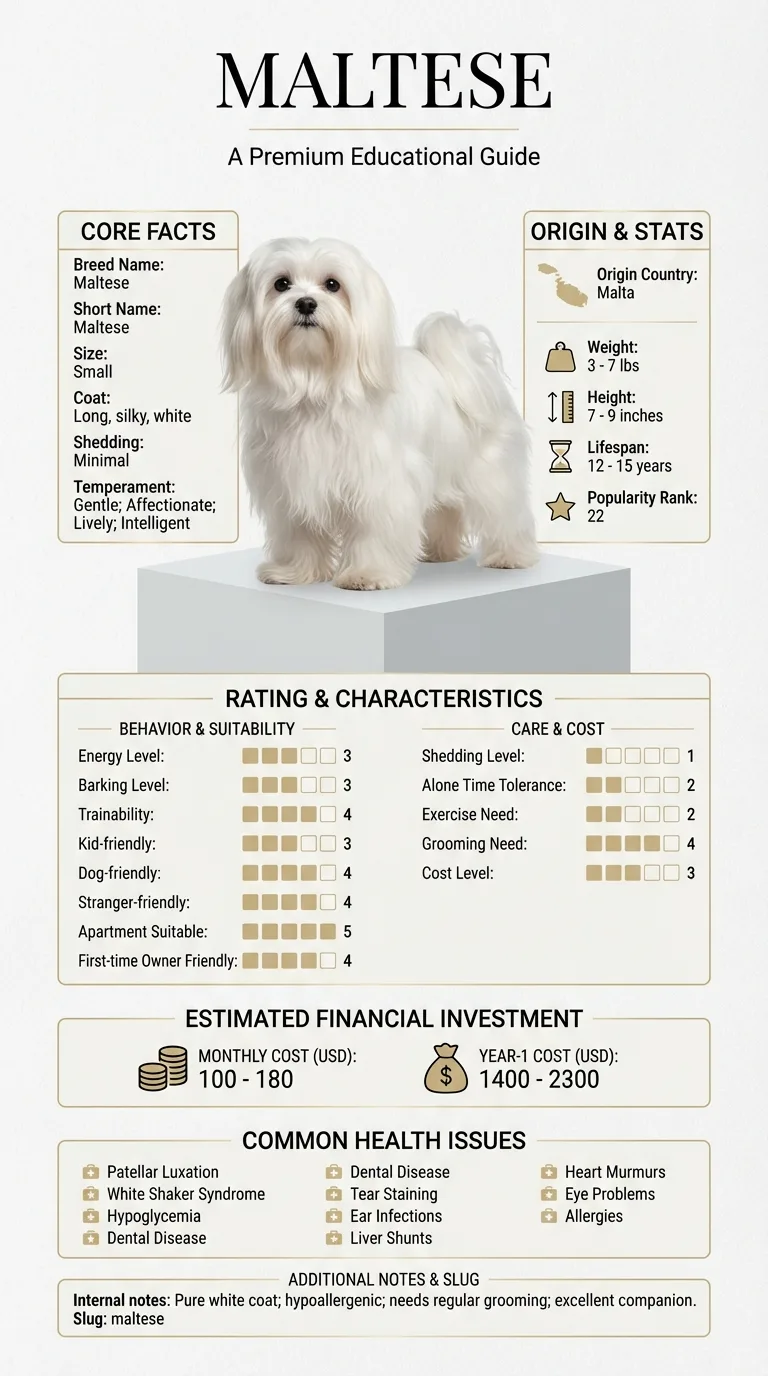
Many Maltese owners, especially those with senior pets, may find themselves facing the challenges of diabetes. This can be overwhelming for first-time dog owners or busy families who might not know the signs to watch for.
This guide is not medical advice. If your dog shows pain, sudden behavior change, or worsening symptoms, consult a licensed veterinarian.
Some links may be affiliate links. We may earn a commission at no extra cost to you. We only suggest products we believe are helpful for dog owners.
We research and check what we publish, but we do not warrant that any figure, date, price, or statement is accurate, complete, or current, and we accept no liability for any loss, cost, injury, or other harm arising from the use of this site. Use it as one reference among several. You remain responsible for your own decisions and for your dog's care - confirm anything that matters with a licensed veterinarian or another qualified professional before you act on it. Full disclaimer.
Check this first
Recognizing when Maltese diabetes is an emergency is crucial for your pet's health. If you notice any of the following red-flag signs, you should call your vet immediately. These include excessive thirst, frequent urination, sudden weight loss, lethargy, or vomiting. These symptoms can indicate that your Maltese's diabetes is out of control and requires urgent medical attention.
On the other hand, if your Maltese is experiencing mild symptoms like a slight increase in thirst or appetite, you can monitor the situation at home. Keep track of their eating habits and energy levels. A steady diet and regular vet check-ups can help manage their condition, but it's essential to have a plan in place.
In summary, immediate vet consultation is necessary for severe symptoms, while mild cases can be observed with a watch-and-wait approach. Always err on the side of caution; your furry friend’s health is worth it.
If any of these apply, call your vet or an emergency clinic now. The rest of this page is for the cases that are not an emergency.
Maltese diabetes is a common health issue often seen in older Maltese dogs. This endocrine disorder can lead to serious health complications if left untreated. Symptoms include excessive thirst, frequent urination, weight loss, and lethargy, which may affect your dog's daily life and happiness.
Diabetes is relatively common among Maltese, especially as they age. Studies suggest that small breeds like the Maltese are more prone to diabetes than larger breeds, making awareness and preventive care essential for their health.
Maltese dogs can be prone to diabetes due to their size and genetics. Small breeds often have a higher risk of developing endocrine disorders as they age. Additionally, obesity, which is common in Maltese, can increase the likelihood of diabetes.
Environmental factors also play a role in Maltese diabetes. An unbalanced diet, lack of exercise, and stress can contribute to weight gain and metabolic issues. Poor dental health is another concern, as it can lead to systemic health problems, including diabetes.
If your Maltese shows signs of excessive thirst, frequent urination, or sudden weight loss, consult your vet immediately. These could be symptoms of diabetes. Regular check-ups are crucial for early detection and management of health issues.
Addressing Maltese diabetes can be tricky. Here are common mistakes to avoid that might worsen the situation.
Start here: Maltese Most Common Genetic Disorders: What to Screen For
See all Maltese health problems, which breeds are prone to diabetes, or the full Maltese breed guide for temperament, exercise needs and ownership costs.
Managing Maltese diabetes typically takes several weeks to establish a consistent routine with diet and insulin. Regular vet check-ups are essential for monitoring progress.
Success means your Maltese maintains stable blood sugar levels, shows increased energy, and has a healthy weight. Regular vet visits confirm that diabetes is well-managed.
Jenna, a busy nurse in Chicago, noticed her Maltese, Max, was drinking more water and losing weight. After a vet visit, Max was diagnosed with diabetes. Over the next few weeks, Jenna learned how to administer insulin and adjust Max's diet. She created a feeding schedule, ensuring Max ate low-carb meals at regular times. With patience and dedication, Jenna observed Max regaining his playful spirit and energy. Monthly vet visits showed steady blood sugar levels, giving Jenna peace of mind.
Key takeaway: With commitment and proper management, Maltese diabetes can be controlled, allowing your furry friend to enjoy a happy, active life.
Maltese diabetes can occur due to various factors, including genetics, obesity, and poor diet. As they age, their pancreas may not produce enough insulin, leading to high blood sugar levels. Regular vet check-ups can help catch these issues early.
To help prevent Maltese diabetes, maintain a balanced diet with controlled portions and regular exercise. Ensure your dog stays at a healthy weight, and avoid feeding them high-sugar treats. Regular vet visits for blood sugar monitoring are also crucial.
Common symptoms of diabetes in Maltese dogs include excessive thirst, frequent urination, weight loss despite a good appetite, and lethargy. If you notice these signs, consult your vet for testing and management options.
Treating Maltese diabetes often involves insulin therapy, dietary changes, and regular monitoring of blood sugar levels. Your vet will help you create a management plan tailored to your dog's needs.
Diet can play a significant role in managing Maltese diabetes, but insulin therapy is often necessary. A high-fiber, low-sugar diet can help stabilize blood sugar, but always follow your vet's recommendations for the best results.
Feed your Maltese a high-quality, balanced diet that is low in carbohydrates and sugars. Look for dog food formulated for diabetic dogs, and consult your vet for specific recommendations based on your dog's health and needs.
Early signs of Maltese diabetes can include increased thirst and urination, weight loss despite a good appetite, and lethargy. If you notice these symptoms, it’s best to consult your vet for a thorough evaluation.
While diet plays a crucial role in managing Maltese diabetes, it usually requires a combination of diet, exercise, and possibly insulin therapy. A veterinarian can recommend the best dietary plan tailored for your dog's needs.
A diabetic Maltese should see the vet regularly, ideally every 3 to 6 months. Regular check-ups help monitor blood sugar levels and adjust treatment plans as needed.
Yes, older Maltese and those who are overweight are more at risk for diabetes. Genetics and lifestyle factors can also contribute to the likelihood of developing this condition.
If you suspect a diabetes emergency, such as severe lethargy or loss of consciousness, seek veterinary help immediately. Fast action can be crucial in managing severe blood sugar fluctuations.
Monitor your Maltese's weight, provide regular exercise, and stick to a balanced diet to prevent diabetes.
Schedule vet check-ups at least twice a year to monitor your Maltese's health and catch any diabetes signs early.
Yes, but choose low-sugar, high-fiber treats and consult your vet for safe options.
Yes, genetics can play a role in Maltese diabetes, so be aware of your dog's family health history.
Short, regular walks and playtime are great for keeping your Maltese active without overexerting them.
A one-page prep sheet for this condition: the signs, the questions to ask, what to get priced. Unlocks here.
You get: Vet visit prep sheet
No spam. One-click unsubscribe. See our privacy policy.
Preview page 1 before you decide.