Health
What's the earliest sign of diabetes to watch for?
A noticeable increase in thirst and urination, especially alongside unexplained weight loss, is the clearest early sign.

Quick answer
What's the earliest sign of diabetes to watch for?
A noticeable increase in thirst and urination, especially alongside unexplained weight loss, is the clearest early sign.
A senior Aussie suddenly drinking and urinating far more than usual, despite no change in activity or diet, is showing one of the clearest early signs of diabetes.
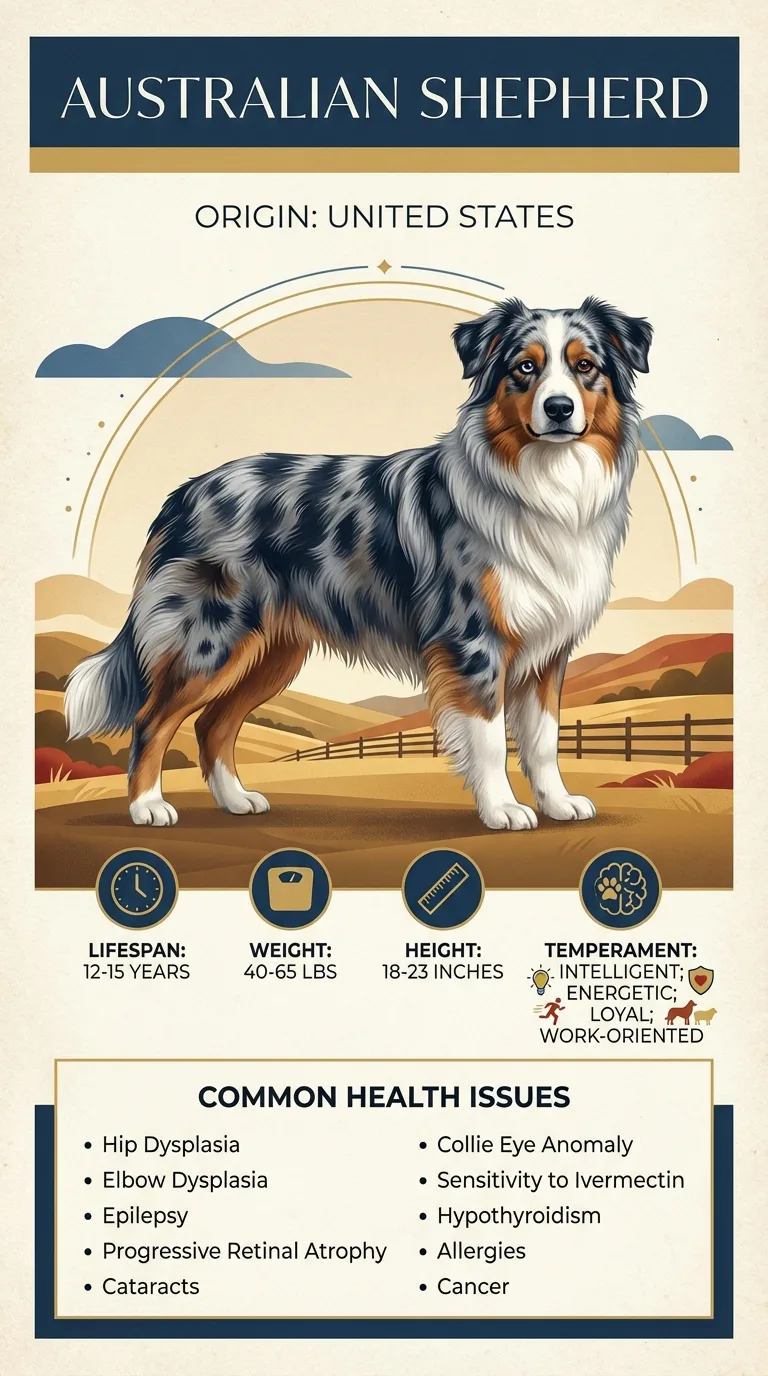
Owners of dogs entering their senior years face this most, and it's often first noticed by an unexpected jump in water bowl refills or more frequent trips outside rather than any dramatic symptom.
This guide is not medical advice. If your dog shows pain, sudden behavior change, or worsening symptoms, consult a licensed veterinarian.
Some links may be affiliate links. We may earn a commission at no extra cost to you. We only suggest products we believe are helpful for dog owners.
We research and check what we publish, but we do not warrant that any figure, date, price, or statement is accurate, complete, or current, and we accept no liability for any loss, cost, injury, or other harm arising from the use of this site. Use it as one reference among several. You remain responsible for your own decisions and for your dog's care - confirm anything that matters with a licensed veterinarian or another qualified professional before you act on it. Full disclaimer.
Diabetes is an endocrine disorder that typically appears in Australian Shepherds during their senior years, occurring when the body can't produce or properly use insulin. Increased thirst and urination alongside unexplained weight loss are the classic early signs, and management typically involves lifelong daily insulin injections paired with a consistent feeding routine.
Diabetes is a recognized endocrine concern in this breed's senior years, occurring alongside other documented hormonal issues like hypothyroidism that suggest this breed's endocrine system carries some genuine age-related vulnerability.
This breed's documented predisposition to hypothyroidism, another endocrine condition, suggests a broader pattern of hormonal system vulnerability that can extend to diabetes as dogs age, though the specific mechanisms behind each condition differ.
Diet consistency, weight management, and overall metabolic health all play a role in how diabetes develops and how manageable it is once diagnosed, though the underlying cause is primarily a change in the body's insulin production rather than a single external trigger.
Talk to your vet about any noticeable increase in thirst, urination, or unexplained weight loss, especially in a senior dog. Vomiting, lethargy, or rapid breathing in a diagnosed diabetic dog can signal a metabolic emergency and need immediate evaluation.
Diabetes symptoms are often mistaken for normal aging at first, and once diagnosed, inconsistent management is what causes the most day-to-day trouble.
See all Australian Shepherd health problems, which breeds are prone to diabetes, or the full Australian Shepherd breed guide for temperament, exercise needs and ownership costs.
Initial stabilization after diagnosis typically takes a few weeks of dose adjustments and monitoring. Once stable, most dogs settle into a predictable daily routine that continues for the rest of their life.
Success means stable blood sugar, normal thirst and appetite, and a good quality of life maintained through consistent daily management, not a cure, since canine diabetes is a lifelong condition.
Diagnosis typically involves bloodwork and urine testing to confirm elevated blood sugar, sometimes alongside a specific test that shows average blood sugar over the preceding weeks. Once confirmed, most dogs are managed with a consistent daily insulin injection schedule paired with a set feeding routine.
The consistency piece matters more than almost anything else: insulin dosing is calibrated around regular mealtimes and portions, so an irregular routine makes blood sugar much harder to control. Most owners adjust to the daily injection routine faster than they expect, and many dogs live well for years once a stable pattern is established.

If you think your Aussie has diabetes, the plan is three steps: write down what you have seen and when it started, book a veterinary appointment rather than waiting for the next flare, and take video of the behaviour or symptom before you go — the thing you are worried about rarely happens in the consulting room. Screening in the parents covers hip dysplasia, elbow dysplasia, epilepsy.
What the vet visit should produce is a diagnosis and a written plan, not just reassurance: what is being ruled out, what the monitoring interval is, and which signs mean you come back sooner. Ask what the treatment costs across a year rather than per visit, because that is the number that decides whether you are managing this condition or reacting to it.
Between appointments, keep a short log — dates, what you saw, what changed. It is the single most useful thing an owner brings to a follow-up, and for diabetes it is often what separates a clear pattern from a guess.
At ten years old, Daisy started drinking noticeably more water and needing more frequent bathroom breaks, which her owner, Wendell, initially attributed to warmer weather. When the pattern continued into cooler months, bloodwork confirmed diabetes. Wendell learned to give Daisy's insulin injections and set a strict twice-daily feeding schedule to match. After a few weeks of dose adjustments, Daisy's blood sugar stabilized, and she's maintained a steady, comfortable routine for the two years since her diagnosis.
Key takeaway: A seemingly minor change like drinking more water is often the loudest early signal diabetes gives, and catching it before complications develop makes the whole management process much smoother.
Increased thirst and urination, along with weight loss despite normal or increased appetite, are the classic early signs that warrant bloodwork.
A vet confirms it through bloodwork and urine testing showing elevated blood sugar, sometimes supported by a test measuring average blood sugar over recent weeks.
Most diabetic dogs require lifelong daily insulin injections paired with a consistent feeding schedule, similar to how type 1 diabetes is managed in people.
It's less directly linked than in humans, since canine diabetes is more often related to reduced insulin production rather than insulin resistance, though maintaining a healthy weight still supports overall management.
Ongoing costs include insulin, syringes, regular bloodwork rechecks, and vet visits, adding up to a meaningful recurring expense similar to managing a chronic human illness.
Yes, poorly controlled diabetes is a well-known cause of rapidly developing cataracts in dogs, among other complications, which is one reason consistent management matters.
Yes, untreated diabetes can progress to a dangerous metabolic crisis, but with consistent insulin management, most dogs live comfortably for years after diagnosis.
A noticeable increase in thirst and urination, especially alongside unexplained weight loss, is the clearest early sign.
Yes, most diagnosed dogs need a consistent daily insulin injection schedule paired with regular mealtimes.
Insulin, supplies, and regular bloodwork add a recurring monthly cost that owners should budget for long-term.
Yes, poorly controlled diabetes is a well-documented cause of rapidly developing cataracts.
Yes, most dogs live well for years with a consistent insulin and feeding routine once diagnosed and stabilized.
A one-page prep sheet for this condition: the signs, the questions to ask, what to get priced. Unlocks here.
You get: Vet visit prep sheet
No spam. One-click unsubscribe. See our privacy policy.
Preview page 1 before you decide.