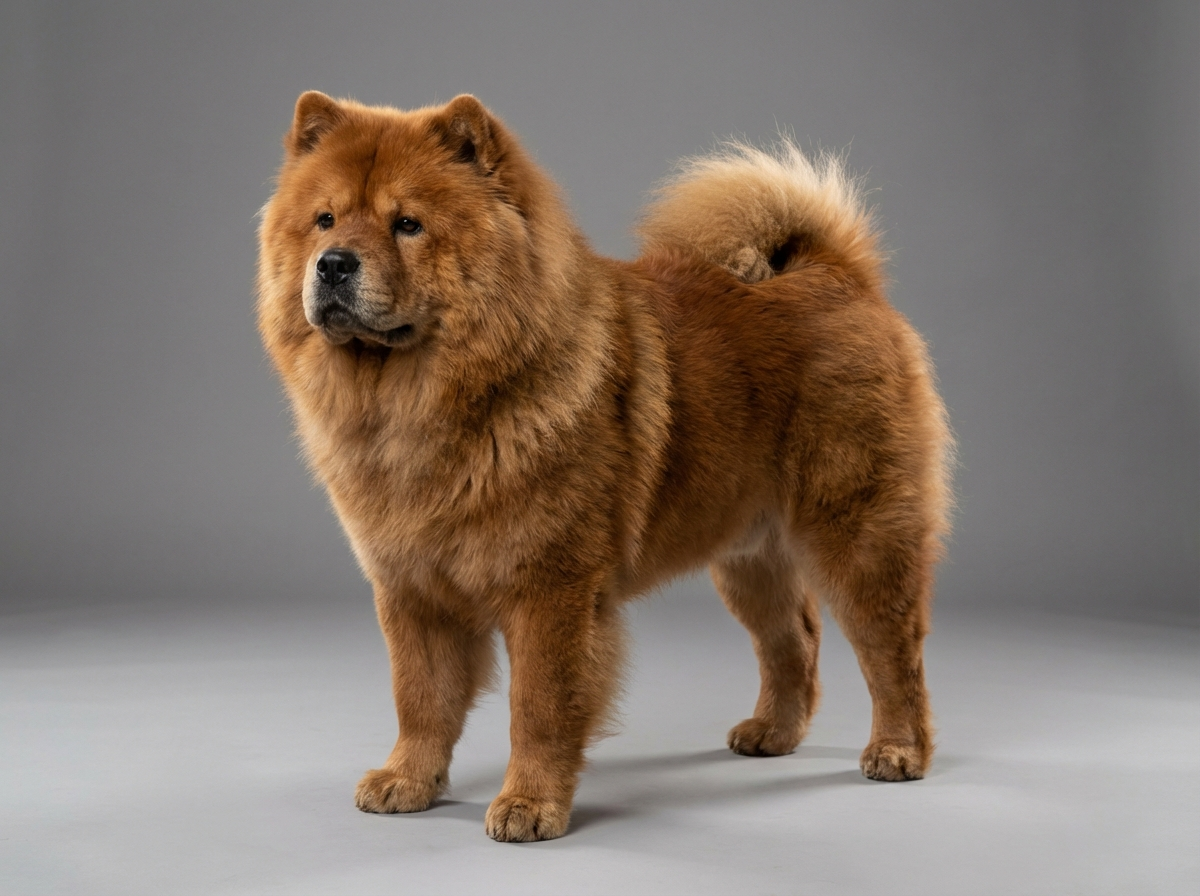
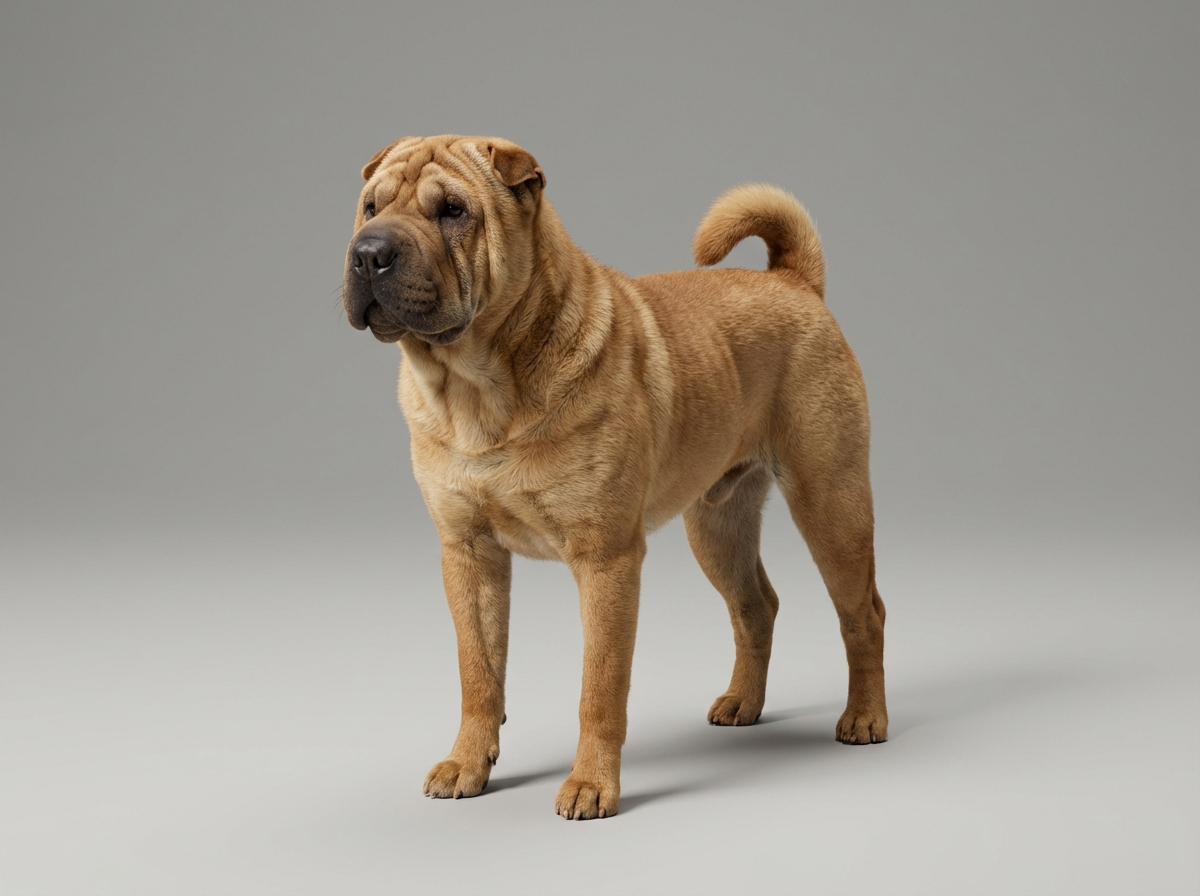
Health
My Chow suddenly cannot use his back legs. What now?
Go immediately to a clinic with MRI and spinal surgery capability. Move him supported on a rigid surface, do not let him walk, and note the exact time function was lost.

Quick answer
My Chow suddenly cannot use his back legs. What now?
Go immediately to a clinic with MRI and spinal surgery capability. Move him supported on a rigid surface, do not let him walk, and note the exact time function was lost.
If your Chow cannot move his back legs, the single most important variable is how many hours pass before a surgeon sees him.
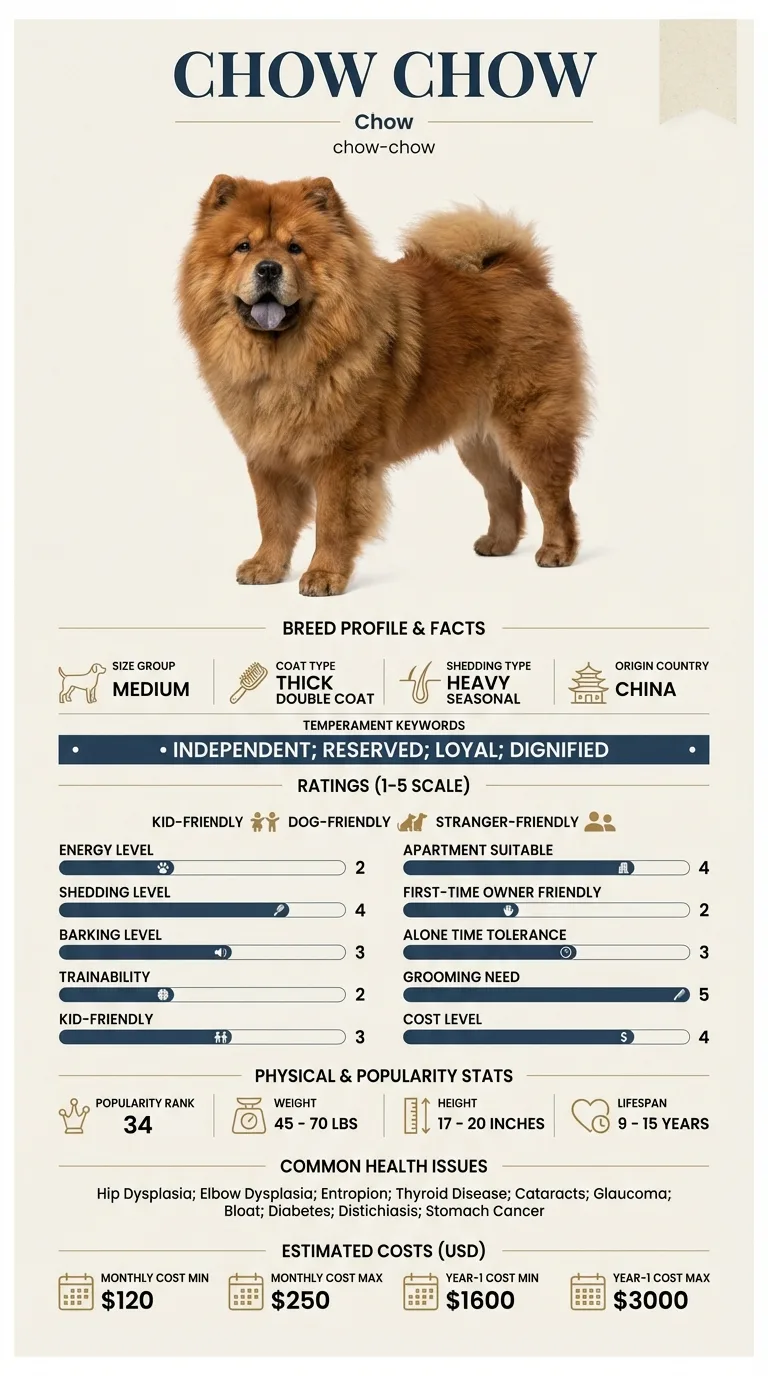
Anyone facing an acute collapse in the hindquarters right now, and owners of Chows who have read about this pattern and want to know whether their breed is genuinely at risk.
This guide is not medical advice. If your dog shows pain, sudden behavior change, or worsening symptoms, consult a licensed veterinarian.
Some links may be affiliate links. We may earn a commission at no extra cost to you. We only suggest products we believe are helpful for dog owners.
Type I intervertebral disc disease is the acute form: calcified disc material bursts into the spinal canal and strikes the cord, producing sudden pain, weakness or paralysis. It is a surgical emergency in dogs that lose the ability to walk, and the quality of the outcome depends more on elapsed time and on one neurological test than on anything an owner can do at home.
This pattern is uncommon in Chow Chows. It concentrates in chondrodystrophic breeds with a genetic variant driving early disc calcification, and disc disease of any type is absent from the Chow's ten documented health issues. The breed's compact, moderately proportioned build of 45 to 70 pounds on a 17 to 20 inch frame is not the conformation that drives it.
The mechanism requires disc material to have hardened, and that hardening is driven largely by chondrodystrophy, a conformational and genetic trait the Chow does not carry. What the Chow does contribute is mass and stoicism. Forty-five to seventy pounds landing on straight, heavily boned legs transmits real force through the vertebral column, and an independent, dignified temperament means the early back pain phase, which in another breed prompts a vet visit, may pass unreported. The breed's coat then hides the hunched posture and muscle change that would otherwise be visible from across a room.
Acute extrusions are usually associated with a movement rather than a place, but the household sets up the movement. Sofas and beds the dog jumps down from, car boots with a long drop, and hard slick floors at the landing point all raise the force involved. Off-lead contact with much larger dogs is a trauma route, which matters in a breed rated 2 out of 5 for dog friendliness and therefore more likely to be involved in a scuffle.
This condition is defined by its urgency. Go immediately, at any hour, for sudden inability to stand or walk, dragging of the hind legs, loss of bladder or bowel control, crying out on being touched or moved, or a dog who suddenly will not move at all. Ask specifically whether the clinic has MRI and a surgeon available tonight, and be prepared to be sent onward. Do not attempt the deep pain test yourself, and do not conclude anything from a leg that twitches. Do not give any medication from your own cupboard. If your dog has back pain but is still walking normally, book within twenty-four hours rather than tonight, and confine him strictly in the meantime.
See all Chow Chow health problems, which breeds are prone to intervertebral disc disease ivdd type i, or the full Chow Chow breed guide for temperament, exercise needs and ownership costs.
Decisions happen in hours. Surgery, when indicated, is usually performed the same day or overnight. Hospitalisation typically runs two to five days, with eight to twelve weeks of restricted activity and rehabilitation afterwards. Dogs that retained deep pain perception often walk again within two to six weeks; those that did not face a much longer and less certain course.
Success is measured in function rather than perfection. A dog who walks unaided, empties his bladder voluntarily and manages a short daily route is a good outcome even if his gait is permanently altered. Some dogs do well long-term with wheeled support, and that is a real life rather than a failure.
When a dog arrives unable to walk, a vet works through a hierarchy of nerve function that is lost in a predictable order. Voluntary movement goes first, then the ability to feel light touch, then bladder control, and last of all deep pain sensation, which travels in the most protected fibres deep in the cord. That order is why deep pain perception is the single most important prognostic finding in acute spinal injury.
The test is not what it sounds like. It is a firm, brief pinch of the toe or tail while watching for a conscious response: turning the head, vocalising, trying to bite. A leg pulling back is a reflex that happens entirely within the spinal cord and means nothing on its own, which is why owners who see the leg twitch often leave reassured when they should not be. Only the brain's reaction counts.
A dog that still has deep pain perception has a good chance of walking again with prompt surgical decompression. A dog that has lost it has a substantially worse outlook, and that outlook worsens further with every hour that passes. This is the reason emergency clinics triage acute paraplegia ahead of almost everything else, and the reason you should not wait for morning.

This list is for the phone in your hand while someone else fetches the car. Every item exists because it has cost somebody time in a real case.
If you think your Chow has intervertebral disc disease (ivdd) type i, the plan is three steps: write down what you have seen and when it started, book a veterinary appointment rather than waiting for the next flare, and take video of the behaviour or symptom before you go — the thing you are worried about rarely happens in the consulting room. Screening in the parents covers hip dysplasia, elbow dysplasia, entropion.
What the vet visit should produce is a diagnosis and a written plan, not just reassurance: what is being ruled out, what the monitoring interval is, and which signs mean you come back sooner. Ask what the treatment costs across a year rather than per visit, because that is the number that decides whether you are managing this condition or reacting to it.
Between appointments, keep a short log — dates, what you saw, what changed. It is the single most useful thing an owner brings to a follow-up, and for intervertebral disc disease (ivdd) type i it is often what separates a clear pattern from a guess.
Fen was six and had jumped off the same armchair every evening of his life. On a Thursday in November he landed badly on a wooden floor, yelped once, and within twenty minutes could not lift his hindquarters. His owner Marco did two things right. He did not let Fen drag himself outside, and he called the referral hospital forty minutes away rather than his local clinic five minutes away. He slid a baking tray and a rolled towel under Fen's back half and carried him flat. Fen was imaged ninety minutes after the injury and in surgery within three hours. He still had deep pain perception. He was standing with support on day four and walking unaided at five weeks. The armchair now has a ramp, and Marco keeps the referral number on the fridge.
Key takeaway: The decisions that changed this outcome were made before the car door closed: go to the hospital that can operate, and move the dog without letting him move himself.
Rarely. Type I is strongly associated with chondrodystrophic breeds, where a genetic variant calcifies disc material early. The Chow is not chondrodystrophic and disc disease is not among its ten documented health issues. It can still happen after trauma or in an unlucky individual, which is why the emergency response matters even though the risk is low.
No, and this is the most consequential misunderstanding in the whole subject. Withdrawing the leg is a spinal reflex that persists even when the cord is severed. Deep pain perception means the dog turns his head, cries, or reacts consciously. Only a vet should perform and interpret this test.
There is no single cut-off, but outcomes are consistently better the sooner decompression happens, and the loss of deep pain perception changes the calculation dramatically. Most surgeons treat acute paraplegia with absent deep pain as an emergency to be operated on within hours rather than the next day.
Mild cases with pain but preserved walking can sometimes be managed with strict confinement and prescribed pain control. A dog that cannot walk is a different situation, and delaying imaging in that dog to try conservative management is where recoverable cases become permanent ones.
Advanced imaging plus spinal surgery and hospitalisation is one of the largest bills in general practice referral, far beyond this breed's typical 120 to 250 dollar monthly running cost. This is precisely the scenario lifetime insurance exists for, and it is worth knowing your limit before you are standing at a referral desk.
Fibrocartilaginous embolism, spinal trauma, a tumour, a bleeding disorder or a vascular event can all present the same way. That is a reason for urgent imaging rather than reassurance, because several of those also have time-sensitive treatment.
Go immediately to a clinic with MRI and spinal surgery capability. Move him supported on a rigid surface, do not let him walk, and note the exact time function was lost.
No. Leg withdrawal is a spinal reflex and can persist even with a severed cord. Only a conscious reaction counts as deep pain perception.
Uncommon. Type I extrusion is a chondrodystrophic breed problem, and the Chow is not chondrodystrophic. Treat it as unlikely but not impossible.
No. Human anti-inflammatories are toxic to dogs and can complicate spinal treatment. Give nothing and travel now.
A one-page prep sheet for this condition: the signs, the questions to ask, what to get priced. Unlocks here.
You get: Vet visit prep sheet
No spam. One-click unsubscribe. See our privacy policy.
Preview page 1 before you decide.