Problem

German Shepherd Intervertebral Disc Disease (IVDD) Type I

German Shepherd intervertebral disc disease (IVDD) type I is a painful condition where herniated discs press on the spinal cord. This can lead to severe mobility issues and discomfort for your dog.

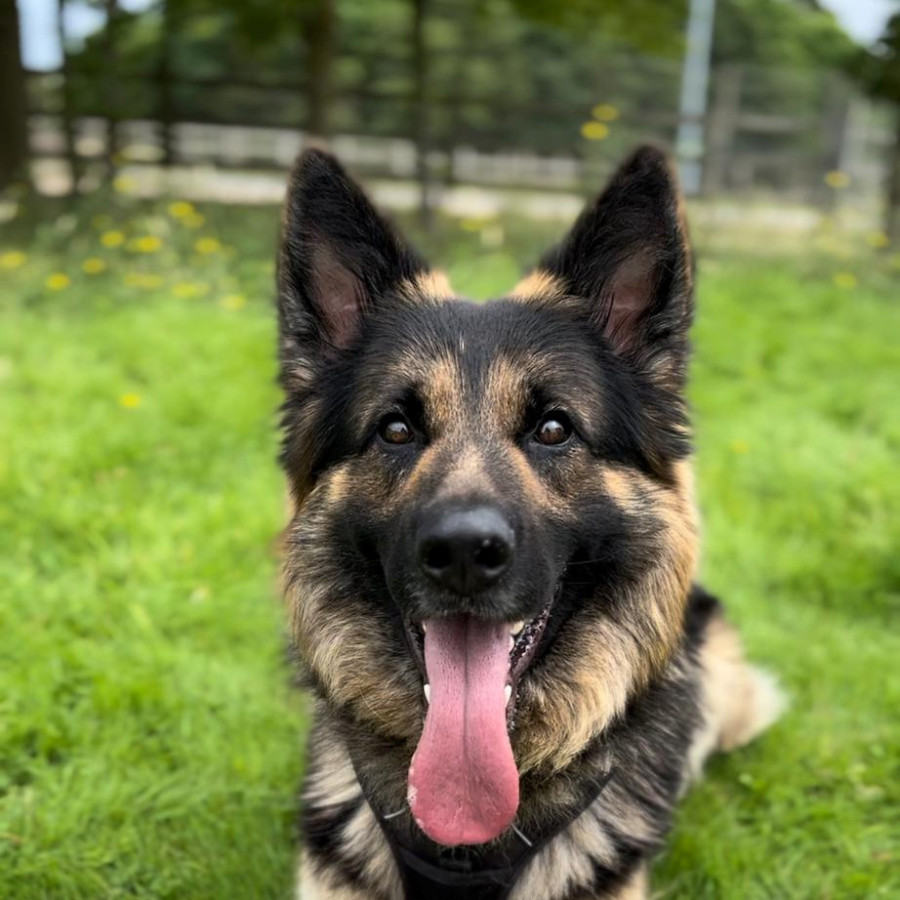
German Shepherd Intervertebral Disc Disease (IVDD) Type I photo

What you can try

Mistakes that make this worse

Certain behaviors can unintentionally worsen German Shepherd intervertebral disc disease (IVDD) type I. Here are common mistakes to avoid, along with safer alternatives.

When German Shepherd Intervertebral Disc Disease (IVDD) Type I Is an Emergency

Knowing when German Shepherd intervertebral disc disease (IVDD) type I is an emergency can save your dog's life. Immediate veterinary care is crucial if you notice any severe symptoms. These include sudden loss of coordination, inability to walk, or signs of extreme pain, such as yelping or reluctance to move.

If your dog is dragging its back legs or has lost bladder control, call your vet right away.

On the other hand, mild cases can often be monitored at home with a plan. If your German Shepherd shows slight hesitance to jump, occasional limping, or minor discomfort, observe them closely and provide a comfortable resting area. Make a note of any worsening symptoms and prepare to consult your vet if necessary.

Keeping your dog calm and avoiding strenuous activities can help in these situations.

It's essential to be proactive about your dog's health. Regular check-ups can help catch issues before they escalate. Consult your vet for tailored advice based on your dog's specific needs and lifestyle.

Always trust your instincts—if something feels off, don't hesitate to seek professional help.

German Shepherd Intervertebral Disc Disease (IVDD) Type I - When German Shepherd Intervertebral Disc Disease (IVDD) Type I Is an Emergency

Frequently asked questions

Why does my German Shepherd have intervertebral disc disease (ivdd) type i?

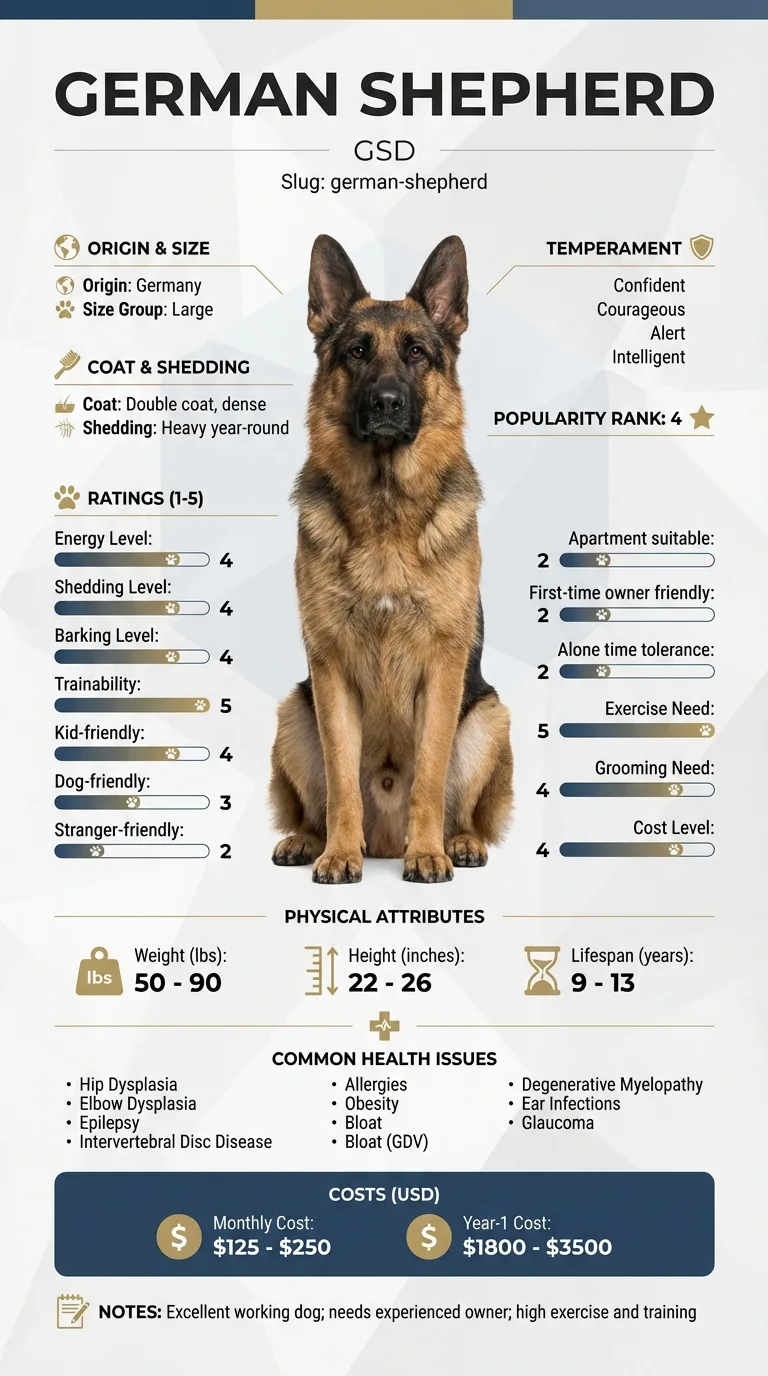
German Shepherd intervertebral disc disease (ivdd) type i is often due to genetic factors and their physical structure. The breed's weight and active lifestyle can lead to herniated discs, causing pain and mobility issues. Regular vet check-ups can help catch symptoms early.

How can I stop my German Shepherd from developing ivdd type i?

Preventing German Shepherd intervertebral disc disease (ivdd) type i involves maintaining a healthy weight and avoiding excessive jumping or rough play. Regular, low-impact exercise can strengthen their back muscles. Consult your vet for tailored advice on exercise and diet.

What are the symptoms of ivdd type i in German Shepherds?

Signs of German Shepherd intervertebral disc disease (ivdd) type i include difficulty walking, reluctance to jump, or signs of pain when handled. You might also notice changes in their behavior, like increased aggression or anxiety. If you see these symptoms, take your dog to the vet immediately.

What treatments are available for ivdd type i?

Treatment for German Shepherd intervertebral disc disease (ivdd) type i can include medication, physical therapy, or, in severe cases, surgery. Your vet will recommend the best course of action based on your dog's specific condition. Early intervention is key to successful recovery.

Can training help with ivdd type i in German Shepherds?

Yes, training can help manage German Shepherd intervertebral disc disease (ivdd) type i by reinforcing safe behaviors. Positive reinforcement techniques can encourage gentle play and discourage jumping. Always work with a trainer who understands your dog's condition.

What are the signs of German Shepherd intervertebral disc disease (ivdd) type i?

Common signs include difficulty walking, limping, or a wobbly gait. You may also notice your German Shepherd being less active or hesitant to jump or climb stairs.

How can I manage my German Shepherd’s pain from intervertebral disc disease (ivdd) type i?

Managing pain often involves a combination of medication, physical therapy, and restricted activity. Always consult with your vet for a tailored pain management plan.

Can older German Shepherds develop intervertebral disc disease (ivdd) type i?

Yes, older German Shepherds are at a higher risk for developing intervertebral disc disease (ivdd) type i due to age-related degeneration of the spine. Regular vet check-ups can help monitor their spinal health.

Should I consider surgery for my German Shepherd with intervertebral disc disease (ivdd) type i?

Surgery is often recommended for severe cases where mobility is significantly affected. Discuss the potential risks and benefits with your veterinarian to determine the best course of action.

Why does my German Shepherd have intervertebral disc disease (ivdd) type i?

German Shepherds are genetically predisposed to intervertebral disc disease (ivdd) type i, often due to their large size and body structure. Factors like obesity and lack of exercise can also contribute to the condition.