What are quick tips for managing ivdd in Jack Russell Terriers?
To manage ivdd, keep your dog at a healthy weight, limit high-impact activities, and provide a safe environment. Regular vet check-ups are essential for monitoring their spine health.
Jack Russell Terrier intervertebral disc disease (IVDD) type I is a serious condition that affects your dog's spine.

Owners of Jack Russell Terriers often face challenges with this condition, especially those who are unaware of the signs and risks. First-time dog owners, in particular, may struggle to recognize when their energetic companion is in pain or discomfort.
This guide is not medical advice. If your dog shows pain, sudden behavior change, or worsening symptoms, consult a licensed veterinarian.
Some links may be affiliate links. We may earn a commission at no extra cost to you. We only suggest products we believe are helpful for dog owners.
Jack Russell Terrier intervertebral disc disease (IVDD) type I is a serious condition where herniated discs press on the spinal cord. This can lead to pain, mobility issues, and even paralysis in severe cases. Owners may notice their JRT hesitating to jump or run, showing signs of discomfort, or having difficulty walking.
This condition is fairly common in Jack Russell Terriers, especially as they age or if they have a history of injuries. Studies suggest that smaller breeds like the JRT are more prone to IVDD, making it important for owners to be aware of the signs and symptoms.
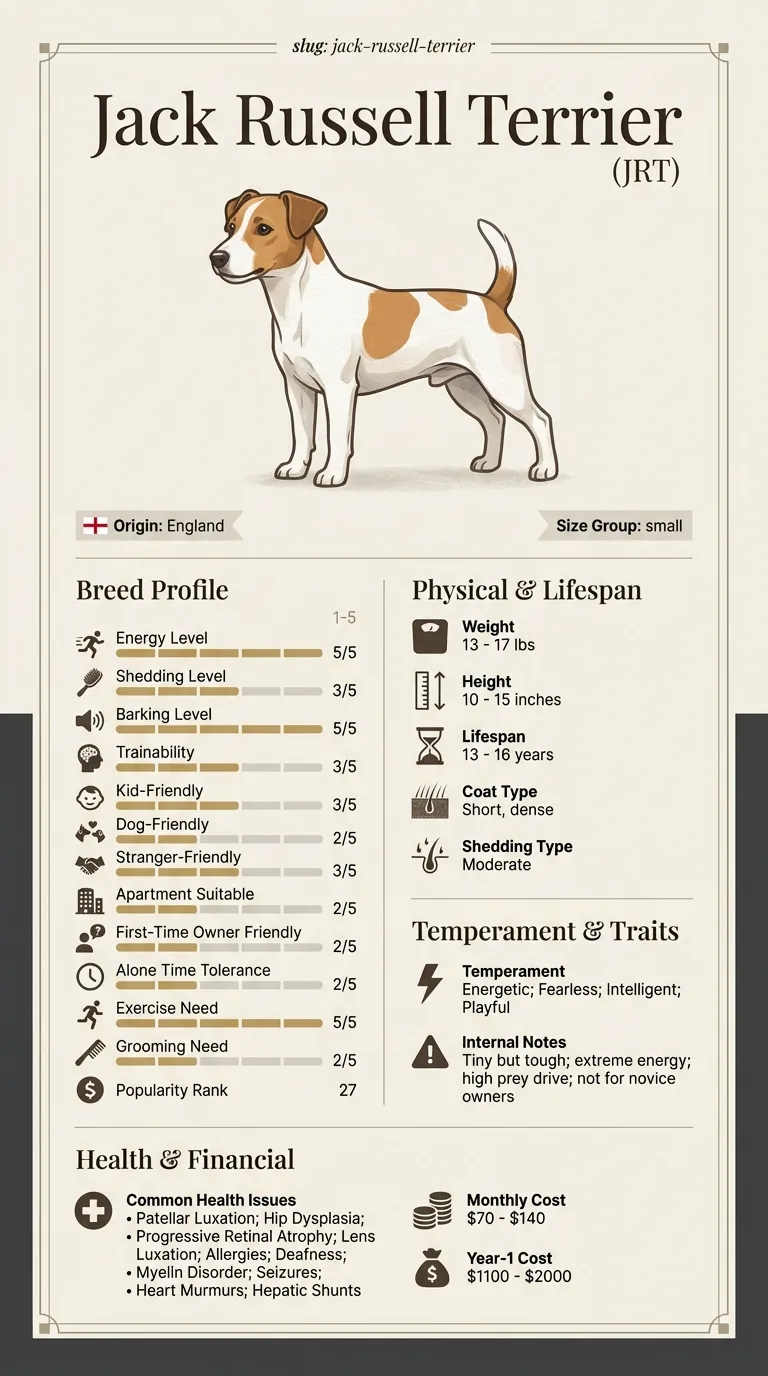
Jack Russell Terriers are small, energetic dogs with a high prey drive. Their active lifestyle can put extra stress on their spine, making them more prone to intervertebral disc disease (IVDD) type I. Additionally, their fearless nature often leads them to take risks that can exacerbate spinal issues.
Inappropriate exercise levels or rough play can lead to injury. Moreover, environments that lack proper support for their spine, such as slippery floors, can contribute to the development of IVDD. Weight gain can also increase the strain on their spine, heightening the risk of disc problems.
If your Jack Russell Terrier is showing signs of IVDD, consider consulting a professional trainer. A trainer can help modify your dog's exercise routine and provide guidance on safe activities to avoid exacerbating the condition.
If your dog shows symptoms like limping, difficulty walking, or pain when touched, contact your vet immediately. Early intervention is key to managing IVDD effectively. A veterinarian can recommend treatments or therapies based on your dog's specific needs.
You can expect noticeable improvement in your Jack Russell Terrier's mobility and comfort within 4 to 6 weeks of consistent management and care.
Success means your dog can move without pain, regain strength in their legs, and enjoy their usual activities, like playing and walking.
Avoid these common mistakes to help your Jack Russell Terrier manage intervertebral disc disease (IVDD) type I more effectively.
Recognizing when Jack Russell Terrier intervertebral disc disease (IVDD) type I becomes an emergency is crucial. If your dog shows sudden signs of severe pain, inability to walk, or has lost control of their bladder or bowels, these are red flags. In these cases, it’s essential to call your vet immediately for guidance and possible intervention.

If your Jack Russell Terrier shows mild symptoms like slight stiffness, occasional yelping, or reluctance to jump, you can monitor these signs. Create a comfortable resting area and limit their activity. Keep track of their condition, and if symptoms worsen or persist for more than a couple of days, contact your vet for advice.

Meet Sarah, a dedicated dog mom who noticed her lively Jack Russell Terrier, Max, struggling to jump onto the couch. After a vet visit, she learned Max had intervertebral disc disease (IVDD) type I. With a treatment plan that included physical therapy and controlled activity, Sarah diligently followed the vet's advice. Within a month, Max was back to his playful self, chasing after his favorite toys.
Key takeaway: If your Jack Russell Terrier shows signs of discomfort, early intervention and a solid care plan can make a significant difference in their recovery.

Jack Russell Terrier intervertebral disc disease (ivdd) type i occurs when herniated discs press on the spinal cord. This can lead to pain, weakness, or even paralysis. It's a common issue in small, active breeds like the JRT.
Genetics and the high activity level of Jack Russell Terriers can contribute to intervertebral disc disease (ivdd) type i. Their small size and physical demands put extra stress on their spine, increasing the risk of disc problems.
To help prevent ivdd, keep your Jack Russell Terrier at a healthy weight and minimize high-impact activities. Regular vet check-ups and avoiding excessive jumping can also protect their spine.
Symptoms may include back pain, difficulty walking, or loss of balance. If you notice your JRT is reluctant to move or seems in pain, it’s important to consult a veterinarian for an evaluation.
Treatment options range from rest and physical therapy to medication and, in severe cases, surgery. Your vet will recommend the best approach based on your dog's condition.
Providing a quiet, comfortable space is key during recovery. Controlled exercise and following your vet's guidance on physical therapy will help your JRT regain strength safely.
Early signs of IVDD type I in Jack Russell Terriers may include reluctance to jump, decreased activity, and back pain. You might also notice your dog having trouble walking or showing signs of discomfort when picked up. If you see these symptoms, consult your vet promptly.
Yes, a balanced diet can play a role in your Jack Russell Terrier's overall health, including their spine. Maintaining a healthy weight reduces stress on their joints and spine, potentially easing IVDD symptoms. Consult your vet for diet recommendations tailored to your dog's needs.
Treatment options for IVDD type I in older dogs depend on their overall health and the severity of the condition. Some may benefit from conservative management like physical therapy and medication, while others might require surgery. Always discuss treatment options with your vet.
To help your Jack Russell Terrier cope with IVDD type I, provide a comfortable, supportive bed and limit excessive jumping or rough play. Regular, gentle exercise can also maintain mobility. Consult with your vet for specific strategies tailored to your dog's condition.
Jack Russell Terriers may develop IVDD type I due to genetic predispositions, age, or injury. Their small, energetic bodies can put extra strain on their spines. Regular vet check-ups can help catch issues early and manage any health concerns effectively.
To manage ivdd, keep your dog at a healthy weight, limit high-impact activities, and provide a safe environment. Regular vet check-ups are essential for monitoring their spine health.
The cost of treating Jack Russell Terrier intervertebral disc disease (ivdd) type i can vary significantly, ranging from a few hundred dollars for conservative care to several thousand for surgery.
Yes, intervertebral disc disease (ivdd) can be hereditary, especially in breeds like the Jack Russell Terrier. Responsible breeding practices can help reduce the risk.
Training can play a role in managing ivdd by reinforcing gentle behaviors and limiting activities that strain the back. Positive reinforcement techniques are usually best.