Health
What are quick tips for managing Labradoodle intervertebral disc disease (IVDD) type I?
Keep your Labradoodle at a healthy weight and limit jumping to reduce strain on their back. Regular vet visits are crucial to monitor their spinal health.

Quick answer
What are quick tips for managing Labradoodle intervertebral disc disease (IVDD) type I?
Keep your Labradoodle at a healthy weight and limit jumping to reduce strain on their back. Regular vet visits are crucial to monitor their spinal health.
Labradoodle intervertebral disc disease (IVDD) type I is a serious condition that can affect your dog's mobility.
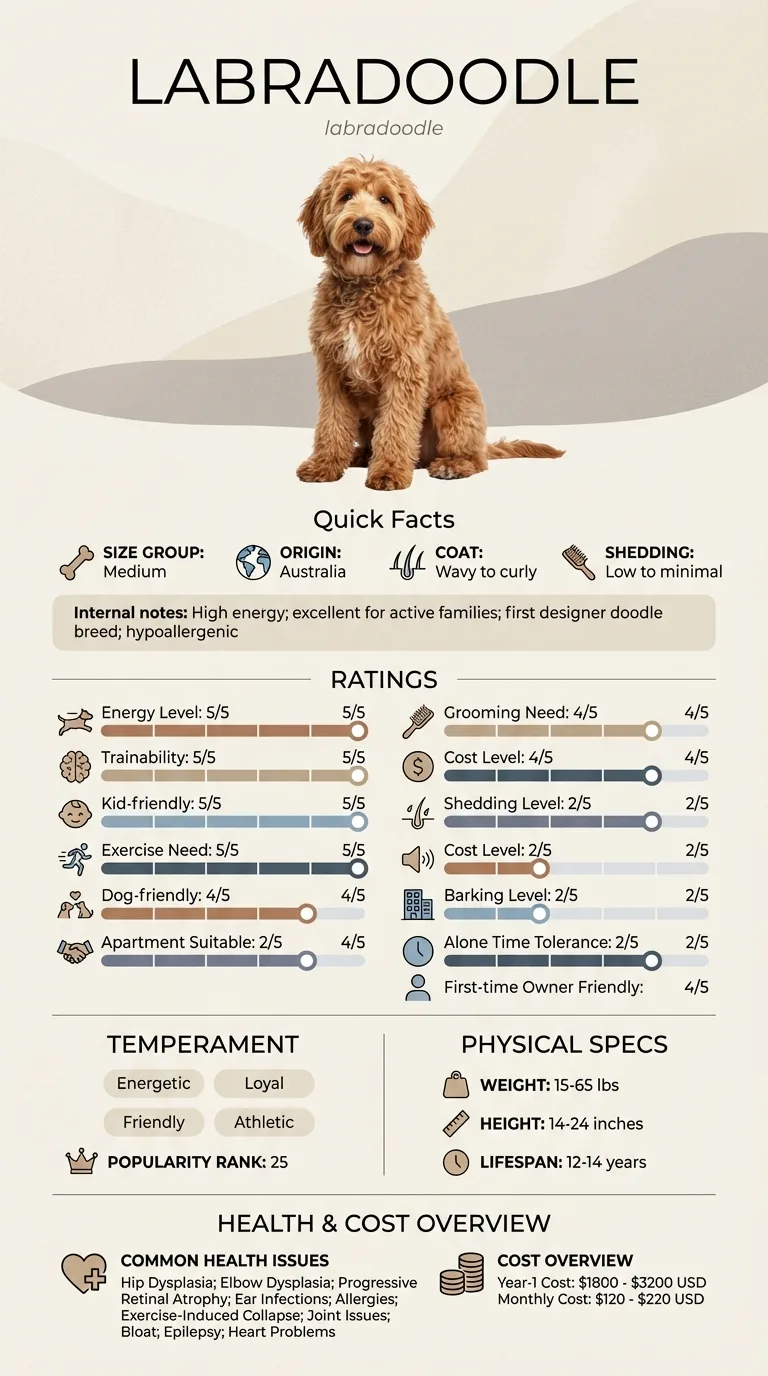
Owners of Labradoodles, especially those with active lifestyles or older dogs, often face challenges with IVDD type I. It can be especially concerning for families who enjoy outdoor activities, as these energetic dogs might push themselves too hard.
This guide is not medical advice. If your dog shows pain, sudden behavior change, or worsening symptoms, consult a licensed veterinarian.
Some links may be affiliate links. We may earn a commission at no extra cost to you. We only suggest products we believe are helpful for dog owners.
We research and check what we publish, but we do not warrant that any figure, date, price, or statement is accurate, complete, or current, and we accept no liability for any loss, cost, injury, or other harm arising from the use of this site. Use it as one reference among several. You remain responsible for your own decisions and for your dog's care - confirm anything that matters with a licensed veterinarian or another qualified professional before you act on it. Full disclaimer.
Check this first
Red-flag signs of an emergency include sudden loss of coordination in the back legs, severe pain when touched, or an inability to stand or walk. If your Labradoodle shows these symptoms, don’t wait—contact your vet right away. Other concerning signs are incontinence or a noticeable change in appetite or behavior. These can indicate serious complications and require prompt attention.
On the other hand, if your Labradoodle shows mild symptoms like slight stiffness or occasional difficulty jumping, it may be manageable at home. In these cases, closely monitor your dog's behavior and consider a plan that includes rest, gentle exercises, and possibly dietary adjustments. Keep track of any changes and consult your vet if symptoms worsen or do not improve.
In summary, it’s always better to err on the side of caution. If you’re unsure whether your Labradoodle’s condition is an emergency, don’t hesitate to reach out to your veterinarian. They can guide you on the best course of action based on your dog’s specific circumstances.
If any of these apply, call your vet or an emergency clinic now. The rest of this page is for the cases that are not an emergency.
Labradoodle intervertebral disc disease (IVDD) type I is a serious condition where herniated discs press on the spinal cord. This can lead to pain, weakness, or even paralysis in affected dogs. Daily life for a Labradoodle suffering from IVDD may involve difficulty walking, reluctance to jump, or changes in behavior due to discomfort.
IVDD is fairly common among Labradoodles, especially in those with a genetic background that predisposes them to spinal issues. Owners should be aware of this risk and monitor their pets for symptoms, particularly as they age.
Labradoodles are medium-sized dogs with a genetic predisposition to certain health issues, including intervertebral disc disease (IVDD) type I. Their unique combination of Labrador and Poodle genes can lead to structural weaknesses in their spines. This breed's energetic nature and active lifestyle can also put extra strain on their backs, increasing the risk of herniated discs.
Environmental factors like obesity, lack of exercise, or improper lifting can contribute to IVDD type I in Labradoodles. If a dog is overweight, the added pressure on their spine can lead to disc problems. Additionally, engaging in high-impact activities without proper training can further exacerbate the risk of injury.
If you notice any symptoms like limping, decreased mobility, or signs of pain, it's important to talk to your vet. They can assess the situation and may recommend diagnostic imaging or a treatment plan. Early intervention can make a significant difference in managing IVDD type I.
Avoiding common pitfalls can help manage Labradoodle intervertebral disc disease (IVDD) type I effectively. Here are some mistakes to steer clear of, along with safer alternatives.
Start here: Labradoodle Most Common Genetic Disorders: Screening
See all Labradoodle health problems, which breeds are prone to intervertebral disc disease ivdd type i, or the full Labradoodle breed guide for temperament, exercise needs and ownership costs.
Managing Labradoodle intervertebral disc disease (ivdd) type i typically takes several weeks to months. Initial improvements may be seen within a few weeks of starting treatment, but full recovery can take several months, depending on the severity of the condition.
Success looks like your Labradoodle regaining mobility and comfort. They should show reduced pain and increased activity levels, allowing for a more normal lifestyle.
When Sarah adopted Lucy, her lively Labradoodle, she quickly fell in love. However, after a few months, Lucy started to show signs of pain, struggling to jump onto the couch or play fetch. After a vet visit, Sarah learned that Lucy had intervertebral disc disease (ivdd) type i. Determined to help her furry friend, Sarah followed a strict treatment plan that included medication, physical therapy, and adjustments to Lucy's activity levels. Over time, Lucy regained her strength and was back to her playful self, reminding Sarah of the importance of patience and proper care.
Key takeaway: With consistent management and veterinary support, many Labradoodles can overcome intervertebral disc disease (ivdd) type i and lead happy lives.
Labradoodles can develop intervertebral disc disease (IVDD) type I due to genetic predispositions, age, and lifestyle factors. Heavy exercise or jumping can increase the risk of herniated discs. Regular vet check-ups can help monitor their spinal health.
To reduce the risk of IVDD type I, keep your Labradoodle at a healthy weight and minimize high-impact activities. Providing a balanced diet and ensuring proper warm-ups before exercise can also help. Consult your vet for specific recommendations tailored to your dog's needs.
Symptoms of IVDD type I may include pain, weakness, or difficulty walking. You might also notice your Labradoodle being less active or having trouble jumping or climbing stairs. If you observe these signs, it’s essential to visit your vet promptly.
Yes, IVDD type I can be treated through various methods, including rest, medications, and physical therapy. In severe cases, surgery may be necessary. Always consult your veterinarian to determine the best course of action for your dog's condition.
Training for a Labradoodle with IVDD type I should focus on gentle exercises that strengthen the core and back muscles without putting stress on the spine. Low-impact activities, like swimming, can be beneficial. Always follow guidance from your vet or a professional dog trainer.
Early signs of Labradoodle intervertebral disc disease (ivdd) type i may include reluctance to jump or climb stairs, decreased activity, and signs of pain when touched along the back. If you notice these changes, it's important to consult your vet as soon as possible.
Yes, many Labradoodles can recover from intervertebral disc disease (ivdd) type i, especially with early intervention. Treatment options often include rest, physical therapy, and in some cases, surgery. Your veterinarian will help determine the best approach based on your dog's specific condition.
Intervertebral disc disease (ivdd) type i can be more common in older Labradoodles, but it can also affect younger dogs. Factors such as genetics and activity level play a role. Regular vet check-ups can help monitor your dog's spine health as they age.
To help your Labradoodle with intervertebral disc disease (ivdd) type i feel more comfortable, provide a soft and supportive bed, limit jumping and running, and consider using a harness for walks. Consult your vet about pain management options to improve their quality of life.
To help prevent Labradoodle intervertebral disc disease (ivdd) type i, ensure your dog maintains a healthy weight, engages in regular low-impact exercise, and avoids high-impact activities. Regular check-ups with your vet can also help catch any issues early.
Keep your Labradoodle at a healthy weight and limit jumping to reduce strain on their back. Regular vet visits are crucial to monitor their spinal health.
Watch for symptoms like back pain, reluctance to move, or difficulty walking. Early detection can lead to better treatment outcomes.
Treatment costs can vary widely, typically ranging from a few hundred dollars for conservative management to several thousand for surgery. Always discuss costs with your vet.
Focus on low-impact exercises like swimming or walking on soft surfaces. Avoid high-impact activities that could exacerbate their condition.
A one-page prep sheet for this condition: the signs, the questions to ask, what to get priced. Unlocks here.
You get: Vet visit prep sheet
No spam. One-click unsubscribe. See our privacy policy.
Preview page 1 before you decide.