DogBreedCompass
← Back to breed profile

Maltese Intervertebral Disc Disease (IVDD) Type I: What You Need to Know

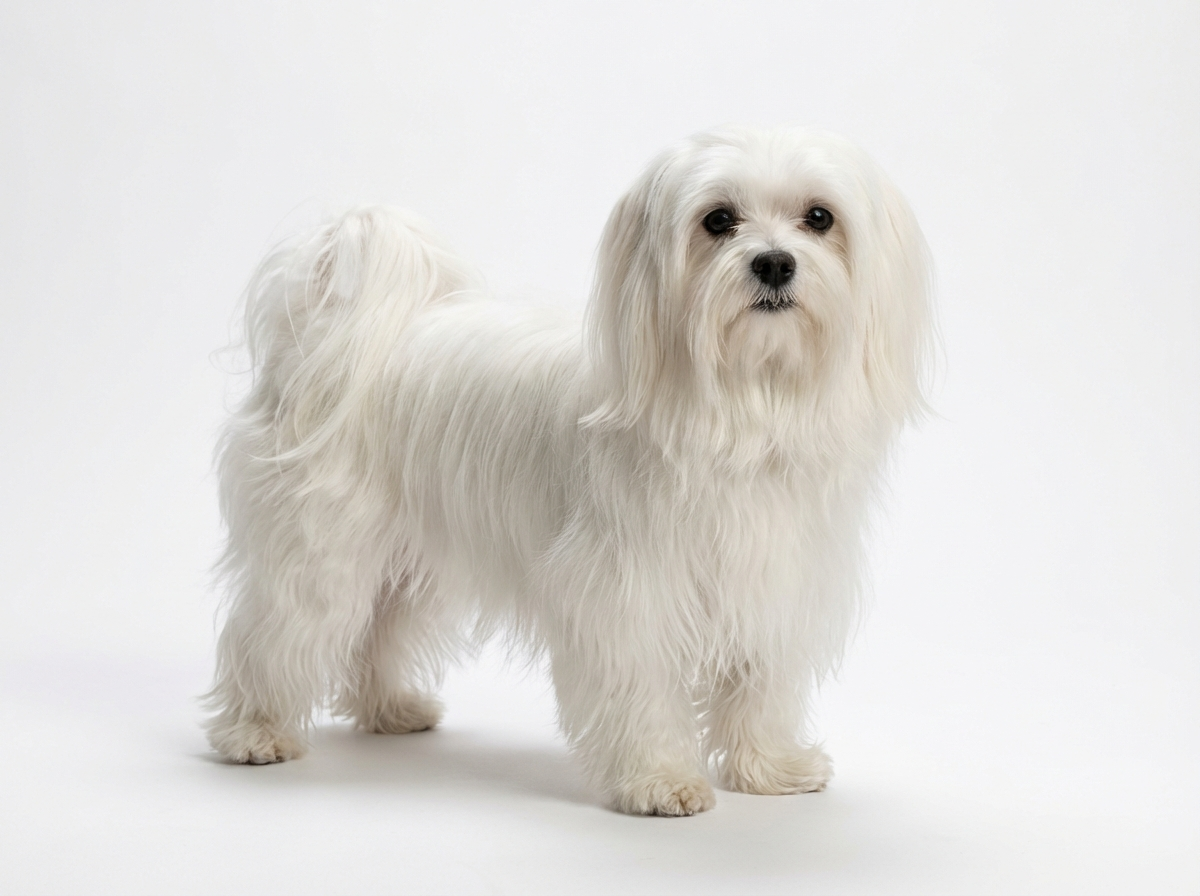
Maltese intervertebral disc disease (IVDD) type I is a serious condition that affects your dog's spine. Understanding this issue is crucial for their health and well-being.

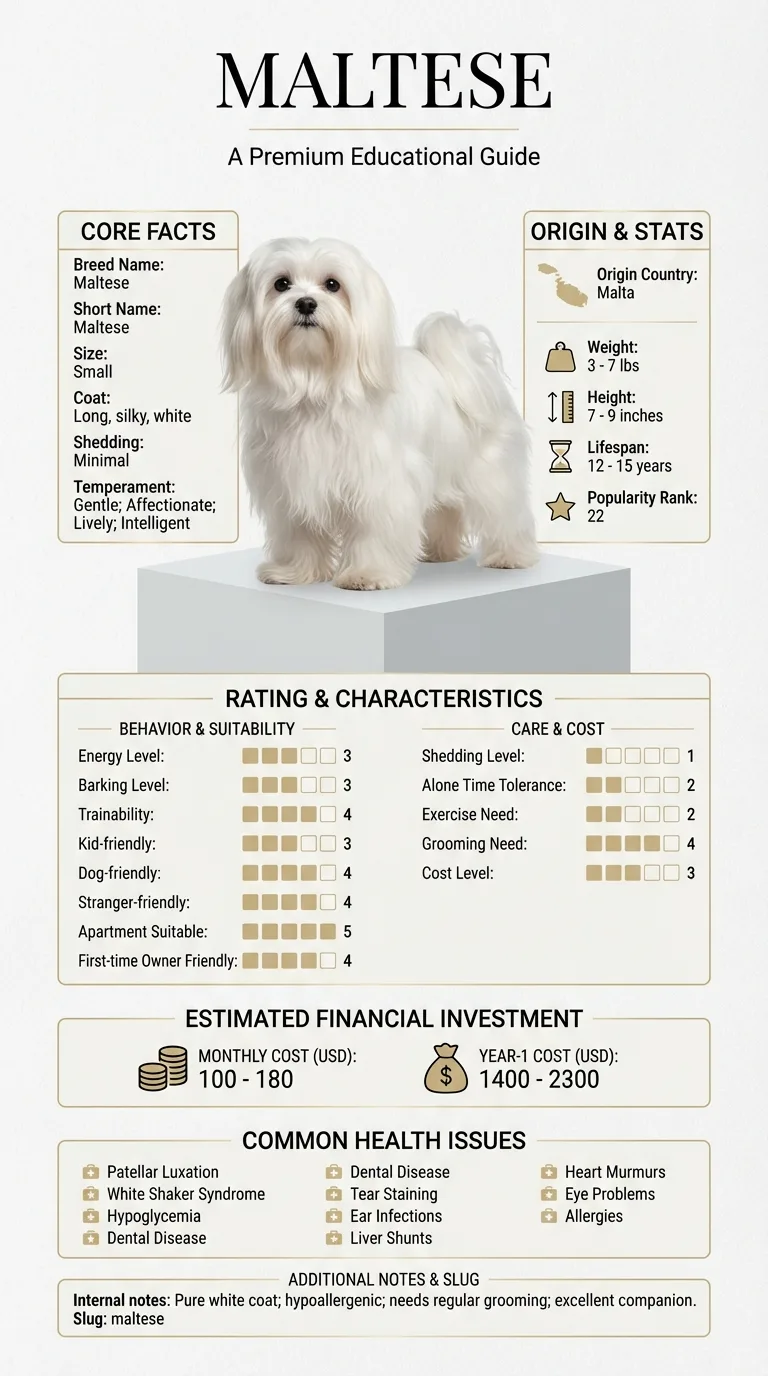
Maltese Intervertebral Disc Disease (IVDD) Type I: What You Need to Know infographic

Owners of Maltese dogs often face this challenge, especially those with older pets or dogs that engage in high-energy activities. If you're a first-time dog owner or if your Maltese has a history of back issues, this information is particularly important for you.

Important reminder

This guide is not medical advice. If your dog shows pain, sudden behavior change, or worsening symptoms, consult a licensed veterinarian.

Some links may be affiliate links. We may earn a commission at no extra cost to you. We only suggest products we believe are helpful for dog owners.

What this problem looks like

Maltese intervertebral disc disease (IVDD) type I can be a challenging condition for both dogs and their owners. This disease occurs when discs in the spine herniate, putting pressure on the spinal cord. Day-to-day, this can manifest as back pain, reluctance to jump or play, and even difficulty walking.

Common triggers

  • Obesity, which adds stress to the spine
  • High-impact activities that strain the back
  • Genetic predisposition in small breeds like the Maltese
  • Sudden movements or falls

Intervertebral disc disease (IVDD) type I is relatively common in Maltese dogs, particularly as they age. Many owners report seeing signs of discomfort or mobility issues by the time their dog is 5-7 years old. Early intervention can help manage symptoms and improve quality of life.

Why this happens

Breed factors

Maltese dogs are small and have long backs, which makes them more vulnerable to intervertebral disc disease (IVDD) type I. Their genetic predisposition contributes to a higher likelihood of disc herniation, especially as they age.

Environment factors

Environmental factors such as excessive jumping, rough play, or being overweight can increase the risk of developing IVDD in Maltese dogs. Additionally, a lack of proper support during activities can lead to injury.

What you can try

At-home strategies

  • Limit your Maltese's jumping and rough play to reduce stress on their spine.
  • Create a safe environment with ramps or steps to help them access furniture without jumping.
  • Maintain a healthy diet and manage their weight to prevent unnecessary strain on their back.
  • Incorporate gentle, low-impact exercises, like short walks, to keep them active without risking injury.
  • Regularly groom your Maltese to ensure their coat stays healthy and to check for any signs of discomfort.

When to consider a trainer

If your Maltese is displaying signs of anxiety or is resistant to following commands, consider hiring a trainer who specializes in small breeds. They can help ensure your dog is well-behaved and comfortable during physical activities.

When to talk to your vet

If your Maltese shows signs of pain, such as yelping when touched, reluctance to move, or difficulty walking, contact your vet immediately. Early intervention is key in managing IVDD and preventing further complications.

Realistic expectations

Managing Maltese intervertebral disc disease (IVDD) type I typically takes several weeks to months. Initially, you may notice improvements within the first few weeks of treatment, but full recovery can take several months depending on the severity.

Success means your Maltese regains mobility, shows reduced pain, and returns to normal activities. You should see your dog moving comfortably and engaging in play without signs of distress.

Mistakes that make this worse

Understanding and addressing Maltese intervertebral disc disease (IVDD) type I requires careful attention. Here are common mistakes that can worsen the situation, along with safer alternatives.

  • Ignoring early symptoms: Many owners overlook initial signs like reluctance to jump or play. Instead, monitor your Maltese closely for changes and consult your vet promptly.
  • Overexerting your dog: Some owners believe more exercise will strengthen their dog’s back. However, excessive activity can lead to further injury. Stick to gentle walks and low-impact play.
  • Neglecting weight management: Keeping your Maltese at a healthy weight is crucial. Overweight dogs are at greater risk for IVDD complications. Ensure a balanced diet and regular vet check-ups.
  • Skipping regular vet visits: Regular check-ups are essential for early detection of health issues. Don’t wait for symptoms to worsen before seeing a vet. Schedule routine visits for preventive care.
  • Using harsh training methods: Some owners may resort to harsh training techniques out of frustration. This can increase stress and anxiety, making the problem worse. Focus on positive reinforcement instead.
  • Lack of proper support when lifting: Owners often lift their Maltese without proper support, risking injury. Always support their back and hindquarters when picking them up or placing them down.

When Maltese Intervertebral Disc Disease (IVDD) Type I is an Emergency

Recognizing when your Maltese is in distress due to intervertebral disc disease (IVDD) type I can be crucial. There are clear signs that indicate it’s time to call your vet immediately. If your dog shows severe pain, refuses to move, or has difficulty standing or walking, these are red flags. Additionally, if you observe weakness in the back legs, loss of bladder control, or your dog appears to be in any sort of distress, don’t hesitate to seek veterinary help right away. These symptoms can mean that the condition has escalated and requires urgent attention.

On the other hand, there are symptoms that can be monitored at home. Mild signs such as slight reluctance to jump, minor stiffness after resting, or occasional yelping can be indicative of IVDD but may not require immediate veterinary intervention. In these cases, it’s essential to keep a close eye on your Maltese, adjust their activity level, and observe for any changes in behavior or mobility. If the symptoms worsen or persist over a few days, it’s wise to consult your vet for guidance. Maintaining a watchful eye can help you differentiate between urgent situations and those that can be managed with a little patience.

Maltese Intervertebral Disc Disease (IVDD) Type I: What You Need to Know - When Maltese Intervertebral Disc Disease (IVDD) Type I is an Emergency

A Caring Journey with Daisy

When Sarah, a first-time Maltese owner, noticed that her pup Daisy was struggling to jump on the couch and whimpering in pain, she quickly became concerned. After a vet visit confirmed Daisy had IVDD type I, Sarah felt overwhelmed but determined to help her furry friend. With a treatment plan that included rest, medication, and gradual rehabilitation exercises, Sarah dedicated herself to Daisy’s recovery. After several weeks of consistent care, Daisy was back to her lively self, happily chasing toys around the house.

Key takeaway: With patience, dedication, and proper care, it's possible to manage Maltese intervertebral disc disease (IVDD) type I and help your dog live comfortably.

Frequently asked questions

Why does my Maltese have intervertebral disc disease (IVDD) type I?

Maltese intervertebral disc disease (IVDD) type I often occurs due to genetic predispositions and the breed's small size. The condition involves herniated discs that press on the spinal cord, causing pain and mobility issues. Regular vet check-ups can help catch early signs of this problem.

How can I prevent my Maltese from developing IVDD type I?

To help stop Maltese intervertebral disc disease (IVDD) type I, avoid high-impact activities and jumping from heights. Maintain a healthy weight through proper diet and regular exercise. Additionally, consider using dog ramps for furniture to minimize strain on their spine.

What are the symptoms of IVDD type I in Maltese dogs?

Symptoms of IVDD type I include back pain, difficulty walking, and reluctance to jump or play. You might also notice changes in appetite or behavior. If you observe these signs, consult your vet for a thorough evaluation.

What treatments are available for Maltese with IVDD type I?

Treatment options for Maltese intervertebral disc disease (IVDD) type I can include medication for pain relief, physical therapy, or even surgery in severe cases. Your vet will recommend the best approach based on your dog's condition. Regular follow-up appointments are crucial to monitor progress.

Can training help a Maltese with IVDD type I?

Yes, training can assist in managing Maltese intervertebral disc disease (IVDD) type I. Focus on low-impact activities and strengthening exercises that support their back. Consult a professional trainer familiar with IVDD to create a tailored training plan.

What are the early signs of Maltese intervertebral disc disease (ivdd) type i?

Early signs of Maltese intervertebral disc disease (ivdd) type i include reluctance to move, yelping when touched, or changes in posture. You might also notice difficulty with jumping or a wobbly gait. If you see these signs, consult your vet for an evaluation.

Can Maltese intervertebral disc disease (ivdd) type i be managed without surgery?

In some cases, Maltese intervertebral disc disease (ivdd) type i can be managed without surgery through strict rest, pain management, and physical therapy. However, this approach may not work for all dogs, especially if the disease is advanced. Always work closely with your veterinarian to find the best plan.

Is intervertebral disc disease (ivdd) type i common in older Maltese?

Yes, intervertebral disc disease (ivdd) type i is more common in older Maltese due to age-related wear and tear on their spine. Regular check-ups are important for older dogs to catch any issues early. Your vet can suggest preventive measures and treatments tailored to your dog's needs.

How can I support my Maltese recovering from intervertebral disc disease (ivdd) type i?

Supporting your Maltese during recovery from intervertebral disc disease (ivdd) type i includes providing a quiet, comfortable space and helping them with mobility. Physical therapy and prescribed exercises can also aid recovery. Always follow your vet's guidance for the best outcomes.

What long-term effects can I expect from Maltese intervertebral disc disease (ivdd) type i?

Long-term effects of Maltese intervertebral disc disease (ivdd) type i can vary. Some dogs recover fully, while others may experience ongoing pain or mobility issues. Regular vet visits and an appropriate management plan can help maintain your dog's quality of life.

Quick answers

View more answers
Behavior

What are quick tips for Maltese intervertebral disc disease (IVDD) type I?

To manage Maltese intervertebral disc disease (IVDD) type I, avoid high jumps and maintain a healthy weight. Regular vet visits and gentle exercises can also help keep their spine healthy.

Living

How can I help my Maltese with IVDD type I?

Provide a supportive environment with soft bedding and ramps for easy access to furniture. Keep your Maltese calm and avoid excessive activity to reduce strain on their back.

Health

What should I watch for in my Maltese with IVDD type I?

Watch for signs of pain, such as whining or reluctance to move. If they show sudden weakness or difficulty walking, seek veterinary help immediately.

Related DogBreedCompass guides

  • Maltese separation anxiety guideLearn more about how to manage your Maltese's anxiety, which can be related to IVDD.
  • Maltese behavior problemsExplore common behavior problems in Maltese dogs, including those related to health issues.
  • Maltese cost breakdownUnderstand the typical costs associated with owning a Maltese, including health care for IVDD.
  • Maltese training tipsDiscover training methods that can help prevent issues related to Maltese intervertebral disc disease.
  • Intervertebral disc disease in dogsFind out more about intervertebral disc disease in other breeds to compare symptoms and treatments.

Related guides