Costs
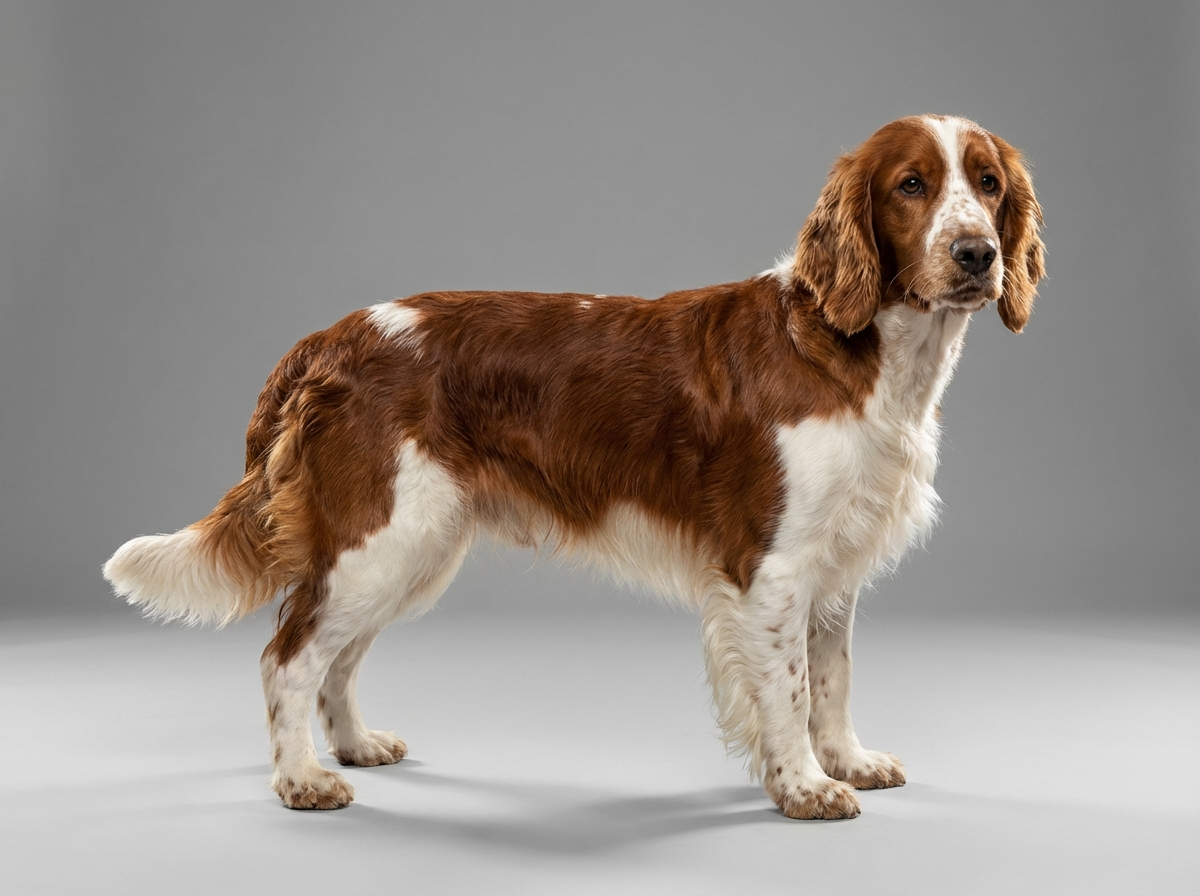
What health issues do Welsh Springer Spaniels file insurance claims for most?
Hip dysplasia and other orthopedic issues generate the largest claims, while ear infections are the most frequent claim category for this breed.

Quick answer
What health issues do Welsh Springer Spaniels file insurance claims for most?
Hip dysplasia and other orthopedic issues generate the largest claims, while ear infections are the most frequent claim category for this breed.
The conditions that show up most often on this breed's vet bills are rarely a surprise once you know what its documented health issues actually are.
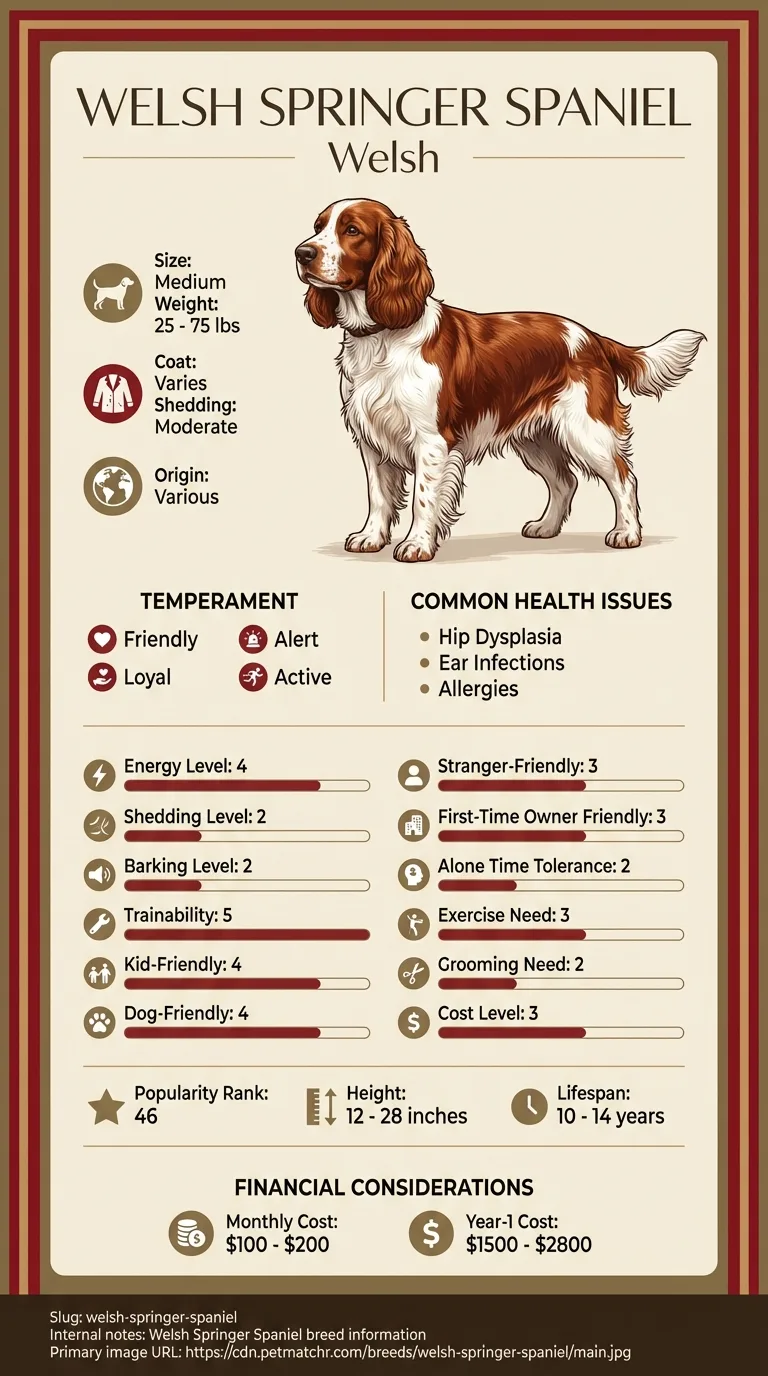
New owners comparing insurance plans and current owners deciding whether to upgrade coverage after a diagnosis both need a clear picture of what this breed typically files claims for.
This guide is not medical advice. If your dog shows pain, sudden behavior change, or worsening symptoms, consult a licensed veterinarian.
Some links may be affiliate links. We may earn a commission at no extra cost to you. We only suggest products we believe are helpful for dog owners.
We research and check what we publish, but we do not warrant that any figure, date, price, or statement is accurate, complete, or current, and we accept no liability for any loss, cost, injury, or other harm arising from the use of this site. Use it as one reference among several. You remain responsible for your own decisions and for your dog's care - confirm anything that matters with a licensed veterinarian or another qualified professional before you act on it. Full disclaimer.
Insurance claim patterns for Welsh Springer Spaniels tend to follow the breed's documented health issues closely, with orthopedic conditions like hip dysplasia generating the largest individual claims, ear infections generating the most frequent claims, and chronic conditions like hypothyroidism and epilepsy generating steady, predictable ongoing costs.
While exact claim-rate data varies by insurer, the pattern of claims for this breed tracks closely with its documented health list, making orthopedic and ear-related claims the most predictable categories owners are likely to encounter over a dog's lifetime.
Because Welsh Springer Spaniels carry documented predispositions to hip dysplasia, ear infections, epilepsy, glaucoma, and hypothyroidism, insurance claim patterns for the breed tend to mirror that same list closely, with orthopedic and ear-related claims appearing most often and chronic conditions generating steady, ongoing costs.
How much any individual dog actually costs in claims depends heavily on when insurance was purchased relative to any diagnosis, since late enrollment after symptoms appear typically means a condition is excluded as pre-existing regardless of how common it is breed-wide.
Ask your vet directly which conditions they see most often in this breed locally, since regional and individual-line patterns can shift the picture somewhat from general breed data. This topic itself is not a medical emergency, but any actual symptoms your dog shows should always be evaluated on their own urgency, regardless of insurance status.
See all Welsh Springer Spaniel health problems, which breeds are prone to insurance claims, or the full Welsh Springer Spaniel breed guide for temperament, exercise needs and ownership costs.
Claim patterns typically become clear over a dog's first few years of coverage, once routine care gives way to the breed's more predictable chronic and orthopedic issues in middle age.
Success looks like choosing a policy upfront that actually covers this breed's most likely claim categories, so a diagnosis later in life becomes a covered expense rather than a financial surprise.
Insurance claims tend to cluster around a breed's documented conditions, and for the Welsh Springer Spaniel that means orthopedic issues like hip dysplasia lead the pack, since joint conditions generate repeat visits, imaging, and sometimes long-term medication or surgery costs that add up over a dog's life. Ear infections are a close second in claim frequency, not because any single visit is expensive, but because this breed's pendulous ears mean recurring vet visits for cleaning, medication, and the occasional stubborn infection that needs a longer treatment course.
Chronic conditions like epilepsy and hypothyroidism generate a different claim pattern: lower cost per visit, but ongoing, predictable costs for medication and periodic bloodwork that continue for the rest of the dog's life. Glaucoma, while less common, tends to generate the highest single-incident claims when it does occur, since emergency treatment and specialist referral for eye pressure issues can be costly.
Understanding this pattern matters most at the policy shopping stage, since some insurers cap or exclude coverage for conditions already flagged as breed-predisposed, and knowing which categories are most likely to matter for this specific breed helps an owner ask the right questions before signing up rather than after a diagnosis.

Because this breed's most likely claims fall into a few predictable categories, shopping for a policy becomes far more concrete once you know what to look for.
When Julia insured her Welsh Springer puppy, Sadie, she chose the cheapest plan available, assuming a young, healthy dog wouldn't need much coverage for years. At eighteen months, Sadie developed a persistent ear infection that needed weeks of treatment, and Julia realized her plan's low annual cap for chronic conditions barely covered it. She switched to a more comprehensive policy at renewal, this time reading the hereditary condition and orthopedic coverage sections carefully before signing. Two years later, when Sadie was diagnosed with mild hip dysplasia, the new policy covered the imaging and ongoing management costs in full. Julia now tells other Welsh Springer owners the same thing: read the exclusions before the diagnosis, not after.
Key takeaway: A policy's value for this breed shows up in exactly the categories its documented health list predicts, so comparing coverage against that list before enrolling matters more than comparing price alone.
Orthopedic issues, especially hip dysplasia, generate the largest claims due to imaging, ongoing management, and occasional surgery. Ear infections are the most frequent, if individually smaller, claim category for this breed.
Enroll as early as possible, ideally before any symptoms appear, since anything diagnosed before coverage starts or during a waiting period is typically excluded as pre-existing.
Sometimes. Some insurers exclude or cap coverage for conditions with strong breed predisposition, like hip dysplasia, so it is worth confirming this specifically before choosing a plan.
Yes, usually as ongoing management rather than a one-time claim. Coverage of chronic medication and periodic bloodwork varies by insurer, so confirm this detail before you need it.
Because it is less common than orthopedic or ear issues but tends to require urgent, specialist-level treatment when it does occur, generating a higher cost per incident even though it happens less often.
Keep every receipt and vet record from day one, submit claims promptly, and follow up in writing if a claim is delayed or partially denied, referencing your policy's specific coverage language.
Hip dysplasia and other orthopedic issues generate the largest claims, while ear infections are the most frequent claim category for this breed.
Enroll as early as possible, ideally as a puppy, since anything diagnosed before coverage starts is typically excluded as pre-existing.
Sometimes, since many insurers cap or exclude coverage for conditions strongly linked to a breed, so confirm this specific detail before enrolling.
Coverage varies by insurer, but ongoing conditions like hypothyroidism and epilepsy usually need to be confirmed as covered for continuing management, not just the initial diagnosis.
Keep complete vet records from the start, submit claims promptly, and follow up in writing referencing your specific policy language if a claim is disputed.
A one-page prep sheet for this condition: the signs, the questions to ask, what to get priced. Unlocks here.
You get: Vet visit prep sheet
No spam. One-click unsubscribe. See our privacy policy.
Preview page 1 before you decide.