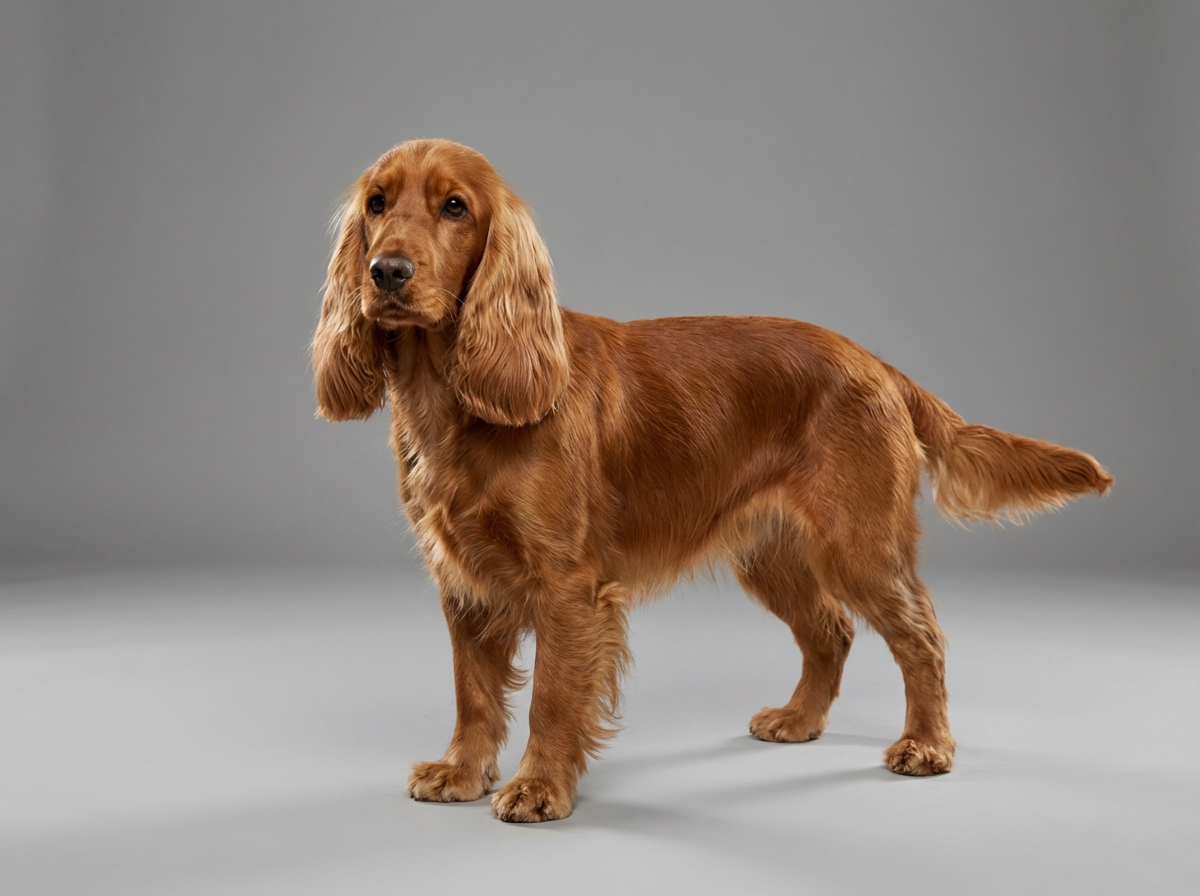
Health
Why do Welsh Springer Spaniels get fold-related skin infections?
Long, pendulous ears and lip folds trap moisture and block airflow, creating damp pockets where bacteria and yeast multiply beyond their normal, harmless numbers.

Quick answer
Why do Welsh Springer Spaniels get fold-related skin infections?
Long, pendulous ears and lip folds trap moisture and block airflow, creating damp pockets where bacteria and yeast multiply beyond their normal, harmless numbers.
The same long ears and full lips that give this breed its classic look also create exactly the damp, low-airflow pockets where secondary infections like to set up shop.
Owners noticing a persistent odor, redness, or discharge around the ear base or lower lip area, especially after swimming or in humid weather, are the ones most likely to be dealing with this.
This guide is not medical advice. If your dog shows pain, sudden behavior change, or worsening symptoms, consult a licensed veterinarian.
Some links may be affiliate links. We may earn a commission at no extra cost to you. We only suggest products we believe are helpful for dog owners.
We research and check what we publish, but we do not warrant that any figure, date, price, or statement is accurate, complete, or current, and we accept no liability for any loss, cost, injury, or other harm arising from the use of this site. Use it as one reference among several. You remain responsible for your own decisions and for your dog's care - confirm anything that matters with a licensed veterinarian or another qualified professional before you act on it. Full disclaimer.
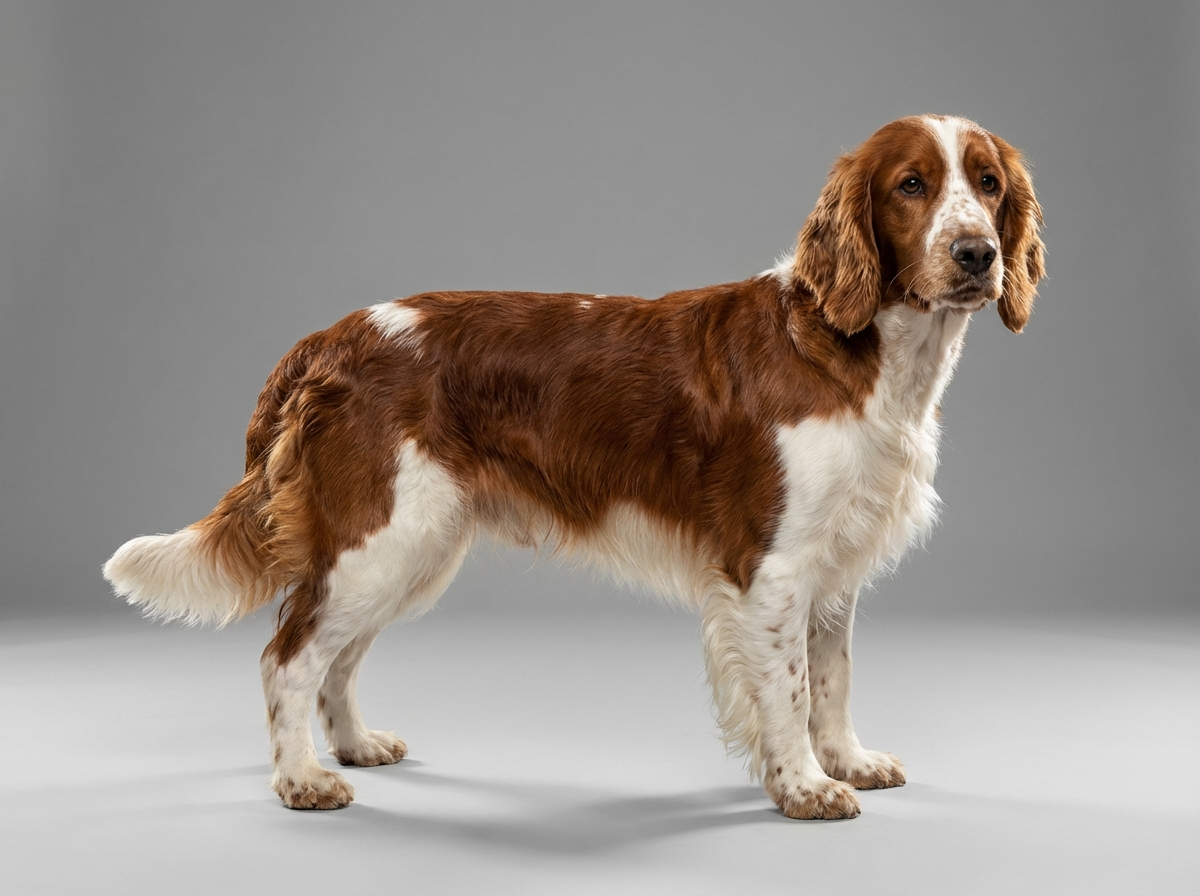
Welsh Springer Spaniels' long, pendulous ears and, in some dogs, a lower lip fold create damp, low-airflow pockets where bacteria and yeast can multiply well beyond their normal levels, leading to secondary skin infections. These infections are closely related to this breed's documented ear infection risk but affect the surrounding fold skin specifically, and consistent drying is the most effective long-term prevention.
Fold-related skin infections are closely tied to this breed's documented ear infection risk, and any Welsh Springer Spaniel with pendulous ears or a pronounced lip fold carries meaningful, ongoing risk for this specific type of infection, particularly if it swims regularly or lives in a humid climate.
The Welsh Springer Spaniel's long, pendulous ears and, in some individual dogs, a lower lip fold create the same kind of damp, low-airflow environment responsible for this breed's documented ear infection risk, extending that same vulnerability to the surrounding fold skin where moisture and debris can become trapped.
Swimming, bathing, and humid weather are the main environmental factors that introduce and trap the moisture responsible for these infections, making climate and water activity level significant factors in how often a given dog experiences flare-ups.
Talk to your vet if you notice persistent redness, odor, or discharge in the ear base or lip fold area, since a proper diagnosis determines whether the infection is bacterial or yeast-driven and guides the right treatment. Significant swelling, visible pain, or a fold area that seems to be worsening despite home care warrants a prompt vet visit.
See all Welsh Springer Spaniel health problems, which breeds are prone to skin infections, or the full Welsh Springer Spaniel breed guide for temperament, exercise needs and ownership costs.
An active infection typically improves within one to two weeks of appropriate treatment, but because the underlying moisture-trapping conformation doesn't change, ongoing prevention through drying and checking is a lifelong habit rather than a one-time fix.
Success looks like catching early redness or odor before a full infection develops, through a consistent weekly check and thorough post-swim drying routine, rather than treating repeated infections after the fact.
Healthy skin generally resists infection well because it stays reasonably dry and gets consistent air exposure, both of which discourage the bacteria and yeast that are normally present in small, harmless numbers. The problem starts when a spot on the body traps moisture and blocks airflow consistently, creating a warm, damp microenvironment where those normally harmless organisms can multiply well beyond their usual numbers.
This breed's long, pendulous ears fold down over the ear canal opening, and the skin at the base where the ear meets the head can develop the same trapped-moisture problem, especially after swimming, baths, or humid weather, when water gets caught in the fold and doesn't fully dry. Some Welsh Springer Spaniels also develop a lower lip fold, sometimes called a lip fold, where the lower lip skin overlaps slightly, trapping saliva and food debris in a similarly damp pocket.
The resulting infection typically presents as redness, a distinct musty or yeasty odor, mild swelling, and sometimes a moist, brownish discharge in the affected fold. Unlike a simple ear infection deeper in the canal, these fold-related infections are visible and reachable from the outside, which actually makes them easier to catch early and manage consistently once an owner knows to check specifically in these spots.

Because these infections are driven by trapped moisture rather than a one-time cause, consistent drying and checking is the single most effective long-term prevention strategy.
After a weekend of lake swimming, Welsh Springer Daisy's owner, Whitney, noticed a faint but distinct odor near the base of Daisy's ears a few days later, along with slight redness she hadn't seen before. A vet visit confirmed a mild yeast infection in the fold, likely from trapped lake water that never fully dried. Daisy responded well to a short course of prescribed topical treatment, but Whitney's vet emphasized that the fold itself would keep being a risk area for as long as Daisy kept swimming, which was often. Rather than avoiding the lake, Whitney added a simple step to her post-swim routine: thoroughly toweling and lifting the ear fold to dry the skin underneath every single time. A year later, with that habit fully established, Daisy hasn't had a single repeat infection despite swimming just as much as before.
Key takeaway: The fold itself doesn't change, so the fix isn't avoiding the activities this breed loves, like swimming, but building a genuinely thorough drying habit around them every time.
Long, pendulous ears and, in some dogs, a lower lip fold both create damp, low-airflow pockets where skin normally exposed to air instead stays moist, allowing bacteria and yeast to multiply well beyond their usual, harmless numbers.
Redness, a distinct musty or yeasty odor, mild swelling, and sometimes a moist, brownish discharge in the fold area are the classic signs, most noticeable after swimming or in humid weather.
This breed's documented ear infection risk stems from the same ear conformation, pendulous ears trapping moisture, that also puts the skin fold at the ear base at risk, making the two closely related but distinct problems.
Thoroughly dry the ear base and any lip fold after every swim or bath, and check these spots weekly for early redness or odor before an infection sets in.
A vet-prescribed topical or oral antifungal or antibiotic treatment, matched to whether the infection is bacterial or yeast-driven, is the standard approach, alongside addressing the underlying moisture trap going forward.
Yes, because these infections are driven by an ongoing conformational moisture trap rather than a one-time cause, dogs prone to them often need consistent, lifelong drying and checking rather than a single treatment that fixes it permanently.
Long, pendulous ears and lip folds trap moisture and block airflow, creating damp pockets where bacteria and yeast multiply beyond their normal, harmless numbers.
Redness, a musty or yeasty odor, mild swelling, and a moist, brownish discharge in the fold area are the classic signs.
Thoroughly dry the ear base and any lip fold after swimming or bathing, and check these spots weekly for early signs.
Yes, since the underlying moisture-trapping conformation doesn't change, consistent drying and checking is usually needed long term rather than a one-time fix.
A vet visit for diagnosis and prescribed treatment represents a modest but recurring cost if infections happen repeatedly, making prevention through drying and checking the more cost-effective long-term approach.
A one-page prep sheet for this condition: the signs, the questions to ask, what to get priced. Unlocks here.
You get: Vet visit prep sheet
No spam. One-click unsubscribe. See our privacy policy.
Preview page 1 before you decide.