Costs
What are Schnauzer (Standard) insurance claims quick tips?
Monitor your Schnauzer's health closely and maintain a healthy lifestyle to reduce claims. Regular vet visits and proper training can also help mitigate potential issues.

Quick answer
What are Schnauzer (Standard) insurance claims quick tips?
Monitor your Schnauzer's health closely and maintain a healthy lifestyle to reduce claims. Regular vet visits and proper training can also help mitigate potential issues.
Schnauzer (Standard) insurance claims can be a headache for many owners. Understanding these claims is crucial for effective pet care.
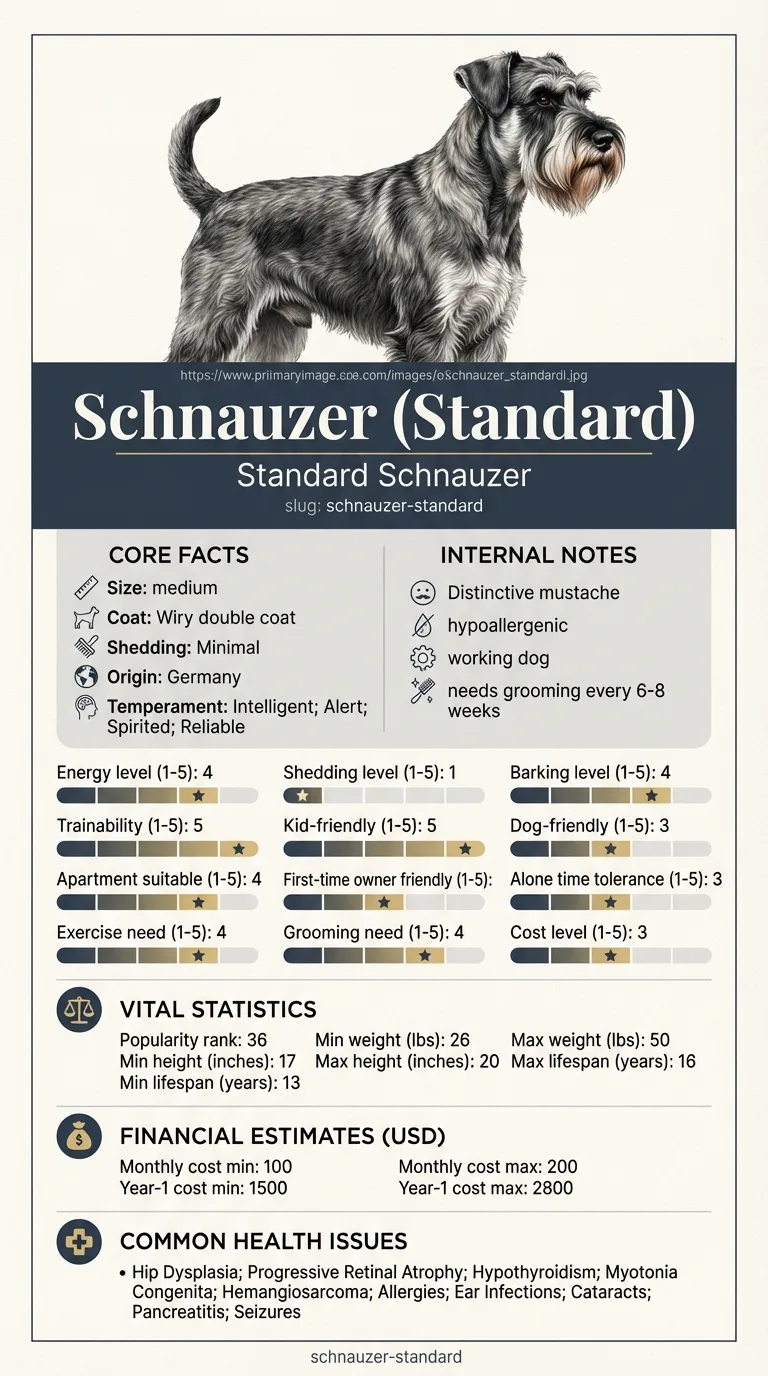
This issue typically affects first-time dog owners and busy families who may not be prepared for the financial impact of such claims. If you own a Schnauzer (Standard), understanding these potential costs is key to responsible ownership.
This guide is not medical advice. If your dog shows pain, sudden behavior change, or worsening symptoms, consult a licensed veterinarian.
Some links may be affiliate links. We may earn a commission at no extra cost to you. We only suggest products we believe are helpful for dog owners.
We research and check what we publish, but we do not warrant that any figure, date, price, or statement is accurate, complete, or current, and we accept no liability for any loss, cost, injury, or other harm arising from the use of this site. Use it as one reference among several. You remain responsible for your own decisions and for your dog's care - confirm anything that matters with a licensed veterinarian or another qualified professional before you act on it. Full disclaimer.
Check this first
Understanding when to seek immediate veterinary help for your Schnauzer (Standard) is crucial. Certain signs indicate that insurance claims related to your dog's health may need urgent attention. If your dog experiences sudden vomiting, severe lethargy, difficulty breathing, or persistent bleeding, you should call your vet right away. These symptoms could signify serious underlying conditions that require prompt care.
In contrast, there are milder cases where you can monitor your Schnauzer (Standard) at home. If your dog has minor skin irritations, occasional vomiting without other symptoms, or slight behavioral changes, it might be best to observe for a few days. Keeping a close eye on these issues while maintaining regular vet check-ups can help determine if further intervention is needed. Always remember, it's better to err on the side of caution when it comes to your dog's health.
If any of these apply, call your vet or an emergency clinic now. The rest of this page is for the cases that are not an emergency.
Schnauzer (Standard) insurance claims can be a frustrating issue for many owners. These dogs may be prone to specific health problems that can lead to higher rates of insurance claims. Common issues include hip dysplasia and allergies, which can result in unexpected vet bills and stress for the owner.
It's relatively common for Schnauzer (Standard) owners to face insurance claims. Many owners report higher claims due to the breed's susceptibility to certain health conditions. Being prepared for these possibilities can help mitigate stress and costs.
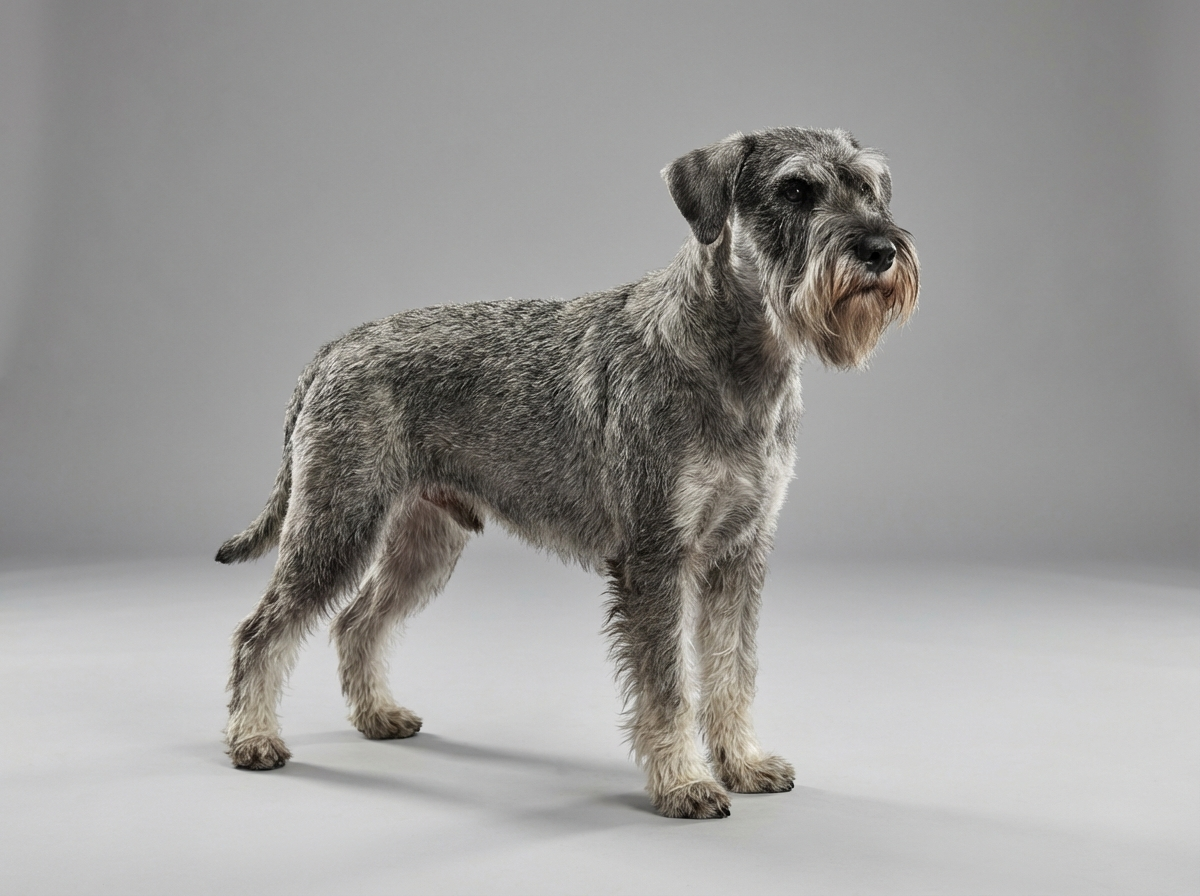
The Schnauzer (Standard) is known for its spirited and alert nature. This breed is intelligent but can also be prone to certain health issues like hip dysplasia and allergies, leading to increased insurance claims. Their energetic personality may also result in behavioral problems if they lack proper training or socialization.
Environmental factors also play a significant role in insurance claims. Schnauzers may develop health issues due to inadequate exercise or poor grooming habits. Additionally, stress from changes in their environment, such as moving to a new home or changes in family dynamics, can lead to anxiety and related health concerns.
If your Schnauzer is experiencing frequent health issues that lead to insurance claims, such as recurring allergies or joint problems, schedule a vet appointment. A vet can help determine if there are underlying health concerns that need to be addressed.
Avoiding common pitfalls can help reduce Schnauzer (Standard) insurance claims. Here are some mistakes to steer clear of:
Start here: Standard Schnauzer Most Common Genetic Disorders: Screening
See all Schnauzer Standard health problems, which breeds are prone to insurance claims, or the full Schnauzer Standard breed guide for temperament, exercise needs and ownership costs.
Expect to see improvements in 3 to 6 months with consistent care and support.
Success looks like a Schnauzer (Standard) that experiences fewer anxiety-related incidents, allowing for smoother vet visits and reduced insurance claims.
When Lisa adopted Max, her Standard Schnauzer, she quickly noticed he was anxious during vet visits. This anxiety led to numerous insurance claims due to stress-related issues. Determined to help him, Lisa enrolled Max in a training class focused on behavior problems. She learned techniques to reduce his anxiety and created a more comfortable environment for him. Gradually, Max became calmer, and Lisa saw a significant drop in anxiety-related claims, making both their lives easier.
Key takeaway: With patience and the right training, you can help mitigate anxiety in your Schnauzer (Standard), leading to fewer insurance claims.
Schnauzers (Standard) may have insurance claims due to their predisposition to certain health issues like hip dysplasia and hypothyroidism. These conditions can lead to increased veterinary visits and treatments, resulting in higher claim rates. Regular check-ups can help catch potential problems early.
To reduce insurance claims, focus on preventive care, including regular vet visits and vaccinations. Also, maintain a healthy diet and exercise routine to minimize the risk of common health issues. Training and socialization can also help prevent behavior-related claims.
Common health issues include hip dysplasia, cataracts, and allergies. Being aware of these conditions can help you monitor your Schnauzer's health closely. Early detection can lead to more effective treatments and potentially lower insurance claims.
Positive reinforcement training works well for Schnauzers (Standard). Use treats and praise to encourage good behavior. Consistency and patience are key, especially for issues like separation anxiety, which can lead to claims.
It's generally recommended to take your Schnauzer (Standard) for annual check-ups. If your dog has existing health issues, more frequent visits may be necessary. Regular vet visits can help manage health and reduce the likelihood of insurance claims.
Yes, a balanced diet can significantly affect your Schnauzer's health. Feeding them high-quality food tailored to their needs can prevent obesity and related health issues, potentially lowering insurance claims. Consult your vet for personalized dietary advice.
If your Schnauzer (Standard) is frequently causing insurance claims, it’s essential to assess their health and behavior. Regular vet check-ups can help identify underlying health issues. Additionally, you might consider training or behavioral modifications to reduce incidents.
As your Schnauzer (Standard) ages, they may be more prone to health issues, leading to higher insurance claims. Older dogs often face conditions like arthritis or heart problems, which can increase vet visits. Keep an eye on their health and consult your vet for preventive measures.
Yes, Schnauzer (Standard) breeds can be predisposed to certain health issues like hip dysplasia and progressive retinal atrophy. Understanding these risks can help you plan for potential insurance claims and manage your dog's health proactively.
If your Schnauzer (Standard) is showing signs of distress or frequent health issues leading to claims, it’s time to visit the vet. Symptoms like unusual behavior, lethargy, or persistent pain should not be ignored. Early intervention can prevent more severe problems down the line.
Preventing insurance claims for your Schnauzer (Standard) involves a mix of proper training, regular health check-ups, and maintaining their overall well-being. Consistent training can help address behavioral issues, while routine vet visits can catch health problems early, minimizing claims.
Monitor your Schnauzer's health closely and maintain a healthy lifestyle to reduce claims. Regular vet visits and proper training can also help mitigate potential issues.
Use positive reinforcement techniques to encourage good behavior and address anxiety issues. Consistency in training will help your Schnauzer learn effectively.
Yes, they are prone to conditions like hip dysplasia and allergies, which can lead to insurance claims. Regular health checks can help catch these early.
Include high-quality dog food tailored for their size and age. A balanced diet can help prevent common health issues and reduce claim rates.
A one-page prep sheet for this condition: the signs, the questions to ask, what to get priced. Unlocks here.
You get: Vet visit prep sheet
No spam. One-click unsubscribe. See our privacy policy.
Preview page 1 before you decide.