Health
What is a heart murmur in a dog?
A murmur is a sound of turbulent blood flow through the heart, not a diagnosis itself; it prompts further evaluation to determine the actual cause.

Quick answer
What is a heart murmur in a dog?
A murmur is a sound of turbulent blood flow through the heart, not a diagnosis itself; it prompts further evaluation to determine the actual cause.
A murmur is a clue your vet picks up with a stethoscope, not a verdict, and what happens next depends entirely on what's actually causing that sound.
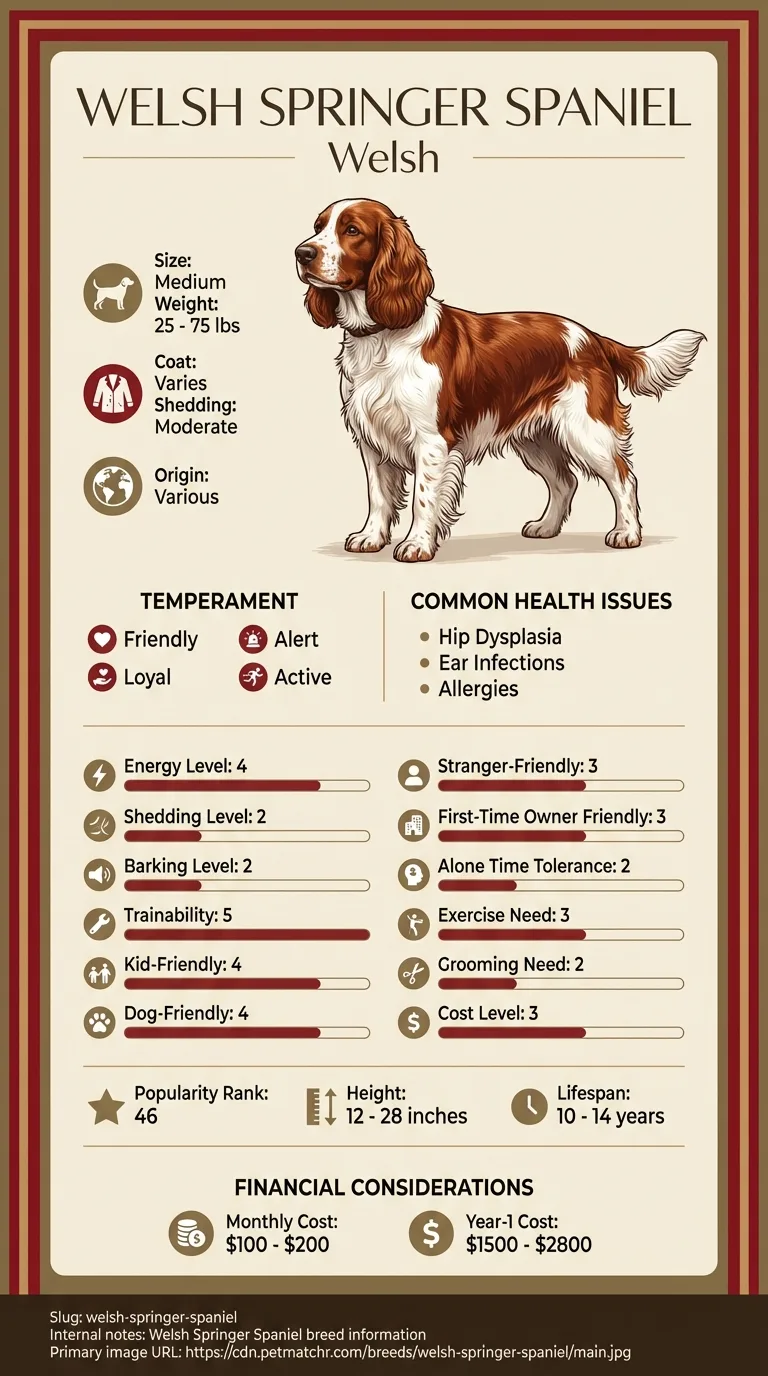
Owners hearing about a murmur for the first time, whether in a young puppy or an older dog, and unsure whether it's serious, are exactly who this topic is written for.
This guide is not medical advice. If your dog shows pain, sudden behavior change, or worsening symptoms, consult a licensed veterinarian.
Some links may be affiliate links. We may earn a commission at no extra cost to you. We only suggest products we believe are helpful for dog owners.
We research and check what we publish, but we do not warrant that any figure, date, price, or statement is accurate, complete, or current, and we accept no liability for any loss, cost, injury, or other harm arising from the use of this site. Use it as one reference among several. You remain responsible for your own decisions and for your dog's care - confirm anything that matters with a licensed veterinarian or another qualified professional before you act on it. Full disclaimer.
A heart murmur is a sound of turbulent blood flow detected through a stethoscope, not a diagnosis in itself. For Welsh Springer Spaniels, murmurs most often turn up incidentally at routine visits, and understanding the grading scale and the difference between an innocent puppy murmur and an adult-onset finding helps owners know what questions to ask next.
Murmurs are a common incidental finding across dog breeds generally, and while Welsh Springer Spaniels carry no documented elevated cardiac risk, any individual dog can turn up a murmur at a routine exam, most often with no serious underlying cause.
Welsh Springer Spaniels do not carry a documented predisposition to structural heart murmurs, so most murmurs detected in this breed reflect either a temporary puppy-stage finding or the same general age-related valve changes that can occur in any breed over time.
Consistent annual wellness exams are the main factor influencing whether a murmur is caught early, since a murmur causes no outward symptoms in its earlier stages regardless of its underlying cause.
Talk to your vet about next steps as soon as a murmur is detected, especially to clarify grade, likely cause, and whether an echocardiogram is recommended. Sudden collapse, severe breathing difficulty, or blue-tinged gums alongside a known murmur are signs of a cardiac emergency and require immediate veterinary care.
See all Welsh Springer Spaniel health problems, which breeds are prone to heart murmurs, or the full Welsh Springer Spaniel breed guide for temperament, exercise needs and ownership costs.
An innocent puppy murmur typically resolves within the first six months of life, while an adult-onset murmur usually prompts an echocardiogram within a few weeks of detection to determine next steps.
Success looks like getting a clear answer, through grading and imaging when appropriate, about what a detected murmur actually means, rather than living with unresolved uncertainty about a stethoscope finding.
Vets grade murmurs on a scale from one to six based on how loud and easily detectable the sound is, not directly on how dangerous the underlying cause is, though the two often correlate loosely. A grade one or two murmur is soft and can be easy to miss even for an experienced listener, while a grade five or six is loud enough to feel as a vibration through the chest wall.
In puppies, a soft murmur detected before around four to six months of age is sometimes called an innocent murmur, a temporary sound related to a rapidly developing cardiovascular system that often disappears entirely as the puppy matures, with no lasting significance at all. This is different from a murmur that persists past that early window or one that appears newly in an adult or senior dog, which is more likely to reflect an actual structural change, most often in a heart valve, and warrants further investigation.
The grade alone does not tell the whole story, which is why a vet detecting any murmur beyond the innocent puppy window typically recommends an echocardiogram, an ultrasound of the heart, to see exactly what's happening rather than guessing from sound alone. This single imaging step is what turns a vague 'there's a murmur' into an actual answer about whether anything needs monitoring or treatment.

A murmur finding calls for a clear next step, not alarm, and knowing the right questions to ask turns an uncertain moment into a concrete plan.
When Priyanka brought her four-month-old Welsh Springer puppy, Otto, in for his second round of vaccines, her vet mentioned hearing a soft grade two murmur and explained it could be an innocent, temporary finding common at that age. Priyanka was understandably nervous hearing the word 'murmur' at all. Her vet recommended simply rechecking at Otto's next scheduled visit rather than jumping straight to an echocardiogram, given his young age and the murmur's soft grade. At his six-month visit, the murmur was gone entirely, exactly the pattern an innocent puppy murmur typically follows. Priyanka now knows to ask the specific grade and age-related context any time a murmur comes up, rather than assuming the worst from the word alone.
Key takeaway: Context, a puppy's age and a murmur's grade, changes what a stethoscope finding actually means, which is why the right first move is always a clarifying question, not panic.
It means your vet heard turbulent blood flow through a stethoscope, which can indicate anything from a temporary, harmless puppy phase to a structural valve change worth monitoring. It is a finding that prompts further questions, not a diagnosis on its own.
Murmurs are graded one through six based on loudness and detectability, with grade one being very soft and grade six being strong enough to feel as a vibration through the chest wall. The grade gives a rough sense of intensity but not a full diagnosis on its own.
Not always. A soft murmur detected before about four to six months old is sometimes an innocent murmur related to normal cardiovascular development, and many resolve completely as the puppy matures.
An echocardiogram, an ultrasound of the heart, is the standard next step for any murmur that persists past the innocent puppy window or appears newly in an adult or senior dog, since it shows exactly what's happening structurally rather than relying on sound alone.
Yes, this is common. Many dogs live full, active lives with a mild, stable murmur that causes no symptoms and requires only periodic monitoring rather than treatment.
Not directly. Grade reflects loudness, not necessarily severity of the underlying cause, which is why an echocardiogram, not the grade alone, is what actually determines how serious a given murmur is.
A murmur is a sound of turbulent blood flow through the heart, not a diagnosis itself; it prompts further evaluation to determine the actual cause.
Murmurs are graded one through six based on loudness, from very soft to strong enough to feel as a vibration, though grade alone doesn't determine how serious the underlying cause is.
Not always; a soft murmur before about four to six months old is sometimes an innocent, temporary finding that resolves as the puppy matures.
An echocardiogram, an ultrasound of the heart, is the standard next step to determine the exact cause and significance of a persistent or adult-onset murmur.
An echocardiogram represents a meaningful cost, so it is worth checking whether your pet insurance covers cardiac diagnostics before the need arises.
A one-page prep sheet for this condition: the signs, the questions to ask, what to get priced. Unlocks here.
You get: Vet visit prep sheet
No spam. One-click unsubscribe. See our privacy policy.
Preview page 1 before you decide.