Behavior
What are Maltese insurance claims quick tips?
Keep up with regular vet check-ups and focus on dental care to minimize claims. Training and socialization are crucial for preventing behavioral issues.

Quick answer
What are Maltese insurance claims quick tips?
Keep up with regular vet check-ups and focus on dental care to minimize claims. Training and socialization are crucial for preventing behavioral issues.
Maltese insurance claims can be a frustrating issue for dog owners. Understanding why these claims occur is crucial for effective management.
This problem typically affects first-time Maltese owners, busy families, or those unprepared for the potential health issues associated with the breed. If you’re a new dog parent or juggling multiple responsibilities, navigating these claims can feel overwhelming.
This guide is not medical advice. If your dog shows pain, sudden behavior change, or worsening symptoms, consult a licensed veterinarian.
Some links may be affiliate links. We may earn a commission at no extra cost to you. We only suggest products we believe are helpful for dog owners.
We research and check what we publish, but we do not warrant that any figure, date, price, or statement is accurate, complete, or current, and we accept no liability for any loss, cost, injury, or other harm arising from the use of this site. Use it as one reference among several. You remain responsible for your own decisions and for your dog's care - confirm anything that matters with a licensed veterinarian or another qualified professional before you act on it. Full disclaimer.
Check this first
Knowing when to act quickly regarding Maltese insurance claims can save you stress and money. It's important to differentiate between situations that require immediate veterinary attention and those that can be monitored. If your Maltese shows any of the following red-flag signs, you should call your vet immediately.
If any of these apply, call your vet or an emergency clinic now. The rest of this page is for the cases that are not an emergency.
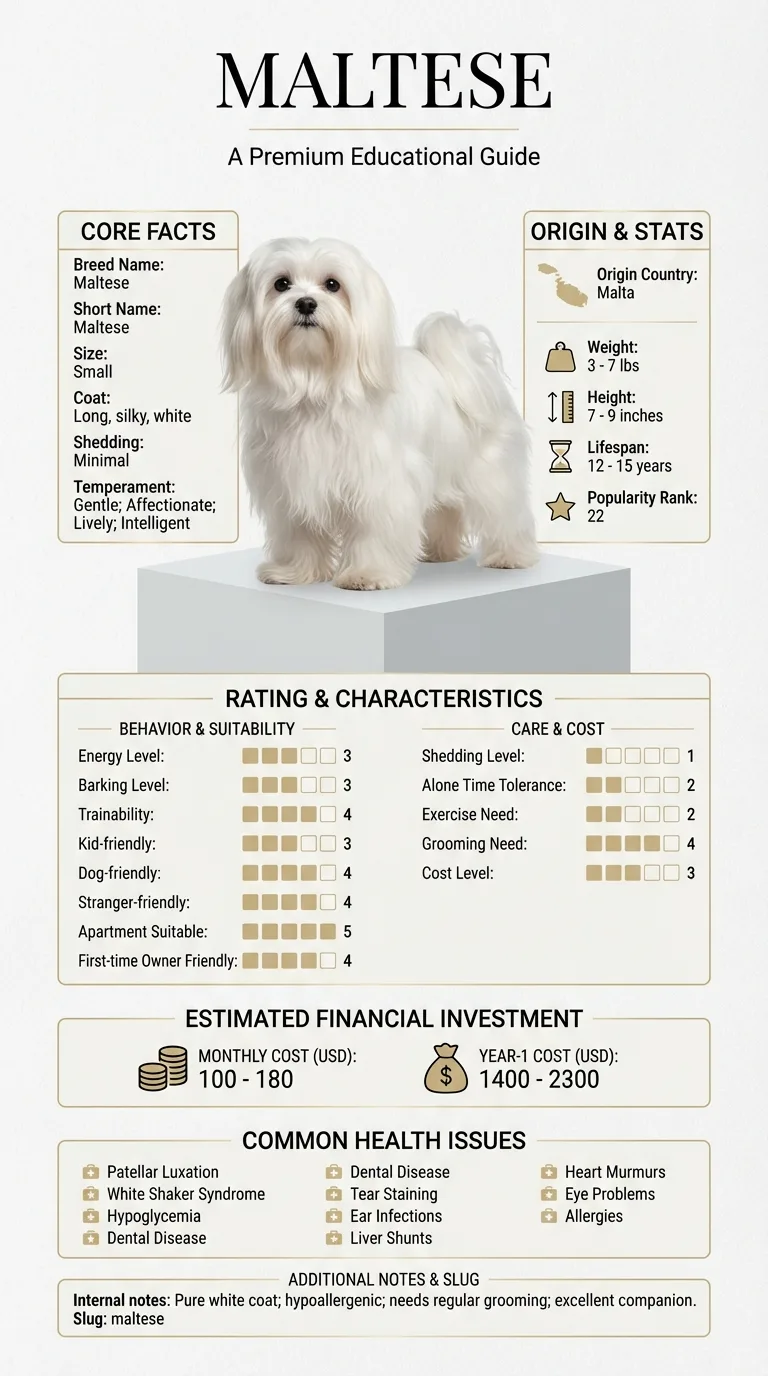
Maltese insurance claims can be a significant concern for owners. These little dogs, while affectionate and lively, are prone to certain health issues that may lead to frequent vet visits. Common conditions like dental disease and patellar luxation can contribute to a higher number of claims, making it essential for owners to understand the potential financial implications.
Maltese insurance claims are fairly common compared to other breeds. Many owners report frequent vet visits, especially as their dogs age. This breed's vulnerability to specific health problems can lead to more claims, so being prepared is crucial.
Maltese dogs are small, gentle, and intelligent, but they can also be prone to certain health issues. Common problems like patellar luxation and dental disease often lead to higher rates of insurance claims. Their delicate nature means they may require more medical attention than sturdier breeds.
The environment can also play a significant role in Maltese insurance claims. Factors like lack of exercise, poor dental hygiene, or exposure to allergens can worsen health issues. Additionally, Maltese dogs may experience anxiety or stress in certain settings, which could lead to more frequent vet visits.
Consult your vet if your Maltese has frequent health issues or if you notice changes in behavior, appetite, or energy levels. These could indicate underlying health problems that need attention.
Avoiding common pitfalls can help you manage Maltese insurance claims more effectively. Here are some mistakes to steer clear of.
Start here: Maltese Most Common Genetic Disorders: What to Screen For
See all Maltese health problems, which breeds are prone to insurance claims, or the full Maltese breed guide for temperament, exercise needs and ownership costs.
You can expect to see improvements in about 3 to 6 months with consistent environmental adjustments and follow-up.
Success means your Maltese will have fewer anxiety-driven behaviors, leading to a calmer home environment and reduced insurance claims.
In less severe situations, you can monitor your Maltese closely. Look out for changes in behavior or appetite, but keep in mind that not all issues require immediate action. If your Maltese has mild vomiting or a slight change in energy level, you can observe for 24 to 48 hours before reaching out to your vet.

Sarah, a busy nurse in San Diego, adopted Bella, a lively Maltese. Soon after, Bella's anxiety led to frequent barking and occasional destructive behavior, causing Sarah stress and rising insurance claims. After consulting a trainer and implementing a consistent routine, Sarah learned to recognize Bella's triggers and manage her environment better. With patience and training, Bella became calmer, and Sarah found peace in her home again.
Key takeaway: With the right training and adjustments, you can help your Maltese manage anxiety and reduce the need for insurance claims.
Maltese dogs can be prone to certain health conditions that lead to insurance claims. Common issues include dental disease and patellar luxation. Regular vet check-ups can help catch these problems early.
To reduce Maltese insurance claims, focus on preventive care. This includes regular dental cleanings, maintaining a healthy diet, and ensuring consistent exercise. Training and socialization can also help mitigate behavioral issues.
Some common health issues include dental disease, patellar luxation, and tear staining. Being aware of these can help you take preventive measures to keep your Maltese healthy and reduce claims.
Maltese tend to have higher insurance claims related to dental problems compared to some other breeds. Their small size can also lead to injury claims due to their fragile nature.
Choose a plan that covers breed-specific conditions, routine care, and emergencies. It's essential to compare policies to find one that fits your Maltese's needs.
Yes, training can reduce claims by addressing behavioral issues that lead to injuries or accidents. A well-trained Maltese is less likely to experience stress-related health issues.
Maltese dogs may have insurance claims related to common health issues such as dental disease, patellar luxation, and allergies. Their small size can also lead to injuries that might require veterinary attention, increasing the likelihood of claims.
Preventative care is key. Regular vet check-ups, a balanced diet, and proper dental hygiene can help minimize health issues. Additionally, training your Maltese to reduce anxiety can prevent accidental injuries that lead to claims.
If your Maltese shows signs of distress, unusual behavior, or persistent health issues, it's time to consult a vet. Symptoms like excessive barking, changes in appetite, or lethargy should not be ignored.
Yes, older Maltese are generally at a higher risk for health problems that may lead to insurance claims. Conditions like heart murmurs and dental disease become more common as they age, so keep an eye on their health.
Review the claim denial reasons provided by the insurance company. It may be helpful to gather additional documentation or consult with your vet. If needed, you can appeal the decision or consider switching to a different insurance provider.
Keep up with regular vet check-ups and focus on dental care to minimize claims. Training and socialization are crucial for preventing behavioral issues.
Consider pet insurance that covers common Maltese health issues. Regular preventive care can also help reduce long-term expenses.
Schedule an appointment with your vet as soon as possible. Early intervention can help manage health issues effectively.
Expect to pay between $100 to $180 monthly for insurance, which can help cover unexpected health claims.
A one-page prep sheet for this condition: the signs, the questions to ask, what to get priced. Unlocks here.
You get: Vet visit prep sheet
No spam. One-click unsubscribe. See our privacy policy.
Preview page 1 before you decide.