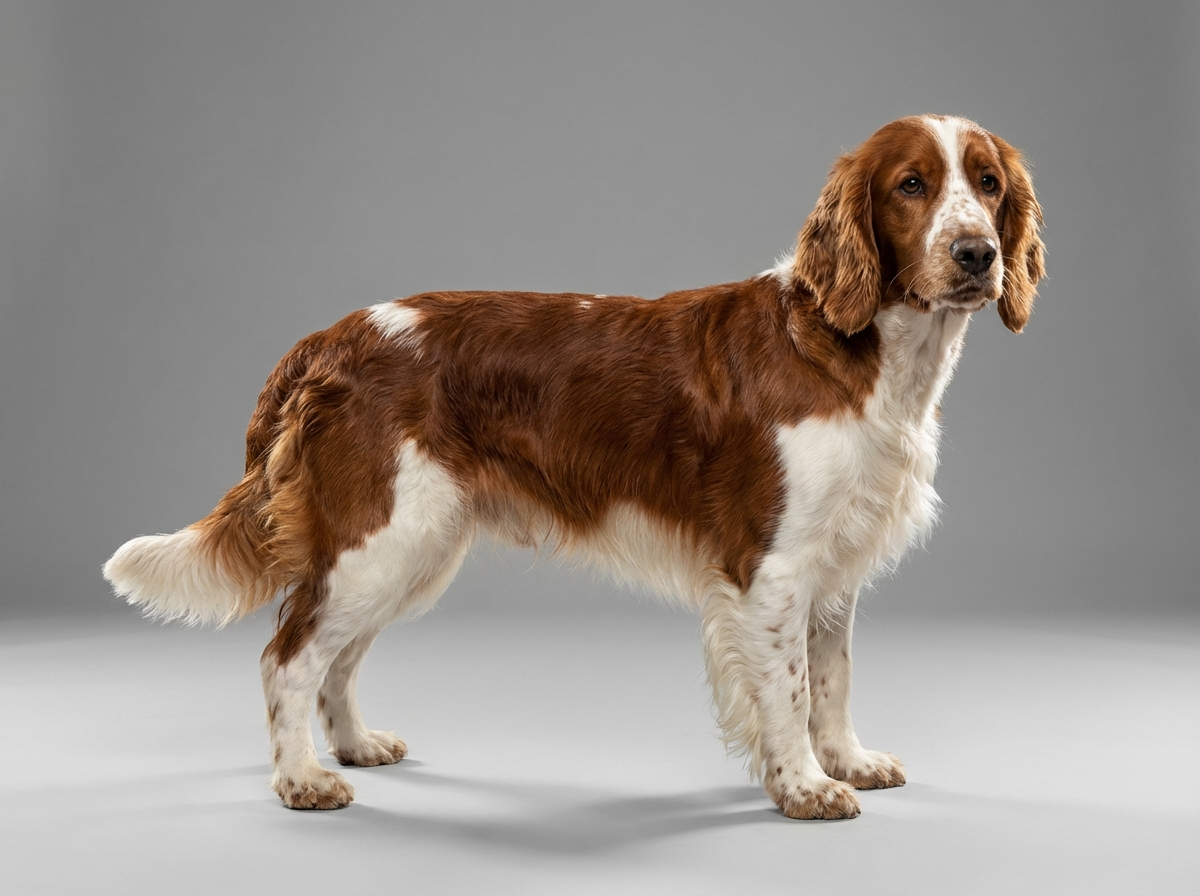
Take the honest case first. This is a genuinely sociable breed. Two dogs that get along keep each other occupied, take the edge off a quiet weekday, and give a high-drive spaniel something to do that does not involve your furniture. In a low-cost market with suburban housing and yards, adding a second dog is more practical here than it would be in a dense, expensive city. Plenty of Wichita households do it and are glad they did.
Now the caveat that matters, because it is the reason this fails when it fails. Distress at being left alone in dogs is usually about the absence of its people rather than the absence of company in general. A dog that panics when its household leaves will frequently panic in exactly the same way with another dog in the room, because the other dog is not the thing it is missing. If that is what is happening, a second dog does not solve it — you now have one distressed dog and one confused one, at twice the running cost.
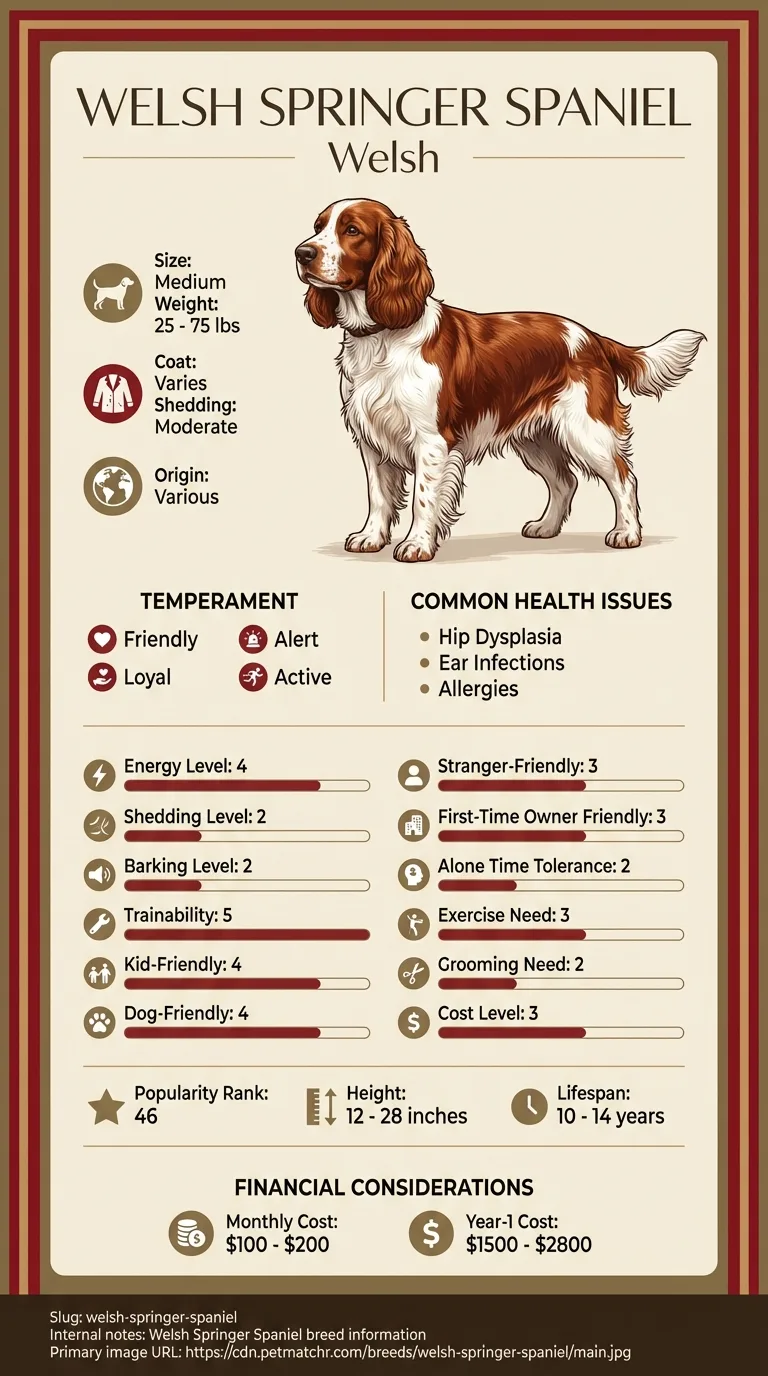
So the sequence matters. If the problem is boredom in a 4 out of 5 energy dog that is under-exercised, more exercise and more mental work solve it more cheaply and more reliably. If the problem is genuine distress at separation, that is worth working through with a veterinarian or a qualified behaviourist first, and a second dog is at best an addition to that plan rather than a substitute for it. If neither of those applies and you simply want two dogs, then Wichita is about the best place in the country to act on it.
The practical arithmetic is straightforward: food roughly doubles, prevention doubles, vaccinations and annual exams double, and grooming for two feathered coats is meaningfully more than for one. Emergency reserve should rise too, since two dogs are two independent chances of an expensive year.