Health
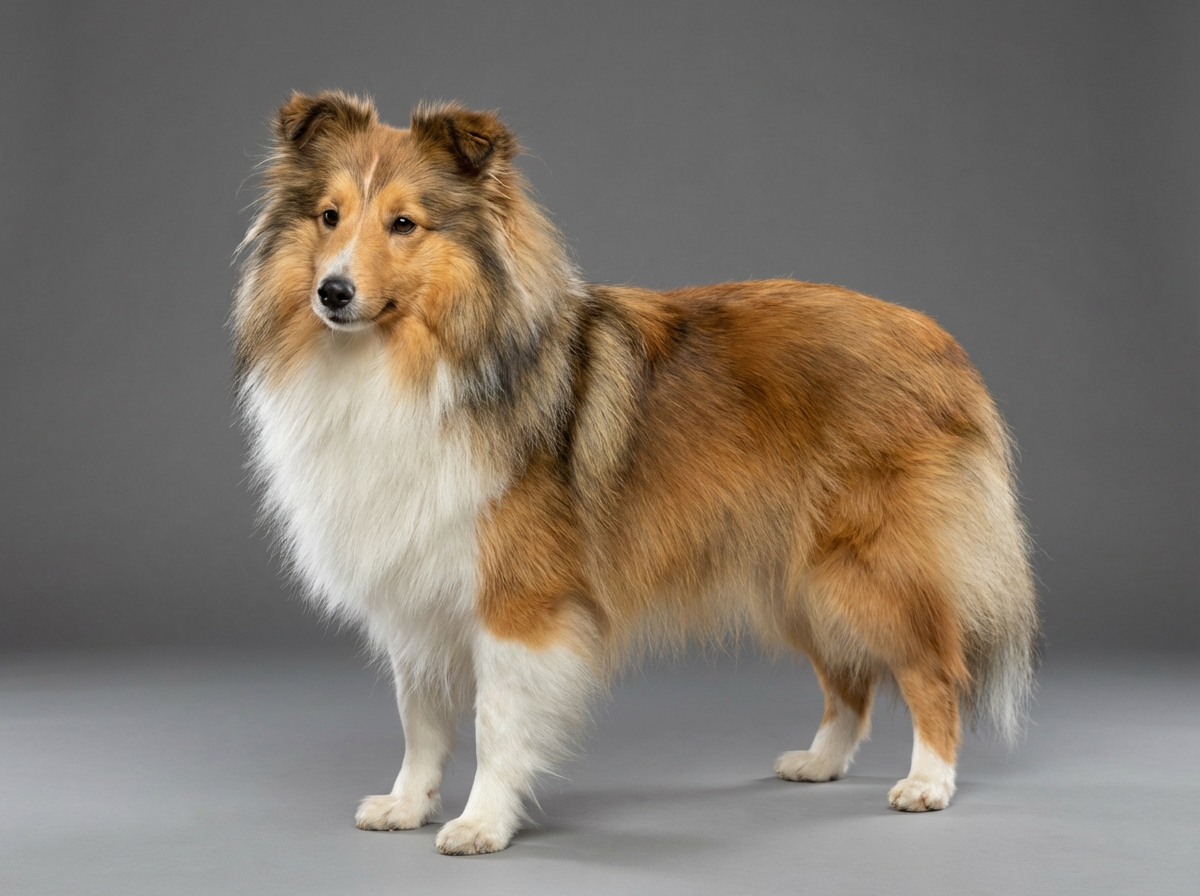
Are Sheltie nostrils too small?
No. This is a long-muzzled breed with open nostrils and generous nasal passages. Pinched nostrils are a flat-faced breed problem.

Quick answer
Are Sheltie nostrils too small?
No. This is a long-muzzled breed with open nostrils and generous nasal passages. Pinched nostrils are a flat-faced breed problem.
It occurs in breeds whose skulls have been shortened until the soft tissue no longer fits. A Sheltie's skull has not been shortened at all.
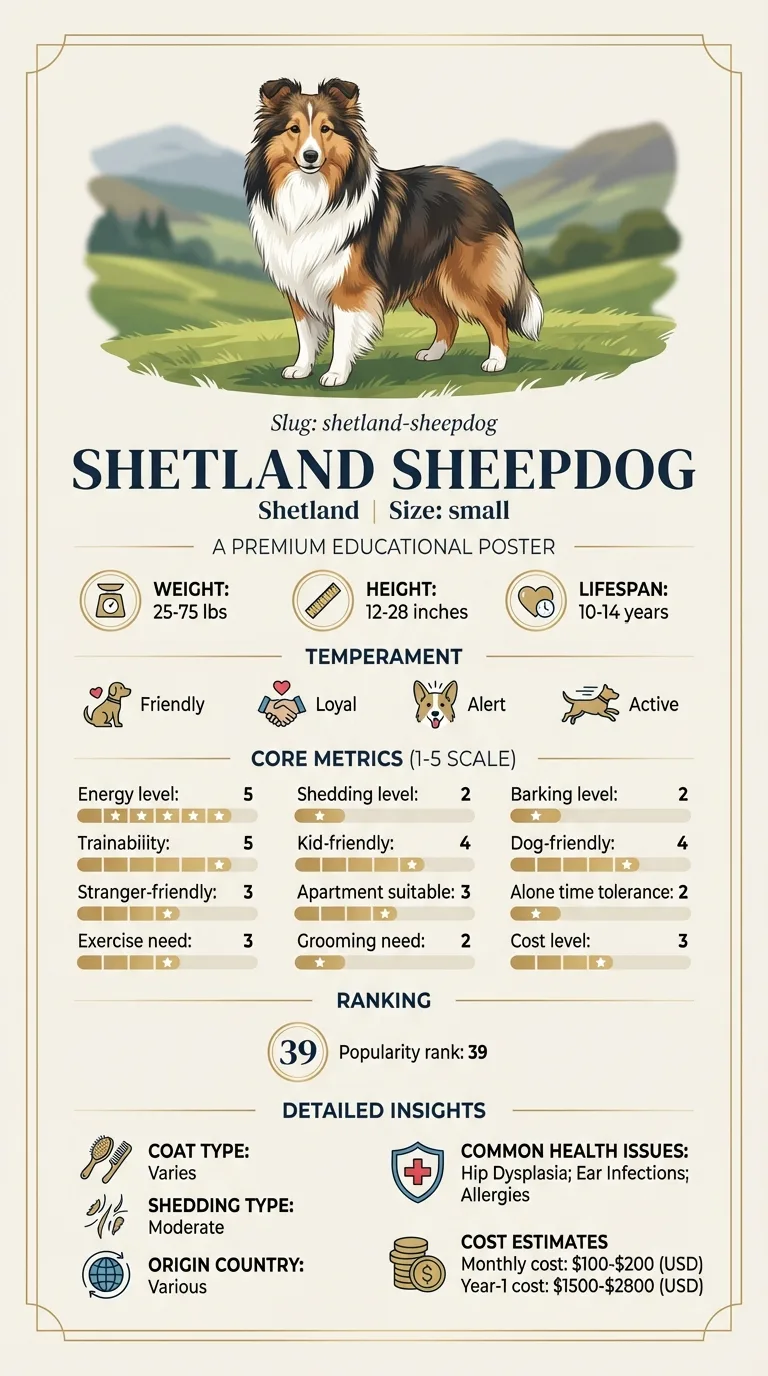
Owners who have noticed their Sheltie snuffling, snoring or breathing noisily and have found this diagnosis while searching, and want to know what the real explanation is.
This guide is not medical advice. If your dog shows pain, sudden behavior change, or worsening symptoms, consult a licensed veterinarian.
Some links may be affiliate links. We may earn a commission at no extra cost to you. We only suggest products we believe are helpful for dog owners.
We research and check what we publish, but we do not warrant that any figure, date, price, or statement is accurate, complete, or current, and we accept no liability for any loss, cost, injury, or other harm arising from the use of this site. Use it as one reference among several. You remain responsible for your own decisions and for your dog's care - confirm anything that matters with a licensed veterinarian or another qualified professional before you act on it. Full disclaimer.
Stenotic nares are narrowed nostrils that collapse inward on inhalation, part of the airway syndrome affecting flat-faced breeds. Shetland Sheepdogs have long, narrow muzzles with open nostrils and do not develop the condition. Owners arrive at this topic because their dog is snuffling, snoring or breathing noisily, and the useful work is identifying which of several quite different explanations is responsible.
Stenotic nares are essentially absent in this breed. Noisy breathing, by contrast, is a common owner concern, and in Shelties it usually resolves to collar-related throat irritation, seasonal foreign bodies, heat, or ordinary snoring rather than to any structural nasal problem.
The Shetland Sheepdog's skull is the reason this condition does not occur. Its facial bones are long, so the soft tissue of the nose, palate and airway occupies the space it evolved for rather than being compressed into a shortened one. Where the breed does have relevant traits, they lie elsewhere: it is exceptionally vocal, which loads the upper airway, and it carries a dense double coat, which raises respiratory effort in heat. MDR1 drug sensitivity becomes relevant if any investigation requires sedation, which nasal work always does.
Terrain and equipment explain most cases. Long grass in summer and autumn is where seed heads are inhaled, and a herding dog with its nose down is unusually exposed. A flat collar on a barking, pulling dog produces chronic throat irritation that owners hear as noisy breathing. Warm, still, humid conditions raise respiratory effort in a coated dog. And a heavy sleeping surface in a warm room encourages the soft tissue relaxation that produces ordinary snoring.
Go immediately, as an emergency: breathing that is laboured at rest, gums that look blue or grey, a dog standing with its neck extended and elbows out, choking, or collapse. Same day: a sudden violent sneezing fit that began outdoors, blood or discharge from one nostril, a dog pawing repeatedly at its face, or noisy breathing that has appeared abruptly. Within a week or two: persistent discharge from both nostrils, snoring that is new or getting louder, noise that continues after switching to a harness, or reduced exercise tolerance with increased breathing effort. Mention that the dog is a Shetland Sheepdog with a known or unknown MDR1 status when booking anything likely to need sedation.
See all Shetland Sheepdog health problems, which breeds are prone to small nostrils stenotic nares, or the full Shetland Sheepdog breed guide for temperament, exercise needs and ownership costs.
Collar-related noise generally improves within two to four weeks of switching equipment. A grass awn is resolved in a single procedure once found, though a migrated one can take longer. Ordinary snoring responds to weight loss over two to three months. Persistent one-sided nasal disease requires imaging and referral and follows a longer diagnostic path, often several weeks from first appointment to answer.
Success usually means finding the boring explanation and acting on it: a harness instead of a collar, a couple of pounds off, or a seed head removed in July. It also means an owner who has stopped searching flat-faced airway material and knows what to watch for instead, and who understands that one-sided nasal signs in a long-muzzled dog are the ones that genuinely warrant urgency.
Dogs are usually grouped into three head types. Brachycephalic breeds, such as pugs, bulldogs and Boston Terriers, have a dramatically shortened facial skeleton. Mesocephalic breeds have moderate proportions. Dolichocephalic breeds have a long, narrow muzzle, and the Shetland Sheepdog is a clear example.
The reason stenotic nares occur in flat-faced dogs is that the bone has been shortened by selection while the soft tissue has not. The same quantity of nostril cartilage, soft palate and turbinate tissue is packed into a much smaller box, and it obstructs. That is the entire mechanism.
A Sheltie has the opposite arrangement. Its facial bones are long and its nasal passages are correspondingly generous. There is no compression, no crowding, and no reason for the nostrils to collapse. Stenotic nares are absent from the breed's documented health list, which covers Collie Eye Anomaly, MDR1 drug sensitivity, dermatomyositis, hypothyroidism and patellar luxation.
So a Sheltie that is breathing noisily is not doing so because of nostril anatomy, and looking for a surgical fix in that direction is looking in the wrong place entirely. The noise is coming from somewhere, and the useful thing is working out where.
Where the noise occurs in the breathing cycle, and whether it is one-sided, narrows the possibilities quickly.

If you think your Shetland has small nostrils (stenotic nares), the plan is three steps: write down what you have seen and when it started, book a veterinary appointment rather than waiting for the next flare, and take video of the behaviour or symptom before you go — the thing you are worried about rarely happens in the consulting room. Screening in the parents covers collie eye anomaly, mdr1 drug sensitivity, dermatomyositis.
What the vet visit should produce is a diagnosis and a written plan, not just reassurance: what is being ruled out, what the monitoring interval is, and which signs mean you come back sooner. Ask what the treatment costs across a year rather than per visit, because that is the number that decides whether you are managing this condition or reacting to it.
Between appointments, keep a short log — dates, what you saw, what changed. It is the single most useful thing an owner brings to a follow-up, and for small nostrils (stenotic nares) it is often what separates a clear pattern from a guess.
Marcin's Sheltie, Lala, came back from a walk across a stubble field in August sneezing in violent bursts. It settled after a few minutes, and he assumed she had inhaled dust. Over the next fortnight she developed a persistent snuffle and started rubbing the left side of her face on the carpet. He read about pinched nostrils and spent an evening worrying about airway surgery, before noticing that the discharge was only ever from the left nostril. His vet took that detail seriously. Under sedation, with a protocol chosen around Lala's recorded MDR1 carrier status, they retrieved a grass awn from well up the left nasal passage. The snuffle stopped within two days. Marcin now checks her face and feet after any summer walk in long grass, and he says the useful thing he learned was not about noses but about the word one-sided.
Key takeaway: A Sheltie's nostrils are not the problem, because a long-muzzled breed does not develop stenotic nares. In this breed the observation that matters is whether nasal signs come from one side, and one-sided signs need investigating promptly.
No. It is a condition of brachycephalic breeds, caused by soft tissue being crowded into a shortened skull. The Sheltie has a long, narrow muzzle with generous nasal passages, and the condition is not on the breed's documented health list.
Snoring while asleep is common in many dogs and often means nothing. It becomes worth investigating if it is new, if it is getting louder, if the dog has gained weight, or if there is any noise while the dog is awake. Weight is the most common reversible contributor.
Almost certainly reverse sneezing, a spasm in which air is pulled rapidly inward through the nose. It sounds alarming, lasts under a minute, and is usually harmless. Gently stroking the throat often shortens it. Frequent episodes deserve a mention at the next appointment.
The key question is whether it is one-sided. Discharge from both nostrils in a dog that is otherwise well is often infectious and self-limiting. Discharge from one nostril, particularly if it persists or contains blood, is a red flag in a long-muzzled breed and needs proper investigation.
Cardiac disease produces increased breathing rate and effort rather than upper airway noise, so the two usually sound different. Counting the sleeping breathing rate weekly gives you an objective way to check. Any dog breathing with effort at rest needs immediate attention regardless of the cause.
Not for nostril widening, since there is nothing to widen. Surgery or sedated procedures may be needed to retrieve a foreign body, to biopsy a mass, or to investigate persistent one-sided disease. Any of those means anaesthesia, so the MDR1 genotype should be recorded first.
No. This is a long-muzzled breed with open nostrils and generous nasal passages. Pinched nostrils are a flat-faced breed problem.
Often, if it happens only while asleep and has not changed. New or worsening snoring, especially with weight gain, is worth mentioning.
Anything one-sided. Discharge or bleeding from a single nostril needs investigation rather than an empirical antibiotic course.
Usually it means a dense double coat and warm weather. If it persists in cool conditions or at rest, it needs looking at.
Imaging and endoscopy under anaesthesia typically runs into four figures, which is why persistent one-sided signs deserve early attention.
A one-page prep sheet for this condition: the signs, the questions to ask, what to get priced. Unlocks here.
You get: Vet visit prep sheet
No spam. One-click unsubscribe. See our privacy policy.
Preview page 1 before you decide.