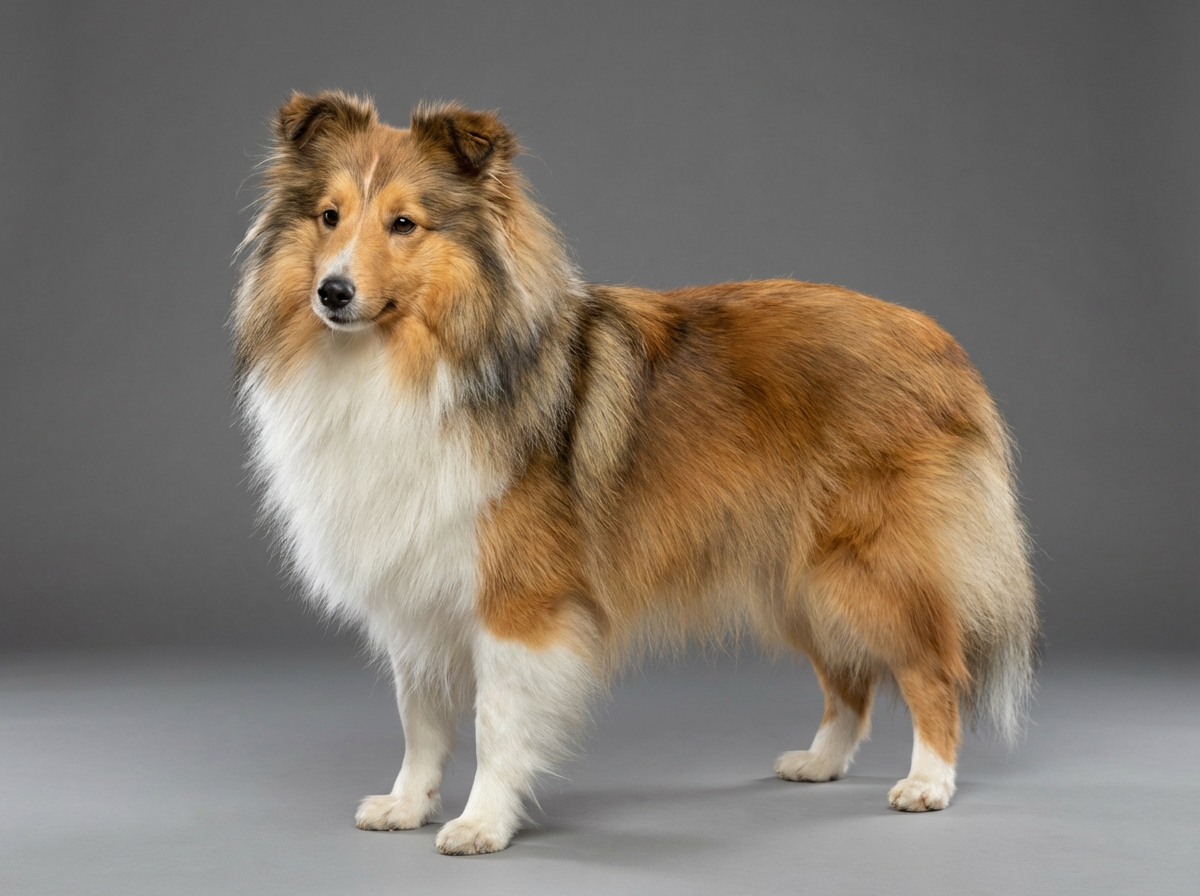
Health
What is the praying position?
Front end down, hindquarters raised. Dogs adopt it to ease abdominal pain, and in a vomiting dog it strongly suggests pancreatitis.

Quick answer
What is the praying position?
Front end down, hindquarters raised. Dogs adopt it to ease abdominal pain, and in a vomiting dog it strongly suggests pancreatitis.
Everyone knows about the Christmas turkey skin. Fewer Sheltie owners know that this breed has a documented condition which quietly raises the risk all year round.
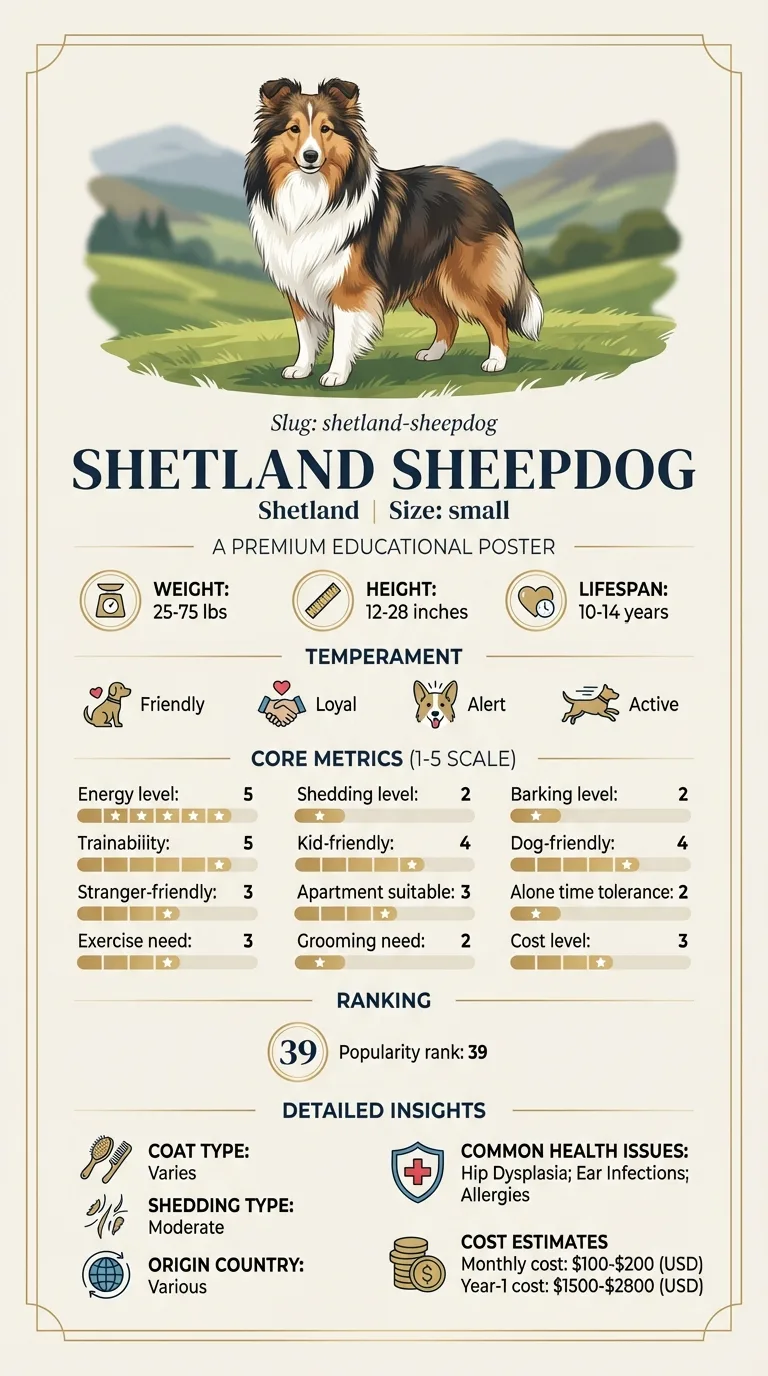
Owners of a Sheltie that has vomited repeatedly and adopted a strange hunched posture, and owners of a hypothyroid Sheltie who have been told to be careful about fat and want to understand why.
This guide is not medical advice. If your dog shows pain, sudden behavior change, or worsening symptoms, consult a licensed veterinarian.
Some links may be affiliate links. We may earn a commission at no extra cost to you. We only suggest products we believe are helpful for dog owners.
We research and check what we publish, but we do not warrant that any figure, date, price, or statement is accurate, complete, or current, and we accept no liability for any loss, cost, injury, or other harm arising from the use of this site. Use it as one reference among several. You remain responsible for your own decisions and for your dog's care - confirm anything that matters with a licensed veterinarian or another qualified professional before you act on it. Full disclaimer.
Pancreatitis is inflammation of the pancreas caused by its own digestive enzymes activating prematurely inside the organ. It presents as repeated vomiting, severe abdominal pain, a distinctive praying posture and complete loss of appetite. In Shetland Sheepdogs the well-known dietary trigger is compounded by a breed-specific route: documented hypothyroidism raises blood fats, and raised blood fats predispose to pancreatitis independently of what the dog ate.
Pancreatitis is a common emergency presentation in small dogs generally. In Shelties specifically, the additional contribution from thyroid-related lipid abnormalities makes it more relevant than a straight breed-risk table would suggest, particularly in middle-aged and older dogs where hypothyroidism is most likely.
The route into this condition in a Shetland Sheepdog is metabolic rather than anatomical. Hypothyroidism is documented in the breed and impairs the clearance of fats from the bloodstream, producing raised triglycerides which are a recognised predisposing factor for pancreatic inflammation. That connection makes thyroid testing part of the workup of any Sheltie with pancreatitis and no obvious dietary explanation. MDR1 drug sensitivity, also documented, shapes which anti-nausea and supportive medications are appropriate during treatment, which is not a cause but is a genuine breed consideration in the hospital.
Access to fat is the dominant environmental factor, and households underestimate how much of it exists. Bins, worktops, barbecues, the visiting relative who does not believe in rules, and other dogs' food all supply it. The second factor is body condition, since an overweight dog is at higher baseline risk and a Sheltie's coat prevents owners from noticing the gain. The third is timing: risk concentrates around holidays and celebrations, which is when emergency clinics see the cases arrive.
Go the same day, treating it as urgent: repeated vomiting, a hunched or praying posture, obvious abdominal pain, refusal to eat, or lethargy in a dog that was normal yesterday. Go immediately, as an emergency, if the dog is collapsed, has pale or grey gums, has a distended tense abdomen, is retching without producing anything, or seems to be deteriorating hour by hour, since a distended abdomen with unproductive retching can also indicate a twisted stomach, which is rapidly fatal. Do not fast a painful vomiting dog at home in the hope it settles; that is outdated advice and it costs time. Mention hypothyroidism if your dog has it, and give the MDR1 status.
See all Shetland Sheepdog health problems, which breeds are prone to pancreatitis, or the full Shetland Sheepdog breed guide for temperament, exercise needs and ownership costs.
A mild episode treated promptly often resolves over two to four days with fluids, pain relief and careful reintroduction of food. Moderate to severe cases can mean several days to a week of hospitalisation and a longer convalescence. Appetite is usually the last thing to return. Recurrence risk remains elevated afterwards, so dietary management is generally indefinite rather than temporary, and any underlying thyroid problem needs treating in parallel.
Success in the short term is a dog eating normally and free of pain within a week. Success in the long term is no second episode, which usually depends on three things: a low-fat routine everyone in the household actually follows, a dog kept at a lean weight, and any underlying hypothyroidism identified and properly treated. A dog that has one episode and never another has had a good outcome from a bad night.
Hypothyroidism is on the Shetland Sheepdog's documented health list. One of the things thyroid hormone regulates is how the body clears fats from the bloodstream, and a hypothyroid dog frequently develops elevated blood triglycerides and cholesterol.
Persistently high blood fat is itself a recognised predisposing factor for pancreatitis. So a Sheltie with undiagnosed or poorly controlled thyroid disease is not simply a slow, scruffy, overweight dog. It is a dog carrying a chronic metabolic risk factor for a painful and potentially serious abdominal condition.
This matters practically in three ways. First, a Sheltie that has had an episode of pancreatitis with no obvious dietary trigger deserves a thyroid panel as part of the investigation rather than a shrug. Second, a hypothyroid Sheltie on replacement therapy has a genuine reason to be careful with fat that goes beyond generic caution. And third, treating the thyroid properly may itself reduce the risk, because bringing the hormone level back to normal generally brings the blood fats down with it.
The other breed-relevant factor is weight. Obesity is an independent risk factor for pancreatitis, and a Sheltie's dense double coat hides two or three pounds of gain completely, so the risk accumulates without anyone seeing it.
Pancreatitis in a dog is genuinely painful, and the presentation is fairly distinctive once you know what to look for.

If you think your Shetland has pancreatitis, the plan is three steps: write down what you have seen and when it started, book a veterinary appointment rather than waiting for the next flare, and take video of the behaviour or symptom before you go — the thing you are worried about rarely happens in the consulting room. Screening in the parents covers collie eye anomaly, mdr1 drug sensitivity, dermatomyositis.
What the vet visit should produce is a diagnosis and a written plan, not just reassurance: what is being ruled out, what the monitoring interval is, and which signs mean you come back sooner. Ask what the treatment costs across a year rather than per visit, because that is the number that decides whether you are managing this condition or reacting to it.
Between appointments, keep a short log — dates, what you saw, what changed. It is the single most useful thing an owner brings to a follow-up, and for pancreatitis it is often what separates a clear pattern from a guess.
Nadia's Sheltie, Bruno, had pancreatitis at eight after a barbecue, which everyone put down to a plate of sausages he had helped himself to. He was hospitalised for three days and recovered well. Fourteen months later he had a second episode, and this time there was nothing to blame. Nadia had been careful, the bin was locked, and no one had fed him anything. Her vet ran a broader workup and found markedly raised triglycerides, then a thyroid panel that came back clearly low. Looking back, Bruno had gained weight, his coat had gone flat across the flanks and he had been sleeping through the evening walk, all of which Nadia had attributed to him getting older. He went onto thyroid replacement therapy and a low-fat diet. His blood fats came down over the following months, his coat regrew, and he has had no further episodes in three years.
Key takeaway: A second episode of pancreatitis without a dietary cause is a metabolic question, not bad luck. In a Shetland Sheepdog that means checking the thyroid, because the breed's documented endocrine condition raises blood fats and blood fats raise pancreatic risk.
Pancreatitis is not itself on the breed's documented health list, but hypothyroidism is, and thyroid disease raises blood fats which in turn predispose to pancreatitis. So the breed has an indirect route to increased risk that is worth knowing about and is entirely manageable once identified.
High-fat food is the classic trigger: turkey skin, sausages, bacon fat, butter, drippings, and rich table scraps generally. A single large fatty meal is enough in a susceptible dog. Rubbish bin raiding is the other common route, and a determined twenty pound herding dog is entirely capable of both.
Treat it as one. Severe cases cause dehydration, systemic inflammation and shock, and dogs can deteriorate quickly. Repeated vomiting with abdominal pain in a dog that will not eat needs same-day veterinary care, not overnight observation at home.
A combination of clinical signs, a specific pancreatic blood test, general bloodwork and abdominal ultrasound. No single test is perfect, which is why the picture is assembled rather than read off one result. Ultrasound also helps exclude the other causes of an acute painful abdomen.
Often yes after a significant episode, particularly in a dog with an underlying reason for raised blood fats. Recurrence is common and diet is the main preventive lever available. Your vet will set this based on the severity of the episode and any underlying condition.
It does, because some anti-nausea and anti-diarrhoeal drugs used in gastrointestinal cases are affected by MDR1 status, and a vomiting dog will be given anti-nausea medication. Have the genotype tested and recorded so that an emergency visit does not start with an unanswered question.
It can. Repeated or severe inflammation damages the hormone-producing cells within the pancreas as well as the enzyme-producing ones, and some dogs go on to develop diabetes or exocrine pancreatic insufficiency. That is a strong reason to take prevention seriously after a first episode.
Front end down, hindquarters raised. Dogs adopt it to ease abdominal pain, and in a vomiting dog it strongly suggests pancreatitis.
It is the classic one, but underlying causes matter too. In Shelties, undiagnosed hypothyroidism raising blood fats is a genuine contributing route.
No. Prolonged home fasting is outdated advice and delays care. A dog with repeated vomiting and abdominal pain needs to be seen the same day.
Hospitalisation with fluids, pain relief and monitoring typically runs into four figures for a moderate case, well above this breed's normal running cost.
Brief every guest, keep the bin secured, and give the dog something legitimate to do while food is being served rather than relying on vigilance.
A one-page prep sheet for this condition: the signs, the questions to ask, what to get priced. Unlocks here.
You get: Vet visit prep sheet
No spam. One-click unsubscribe. See our privacy policy.
Preview page 1 before you decide.