Health
What is the single most urgent sign of an allergic reaction?
Weakness or collapse with pale gums. That combination means circulation is failing and needs an emergency hospital now, not a wait-and-see hour at home.

Quick answer
What is the single most urgent sign of an allergic reaction?
Weakness or collapse with pale gums. That combination means circulation is failing and needs an emergency hospital now, not a wait-and-see hour at home.
An acute allergic reaction is not the slow, itchy story most owners picture when they hear the word allergy. It arrives in minutes, and in a 15 to 25 pound dog the margin for waiting it out is thin.
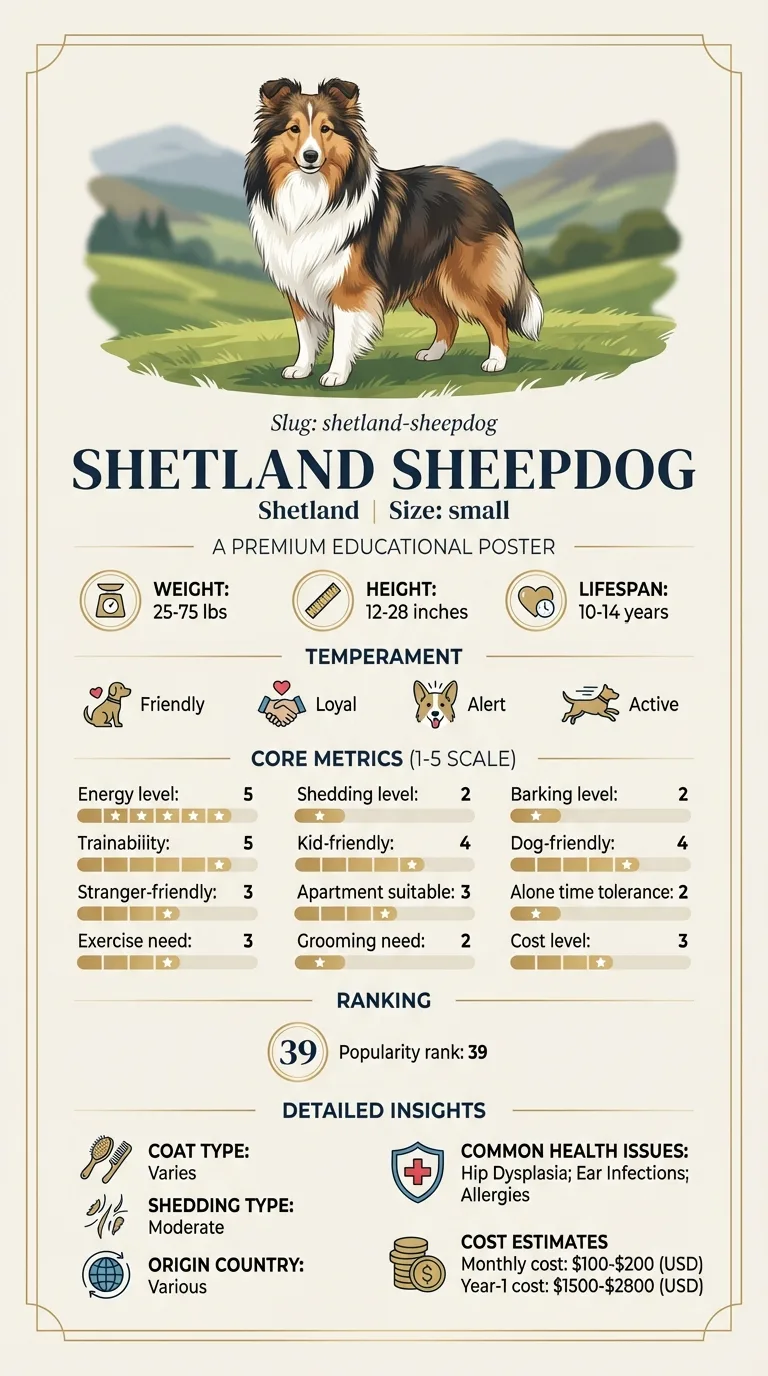
Owners who just left a booster appointment and noticed a puffy face in the car park. People whose Sheltie explores hedgerows and flower beds and comes home with a hot, swollen paw. Anyone who has been told their dog reacted to something before and now dreads the next injection without knowing what to watch for.
This guide is not medical advice. If your dog shows pain, sudden behavior change, or worsening symptoms, consult a licensed veterinarian.
Some links may be affiliate links. We may earn a commission at no extra cost to you. We only suggest products we believe are helpful for dog owners.
We research and check what we publish, but we do not warrant that any figure, date, price, or statement is accurate, complete, or current, and we accept no liability for any loss, cost, injury, or other harm arising from the use of this site. Use it as one reference among several. You remain responsible for your own decisions and for your dog's care - confirm anything that matters with a licensed veterinarian or another qualified professional before you act on it. Full disclaimer.
Check this first
Reactions sit on a ladder, and the rung matters more than the trigger. At the bottom sits localised swelling: one paw fat after a sting, a lump at an injection site, a patch of hives on the belly. The dog is bright, breathing normally and interested in food. That is a call-your-practice-today situation, not a midnight drive.
One rung up, the swelling spreads. The face puffs, the ears thicken, hives appear over the body, and the dog is restless or scratching hard. Many dogs also vomit or have a sudden loose stool, because the gut reacts alongside the skin. This is the point to phone the clinic and go in, because reactions climb rather than plateau.
At the top is anaphylaxis, and it is a true emergency. Signs are weakness, staggering, collapse, pale or white gums, laboured or noisy breathing, and in dogs specifically a sudden bout of vomiting or bloody diarrhoea. Dogs concentrate anaphylaxis in the liver and gut rather than the airway, which is why gastrointestinal signs plus a wobbly dog is the pattern to fear. Do not wait to see if it settles. Drive to the nearest open veterinary hospital and phone them from the road so they can meet you at the door.
One breed note that matters here. The Shetland Sheepdog carries a documented MDR1 drug sensitivity, an inherited difference in how the body handles certain drug molecules. It does not cause allergic reactions, and it should never delay emergency treatment. It does mean the treating team benefits from knowing the dog is a Sheltie and whether it has been DNA tested, so tell them at the desk rather than after the fact.
If any of these apply, call your vet or an emergency clinic now. The rest of this page is for the cases that are not an emergency.
An acute allergic reaction is the immune system responding fast and out of proportion to something it has met before. In dogs the visible result is usually swelling and hives, and the dangerous result is a drop in blood pressure as fluid leaves the circulation. Because a Shetland Sheepdog weighs only 15 to 25 pounds, the volume of fluid it can afford to lose is small, and the slide from puffy face to genuinely unwell dog can happen inside an hour.
True anaphylaxis is uncommon in any breed, and it is not one of the five conditions documented on the Shetland Sheepdog health profile. Milder reactions are far more ordinary: most veterinary practices see several sting and vaccine reactions a month across their caseload. The practical framing is that this is a low probability event with a high consequence, which is exactly the kind of thing worth rehearsing before it happens.
There is no documented breed predisposition to anaphylaxis in the Shetland Sheepdog. What the breed does contribute is body size and coat. At 15 to 25 pounds a Sheltie has a small circulating blood volume, so the same volume of fluid shifting out of the vessels has a bigger effect than it would in a large dog. The long, dense double coat then delays detection, because early hives lift the guard hairs instead of appearing as obvious bumps. The breed also carries a documented MDR1 drug sensitivity, which is relevant to how a vet chooses supporting medications rather than to the reaction itself.
Exposure drives everything. A Sheltie with a strong herding instinct and an exercise need rated four out of five spends a lot of time nose-down in grass, hedges and flowering ground cover, which is where stinging insects live. Late summer, when wasps are aggressive and windfall fruit is on the ground, is the peak season. Vaccination and parasite treatment appointments create their own cluster of reactions simply because that is when novel substances enter the body.
Go immediately, without phoning first if that is faster, for collapse, staggering, pale or grey gums, laboured or noisy breathing, or sudden vomiting and diarrhoea in a dog who was fine minutes earlier. That combination is anaphylaxis until proven otherwise and it is a true emergency. Go the same day for facial or muzzle swelling, hives spreading beyond one area, swelling anywhere near the mouth or throat, or a reaction that started mild and is still worsening after thirty minutes. Book a routine appointment for a single fat paw, a small firm lump at an injection site, or hives that appeared and faded within an hour, so the event is on record before the next vaccination is due.
See all Shetland Sheepdog health problems, which breeds are prone to allergic reactions, or the full Shetland Sheepdog breed guide for temperament, exercise needs and ownership costs.
A treated mild reaction usually settles within twelve to twenty four hours, though hives sometimes come back once as the medication wears off. A dog treated for anaphylaxis is typically hospitalised for a day of fluids and monitoring. Identifying the trigger, if it is ever identified at all, often takes until the second event.
Success is not a dog who never reacts again, because you cannot control every wasp and every new medication. It is an owner who spots the change in the face early, knows which rung of the ladder they are on, and gets to help without losing an hour to indecision.
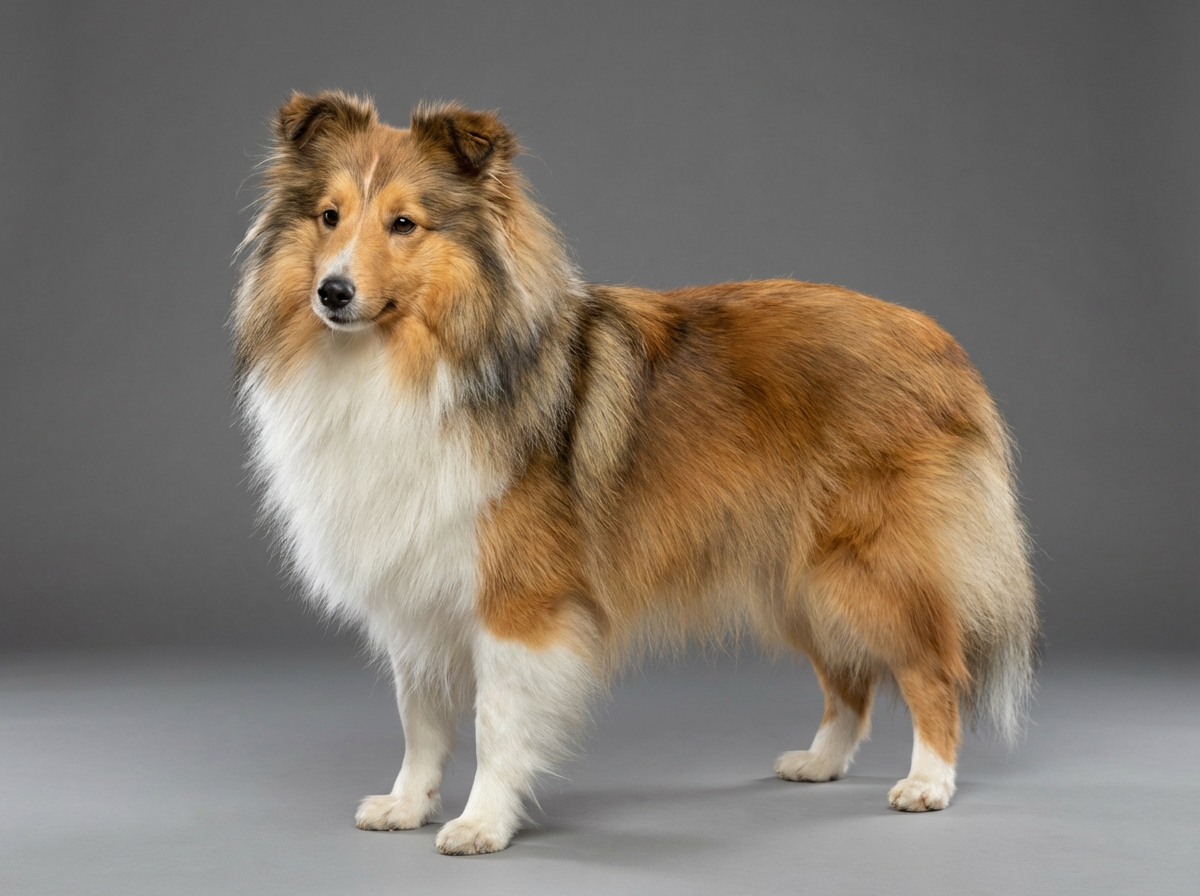
The Shetland Sheepdog carries a long, dense double coat with a harsh outer layer and a thick woolly undercoat. That coat is excellent insulation and a terrible window into the skin underneath. If you are trying to spot an early reaction, check the places where the coat is thin or absent.
Bramble was a six year old sable Sheltie who patrolled her owner's small orchard every afternoon. In early September her owner, Tom, noticed she was rubbing her face along the grass and had gone quiet, which was unusual for a dog with the barking habits of the breed. Under all that coat he could not see much, so he lifted her lip. The muzzle was thickening and the gums were paler than he remembered. He phoned the practice from the car. By the time he arrived, twenty minutes later, Bramble had vomited twice and was reluctant to stand. She was treated for a systemic reaction, spent the night on fluids, and went home the next morning with a slightly comic swollen lip and nothing worse. The sting was never found. Tom now clears the windfalls twice a week and checks Bramble's gums whenever she goes oddly quiet outdoors.
Key takeaway: In a heavily coated breed, behaviour change is often the first symptom you can actually see. A quiet Sheltie is worth a gum check.
Insect stings and injections tend to show within fifteen minutes to two hours. Food reactions can be slower, sometimes six to twelve hours before hives or vomiting appear. If you have just had a vaccine given, staying within a short drive of the clinic for the first hour is a reasonable habit for a dog with any reaction history.
Usually yes, but the plan should change. Vets commonly split combination vaccines across separate visits, pre-treat before the appointment, and ask you to wait in the building afterwards. That is a conversation to have well before the booster is due, not on the day.
Hives alone are uncomfortable rather than life threatening. What makes them worth watching is that they mark the body reacting systemically, and the same reaction can progress. Hives plus facial swelling, hives plus vomiting, or hives plus a dog who seems weak all move the situation up a rung.
Phone the clinic and ask rather than deciding at home. Several common household medicines are unsafe for dogs, doses do not scale down from people to a 20 pound Sheltie, and an antihistamine given blind can mask the picture the vet needs to see. A thirty second call gets you a real answer.
It makes them less likely on the body and more likely on the bare parts. Most Sheltie stings land on the muzzle, lip, tongue or paw pad, because that is where a curious herding dog makes contact with the world. Muzzle and mouth stings deserve closer watching because swelling there sits near the airway.
The time it started, what the dog ate or was given in the six hours before, where you had walked, the first sign you saw, and how it changed. That short record is what turns a mystery into a manageable pattern at the follow-up appointment.
Not usually. A small firm swelling at the injection point is often a local inflammatory response and settles over a couple of weeks. It is worth reporting, and worth rechecking if it is still there after a month, but it behaves very differently from a spreading reaction.
Weakness or collapse with pale gums. That combination means circulation is failing and needs an emergency hospital now, not a wait-and-see hour at home.
On the muzzle, inside the ear flaps and on the bare skin of the belly and groin. The dense body coat hides them, so feel with a flat hand rather than relying on your eyes.
Yes. Say it is a Shetland Sheepdog and whether it has been DNA tested for MDR1 drug sensitivity. It changes nothing about the urgency but it is useful information for the treating team.
Expect an out-of-hours consultation fee plus treatment and monitoring. It is one reason owners of a breed with a monthly running cost of roughly eighty to a hundred and fifty dollars still keep an emergency fund or insurance.
Indirectly. A reliable leave it cue keeps a nosy Sheltie out of wasp nests and unknown food on the ground, and this breed has the trainability to learn it quickly.
A one-page prep sheet for this condition: the signs, the questions to ask, what to get priced. Unlocks here.
You get: Vet visit prep sheet
No spam. One-click unsubscribe. See our privacy policy.
Preview page 1 before you decide.