DogBreedCompass
← Back to breed profile

Secondary Skin Infections in Shetland Sheepdogs

Quick answer

Are facial fold infections a risk for Shetland Sheepdogs?

No, this breed lacks the deep facial wrinkles that cause fold infections in wrinkled breeds. The real risk here comes from the dense double coat trapping moisture elsewhere on the body.

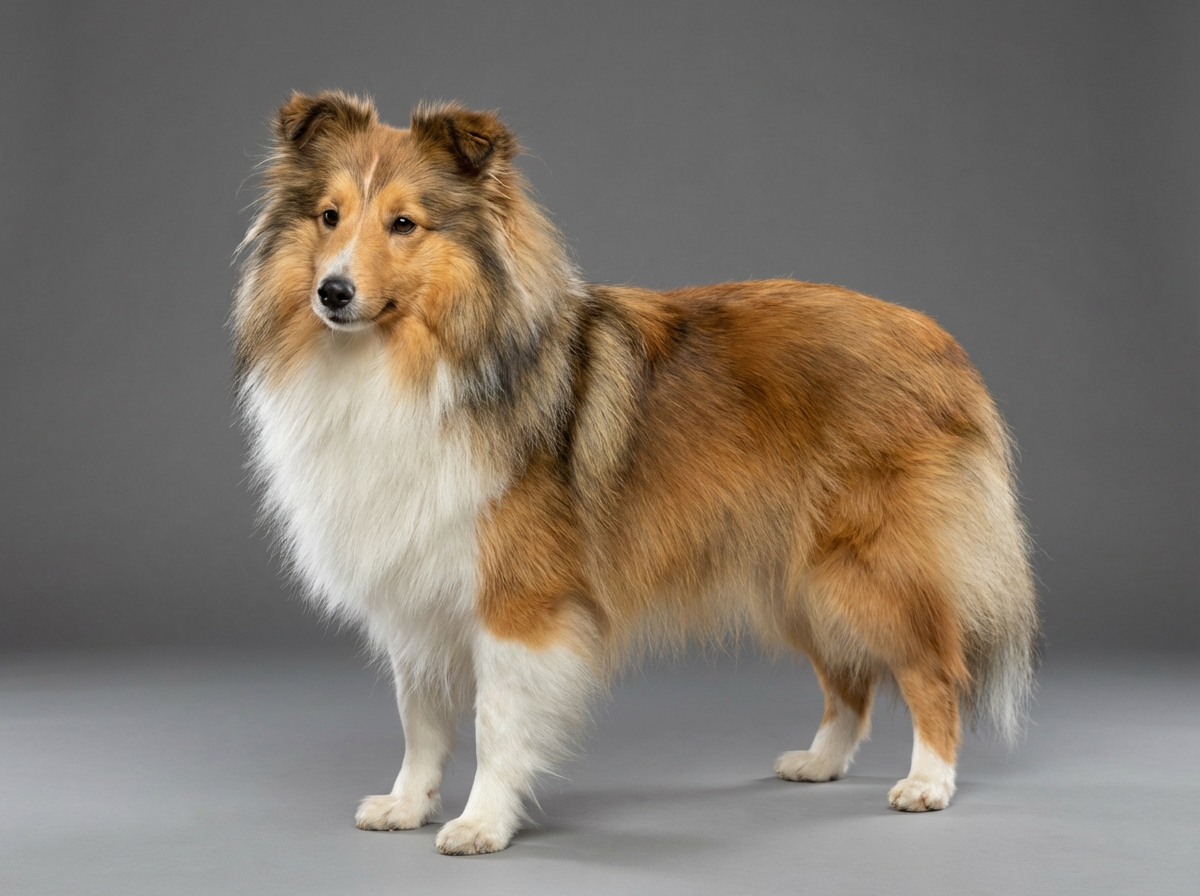
In a wrinkled, folded breed, skin infections set up shop in the folds themselves. A Shetland Sheepdog has a long, flat-planed face with no deep facial folds to speak of, so the real risk in this breed sits somewhere else entirely: the coat itself.

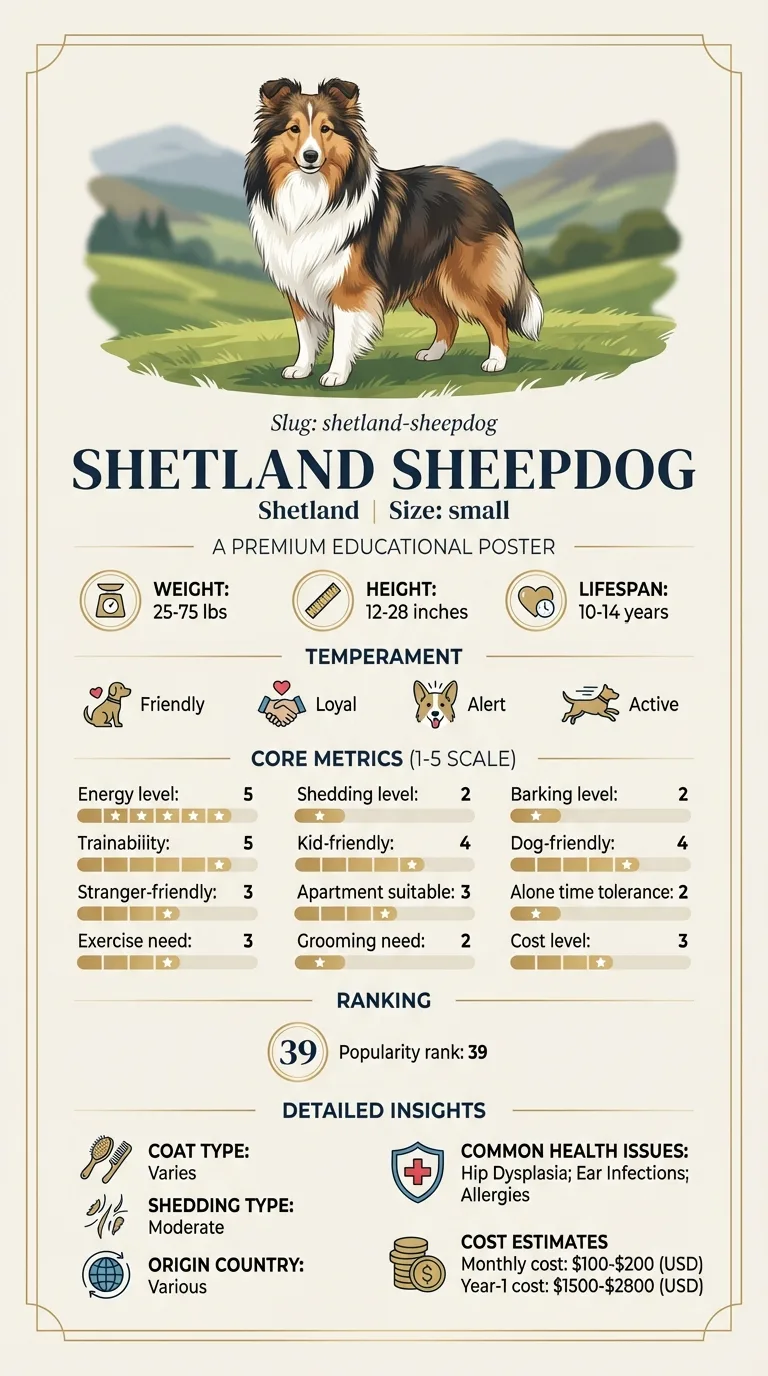
Secondary Skin Infections in Shetland Sheepdogs infographic

Owners who have found a suddenly raw, wet, foul-smelling patch of skin that seemed to appear overnight. People whose dog keeps developing infections between the toes or around the paws. Anyone managing a Sheltie with an underlying allergy or thyroid condition who keeps ending up back at the vet for what looks like a new, separate skin problem each time.

Important reminder

This guide is not medical advice. If your dog shows pain, sudden behavior change, or worsening symptoms, consult a licensed veterinarian.

Some links may be affiliate links. We may earn a commission at no extra cost to you. We only suggest products we believe are helpful for dog owners.

Check this first

Why a hot spot is the one skin infection that genuinely cannot wait

Most skin infections in this breed develop over days. A hot spot is the exception, and it is worth understanding why, because the speed catches owners off guard more than almost any other coat-related problem. The process starts with an itch, from an insect bite, a mat, a graze, or an allergic flare, and the dog responds by licking or scratching at the spot. Saliva and continued trauma break the skin's surface, bacteria multiply rapidly in the warm, moist environment that creates, and because it itches more as it becomes infected, the dog licks harder, which enlarges the area further. This cycle can turn a coin-sized irritation into a raw, weeping patch several inches across within a single day, sometimes within a matter of hours.

A heavily coated breed is at a specific disadvantage here for two reasons. First, the surrounding hair mats down over the wet, weeping surface and traps the same moisture that is feeding the infection, which is why clipping the hair back from a hot spot is one of the first things a vet does rather than an optional extra. Second, because the coat conceals the early, small version of the problem, owners frequently do not discover a hot spot until it has already reached a significant size, at the point where the dog's constant licking or an unpleasant smell finally draws attention to it.

The practical implication is that a hot spot is one of the few skin presentations in this breed that genuinely justifies a same-day appointment rather than a wait-and-see approach, because the difference between catching it at coin size and catching it at hand size is often measured in a single day of untreated licking. Everyday prevention matters more here than in almost any other coat condition: regular brushing to the skin means you are far more likely to feel a small hot area developing before it becomes visible, and prompt attention to any insect bite, graze or itchy patch, including an Elizabethan collar if the dog will not leave it alone, interrupts the lick-worsen-lick cycle before it accelerates.

If any of these apply, call your vet or an emergency clinic now. The rest of this page is for the cases that are not an emergency.

What this problem looks like

Secondary skin infections in Shetland Sheepdogs are driven by the breed's dense double coat trapping moisture, debris and heat against the skin, rather than by facial folds, which this breed does not have. Hot spots, interdigital infections and infections secondary to allergic scratching are the main presentations, and the speed at which a hot spot in particular can escalate makes early recognition and prompt action genuinely important in this breed.

Common triggers

  • A lick-scratch cycle starting from an insect bite, graze or allergic itch and rapidly worsening into a hot spot
  • Matted undercoat trapping moisture and debris against the skin in a fixed area
  • Inadequate drying after bathing or wet walks leaving a damp environment against the skin
  • Persistent scratching from an underlying allergy breaking the skin's surface defence
  • Matted or overgrown fur between the toes trapping moisture and causing interdigital infection

Secondary skin infection is a common presentation in this breed given its coat type, though it is not one of the five conditions specifically documented for the Shetland Sheepdog in its own right. It typically arises as a complication of another underlying process, most often allergic itch, matting, or inadequate drying, rather than as a stand-alone inherited condition.

Why this happens

Breed factors

The Shetland Sheepdog's long, dense double coat, rated four out of five for grooming demand with heavy seasonal shedding, is the dominant breed factor. It traps moisture, oil and debris against the skin far more readily than a short coat does, and matting compounds this by sealing off airflow in a fixed spot for extended periods. The breed's documented hypothyroidism can independently reduce skin quality and immune resilience in affected dogs, making infection more likely once it establishes. Unlike breeds with deep facial wrinkles, the Sheltie's flat-planed face contributes essentially nothing to infection risk.

Environment factors

Anything that keeps the coat damp against the skin raises risk directly: incomplete drying after baths or wet walks, humid weather, and swimming without a proper dry-off afterwards. Infrequent brushing allows undercoat to mat, and fleas, environmental allergens or contact irritants that trigger scratching all create the initial break in the skin that a secondary infection then exploits. Warm summer weather, when bacteria and yeast multiply fastest, is the peak season for hot spots specifically.

What you can do at home (once it is not an emergency)

When to talk to your vet

Treat a rapidly spreading, wet, painful patch of skin, particularly one the dog is licking constantly, as same-day urgent, since a hot spot can double in size within hours and responds far better to prompt clipping and treatment than to delay. Book promptly for interdigital swelling or discharge, for a persistent unpleasant odour localised to one area, or for any skin infection that keeps recurring, since recurrence usually means an underlying allergy or endocrine cause has not yet been addressed. Routine appointment timing is reasonable for a small, dry, stable patch that is not actively spreading or being licked at.

At home, alongside your vet's plan

  • Brush to the skin several times a week, and daily during the seasonal shed, both to prevent matting and to feel any small hot or sore area early.
  • Dry the coat thoroughly to the skin after every bath or wet walk, rather than allowing it to air dry slowly from the inside.
  • Trim the hair between the toes and check the feet regularly for redness, swelling or discharge, particularly after walking through wet grass or mud.
  • Address any insect bite, graze or itchy patch promptly, using an Elizabethan collar if needed to stop licking before it escalates.
  • Keep parasite prevention and allergy management current, since interrupting the underlying itch is the most effective way to prevent secondary infection from developing in the first place.

See all Shetland Sheepdog health problems, which breeds are prone to skin infections, or the full Shetland Sheepdog breed guide for temperament, exercise needs and ownership costs.

What to expect, and how you know it is working

A hot spot treated promptly with clipping, cleaning and appropriate medication typically improves within three to five days. Interdigital infections usually clear within one to two weeks of appropriate treatment and coat management between the toes. Recurrent infections tied to an underlying allergy or thyroid condition will keep returning until that root cause is properly diagnosed and managed, regardless of how well each individual episode is treated.

Success is catching small areas of irritation during routine brushing before they become infected, and, for a dog with an underlying allergy or endocrine condition, a genuine drop in how often new infections occur once that root cause is addressed rather than only ever treating the latest flare in isolation.

The real infection risk in a heavily coated breed with a flat face

None of these require a facial fold to occur, and understanding that the mechanism here is coat-driven rather than fold-driven changes what prevention actually looks like for this breed.

  • Hot spots, medically acute moist dermatitis: a patch of skin, often on the neck, hip or flank, that goes from mildly irritated to raw, wet and rapidly spreading within hours, usually triggered by the dog licking or scratching at an itch until the surface breaks.
  • Interdigital infections: redness, swelling or discharge between the toes, often from matted fur trapping moisture and debris against the skin there, or from a foreign body such as a grass seed.
  • Infection secondary to allergic itch: any of the itchy areas typical of allergic skin disease, feet, armpits, groin, can develop a true bacterial or yeast infection once persistent scratching breaks the skin's surface defence.
  • Matting-related infection: a felted patch of undercoat, especially behind the ears, in the armpits or around the tail base, sealing moisture and debris against the skin in a fixed spot for days or weeks at a time.
  • Ear canal infection: not a skin fold in the facial sense, but the same principle of trapped moisture and warmth applies inside a Sheltie's well-furred ear canal, which is why ear infections are so frequently linked to skin allergy in this breed.
  • Post-bathing infection: a coat this dense that is not dried properly to the skin after a bath or a wet walk stays damp for hours, creating exactly the warm, moist environment bacteria and yeast need to multiply.

What to do next about skin infections in Shetlands

If you think your Shetland has skin infections, the plan is three steps: write down what you have seen and when it started, book a veterinary appointment rather than waiting for the next flare, and take video of the behaviour or symptom before you go — the thing you are worried about rarely happens in the consulting room. Screening in the parents covers collie eye anomaly, mdr1 drug sensitivity, dermatomyositis.

What the vet visit should produce is a diagnosis and a written plan, not just reassurance: what is being ruled out, what the monitoring interval is, and which signs mean you come back sooner. Ask what the treatment costs across a year rather than per visit, because that is the number that decides whether you are managing this condition or reacting to it.

Between appointments, keep a short log — dates, what you saw, what changed. It is the single most useful thing an owner brings to a follow-up, and for skin infections it is often what separates a clear pattern from a guess.

Ozzy, the Saturday swim, and the patch that tripled by dinner

Ozzy was a nine year old Sheltie who spent a warm Saturday afternoon swimming in a local pond with his owner, Freya. He was towelled off but, given how long his coat takes to dry, was still slightly damp at the roots by evening. Freya noticed him nibbling at a spot on his hip before bed and assumed it was nothing. By the next morning, the spot had become a raw, weeping patch roughly the size of a coin, and by early evening, after a day of Ozzy licking at it whenever Freya was not watching, it had grown to cover a significant part of his flank. She got him to an emergency vet that night rather than waiting for a routine appointment the following week. The hair was clipped back, the area cleaned, and Ozzy went home with medication and a collar. Freya now dries him properly to the skin with a forced dryer after every swim, and checks him over each evening during the warmer months when hot spots are most common.

Key takeaway: A hot spot that looks minor at bedtime can be dramatically larger by the next evening. Same-day attention is not overreacting; it is what actually limits how bad it gets.

Frequently asked questions

Do Shelties get facial fold infections like Bulldogs or Pugs?

No, this breed does not have the deep facial wrinkles that trap infection in those breeds. A Sheltie's face is long and relatively flat-planed, so this is not a meaningful risk here, and the coat is the far more relevant factor to manage instead.

How fast can a hot spot really get worse?

Genuinely within hours in some cases. What starts as a small itchy patch can become a raw, weeping area several inches across within a single day of continued licking, which is why this particular presentation deserves same-day veterinary attention rather than overnight monitoring.

Why does my Sheltie keep getting infections between the toes?

Matted fur between the pads traps moisture and debris against the skin, creating an environment bacteria and yeast thrive in. Keeping the hair between the toes trimmed and checking the feet after wet walks reduces this considerably.

Should I clip the coat short to prevent skin infections?

Generally not as a routine solution. The double coat regulates temperature and shedding it entirely can affect coat regrowth and heat tolerance without addressing the underlying moisture-trapping problem, which is better solved with thorough brushing to the skin and proper drying after baths.

Is a smell from my dog's skin always infection?

A persistent, unpleasant odour localised to one area, especially combined with visible redness, discharge or hair loss, usually does indicate infection rather than normal coat smell, and is worth a veterinary check rather than more frequent bathing alone.

How is a yeast infection different from a bacterial one on the skin?

Yeast infections often produce a greasy, sometimes musty-smelling patch with thickened or darkened skin, while bacterial infections more often look raw, wet or pustular. Both are common secondary infections in this breed and a vet can distinguish them and treat each appropriately.

Can I treat a hot spot myself before seeing a vet?

Gently clipping the hair back from the area and cleaning it carefully can help in the first hour if you cannot be seen immediately, but a hot spot that is spreading, painful, or not clearly improving needs veterinary treatment, usually including clipping, cleaning and medication, rather than home management alone.

Quick answers

View more answers
Health

Are facial fold infections a risk for Shetland Sheepdogs?

No, this breed lacks the deep facial wrinkles that cause fold infections in wrinkled breeds. The real risk here comes from the dense double coat trapping moisture elsewhere on the body.

Health

What is a hot spot and why is it urgent?

A rapidly spreading area of moist, infected skin caused by a lick-scratch cycle. It can grow from coin-sized to hand-sized within a day, so it deserves same-day veterinary attention.

Living

How can I prevent skin infections in a heavily coated Sheltie?

Brush to the skin regularly, dry thoroughly after every bath or wet walk, and keep the hair between the toes and around the ears trimmed.

Costs

How much does treating a hot spot cost?

A same-day visit for clipping, cleaning and medication is a moderate but manageable cost, far less than what a neglected, spreading infection eventually requires.

Health

Does an itchy allergy make skin infections more likely?

Yes, persistent scratching from an underlying allergy breaks the skin's surface defence, which is the most common route to a genuine secondary bacterial or yeast infection in this breed.

Related DogBreedCompass guides

  • skin allergies in Shetland SheepdogsUnderlying allergic itch is the most common root cause of the scratching that leads to secondary infection.
  • chronic itch and coat management in SheltiesChronic allergic skin disease and its ear and coat complications are covered in full depth separately.
  • comedo syndrome in Shetland SheepdogsA distinct follicular skin condition with its own non-infectious presentation is worth telling apart.
  • hypothyroidism in Shetland SheepdogsHypothyroidism can independently degrade skin quality and increase infection susceptibility.
  • Shetland Sheepdog breed guideFull breed profile covering coat type, grooming needs and documented health conditions.

Bring the right questions to the vet

A one-page prep sheet for this condition: the signs, the questions to ask, what to get priced. Unlocks here.

You get: Vet visit prep sheet

No spam. One-click unsubscribe. See our privacy policy.

Preview page 1 before you decide.

Related guides