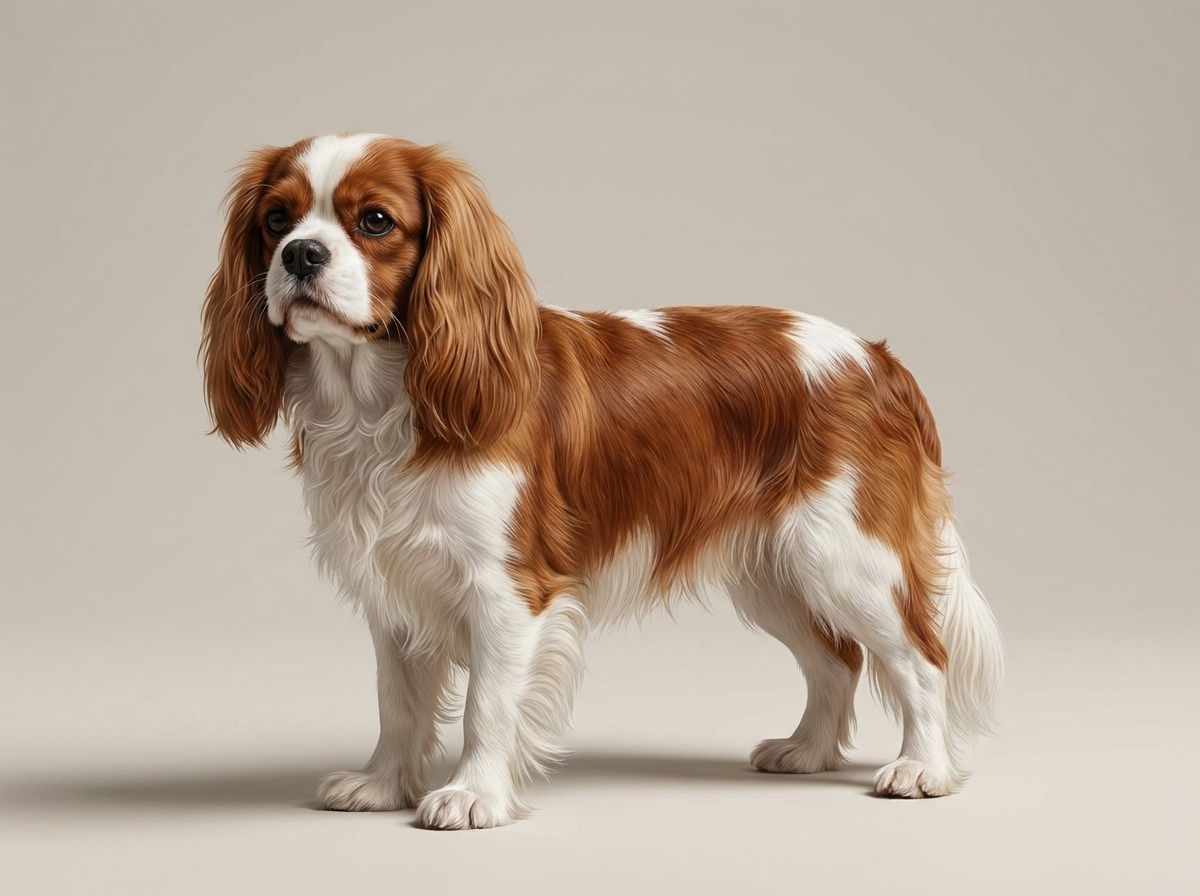
Health
What's the main reason Pug pregnancies carry elevated risk?
The breed's characteristic broad, large puppy head size relative to the mother's birth canal, which commonly causes labor to stall.

Quick answer
What's the main reason Pug pregnancies carry elevated risk?
The breed's characteristic broad, large puppy head size relative to the mother's birth canal, which commonly causes labor to stall.
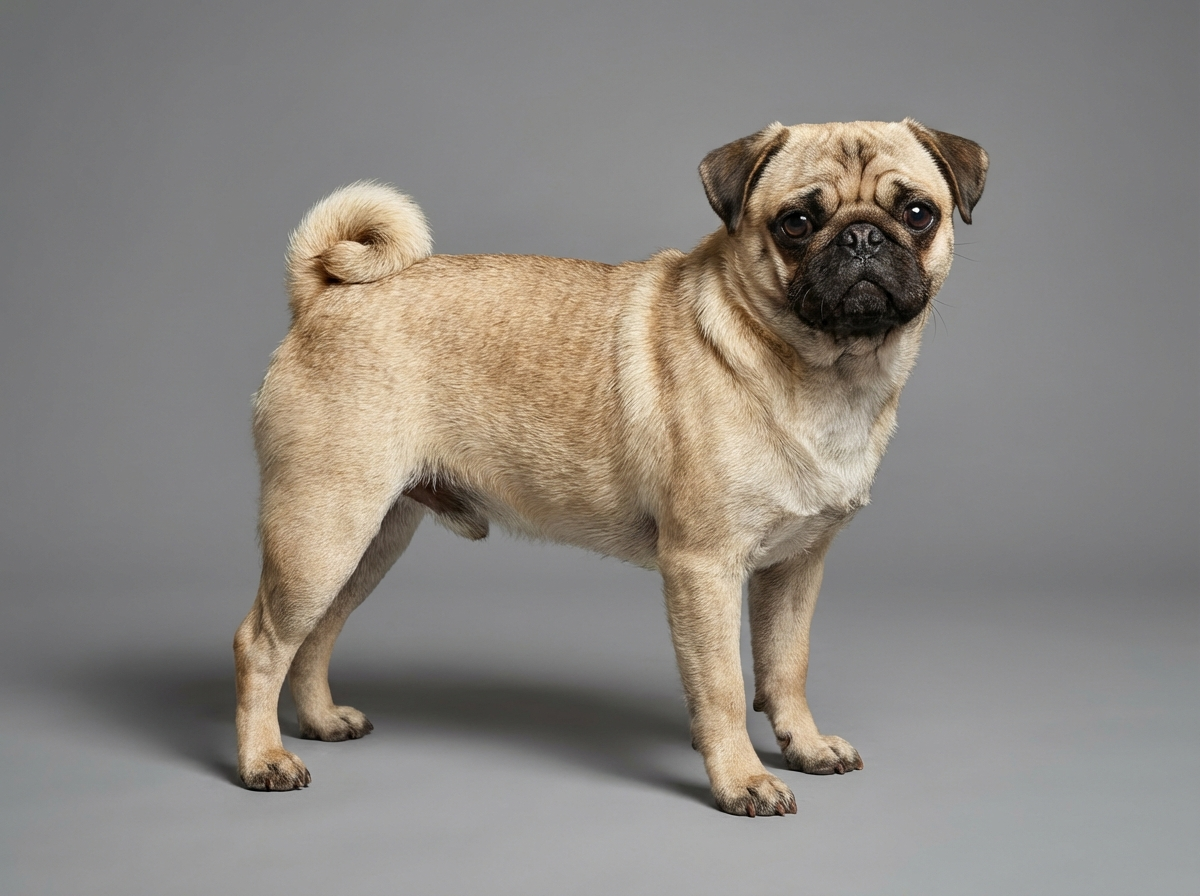
The same broad, flattened head that gives a Pug its distinctive look is also the single biggest reason natural whelping carries elevated risk in this breed — puppy head size and the mother's birth canal aren't always proportioned to match easily.
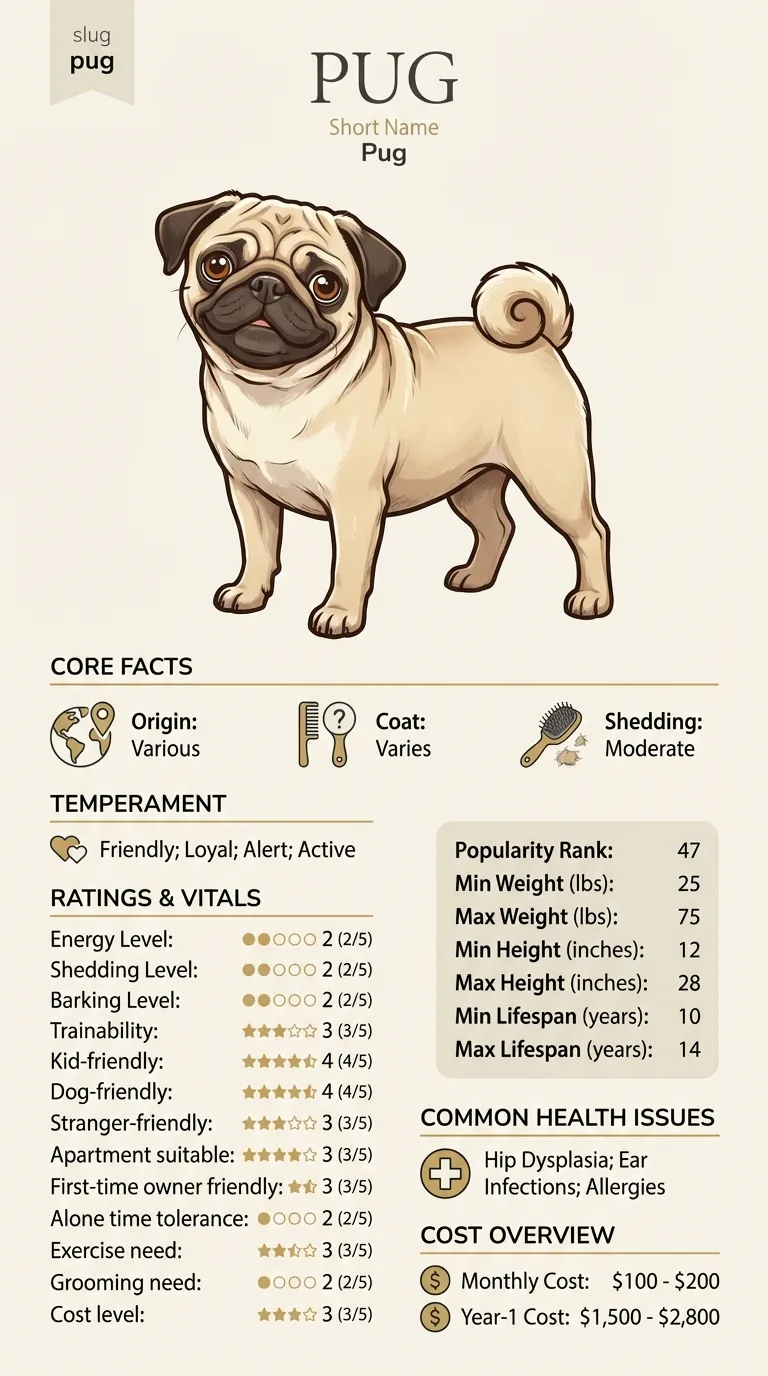
Owners or breeders considering breeding a female Pug, or currently navigating a pregnancy, trying to understand exactly what makes this breed's whelping process higher-risk than average.
This guide is not medical advice. If your dog shows pain, sudden behavior change, or worsening symptoms, consult a licensed veterinarian.
Some links may be affiliate links. We may earn a commission at no extra cost to you. We only suggest products we believe are helpful for dog owners.
We research and check what we publish, but we do not warrant that any figure, date, price, or statement is accurate, complete, or current, and we accept no liability for any loss, cost, injury, or other harm arising from the use of this site. Use it as one reference among several. You remain responsible for your own decisions and for your dog's care - confirm anything that matters with a licensed veterinarian or another qualified professional before you act on it. Full disclaimer.
Pugs face a well-documented elevated risk of pregnancy and whelping complications, driven primarily by the breed's characteristic large, broad puppy head size relative to the mother's pelvic canal. This structural mismatch frequently causes labor to stall, making planned cesarean delivery a common and often recommended approach.
Comparative research has documented brachycephalic breeds, Pugs included, at a substantially elevated rate of pregnancy and whelping complications relative to non-brachycephalic breeds, making this one of the more consequential structural risks tied to breeding decisions in this breed.
The Pug's characteristic broad, large head — the same defining trait seen in adult dogs — is inherited by puppies and creates a structural mismatch with the mother's pelvic canal during natural birth, which is the primary documented driver of this breed's elevated complication rate.
Insufficient prenatal monitoring or attempting an unplanned, unmonitored natural delivery without veterinary backup increases the practical risk of a poor outcome when dystocia does occur, even though the underlying anatomical mismatch itself isn't caused by environmental factors.
Discuss breeding plans and pregnancy monitoring with your vet well in advance of any planned breeding, given this breed's documented risk profile. During labor, seek immediate veterinary attention for prolonged straining without progress, visible distress, or any signs that labor has stalled, since delay can put both mother and puppies at serious risk.
Start here: Pug Most Common Genetic Disorders: What to Screen For
See all PUG health problems, which breeds are prone to pregnancy complications, or the full PUG breed guide for temperament, exercise needs and ownership costs.
Pregnancy planning ideally begins weeks before breeding with a veterinary evaluation, continues through monitored gestation, and culminates in a scheduled delivery plan set in the final week before the due date.
Success is a safely delivered, healthy litter and mother, achieved through proactive planning and monitoring rather than an unmonitored natural delivery — recognizing that the underlying anatomical risk factor itself is a permanent feature of the breed's structure, not something that can be eliminated.
Brachycephalic puppies, Pugs included, tend to have relatively large, broad heads compared to their overall body size, a trait inherited directly from the parents' own head conformation. During natural birth, puppy head size relative to the mother's pelvic canal is one of the most important factors determining whether labor can progress normally — and in breeds with this head shape, that proportion is frequently tight enough to cause labor to stall partway through, a condition called dystocia.
This mechanical mismatch is the core reason cesarean delivery rates are documented as dramatically higher in brachycephalic breeds than in breeds with more typical head-to-body proportions. It isn't a matter of the mother being unfit or the puppies being unusually large in absolute terms — it's a structural proportion issue built into the same head shape that defines the breed, meaning it applies broadly across the breed population rather than being an occasional individual complication.
Given how well-documented this risk is, planning around it rather than reacting to complications during labor is the standard responsible approach in this breed.

When Marisol decided to breed her Pug, Coco, she consulted her vet early, having read that this breed carried elevated whelping risks. Together they planned a scheduled cesarean well before the due date rather than waiting to see how labor progressed naturally. As the due date approached, an ultrasound confirmed the puppies' head sizes looked proportionally large relative to Coco's pelvic canal — exactly the pattern her vet had flagged as a concern from the start. The scheduled cesarean went smoothly, delivering four healthy puppies with no emergency complications. Marisol's vet was candid afterward that attempting a natural delivery with that head-to-pelvis proportion would likely have led to a stalled labor and an emergency procedure under far more stressful circumstances.
Key takeaway: Given how consistently documented this breed's whelping risk is, planning delivery in advance rather than waiting to react to a stalled natural labor is the responsible, lower-stress approach.
It's primarily rooted in the breed's characteristic head shape — puppies with relatively large, broad heads compared to the mother's birth canal size can cause labor to stall, a complication called dystocia, which is documented at meaningfully higher rates in brachycephalic breeds.
Cesarean delivery rates are documented as considerably higher in brachycephalic breeds than in breeds without this head conformation, and many breeders plan for a scheduled cesarean in advance given how common this need is in the breed.
It can proceed normally in some cases, but given the documented elevated dystocia risk, close veterinary monitoring and a backup plan for emergency intervention are strongly recommended rather than assuming an unmonitored natural delivery will go smoothly.
Dystocia refers to difficult or obstructed labor, where puppies can't pass through the birth canal normally. In Pugs, it's frequently related to the proportion between puppy head size and the mother's pelvic canal, a structural issue tied to the breed's head shape.
Yes — given the well-documented elevated risk, a pre-breeding veterinary evaluation and a specific whelping plan, ideally including a scheduled cesarean option, are considered responsible practice for this breed rather than optional extras.
The mother's overall pelvic proportions matter, but the core issue is specifically the relative size of the puppy's head compared to that pelvic canal, a mismatch that's a documented breed-wide tendency rather than something unique to unusually small individual mothers.
Prenatal monitoring, including assessing fetal size and position as the due date approaches, can help anticipate whether natural delivery is realistic, allowing a scheduled cesarean to be planned in advance rather than attempted as an emergency response mid-labor.
The breed's characteristic broad, large puppy head size relative to the mother's birth canal, which commonly causes labor to stall.
Yes, considerably more common than in breeds without brachycephalic head conformation, and often planned in advance rather than only used as emergency intervention.
Planned cesarean delivery for a dog commonly runs into the hundreds to low thousands of dollars depending on the facility and any complications involved.
Given the documented elevated dystocia risk, close veterinary monitoring or a planned cesarean is the generally recommended approach rather than an entirely unmonitored natural delivery.
It's documented across brachycephalic breeds broadly that share a similar head-to-pelvis proportion issue, not unique to Pugs alone.
A one-page prep sheet for this condition: the signs, the questions to ask, what to get priced. Unlocks here.
You get: Vet visit prep sheet
No spam. One-click unsubscribe. See our privacy policy.
Preview page 1 before you decide.