Behavior
What are quick tips for Maltese pregnancy complications?
Ensure regular vet check-ups, provide a nutritious diet, and create a stress-free environment. Monitor her closely for any signs of complications.

Quick answer
What are quick tips for Maltese pregnancy complications?
Ensure regular vet check-ups, provide a nutritious diet, and create a stress-free environment. Monitor her closely for any signs of complications.
Maltese pregnancy complications can be a serious concern for dog owners. These issues can affect the health of both the mother and her puppies.
First-time Maltese owners or those unfamiliar with canine pregnancy may find themselves struggling. Busy families or individuals with hectic schedules might also feel overwhelmed by the extra care needed during this time.
This guide is not medical advice. If your dog shows pain, sudden behavior change, or worsening symptoms, consult a licensed veterinarian.
Some links may be affiliate links. We may earn a commission at no extra cost to you. We only suggest products we believe are helpful for dog owners.
We research and check what we publish, but we do not warrant that any figure, date, price, or statement is accurate, complete, or current, and we accept no liability for any loss, cost, injury, or other harm arising from the use of this site. Use it as one reference among several. You remain responsible for your own decisions and for your dog's care - confirm anything that matters with a licensed veterinarian or another qualified professional before you act on it. Full disclaimer.
Check this first
Recognizing when Maltese pregnancy complications require immediate veterinary attention is crucial. If you notice severe bleeding, significant lethargy, or if your dog is straining to deliver for over an hour without producing a puppy, these are red flags. Additionally, if your Maltese exhibits signs of distress, such as whining excessively or refusing to eat, it’s time to call your vet right away.
On the other hand, some signs can be monitored. Mild symptoms like occasional vomiting or slight appetite changes may not indicate a severe issue. You can maintain a watchful eye on your Maltese while keeping her comfortable. Ensure she has a quiet space and access to fresh water. If symptoms persist or worsen, however, don’t hesitate to seek professional guidance.
If any of these apply, call your vet or an emergency clinic now. The rest of this page is for the cases that are not an emergency.
Maltese pregnancy complications can be challenging for both the mother and her owner. These small dogs often face unique health risks during pregnancy, which can lead to distressing symptoms and potential health threats. Common issues include difficulty in delivery, hormonal imbalances, and increased vulnerability to infections, all of which require careful monitoring and support.
Pregnancy complications in Maltese dogs are not uncommon, with studies indicating they may have a 419% higher risk compared to other breeds. This heightened risk means that Maltese owners should be especially vigilant during the pregnancy period.
Maltese dogs, being a small breed, can face unique challenges during pregnancy. Their smaller size can lead to complications such as difficulty in carrying the puppies or birthing them. Additionally, they may be more prone to health issues like hypoglycemia and dental disease, which can complicate pregnancy.
Environmental factors also play a significant role in Maltese pregnancy complications. Stressful living conditions, lack of proper nutrition, or insufficient veterinary care can increase risks. A chaotic home environment or exposure to illness can add to the complications during pregnancy.
If you notice any concerning symptoms, such as lethargy, lack of appetite, or unusual discharge, contact your veterinarian immediately. It's crucial to get professional help if you suspect any pregnancy complications.
Avoiding certain behaviors is crucial when dealing with Maltese pregnancy complications. Here are some common mistakes that can worsen the situation, along with safer alternatives.
Start here: Maltese Most Common Genetic Disorders: What to Screen For
See all Maltese health problems, which breeds are prone to pregnancy complications, or the full Maltese breed guide for temperament, exercise needs and ownership costs.
Addressing Maltese pregnancy complications typically takes 6 to 12 weeks, depending on the severity and the owner's commitment to care and follow-up. Regular vet check-ups and monitoring are essential during this period.
Success means your Maltese can carry a pregnancy with fewer complications and show signs of improved health and behavior. You should notice your dog feeling more comfortable and less stressed.
Emily, a first-time dog owner, faced challenges when her Maltese, Bella, became pregnant. Bella started showing signs of distress and had trouble with her pregnancy. After consulting her vet, Emily learned about proper care and training methods to address these complications. With consistent vet visits and gentle training techniques, Bella's health improved, and she successfully delivered healthy puppies. Emily felt relieved and proud, having learned the importance of being proactive and involved in her dog's care.
Key takeaway: Understanding your Maltese's needs during pregnancy can prevent complications. Stay informed and involved to ensure a healthy experience for both you and your dog.
Maltese dogs can face pregnancy complications due to their small size and potential health issues. Factors like age, pre-existing conditions, and inadequate prenatal care can increase risks. It's crucial to monitor your Maltese closely and consult with a vet throughout her pregnancy.
To prevent complications, ensure your Maltese receives proper prenatal care. Regular vet check-ups, a balanced diet, and a stress-free environment are essential. Staying informed about her health can help you catch potential issues early.
If complications arise, seek veterinary assistance right away. Your vet may recommend treatments based on the specific issue, which might include medication or, in severe cases, surgery. Keeping your Maltese calm and comfortable during this time is also beneficial.
Yes, pregnancy complications can impact the health of the puppies. Issues like insufficient nutrition or stress can lead to low birth weights or health problems in the pups. Regular veterinary care is crucial to ensure the health of both the mother and her puppies.
You should consult a vet at the first sign of any unusual behavior or symptoms. Regular check-ups during pregnancy are also vital for monitoring your Maltese's health. Early intervention can prevent many serious complications.
Signs of Maltese pregnancy complications can include excessive vomiting, lethargy, or lack of appetite. If your Maltese shows these symptoms or any unusual behavior, it's important to consult your vet immediately.
If your Maltese is experiencing complications during pregnancy, contact your veterinarian right away. They may recommend immediate care or monitoring to ensure the health of both the mother and her puppies.
Yes, older Maltese dogs may be at a higher risk for pregnancy complications. If your dog is older than five years, it's crucial to have a thorough health check before breeding.
Ensure regular vet check-ups, provide a nutritious diet, and create a stress-free environment. Monitor her closely for any signs of complications.
Keep her calm with a cozy space, gentle interactions, and familiar toys. Consider consulting a vet for additional support if anxiety persists.
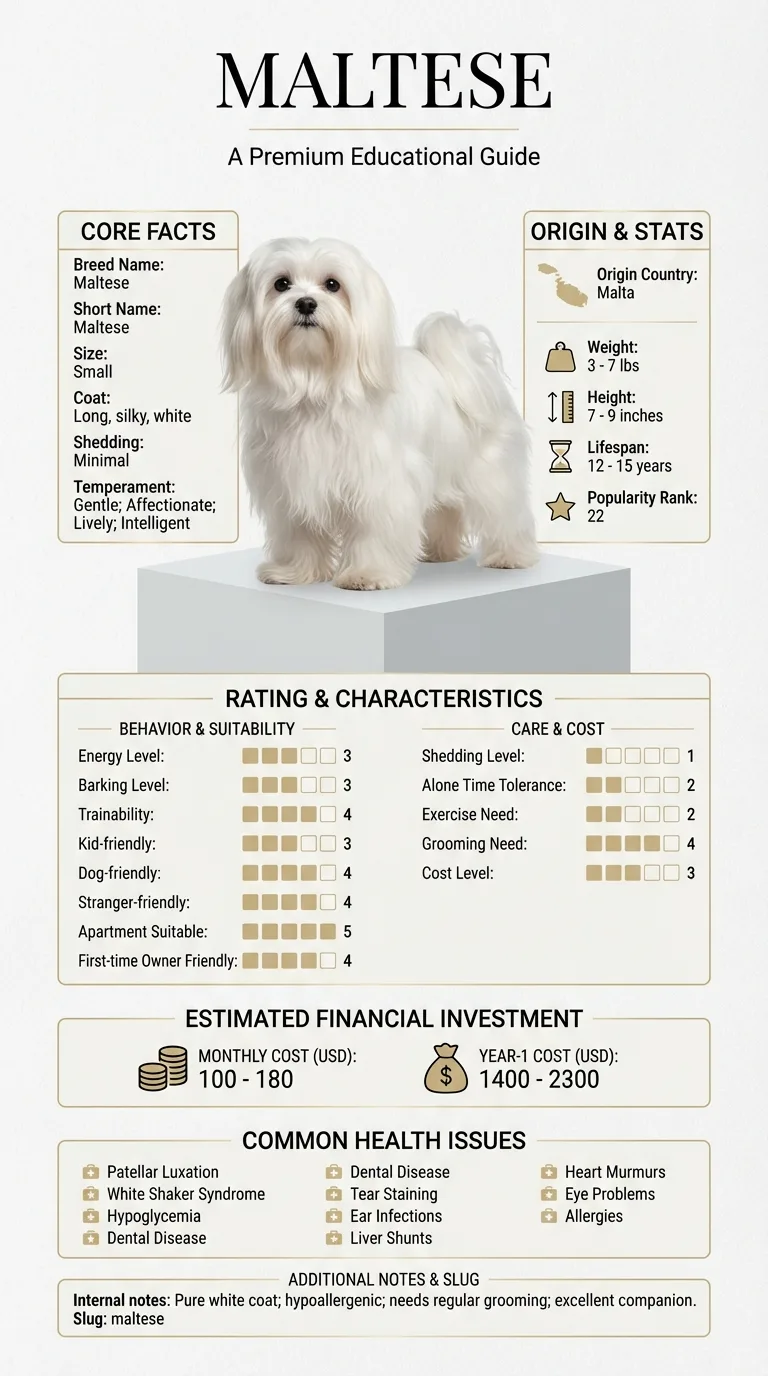
Expect to spend around $100 to $180 monthly on routine care, including vet visits and food. Emergency care can increase costs significantly.
The timing will depend on the severity of any complications. Your vet will provide guidance on potential delivery dates and necessary care.
Yes, health checks should include monitoring for common issues like patellar luxation and dental diseases, which can be more serious during pregnancy.
A one-page prep sheet for this condition: the signs, the questions to ask, what to get priced. Unlocks here.
You get: Vet visit prep sheet
No spam. One-click unsubscribe. See our privacy policy.
Preview page 1 before you decide.