Health
Why is dental disease faster in this breed?
A shortened jaw crowds the same number of teeth into less space, trapping plaque faster.

Quick answer
Why is dental disease faster in this breed?
A shortened jaw crowds the same number of teeth into less space, trapping plaque faster.
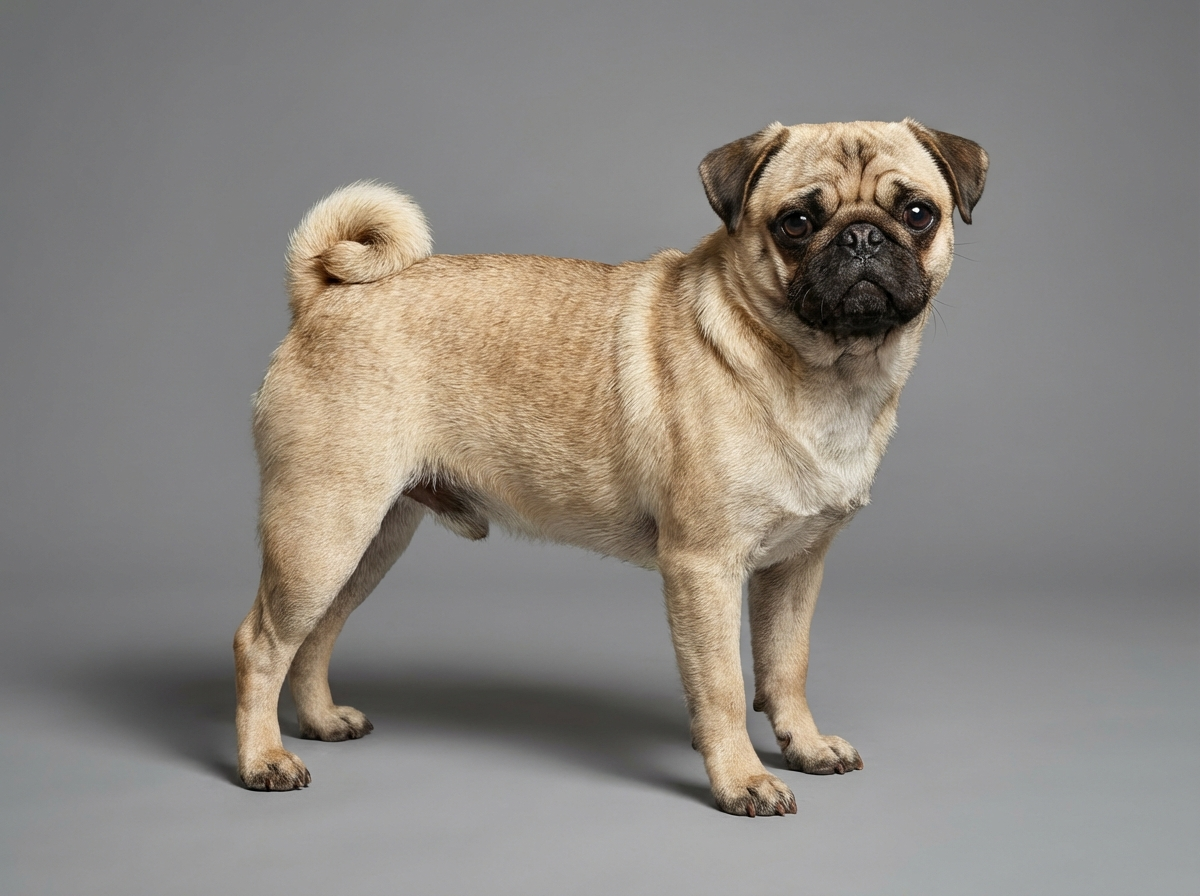
The same short jaw that gives a Pug its look also gives its teeth a lot less room to work with.
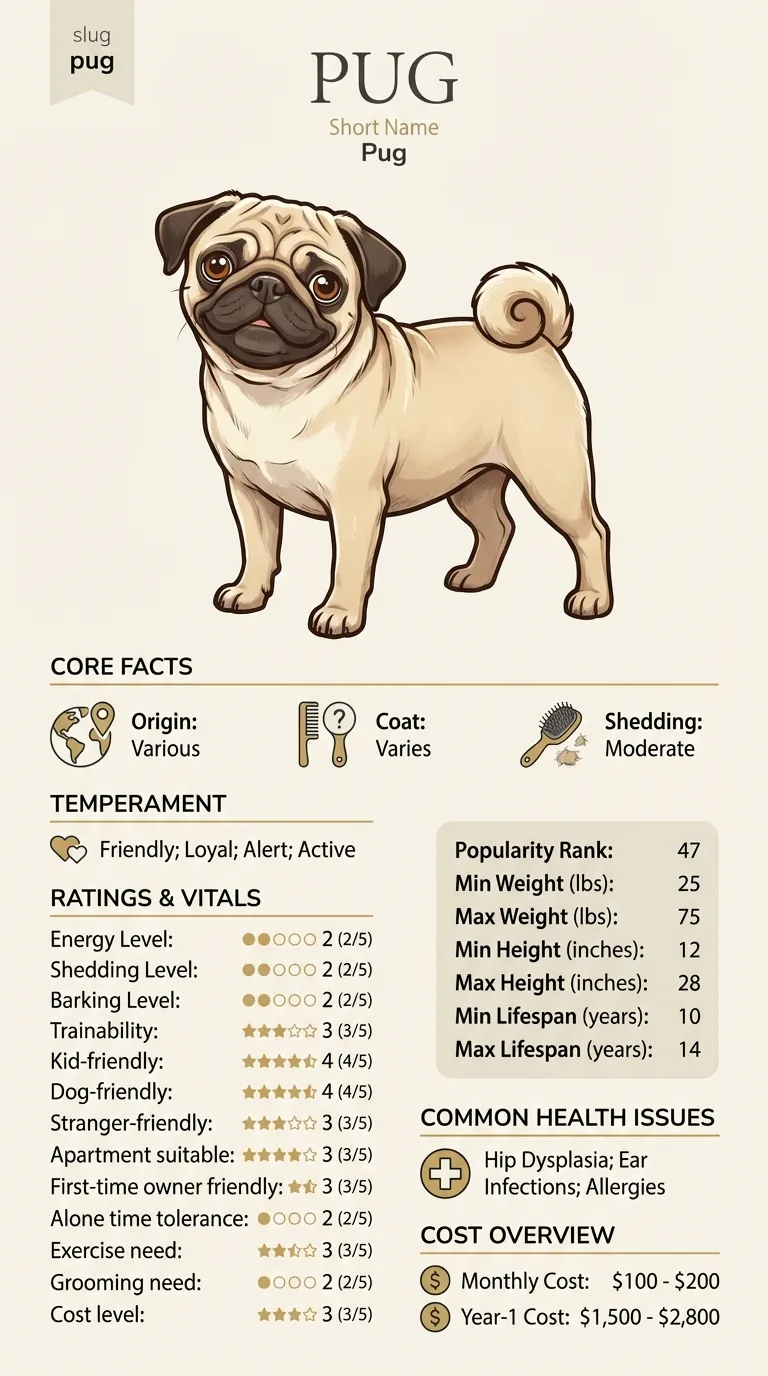
This is relevant to essentially every Pug owner, since dental crowding is a structural feature of the breed rather than something only some individual dogs deal with. It matters most for owners who haven't yet built a regular home dental care habit.
This guide is not medical advice. If your dog shows pain, sudden behavior change, or worsening symptoms, consult a licensed veterinarian.
Some links may be affiliate links. We may earn a commission at no extra cost to you. We only suggest products we believe are helpful for dog owners.
We research and check what we publish, but we do not warrant that any figure, date, price, or statement is accurate, complete, or current, and we accept no liability for any loss, cost, injury, or other harm arising from the use of this site. Use it as one reference among several. You remain responsible for your own decisions and for your dog's care - confirm anything that matters with a licensed veterinarian or another qualified professional before you act on it. Full disclaimer.
A Pug's shortened jaw crowds a near-normal number of teeth into significantly less space than a longer-muzzled dog has, trapping plaque and tartar faster and accelerating the path toward periodontal disease. This makes a consistent home dental routine and more frequent professional cleanings genuinely more important in this breed than in many others.
Dental crowding itself affects essentially every Pug given the breed's jaw structure. The resulting periodontal disease is extremely common in dogs generally by middle age, and this breed's crowding tends to accelerate that timeline somewhat.
The shortened jaw that defines this breed's facial structure doesn't proportionally reduce the number of teeth, crowding them into less space and creating tighter gaps where plaque and tartar build up faster than in a longer-muzzled dog.
Home dental care habits, or the lack of them, are the biggest environmental factor influencing how quickly periodontal disease progresses on top of this breed's structural predisposition.
Talk to your vet if you notice significant bad breath, visible tartar buildup, red or bleeding gums, reluctance to chew, or pawing at the mouth. These signs suggest periodontal disease has progressed enough to need professional attention rather than home care alone.
Start here: Pug Most Common Genetic Disorders: What to Screen For
See all PUG health problems, which breeds are prone to dental issues, or the full PUG breed guide for temperament, exercise needs and ownership costs.
Building a daily brushing habit typically takes a few weeks of gradual, positive introduction. Professional cleanings show immediate improvement, with the goal being to prevent significant plaque and tartar buildup between cleanings going forward.
Success means slower plaque and tartar accumulation and fewer teeth lost to periodontal disease over your dog's lifetime, not the complete absence of any dental work, since some professional care is realistically part of owning this breed.
Periodontal disease progresses through plaque hardening into tartar, which then irritates and eventually damages the gum tissue and bone supporting each tooth. In a normal-length jaw, there's enough space between teeth for saliva and normal chewing action to help keep plaque from building up too quickly. In this breed's compressed jaw, teeth sit closer together with less natural self-cleaning action between them, and food particles and plaque get trapped more easily in those tight gaps. Over months and years, this means a Pug can develop meaningful periodontal disease earlier than a dog with more normally spaced teeth, even with otherwise similar home care.
Daily tooth brushing with a dog-safe toothpaste is the single most effective thing an owner can do, though realistically, even a few times a week makes a meaningful difference over never brushing at all. Dental chews and specially designed dental diets can help reduce plaque between brushings, though they're a supplement to brushing rather than a replacement for it. Because of this breed's faster crowding-related plaque buildup, many vets recommend professional dental cleanings under anesthesia more frequently than for a longer-muzzled breed, sometimes annually rather than every couple of years, to stay ahead of periodontal disease before it progresses to tooth loss or infection.

By the time he was five, Louie the Pug had never had his teeth brushed, and a routine exam revealed significant tartar buildup and early gum disease, more advanced than his owner expected for his age. His vet recommended an immediate professional cleaning, which required extracting two badly affected teeth, followed by starting a daily home brushing routine going forward. A year later, Louie's follow-up cleaning showed dramatically less buildup, and his owner says the daily two-minute brushing habit, once established, became simply part of the evening routine rather than a struggle.
Key takeaway: Starting a daily brushing habit, even years later than ideal, meaningfully slows the plaque buildup this breed's crowded teeth are prone to, and it becomes far easier once it's just part of the routine.
A Pug has close to the standard number of teeth for a dog packed into a considerably shorter jaw, which crowds them closer together than in a longer-muzzled breed. That crowding traps plaque and tartar faster, speeding up periodontal disease.
Daily is ideal, though even three to four times a week makes a meaningful difference over no brushing at all. Consistency matters more than perfection here.
Many vets recommend annual professional cleanings for this breed, sometimes more often depending on individual dental health, rather than the every-couple-of-years schedule that might suit a breed with less dental crowding.
No, they help reduce plaque as a supplement to brushing, but they don't replace the mechanical cleaning action of a toothbrush, especially in a breed prone to faster plaque buildup.
Bad breath beyond the usual, visible tartar buildup, red or bleeding gums, reluctance to chew, or pawing at the mouth are all signs worth a vet dental check rather than waiting for the next scheduled cleaning.
Yes, a proper professional cleaning that cleans below the gumline and allows dental X-rays requires anesthesia, which carries some added planning considerations in this breed given its airway anatomy.
Yes, retained deciduous teeth that don't fall out on schedule can occur and add to crowding problems; your vet will check for this at routine puppy exams and may recommend extraction if needed.
A shortened jaw crowds the same number of teeth into less space, trapping plaque faster.
Daily is ideal; a few times a week still makes a real difference.
Often annually for this breed, sometimes more, depending on individual dental health.
No, they're a helpful supplement but don't replace the mechanical cleaning of a toothbrush.
Costs vary by region and whether extractions are needed; ask for an estimate that includes anesthesia and X-rays.
A one-page prep sheet for this condition: the signs, the questions to ask, what to get priced. Unlocks here.
You get: Vet visit prep sheet
No spam. One-click unsubscribe. See our privacy policy.
Preview page 1 before you decide.