Behavior
What are Jack Russell Terrier dental issues quick tips?
Brush your Jack Russell Terrier's teeth regularly, provide dental chews, and ensure routine vet check-ups to maintain oral health.

Quick answer
What are Jack Russell Terrier dental issues quick tips?
Brush your Jack Russell Terrier's teeth regularly, provide dental chews, and ensure routine vet check-ups to maintain oral health.
Jack Russell Terrier dental issues can lead to serious health problems if not addressed. These small dogs often face challenges with their teeth and gums as they age.
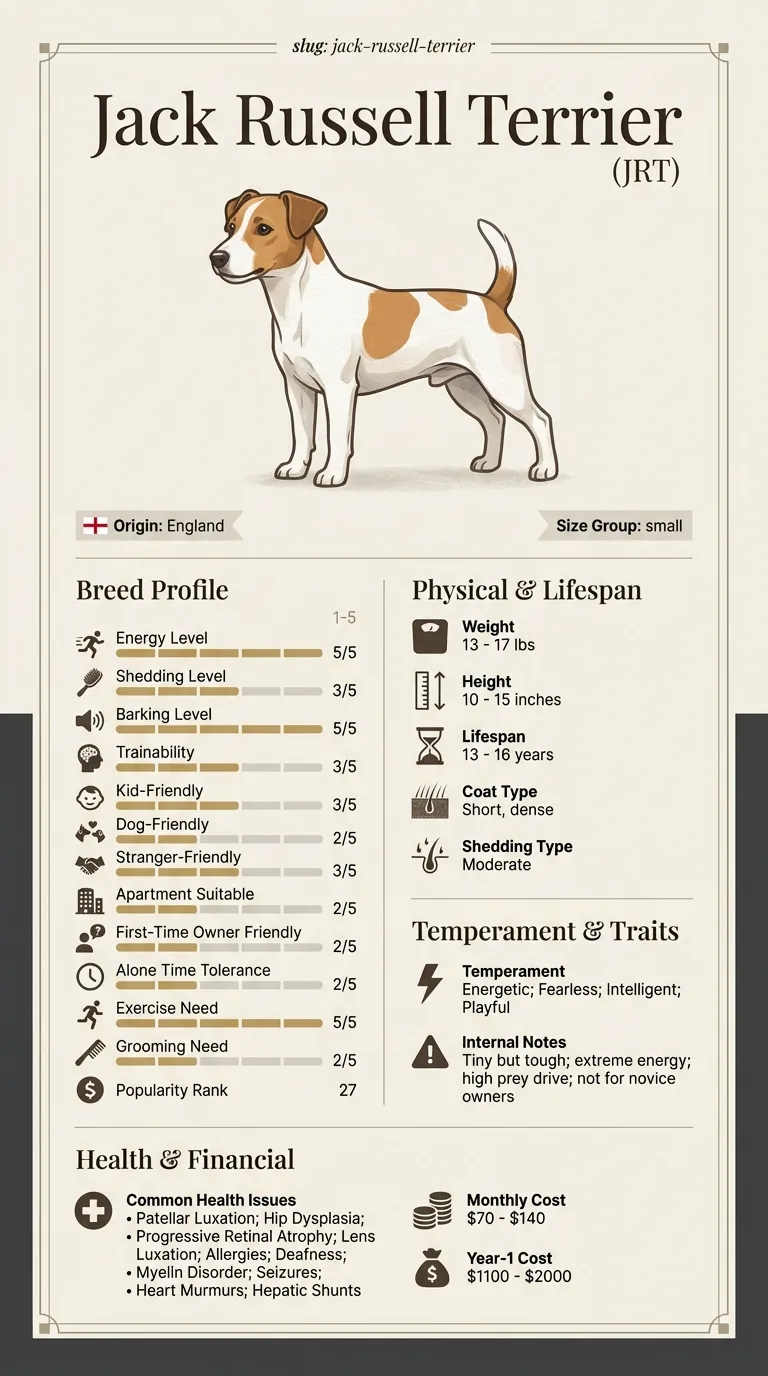
Many Jack Russell Terrier owners notice dental issues, especially as their pets grow older. Busy pet parents or first-time dog owners may find it challenging to keep up with their dog's dental care needs, leading to more serious problems.
This guide is not medical advice. If your dog shows pain, sudden behavior change, or worsening symptoms, consult a licensed veterinarian.
Some links may be affiliate links. We may earn a commission at no extra cost to you. We only suggest products we believe are helpful for dog owners.
We research and check what we publish, but we do not warrant that any figure, date, price, or statement is accurate, complete, or current, and we accept no liability for any loss, cost, injury, or other harm arising from the use of this site. Use it as one reference among several. You remain responsible for your own decisions and for your dog's care - confirm anything that matters with a licensed veterinarian or another qualified professional before you act on it. Full disclaimer.
Check this first
It’s crucial to know when Jack Russell Terrier dental issues require immediate veterinary attention versus when they can be monitored at home. If your Jack Russell shows any signs of severe pain, such as whining, excessive drooling, or refusal to eat, it's time to call your vet. Other red flags include swelling around the mouth, bleeding gums, or a foul odor coming from their mouth, which can indicate a serious infection.
If any of these apply, call your vet or an emergency clinic now. The rest of this page is for the cases that are not an emergency.
Jack Russell Terrier dental issues are quite common and can lead to serious health problems if not addressed. Daily, you might notice your JRT struggling with bad breath, tartar buildup, or even discomfort while chewing. These problems often stem from a lack of dental care and can escalate quickly if ignored.
Dental issues are prevalent among Jack Russell Terriers, affecting a significant number of them as they age. Regular veterinary check-ups can help catch these problems early, but many owners report dental concerns starting as early as three years old.
Jack Russell Terriers have a high energy level and a playful temperament, which can lead to chewing and gnawing if their needs aren't met. This behavior can contribute to dental issues, as excessive chewing can cause wear and tear on their teeth. Additionally, their small size means they have smaller mouths, which can make dental care more challenging.
If Jack Russell Terriers don't receive regular dental care, like brushing and dental chews, they are more likely to develop plaque and tartar buildup. A diet lacking in hard kibble or dental treats can also contribute to dental health problems. Stressful environments or lack of stimulation may lead to destructive chewing, further aggravating dental issues.
If you notice bad breath, swollen gums, or difficulty eating, it's crucial to see a vet. They can assess the dental health and recommend treatments or cleanings to prevent further issues.
Avoiding certain behaviors can help improve your Jack Russell Terrier's dental health. Here are common mistakes owners make and safer alternatives.
Start here: Jack Russell Terrier Most Common Genetic Disorders
See all Jack Russell Terrier health problems, which breeds are prone to dental issues, or the full Jack Russell Terrier breed guide for temperament, exercise needs and ownership costs.
Expect to see improvement in your Jack Russell Terrier's dental health within 3 to 6 months of consistent care and follow-up with your vet.
Success means your dog has healthier gums, reduced plaque buildup, and fewer dental visits for cleanings or extractions.
Rachel, a busy vet tech in Dallas, noticed that her Jack Russell Terrier, Max, had bad breath and tartar buildup. Initially overwhelmed, she learned the importance of dental care. Rachel established a routine of brushing Max's teeth several times a week and introduced dental chews into his diet. After six months, Max's dental health improved dramatically, and his vet was pleased with the results. Rachel realized that while it took time and consistency, the effort was well worth it for Max's overall health.
Key takeaway: Regular dental care is crucial for Jack Russell Terriers. A little effort goes a long way in preventing dental issues.
Common signs of dental issues in Jack Russell Terriers include bad breath, difficulty chewing, swollen gums, and excessive drooling. Watch for changes in eating habits or any reluctance to play with toys that require chewing.
To stop Jack Russell Terrier dental issues, establish a regular dental care routine. Brush their teeth several times a week, provide dental chews, and schedule regular vet dental cleanings. This proactive approach can significantly improve their oral health.
Common signs include bad breath, swollen gums, difficulty eating, or excessive drooling. If you notice any of these symptoms, it's important to have your dog examined by a veterinarian to address potential issues early.
Yes, feeding your Jack Russell Terrier high-quality kibble or dental-specific treats can help reduce plaque buildup. Look for products that promote dental health, and avoid sugary or soft foods that may exacerbate dental issues.
It's recommended to have your Jack Russell Terrier's teeth checked at least once a year. However, if they have existing dental issues, more frequent visits may be necessary to monitor and treat any problems.
To prevent dental issues in older Jack Russell Terriers, maintain a regular dental care routine that includes brushing their teeth and providing dental chews. Regular vet check-ups are essential to catch any problems early.
Even with regular brushing, some Jack Russell Terriers may still develop dental issues due to genetics, diet, or existing health conditions. It's important to consult your vet to explore tailored dental care solutions.
Jack Russell Terriers can be prone to dental issues due to their small size and jaw structure. However, dental care is crucial for all breeds, and early intervention can help mitigate these risks.
If you notice severe dental problems, such as bleeding gums or loose teeth, it's essential to see a vet immediately. They can provide a thorough examination and recommend appropriate treatment options.
Brush your Jack Russell Terrier's teeth regularly, provide dental chews, and ensure routine vet check-ups to maintain oral health.
Use a dog-friendly toothbrush and toothpaste, and aim to brush their teeth several times a week for best results.
Choose treats that are designed specifically for dental health, as they can help reduce plaque and tartar buildup.
Yes, poor dental health can lead to other health issues, including infections and heart problems, so it's important to address them promptly.
A one-page prep sheet for this condition: the signs, the questions to ask, what to get priced. Unlocks here.
You get: Vet visit prep sheet
No spam. One-click unsubscribe. See our privacy policy.
Preview page 1 before you decide.