Health
What's the biggest sign of dental disease to watch for?
Persistent bad breath is usually the first noticeable sign that tartar has begun affecting the gums.

Quick answer
What's the biggest sign of dental disease to watch for?
Persistent bad breath is usually the first noticeable sign that tartar has begun affecting the gums.
Bad breath isn't just an unpleasant quirk — by the time it's noticeable, there's a good chance tartar has already started working its way beneath the gumline.
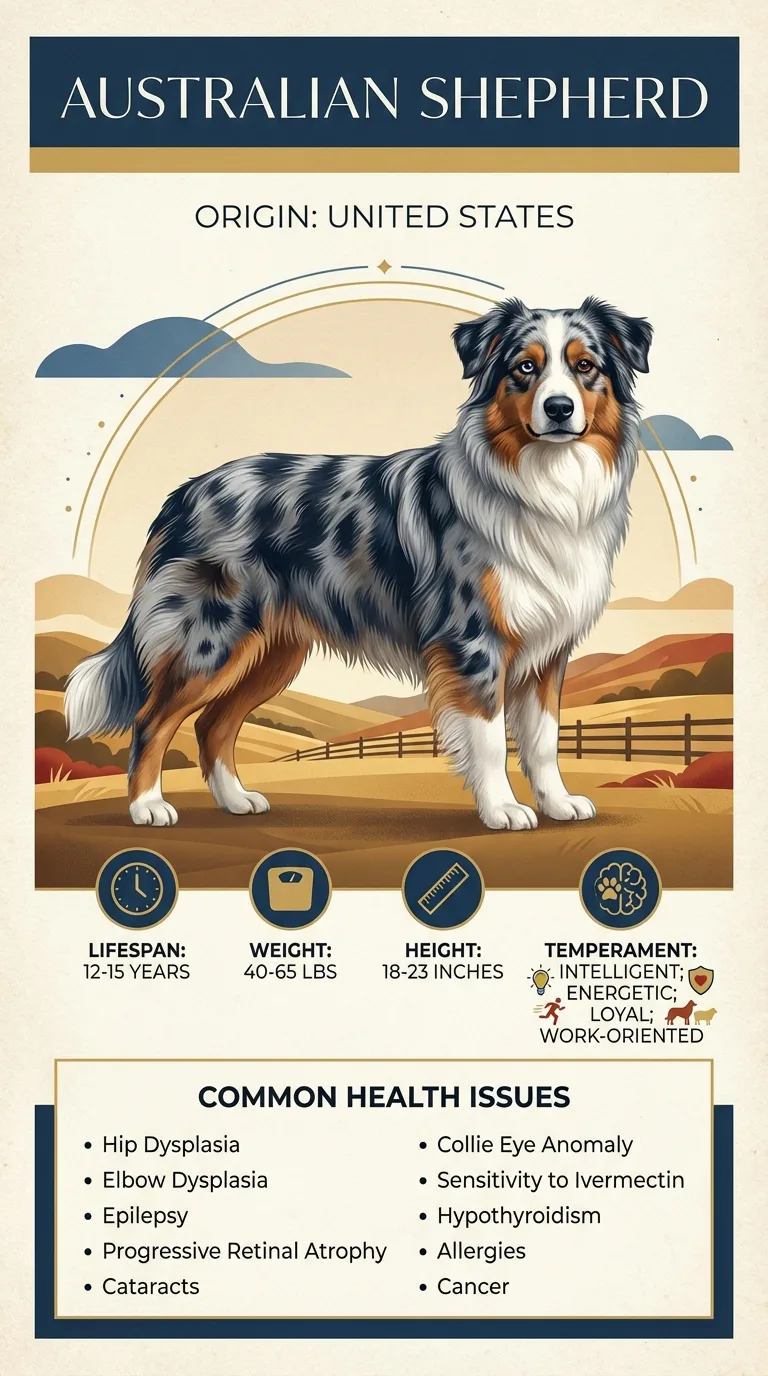
Owners who skip regular brushing, often because a busy, wiggly dog makes it feel like a fight, are the ones who end up facing a bigger dental cleanup later, usually revealed all at once during a routine vet exam.
This guide is not medical advice. If your dog shows pain, sudden behavior change, or worsening symptoms, consult a licensed veterinarian.
Some links may be affiliate links. We may earn a commission at no extra cost to you. We only suggest products we believe are helpful for dog owners.
We research and check what we publish, but we do not warrant that any figure, date, price, or statement is accurate, complete, or current, and we accept no liability for any loss, cost, injury, or other harm arising from the use of this site. Use it as one reference among several. You remain responsible for your own decisions and for your dog's care - confirm anything that matters with a licensed veterinarian or another qualified professional before you act on it. Full disclaimer.
Dental disease in Australian Shepherds develops the same way it does in most dogs: plaque hardens into tartar, tartar irritates the gums, and untreated gum disease lets bacteria establish below the gumline. It's easy to miss day to day, but advanced cases can cause real pain and even affect organs like the heart and kidneys over time.
Dental disease is one of the most common health issues across dog breeds generally by middle age, and this breed is no exception, making it a near-universal concern rather than a breed-specific rarity.
There's nothing uniquely predisposing about this breed's mouth structure that drives dental disease — it's primarily a function of home care consistency rather than genetics, which is good news since it's one of the most controllable health issues an owner faces.
Brushing frequency, diet, and how often professional cleanings happen are the main drivers. A busy household that lets dental care slide for a year or two often sees a bigger cleanup needed later than one that maintains a consistent routine.
Talk to your vet if you notice persistent bad breath, visible tartar, bleeding gums, or your dog favoring one side of their mouth while chewing. Sudden refusal to eat or obvious mouth pain needs prompt evaluation.
None of these mistakes cause sudden harm on their own, but together they let a slow, silent problem build for years before it becomes obvious.
See all Australian Shepherd health problems, which breeds are prone to dental issues, or the full Australian Shepherd breed guide for temperament, exercise needs and ownership costs.
Home dental care is an ongoing routine rather than a one-time fix. Professional cleanings typically take a single day, with recovery from anesthesia usually complete within 24 hours.
Success means a mouth free of significant tartar and gum disease maintained through consistent home care and periodic professional cleanings, not a one-time fix that lasts a lifetime.
Once bacteria get established below the gumline, they don't stay contained to the mouth. Advanced dental disease is linked to bacteria entering the bloodstream, which can put extra strain on organs like the heart and kidneys over time, particularly in a dog left untreated for years.
It also causes real pain that dogs are notoriously good at hiding, meaning a dog can be eating normally while dealing with a genuinely sore mouth. This is part of why professional cleanings under anesthesia, which allow a full assessment below the gumline, matter more than they might seem to from the outside.

If you think your Aussie has dental issues, the plan is three steps: write down what you have seen and when it started, book a veterinary appointment rather than waiting for the next flare, and take video of the behaviour or symptom before you go — the thing you are worried about rarely happens in the consulting room. Screening in the parents covers hip dysplasia, elbow dysplasia, epilepsy.
What the vet visit should produce is a diagnosis and a written plan, not just reassurance: what is being ruled out, what the monitoring interval is, and which signs mean you come back sooner. Ask what the treatment costs across a year rather than per visit, because that is the number that decides whether you are managing this condition or reacting to it.
Between appointments, keep a short log — dates, what you saw, what changed. It is the single most useful thing an owner brings to a follow-up, and for dental issues it is often what separates a clear pattern from a guess.
Otis had never had his teeth brushed regularly, and his owner, Greg, assumed his occasional bad breath was just normal dog breath. A routine wellness exam at age five found significant tartar buildup, and the recommended professional cleaning revealed two teeth that needed extraction due to underlying infection Greg had no idea was there. Greg started brushing Otis's teeth three times a week afterward, and Otis's next cleaning two years later needed no extractions at all.
Key takeaway: Dental disease can advance well past what's visible from the outside, and a consistent home routine after that first wake-up call often prevents the next cleaning from turning into another surprise.
Daily brushing is ideal, though even three to four times a week meaningfully reduces plaque buildup compared to no brushing at all.
No, dental chews help but aren't a substitute for brushing, since they don't reach every tooth surface the way a brush does.
Visible tartar, persistent bad breath, or your vet noting gum inflammation during a wellness exam are all signs a professional cleaning is due.
Yes, a thorough cleaning below the gumline, where most disease actually develops, requires anesthesia to be done safely and completely.
Advanced, untreated dental disease is linked to bacteria entering the bloodstream, which can add strain to organs like the heart and kidneys over time.
Costs vary by region and whether extractions are needed, generally ranging from a few hundred to over a thousand dollars for more involved cases.
Starting tooth brushing as a puppy builds tolerance early, and professional cleanings typically become relevant starting around age two or three depending on individual buildup.
Persistent bad breath is usually the first noticeable sign that tartar has begun affecting the gums.
Yes, regular brushing is the most effective home tool for preventing significant dental disease.
Home care is inexpensive, but professional cleanings every one to two years add a recurring cost worth budgeting for.
Yes, advanced cases are linked to bacteria affecting organs like the heart and kidneys over time.
Possibly — dogs often hide dental pain well and continue eating despite significant discomfort.
A one-page prep sheet for this condition: the signs, the questions to ask, what to get priced. Unlocks here.
You get: Vet visit prep sheet
No spam. One-click unsubscribe. See our privacy policy.
Preview page 1 before you decide.