Behavior
What are Poodle dental issues quick tips?
To maintain your Poodle's dental health, brush their teeth regularly, provide dental chews, and schedule annual vet check-ups. Consistency is key to preventing serious dental problems.

Quick answer
What are Poodle dental issues quick tips?
To maintain your Poodle's dental health, brush their teeth regularly, provide dental chews, and schedule annual vet check-ups. Consistency is key to preventing serious dental problems.
Poodle dental issues can lead to significant health problems if left untreated. Maintaining your Poodle's oral health is crucial for their overall well-being.
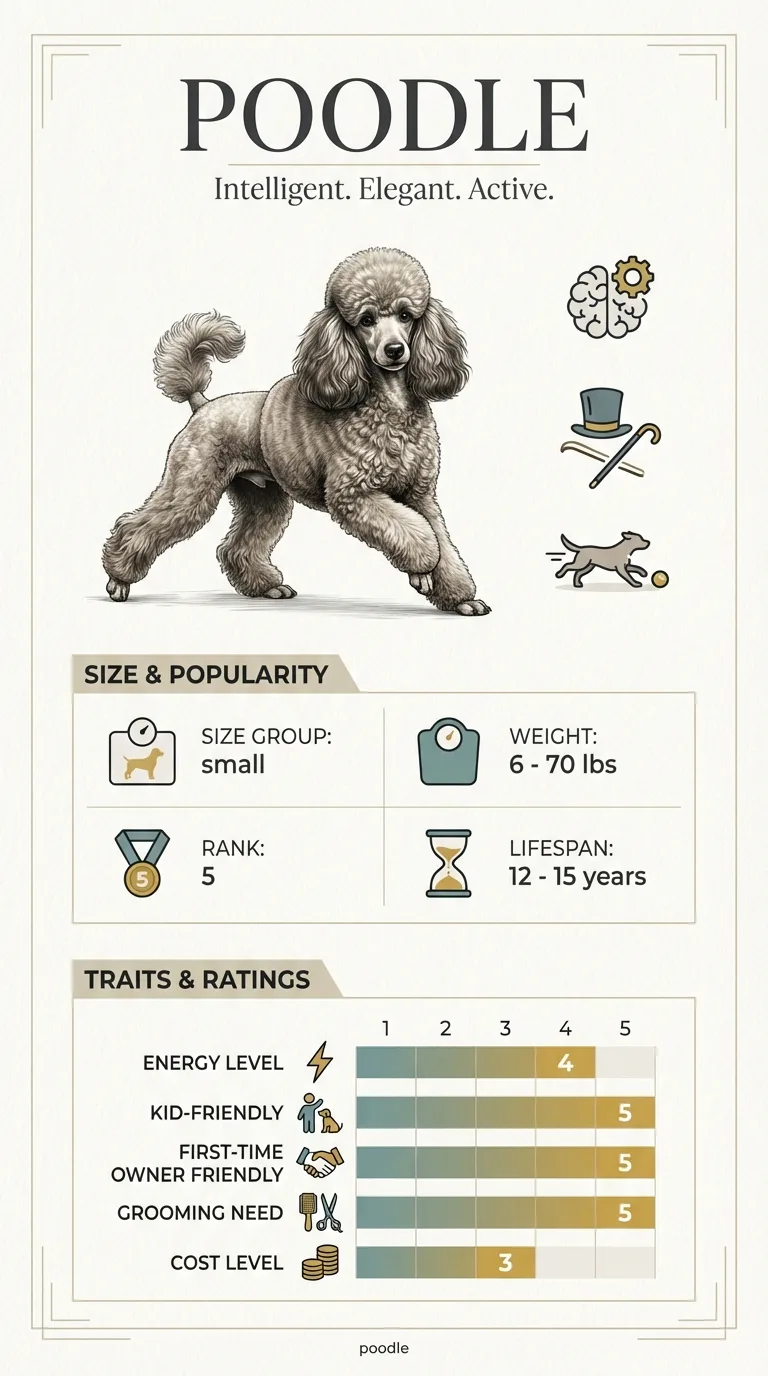
First-time Poodle owners or those with busy lifestyles often struggle to provide adequate dental care. If you’re a busy parent or a working professional, you might find it hard to keep up with regular teeth cleaning and vet check-ups.
This guide is not medical advice. If your dog shows pain, sudden behavior change, or worsening symptoms, consult a licensed veterinarian.
Some links may be affiliate links. We may earn a commission at no extra cost to you. We only suggest products we believe are helpful for dog owners.
We research and check what we publish, but we do not warrant that any figure, date, price, or statement is accurate, complete, or current, and we accept no liability for any loss, cost, injury, or other harm arising from the use of this site. Use it as one reference among several. You remain responsible for your own decisions and for your dog's care - confirm anything that matters with a licensed veterinarian or another qualified professional before you act on it. Full disclaimer.
Check this first
Understanding when Poodle dental issues require immediate veterinary attention is crucial. Some signs indicate an emergency, while others can be monitored with a plan. If your Poodle shows severe signs such as excessive bleeding from the mouth, difficulty eating, or if they are pawing at their face, these are red flags that mean you should call your vet right away.
Additionally, if you notice a swollen jaw, persistent bad breath, or any signs of pain when they eat or chew, don’t wait. These symptoms could point to serious dental problems like abscesses or infections that need quick intervention. On the other hand, if your Poodle has mild tartar buildup or occasional bad breath without any other major symptoms, this can usually be managed with regular dental care at home.
Creating a dental care routine can help prevent severe issues. Regular brushing and dental chews can maintain dental health and minimize the need for emergency visits. If you’re unsure, monitoring their condition with a plan to visit the vet for a checkup within a few weeks can be a good approach. Always trust your instincts—if something feels off, it's better to err on the side of caution.
If any of these apply, call your vet or an emergency clinic now. The rest of this page is for the cases that are not an emergency.
Poodle dental issues are a common concern for many owners. These problems often manifest as bad breath, swollen gums, or difficulty eating. Daily care, such as brushing and regular vet check-ups, can help keep their teeth healthy.
Dental issues are relatively common in Poodles, especially if proper oral care is neglected. Many Poodles experience some form of dental problem during their lifetime, making awareness and prevention crucial.
Poodles can be prone to dental issues due to their small size and unique tooth structure. Their teeth may be more crowded and misaligned, which can lead to plaque buildup and gum disease. Additionally, some Poodles may inherit genetic predispositions that make them more susceptible to dental problems.
Environmental factors play a significant role as well. A lack of regular dental care, such as brushing and dental check-ups, can exacerbate dental issues. Diet also contributes; feeding your Poodle soft food may not help remove plaque effectively, leading to worsening dental health.
If you notice persistent bad breath, swollen gums, or difficulty eating, it's essential to talk to your vet. These can be signs of serious dental issues that may require professional intervention, such as a dental cleaning or extraction.
Avoiding these common mistakes can help improve your Poodle's dental health.
See all Poodle health problems, which breeds are prone to dental issues, or the full Poodle breed guide for temperament, exercise needs and ownership costs.
You should start seeing improvements in your Poodle's dental health within 4 to 6 weeks of introducing a routine.
Success means your Poodle has healthier gums, fresher breath, and fewer dental issues, reducing vet visits related to dental problems.
When Sarah adopted Bella, her charming Poodle, she quickly noticed the pup's bad breath and tartar buildup. After a vet visit revealed early signs of dental disease, Sarah felt overwhelmed. She researched how to stop Poodle dental issues and set up a daily routine of brushing Bella's teeth, introducing dental chews, and scheduling regular vet check-ups. Within a few months, Bella's breath improved significantly, and her vet praised the healthier gums during the next visit.
Key takeaway: Establishing a dental care routine can greatly improve your Poodle's oral health and prevent serious issues down the line.
Poodle dental issues often arise due to a lack of dental care, which can lead to plaque buildup. Genetics can also play a role, as some Poodles are more prone to dental problems. Regular veterinary check-ups and dental cleanings are essential to prevent these issues.
To stop Poodle dental issues, start a regular dental care routine. Brush your Poodle's teeth several times a week, and provide dental treats or toys that promote chewing and cleaning. Consider professional cleanings from your vet at least once a year.
Common signs of Poodle dental issues include bad breath, difficulty eating, swollen gums, and excessive drooling. If you notice any of these symptoms, schedule a vet appointment for a thorough examination and treatment options.
Yes, training your Poodle to accept tooth brushing can help manage dental issues. Use positive reinforcement techniques, such as treats and praise, to encourage your dog to tolerate brushing. Start slowly and make the experience enjoyable.
Untreated dental issues can lead to serious health problems, including heart and kidney disease. Bacteria from the mouth can enter the bloodstream and affect other organs. It's crucial to prioritize dental health to prevent these risks.
Most veterinarians recommend annual dental check-ups for Poodles. However, if your dog has existing dental issues or is prone to them, more frequent visits may be necessary. Always consult your vet for personalized advice.
Common signs of dental issues in Poodles include bad breath, swollen gums, and difficulty eating. You might also notice your Poodle pawing at their mouth or avoiding chewing their favorite toys. Regular check-ups can help catch these problems early.
To prevent dental issues in older Poodles, maintain a consistent oral hygiene routine. This includes regular teeth brushing and providing dental treats designed to reduce plaque. Consult your vet about professional cleanings for older dogs.
Even with regular brushing, some Poodles may still develop dental issues due to genetics or diet. Certain breeds are more prone to dental problems, so it's essential to monitor their dental health and consult with a vet for tailored advice.
If your Poodle has severe dental issues, it's crucial to see a vet immediately. They may recommend professional cleaning or other treatments to address the problem. Early intervention can help prevent further complications.
Yes, dental issues in Poodles can lead to other health problems, including heart and kidney disease. Bacteria from poor dental health can enter the bloodstream, affecting vital organs. Regular dental care is essential for overall health.
To maintain your Poodle's dental health, brush their teeth regularly, provide dental chews, and schedule annual vet check-ups. Consistency is key to preventing serious dental problems.
Healthy Poodle teeth should be clean, white, and free of tartar. Gums should be pink and not swollen or bleeding. Regular veterinary check-ups will help ensure their dental health.
Yes, dental treats can be effective in reducing plaque and tartar buildup. Look for treats specifically designed for dental health and use them as part of a comprehensive dental care routine.
A one-page prep sheet for this condition: the signs, the questions to ask, what to get priced. Unlocks here.
You get: Vet visit prep sheet
No spam. One-click unsubscribe. See our privacy policy.
Preview page 1 before you decide.