Costs
What do Papillon owners claim for most?
Dental procedures, patellar luxation surgery, airway and cardiac care in later life, and accidental injuries to a fine boned five to ten pound dog.

Quick answer
What do Papillon owners claim for most?
Dental procedures, patellar luxation surgery, airway and cardiac care in later life, and accidental injuries to a fine boned five to ten pound dog.
The claim that catches Papillon owners is rarely a dramatic one. It is dental work, repeated, across a fourteen to sixteen year life.
Owners deciding whether to insure at all, and those who have just discovered that the condition their dog was diagnosed with at nine weeks is excluded from every policy they can now buy.
This guide is not medical advice. If your dog shows pain, sudden behavior change, or worsening symptoms, consult a licensed veterinarian.
Some links may be affiliate links. We may earn a commission at no extra cost to you. We only suggest products we believe are helpful for dog owners.
Insurance claim patterns differ sharply between breeds because different body plans break in different ways. For the Papillon the profile is dominated by recurring dental work in a crowded small jaw, orthopaedic claims centred on the kneecap, and later life airway and cardiac care across an unusually long lifespan. The problem owners actually face is rarely the premium. It is discovering, at claim time, that the relevant condition was excluded from the start.
Claim disputes are common enough that they shape most owners' opinion of insurance entirely. Very few of them involve fraud or bad faith. They involve a clause that was in the document, describing a condition the owner did not know their breed was prone to, in a dog that had already been examined once before the policy started.
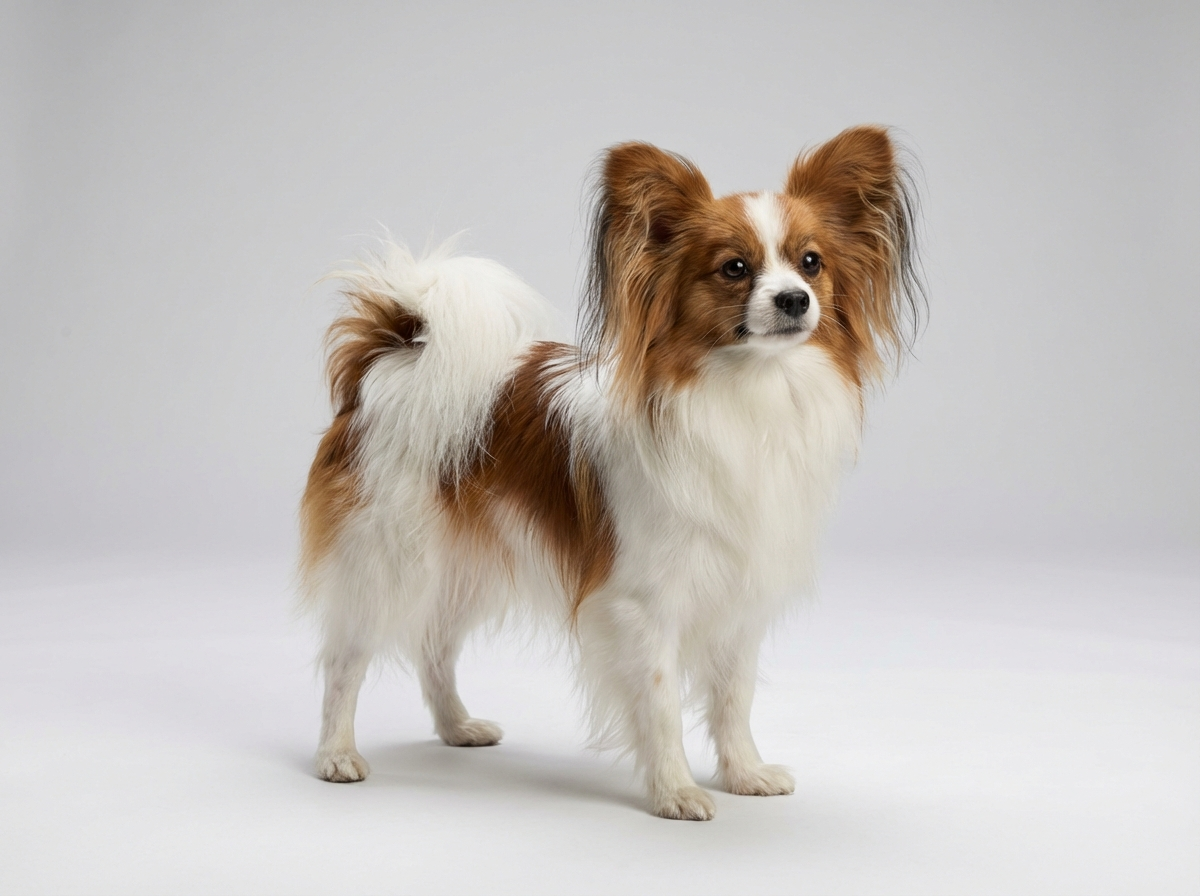
The Papillon's claim profile follows directly from its build and its documented health issues. Forty two teeth in a jaw belonging to a five to ten pound dog produce crowding, plaque retention and periodontal disease that recurs across a very long life. A shallow groove at the stifle produces kneecap luxation, which is hereditary and therefore lands squarely inside exclusion clauses. Weak tracheal cartilage produces airway claims. Fine bones produce fracture claims from ordinary household falls.
The decisive environmental factor is administrative rather than physical: the order in which things happen. A puppy examined by a breeder's vet, or by your own before you enrol, arrives at the insurer with a clinical history attached. Slippery flooring, unrestricted furniture jumping and a home where teeth are never brushed all raise the chance of a claim, and each of them is more controllable than the premium is.
Insurance questions belong with your insurer, but the veterinary side matters too. Ask your vet to be precise in clinical notes, because vague entries can be read broadly by a claims assessor later. Clinically, book promptly for bad breath, a reluctance to chew, a skipping hind leg, a honking cough or any new lump. Seek emergency care immediately, cover or no cover, for collapse, laboured breathing, a leg that cannot bear weight, repeated vomiting, or a fall from height, since financial decisions should never delay treatment for a five to ten pound dog.
See all Papillon health problems, which breeds are prone to insurance claims, or the full Papillon breed guide for temperament, exercise needs and ownership costs.
Expect a waiting period of days for accidents and weeks for illness after buying a policy. Expect premiums to rise every year, sometimes sharply after age eight. Expect claims to be assessed on documentation rather than on narrative, and expect the process to take a few weeks rather than days.
Success is a policy bought before the first examination, whose hereditary clause you have actually read, sitting alongside a modest savings buffer for the excess and the exclusions. It is not a policy that pays for everything, because none of them do.
Dentistry dominates. Dental disease is a documented issue in this breed, and small mouths crowd forty two adult teeth into a jaw a few inches long. Extractions and scaling under anesthetic recur every few years for many Papillons, and because each episode involves pre anesthetic bloodwork, monitoring and sometimes radiographs, the individual bills are not small. Whether any of it is covered depends heavily on the policy, since many exclude routine dental care while covering disease and injury.
Kneecaps come next. Patellar luxation is the breed's flagship orthopaedic issue, and surgical correction is a four figure procedure per knee. This is where hereditary condition exclusions bite hardest.
Airway work appears in a smaller number of dogs, reflecting the breed's tendency toward tracheal weakness, and tends to arrive in the second half of life alongside cardiac monitoring.
Then there is the long tail nobody plans for: a fine boned five to ten pound dog fractures a leg falling off a sofa, swallows something it should not, or gets injured by a larger dog at a park. Accident claims in toy breeds are not rare, and they are usually the cheapest thing to insure against.

Almost every disappointed claimant was insured. The problem is usually timing or category, not the absence of a policy.
Marcus and Aoife bought Papillon puppies from the same litter. Marcus enrolled his puppy Tobias in a policy the evening before collection. Aoife took her puppy Wren to her own vet first and enrolled a fortnight later. Wren's first examination noted mild laxity in the left kneecap, described as a grade one incidental finding. Nothing needed doing. But when Wren had corrective surgery on both knees at four, the claim was declined: the left knee as pre existing, the right under a bilateral clause. Tobias had the same surgery a year afterwards, from the same genetic starting point, and it was covered. The dogs were littermates with near identical joints. The only meaningful difference between the two outcomes was a fortnight and the order of two appointments.
Key takeaway: For a breed with documented hereditary conditions, when you enrol matters more than which policy you pick. A finding written into a puppy's record at eight weeks can follow the dog for fifteen years.
Before the first veterinary examination if you possibly can, and certainly before any finding gets written into a record. Insurers exclude pre existing conditions based on documented history, so the sequence of enrolment and examination genuinely changes what you are covered for over the next fifteen years.
That depends on your capacity to absorb a four figure bill without notice. Papillons are not an expensive breed to run day to day, at roughly eighty to one hundred fifty dollars a month, but bilateral knee surgery or an emergency abdominal procedure sits far outside that. Insurance converts an unpredictable large cost into a predictable small one, which is the only thing it does.
It varies enormously between insurers and this is the single clause worth reading in full before buying. Some cover inherited conditions provided they were not diagnosed or symptomatic before cover began. Others exclude them outright. For a breed whose main issues are hereditary, a policy without that cover is much less useful than it looks.
It will rarely stop you buying a policy, but that policy will almost certainly exclude the knees, and often both of them. You can still insure against everything else, which for a Papillon still means dentistry, eyes, airway, gut and accidents. Do not conclude that insurance is pointless because one door has closed.
Yes, in two directions. More years means more claims and more premium paid, and premiums typically rise steeply with age. But it also means more years in which a serious condition can appear. Check whether your insurer has an upper age limit for new policies and whether cover continues for life once a condition is claimed for.
Every invoice, every clinical note and every date. Claims are decided on records, and disputes usually turn on when something was first mentioned. Ask your practice for a copy of the full clinical history when you enrol, so you know exactly what an insurer will see.
Dental procedures, patellar luxation surgery, airway and cardiac care in later life, and accidental injuries to a fine boned five to ten pound dog.
Yes, but the diagnosed condition will be excluded, often on both sides for a paired structure like the knees. Everything else can still be covered.
Usually not. Many policies cover dental disease and injury while excluding preventive cleaning, and some make cover conditional on annual dental examinations.
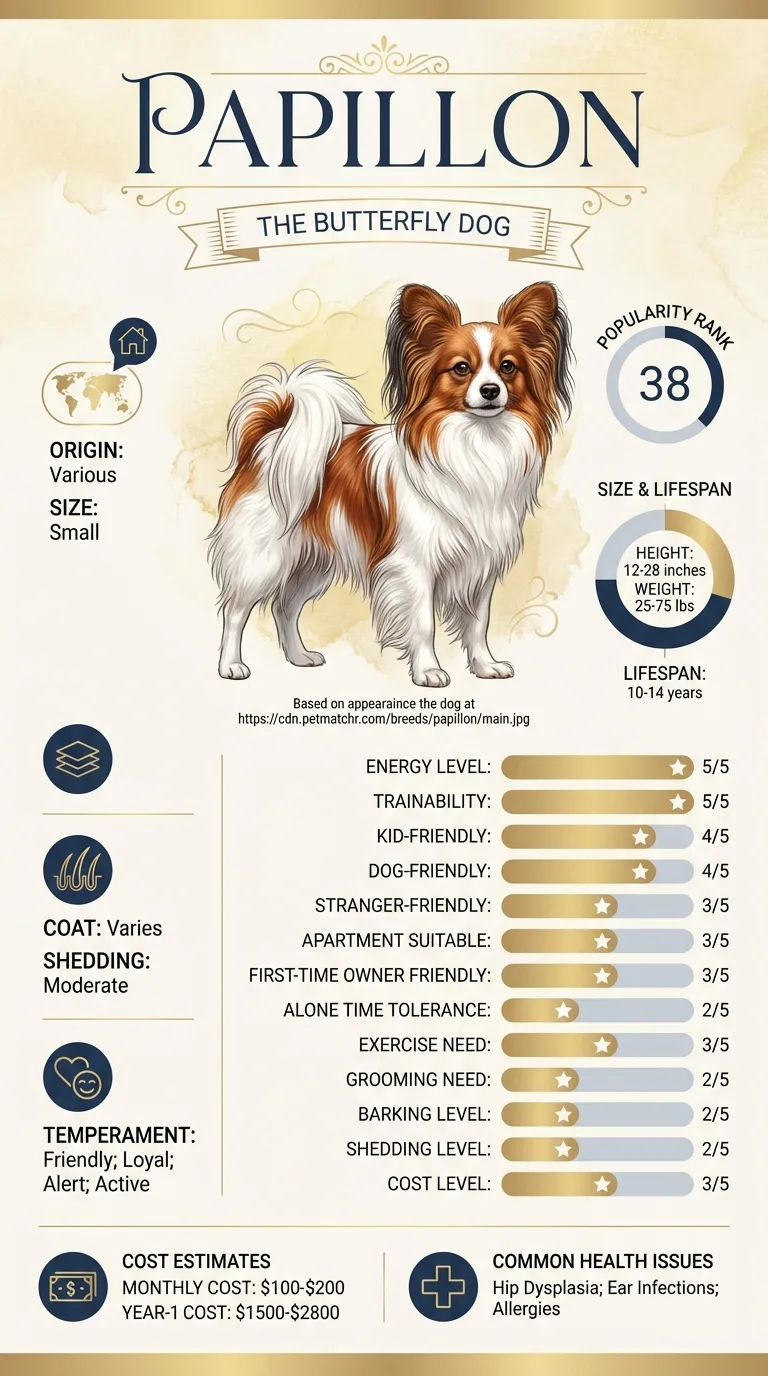
Roughly eighty to one hundred fifty dollars a month for food, preventives and routine care, with a first year total commonly between eleven hundred and twenty three hundred dollars.
A one-page prep sheet for this condition: the signs, the questions to ask, what to get priced. Unlocks here.
You get: Vet visit prep sheet
No spam. One-click unsubscribe. See our privacy policy.
Preview page 1 before you decide.