Health
What should I do first when my dog has a seizure?
Look at the clock, then film it. Duration decides everything that follows, and a video answers questions no description can. Keep your hands away from the mouth.

Quick answer
What should I do first when my dog has a seizure?
Look at the clock, then film it. Duration decides everything that follows, and a video answers questions no description can. Keep your hands away from the mouth.
The most useful thing you can do while your dog is seizing is look at a clock and press record. Everything else is instinct working against you.
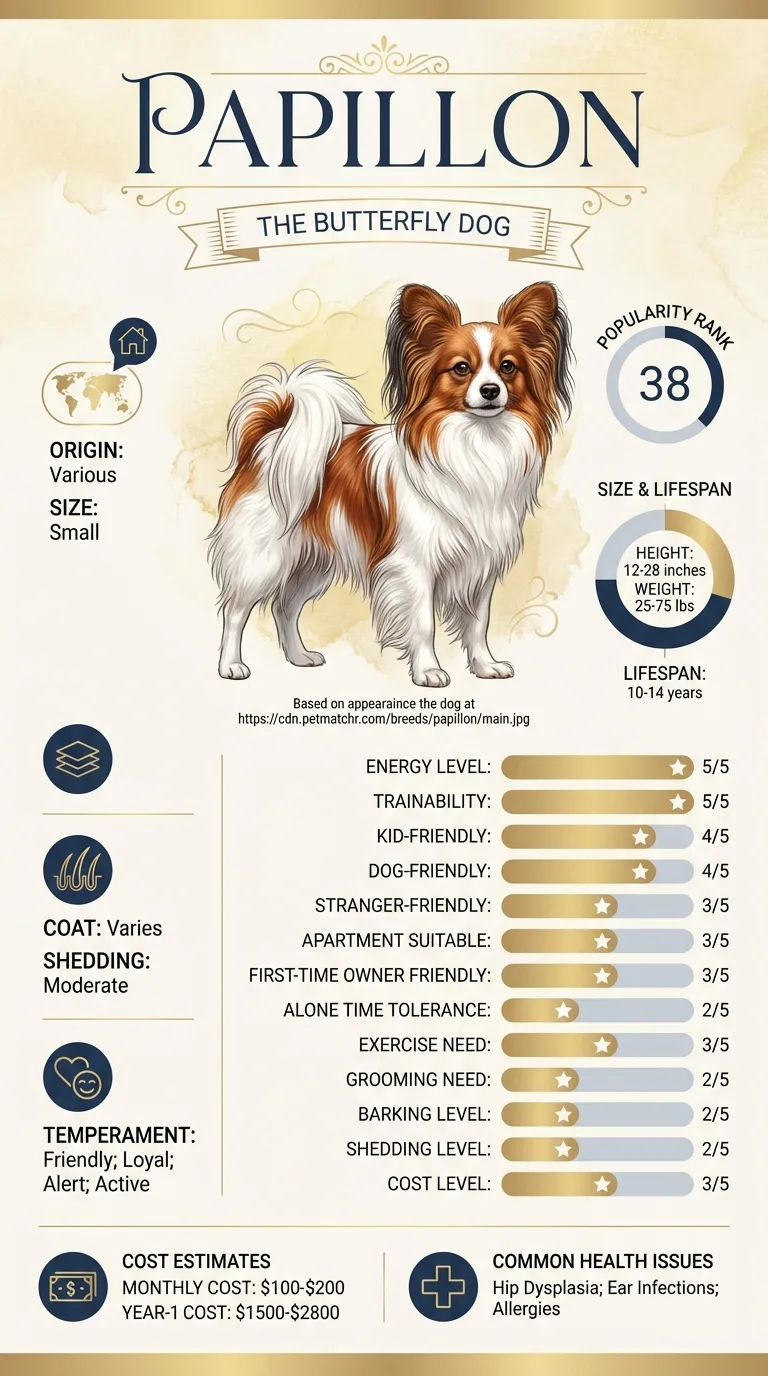
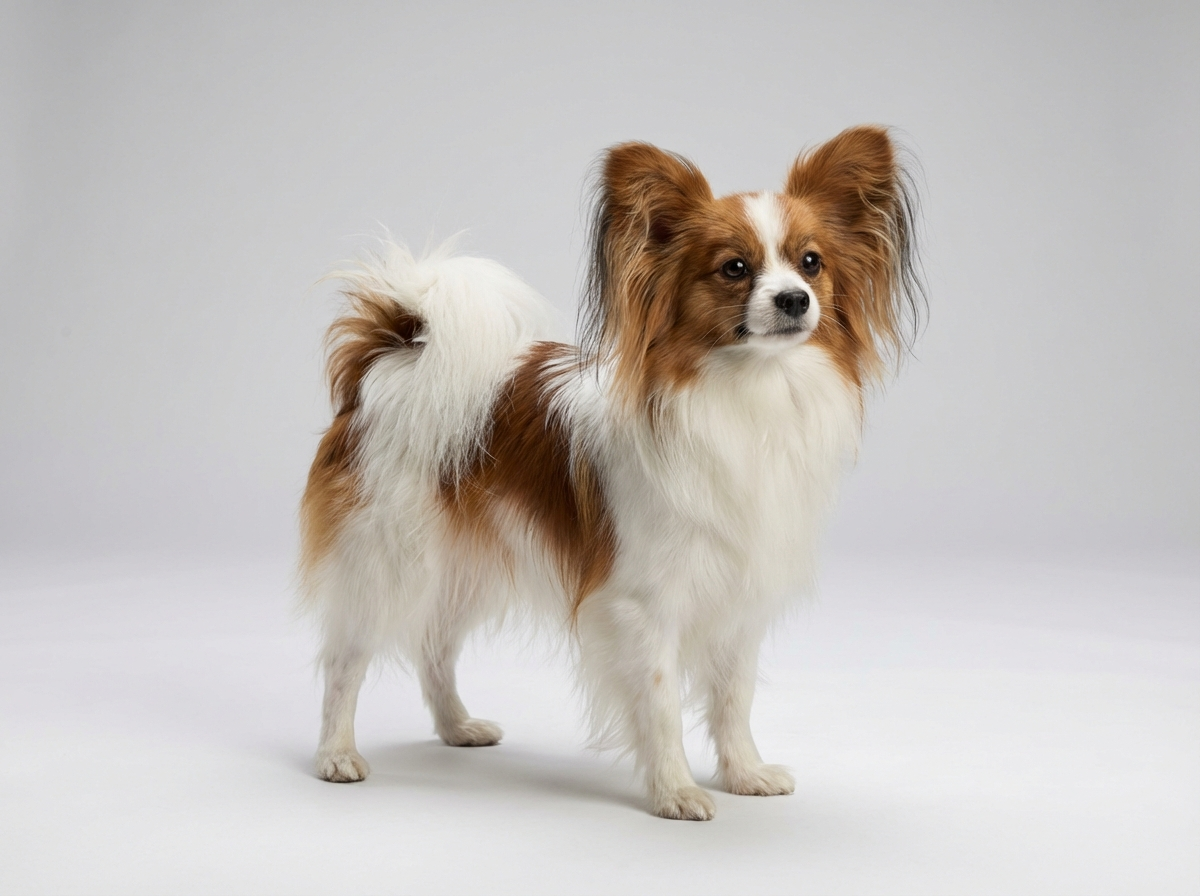
Owners who have just watched their Papillon convulse on the kitchen floor and are shaking too hard to think, and owners managing a diagnosed dog who want to know which episodes justify an emergency drive.
This guide is not medical advice. If your dog shows pain, sudden behavior change, or worsening symptoms, consult a licensed veterinarian.
Some links may be affiliate links. We may earn a commission at no extra cost to you. We only suggest products we believe are helpful for dog owners.
We research and check what we publish, but we do not warrant that any figure, date, price, or statement is accurate, complete, or current, and we accept no liability for any loss, cost, injury, or other harm arising from the use of this site. Use it as one reference among several. You remain responsible for your own decisions and for your dog's care - confirm anything that matters with a licensed veterinarian or another qualified professional before you act on it. Full disclaimer.
A seizure is uncontrolled electrical activity in the brain, producing collapse, stiffening, paddling, drooling and often loss of bladder control, followed by a disoriented recovery period. Epilepsy is the diagnosis given when these recur without any identifiable cause. In a Papillon the investigation matters as much as the label, because several treatable metabolic causes are more likely in a dog this size.
Idiopathic epilepsy affects a small percentage of the general dog population and is concentrated in certain breeds where it has a clear inherited basis. It is not documented in Papillons. Isolated seizures from metabolic or toxic causes are seen more often in toy dogs than owners expect, which is why the workup is worth doing properly.
No seizure disorder appears on the Papillon's documented health list. Two breed-adjacent features nonetheless shape the investigation. An open fontanel is documented here, and while a small persistent skull gap is usually harmless in toy breeds, it prompts a vet to consider whether fluid accumulation within the brain is present in a dog showing neurological signs. Second, the breed's small size means very little glycogen reserve, so low blood sugar is a realistic cause in a way it would not be in a large dog.
Access to toxins is the environmental factor most within an owner's control. Sugar-free products containing xylitol, several human medications, certain houseplants and slug pellets all cause seizures and are all within reach of a dog that can jump onto a low table. Long gaps between meals, intense unbroken play sessions and overheating all push a small dog's metabolism in the wrong direction. In a dog already diagnosed, irregular medication timing is the commonest cause of a breakthrough seizure.
Call an emergency service immediately for a seizure lasting longer than five minutes, for a second seizure beginning before the dog has fully recovered from the first, for three or more seizures in twenty-four hours, or for a dog that remains unresponsive, blind or unable to stand well after an episode has ended. Prolonged seizure activity causes brain injury and dangerous overheating. Any first seizure warrants a veterinary appointment within a day or two even if the dog seems entirely normal afterwards, and a seizure in a puppy or after possible access to a toxin should be treated as urgent.
See all Papillon health problems, which breeds are prone to epilepsy, or the full Papillon breed guide for temperament, exercise needs and ownership costs.
Initial bloodwork gives answers within a day, and bile acid testing within a week. If referral imaging is needed, expect two to six weeks. Once medication starts, blood levels are usually checked at two to four weeks and doses adjusted over the following months. Judging whether control is adequate takes at least three to six months of diary entries.
For most dogs, success is a substantial reduction in frequency and severity rather than the complete absence of seizures, achieved on a dose with tolerable side effects. It also looks like an owner who no longer panics: who can time an episode, film it, keep the dog safe, and know exactly which situations mean driving to a hospital rather than waiting until morning.
Note the time. Everything about the decision that follows depends on duration, and a seizure that feels like ten minutes is usually ninety seconds.
Do not put your hands near the mouth. A seizing dog has no control over its jaw and cannot swallow its tongue, so there is nothing to protect and a real risk of a serious bite. Move furniture away rather than moving the dog, unless it is near stairs or water.
Dim the lights, turn off the television, and keep your voice quiet. Sensory input can prolong an episode.
Film it if you can hold a phone steady. What a neurologist wants to see is whether the whole body is involved or one side, whether the head turns consistently one way, and how the dog behaves in the minutes afterwards.
Afterwards expect a recovery period: disorientation, pacing, temporary blindness, ravenous hunger or thirst. This can last minutes to hours and is normal. Offer water once the dog can stand and swallow properly, and keep the environment quiet.

Low blood sugar is first on the list, particularly in puppies and very small adults. A Papillon at the light end of the five to ten pound range carries a limited glycogen reserve, and a missed meal, a bout of vomiting, or hours of intense play can drop glucose enough to cause weakness, wobbling and then convulsions. It is found on a blood test taken close to the event and is treated directly.
A portosystemic shunt is next. When blood bypasses the liver, toxins reach the brain, and the signs are neurological: disorientation, circling, head pressing and seizures, classically an hour or two after a meal. It is more common in toy breeds than in large ones and is screened for with a bile acid test.
Hydrocephalus, an accumulation of fluid within the brain, is worth mentioning because an open fontanel is documented in Papillons. A persistent skull gap alone is common and usually harmless, but a large one in a dog with a domed head and neurological signs raises the question.
Toxins, head trauma and, in older dogs, a brain tumour complete the main list.
If you think your Papillon has epilepsy, the plan is three steps: write down what you have seen and when it started, book a veterinary appointment rather than waiting for the next flare, and take video of the behaviour or symptom before you go — the thing you are worried about rarely happens in the consulting room. Screening in the parents covers patellar luxation, progressive retinal atrophy, dental disease.
What the vet visit should produce is a diagnosis and a written plan, not just reassurance: what is being ruled out, what the monitoring interval is, and which signs mean you come back sooner. Ask what the treatment costs across a year rather than per visit, because that is the number that decides whether you are managing this condition or reacting to it.
Between appointments, keep a short log — dates, what you saw, what changed. It is the single most useful thing an owner brings to a follow-up, and for epilepsy it is often what separates a clear pattern from a guess.
Bo's Papillon puppy, Skye, weighed just under three pounds at four months. After a long afternoon at a friend's house with children and no supper, she became wobbly, then went stiff and convulsed for about forty seconds. Bo timed it, filmed it and drove straight in. Her blood glucose was low enough that the vet treated her for hypoglycaemia before anything else. She recovered fully within an hour. The workup that followed found no shunt, no structural abnormality and normal liver function. The diagnosis was straightforward: a very small puppy who had run about for six hours on an empty stomach. Skye is now four, weighs seven pounds, and has never had another episode. Bo still feeds her three meals a day and carries a small pot of food to any long outing.
Key takeaway: Not every convulsion is epilepsy. In a very small dog, the first question is always what the blood sugar was doing in the hour beforehand.
It is not on the breed's documented health list, which covers patellar luxation, progressive retinal atrophy, dental disease, an open fontanel and a collapsing trachea. Idiopathic epilepsy occurs across all breeds and is over-represented in several others, but it is not a Papillon signature.
When it lasts longer than about five minutes, when a second one follows before the dog has fully recovered from the first, or when three or more occur within twenty-four hours. Those situations risk permanent brain injury and dangerous overheating and need immediate veterinary care.
By excluding everything else. Bloodwork rules out metabolic causes, bile acid testing rules out a shunt, and advanced imaging with cerebrospinal fluid analysis rules out structural disease. Idiopathic epilepsy typically starts between six months and six years in an otherwise normal dog.
No. Treatment is usually started when seizures occur more often than about once every four to six weeks, when they come in clusters, or when they are prolonged. A single isolated seizure in an otherwise well dog is often monitored rather than treated.
A seizure usually involves stiffening or paddling, drooling, sometimes loss of bladder control, and a disoriented recovery lasting minutes. A faint is brief and floppy, with the dog getting up almost immediately and behaving normally. Video settles it.
Most can. With well-chosen medication many dogs achieve long seizure-free intervals and a normal lifespan. The commitment is real: daily tablets at fixed times, periodic blood monitoring, and a seizure diary. It is management rather than cure.
Look at the clock, then film it. Duration decides everything that follows, and a video answers questions no description can. Keep your hands away from the mouth.
Low blood sugar, which a small dog reaches quickly after a missed meal, and a liver shunt, which is more common in toy breeds and typically causes signs an hour or two after eating.
Bloodwork and bile acid testing usually run two to four hundred dollars. MRI with cerebrospinal fluid analysis at a referral centre typically starts around two thousand.
Gate the stairs, keep the dog off raised furniture, remove hard-edged items from its usual resting places, and never leave it unsupervised near water including a full bath.
Not with the seizures, but with everything around them. A Papillon taught to take tablets willingly and to settle on cue makes years of daily medication and post-seizure recovery far less stressful.
A one-page prep sheet for this condition: the signs, the questions to ask, what to get priced. Unlocks here.
You get: Vet visit prep sheet
No spam. One-click unsubscribe. See our privacy policy.
Preview page 1 before you decide.