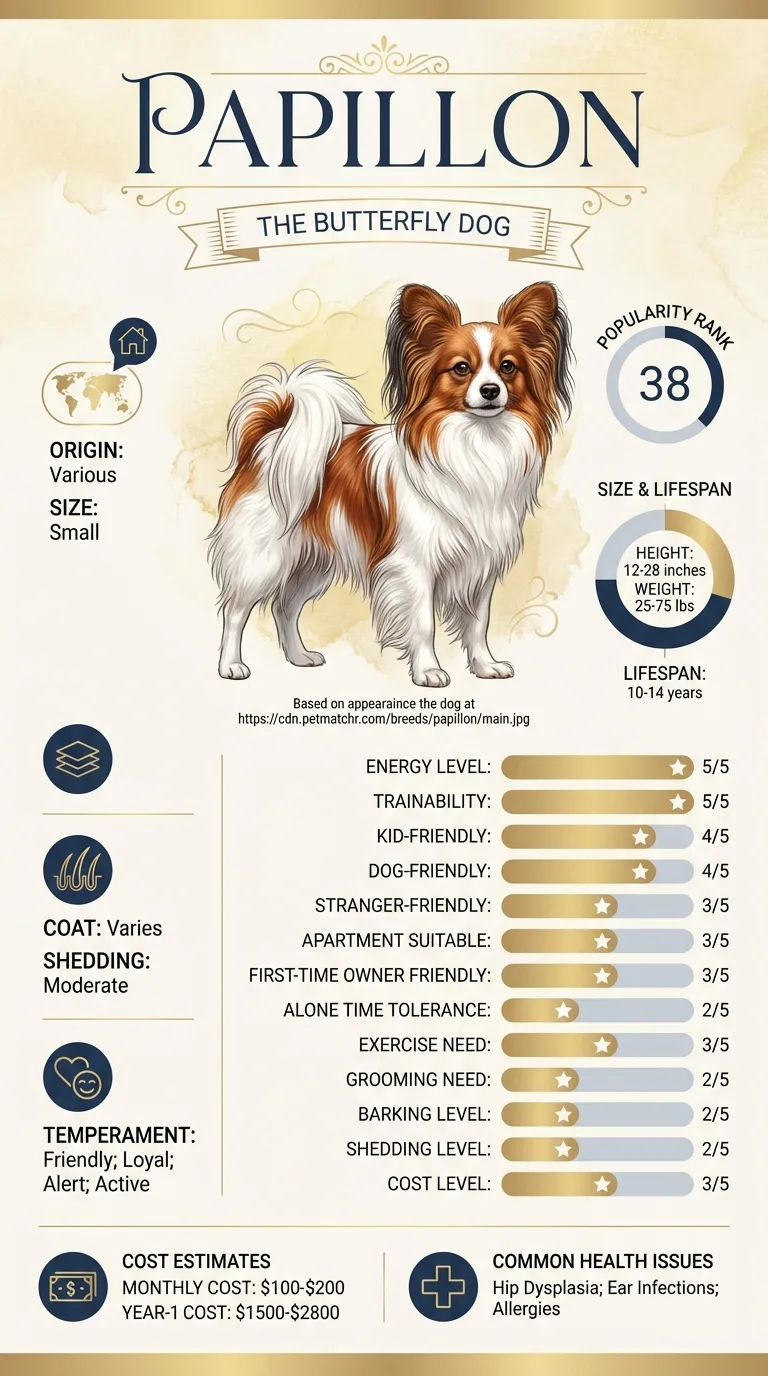
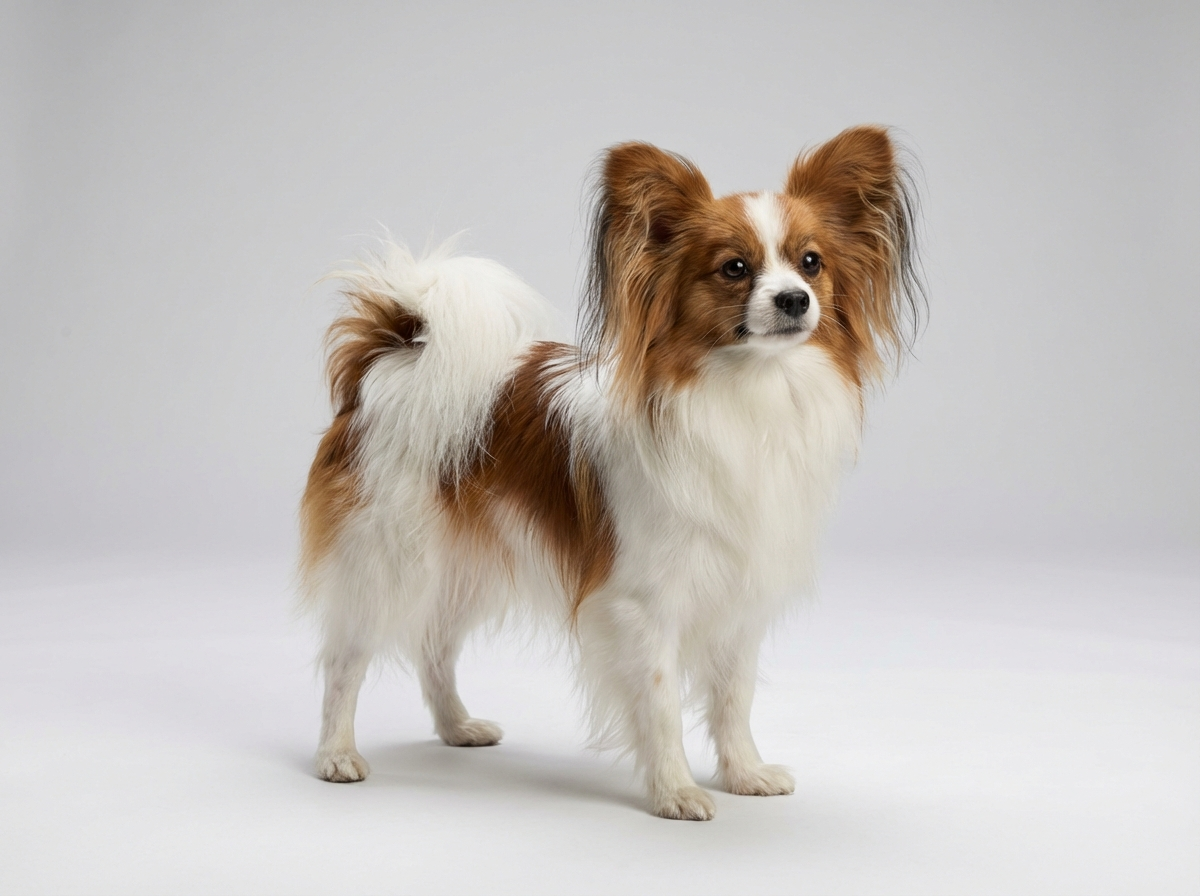
Insulin doses for a four kilogram dog are very small, sometimes only a couple of units, and precision matters proportionally more than it does in a Labrador. A half-unit error is a rounding difference in a large dog and a substantial percentage change in a Papillon.
Two practical consequences follow. First, always use the syringe type matched to the insulin your vet dispenses, since the graduations differ between products and mixing them up is one of the commonest causes of dosing accidents. Second, feed and inject on a genuinely fixed schedule, usually twice daily twelve hours apart, because a small dog's blood glucose swings faster than a large one's.
The corresponding risk is hypoglycaemia. A dog that has had its insulin but refuses its meal, or that has a bout of vomiting, can drop dangerously low. The signs are weakness, wobbliness, trembling, disorientation, and in severe cases seizures or collapse. Every diabetic household should have discussed with their vet in advance exactly what to do in that situation, before it happens at seven on a Sunday morning.