DogBreedCompass
← Back to breed profile

Cardiomyopathy in Papillons: Separating Muscle Disease from Valve Disease

Quick answer

What is the difference between cardiomyopathy and valve disease?

Cardiomyopathy is the heart muscle weakening and stretching; valve disease is the one-way doors leaking while the muscle stays strong. They belong to different breed groups and progress at very different speeds.

Big hearts fail because the muscle gives out. Small hearts fail because the valves leak. A Papillon belongs firmly in the second group.

Cardiomyopathy in Papillons: Separating Muscle Disease from Valve Disease infographic

Owners who have been given a general phrase like heart disease and want to know which kind, and anyone who has read about cardiomyopathy after a diagnosis and cannot tell whether it describes their dog.

Important reminder

This guide is not medical advice. If your dog shows pain, sudden behavior change, or worsening symptoms, consult a licensed veterinarian.

Some links may be affiliate links. We may earn a commission at no extra cost to you. We only suggest products we believe are helpful for dog owners.

We research and check what we publish, but we do not warrant that any figure, date, price, or statement is accurate, complete, or current, and we accept no liability for any loss, cost, injury, or other harm arising from the use of this site. Use it as one reference among several. You remain responsible for your own decisions and for your dog's care - confirm anything that matters with a licensed veterinarian or another qualified professional before you act on it. Full disclaimer.

What this problem looks like

Cardiomyopathy is disease of the heart muscle itself. In its commonest canine form the walls thin, the chambers dilate and the pump weakens, often silently, until the dog collapses or develops fluid in the lungs. It is a large-breed disease. In a Papillon, symptoms that suggest heart trouble almost always trace to the valves instead, which is a slower and far more predictable problem.

Common triggers

  • Being a large or giant breed dog, which is by far the strongest risk factor for muscle disease
  • Specific inherited mutations concentrated in Dobermanns and Boxer lines
  • Nutritional deficiency, which is the main secondary cause investigated in atypical breeds
  • A sustained abnormal heart rhythm running for weeks, which can exhaust the muscle
  • Certain infections and toxins that damage cardiac muscle directly

Dilated cardiomyopathy affects a substantial proportion of some large breeds and is vanishingly rare in dogs under twenty pounds. Degenerative valve disease runs the opposite way, dominating small-breed cardiology. For a Papillon owner the practical answer is that a cardiac diagnosis in this breed will nearly always be valvular, and a muscle disease diagnosis warrants a second opinion and a hunt for a cause.

Why this happens

Breed factors

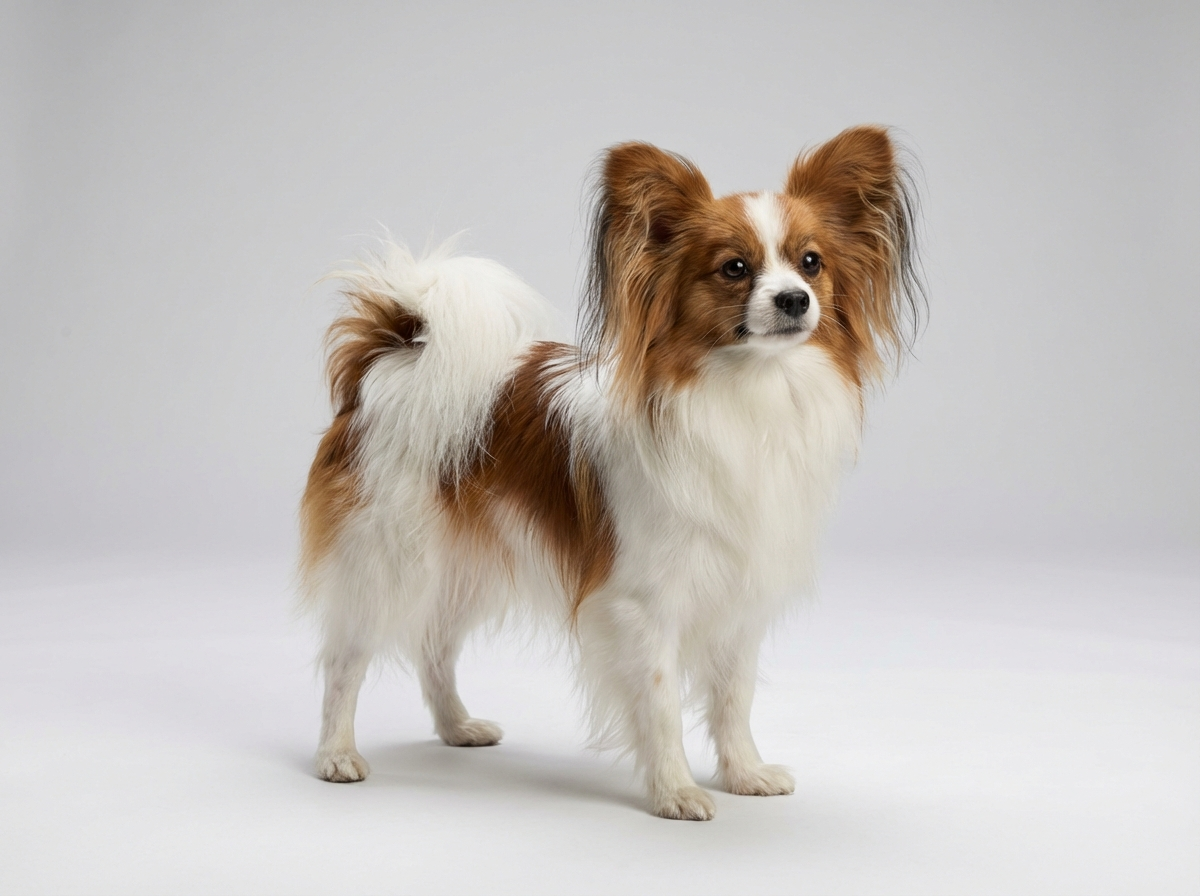
There is no documented predisposition to heart muscle disease in Papillons, and nothing on the breed's health list connects to it. What the breed does carry is the small-dog pattern: a heart the size of a walnut, valves that degenerate with age, and a lifespan of fourteen to sixteen years that gives that degeneration decades to develop. The mechanical demands on a five to ten pound heart are entirely different from those on the heart of a hundred pound dog, and the diseases follow that difference.

Environment factors

For muscle disease specifically, diet has been the most discussed environmental factor in recent years, alongside deficiencies of particular amino acids in some dogs. For a Papillon the relevant environmental influences are less exotic: body weight, ambient heat, arousal level in the household and consistency of any prescribed medication. None of them cause cardiomyopathy, but all of them determine how a heart with any disease performs day to day.

What you can do at home (once it is not an emergency)

When to talk to your vet

Seek emergency care for laboured breathing at rest, open-mouthed breathing in a dog that will not settle, blue or grey gums, sudden severe weakness, or any collapse. Fluid on the lungs and a dangerous rhythm are both treatable and both time-critical. Book a same-day appointment for a new cough, a marked drop in exercise tolerance, a swollen abdomen, or a sleeping breathing rate that has risen sharply. Book a routine appointment to have a murmur properly characterised, to ask which category of disease your dog has, or for an annual cardiac check in a Papillon over eight.

At home, alongside your vet's plan

  • Ask which specific diagnosis your dog has rather than accepting heart disease as an answer, and write the term down.
  • Feed a complete, reputable commercial diet appropriate for a small adult dog, and discuss any home-prepared or unconventional feeding plan with your vet.
  • Keep your Papillon at the lean end of five to ten pounds, since excess weight makes any cardiac condition perform worse.
  • Record the sleeping breathing rate weekly, which is useful monitoring whichever kind of heart disease is present.
  • Film any collapse, fainting or unusual breathing, because these events are diagnostic and almost never repeat during an appointment.

See all Papillon health problems, which breeds are prone to cardiomyopathy, or the full Papillon breed guide for temperament, exercise needs and ownership costs.

What to expect, and how you know it is working

Distinguishing muscle disease from valve disease takes one echocardiogram and is usually settled the same day. If valve disease is confirmed, expect years rather than months of monitoring, with reviews every six to twelve months. If muscle disease is genuinely confirmed in a toy dog, expect a broader search for an underlying cause over several weeks, including bloodwork and rhythm monitoring.

Knowing exactly which disease your dog has, understanding that the two carry very different outlooks, and having a monitoring schedule you actually follow. For most Papillon owners success is the reassurance that the frightening large-breed condition they read about is not what their dog is facing.

Two machines failing in two ways

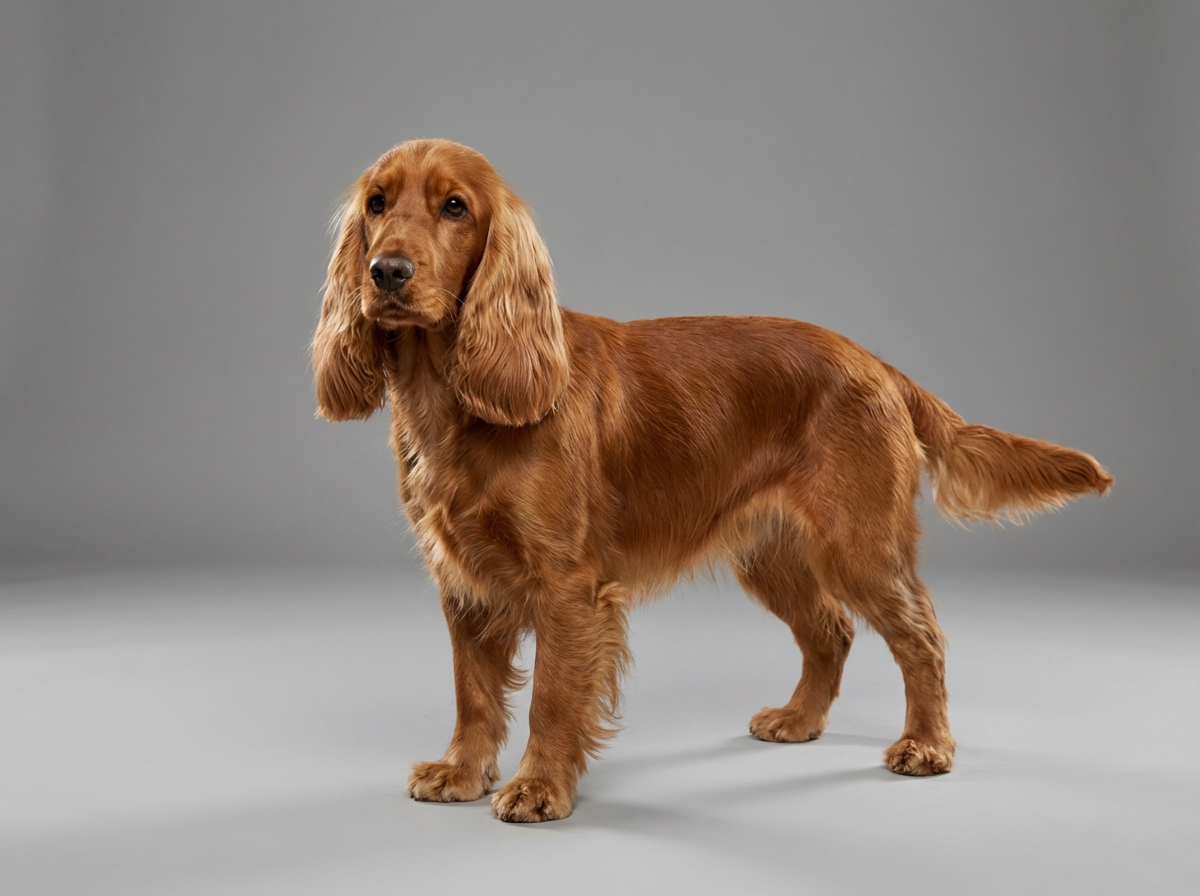
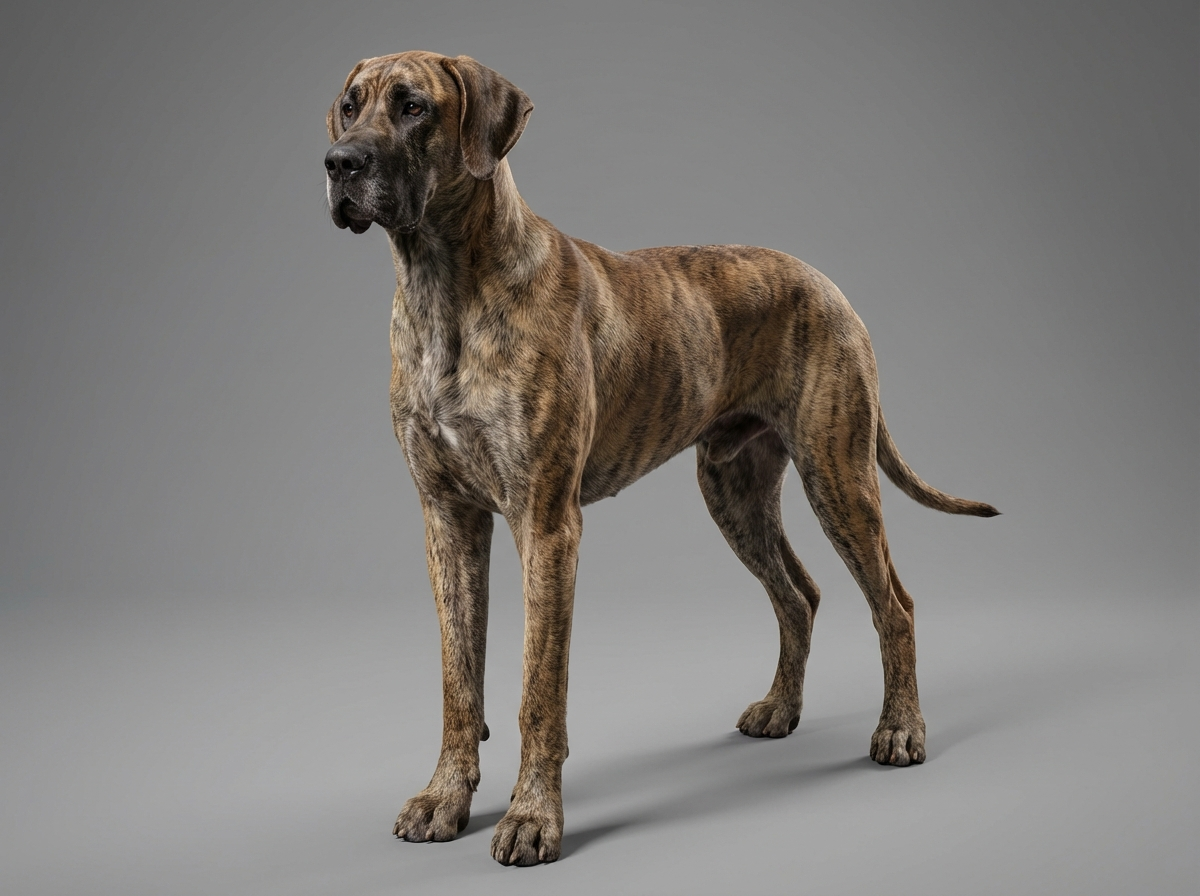
Think of the heart as a pump with one-way doors. In dilated cardiomyopathy the muscular walls thin and stretch, the chambers balloon, and the pump loses the strength to eject blood forward. Output falls, the dog tires, and rhythm disturbances often follow because a stretched, diseased muscle conducts electricity badly. This is the disease of Dobermanns, Great Danes, Irish Wolfhounds and Boxers.

In degenerative valve disease the muscle is fine. The mitral valve leaflets thicken and stop closing cleanly, so each beat pushes some blood backwards into the chamber behind. The heart compensates by enlarging, and it can do that successfully for years. This is the disease of Cavaliers, Chihuahuas, Dachshunds and small dogs generally.

The practical difference is enormous. Valve disease progresses slowly and predictably through defined stages, and dogs often live years after diagnosis. Dilated cardiomyopathy can hide silently and then present as sudden collapse or death, which is why the screening approach for at-risk large breeds is so aggressive.

Cardiomyopathy in Papillons - Two machines failing in two ways

How the two are told apart

Not by symptoms, because both eventually cause coughing, breathlessness, exercise intolerance and fluid accumulation. The separation is made by imaging.

An echocardiogram measures the thickness of the walls, the diameter of the chambers and, critically, how much the chamber shrinks with each beat. A dilated cardiomyopathy heart has thin walls, a wide chamber and poor contraction. A valve disease heart has normal or thickened walls, vigorous contraction, and a visible jet of blood travelling the wrong way across the valve, which colour Doppler displays directly.

A stethoscope offers a first clue but not an answer. Valve disease produces a loud murmur early, sometimes years before anything else changes. Dilated cardiomyopathy often produces a soft murmur or none at all, which is exactly why it goes unnoticed in the breeds it affects.

For a Papillon owner the useful implication is that a loud murmur in a small dog, unaccompanied by other signs, is usually a valve story and usually a slow one.

What to do next about cardiomyopathy in Papillons

If you think your Papillon has cardiomyopathy, the plan is three steps: write down what you have seen and when it started, book a veterinary appointment rather than waiting for the next flare, and take video of the behaviour or symptom before you go — the thing you are worried about rarely happens in the consulting room. Screening in the parents covers patellar luxation, progressive retinal atrophy, dental disease.

What the vet visit should produce is a diagnosis and a written plan, not just reassurance: what is being ruled out, what the monitoring interval is, and which signs mean you come back sooner. Ask what the treatment costs across a year rather than per visit, because that is the number that decides whether you are managing this condition or reacting to it.

Between appointments, keep a short log — dates, what you saw, what changed. It is the single most useful thing an owner brings to a follow-up, and for cardiomyopathy it is often what separates a clear pattern from a guess.

The word that meant two different things

Yusuf's ten-year-old Papillon, Kiki, was found to have a murmur at a routine check. The note in her record said heart disease, and Yusuf spent a fortnight reading about dilated cardiomyopathy, sudden death and screening programmes, none of which mentioned a dog her size. At the follow-up he asked directly which disease she had. The vet drew two quick diagrams: one heart with thin stretched walls and a feeble squeeze, one with strong walls and a leaking door. Kiki's echocardiogram showed vigorous contraction, normal wall thickness and a clear backward jet across the mitral valve. Degenerative valve disease, stage B1, no enlargement, no treatment needed yet. She is thirteen now, on medication started at stage B2 eighteen months ago, and still walks twenty minutes twice a day. Yusuf keeps the two diagrams folded in her record.

Key takeaway: Heart disease is a category, not a diagnosis. Asking which chamber, which structure and which mechanism turns a frightening phrase into a manageable plan.

Frequently asked questions

Do Papillons get cardiomyopathy?

It is not a recognised problem in the breed and does not appear on its documented health list. Dilated cardiomyopathy concentrates overwhelmingly in large and giant breeds, where body size and specific inherited mutations drive it. A diagnosis in a toy dog is unusual and prompts a search for a secondary cause.

What would cause it in a small dog if not genetics?

Secondary causes are the usual explanation: a nutritional deficiency, a chronic sustained abnormal heart rhythm that exhausts the muscle over months, certain infections, or a toxic insult. Those are investigated when the picture does not fit the breed.

Is a loud murmur worse than a quiet one?

In valve disease, loudness broadly tracks with the size of the leak in the early stages but stops being useful later. In muscle disease, loudness is not informative at all, and the absence of a murmur is no reassurance. Imaging is what settles it in both cases.

Why do big breeds get muscle disease and small breeds get valve disease?

Nobody has a complete answer, but the pattern is remarkably consistent across the dog population. It appears to reflect different inherited susceptibilities that have concentrated in different body types, alongside the mechanical differences in how large and small hearts work.

Can an echocardiogram be done on a nine pound dog?

Easily. Small chests are well suited to ultrasound and images are often clearer than in a deep-chested large dog. It is non-invasive, needs no anaesthetic in a cooperative patient, and takes around half an hour.

Does treatment differ between the two?

Substantially. Both use medication to support the failing circulation, but the drugs, the timing of when to start and the monitoring schedule differ, and the outlook differs more still. Getting the category right therefore changes the whole plan, not just the label.

Quick answers

View more answers
Health

What is the difference between cardiomyopathy and valve disease?

Cardiomyopathy is the heart muscle weakening and stretching; valve disease is the one-way doors leaking while the muscle stays strong. They belong to different breed groups and progress at very different speeds.

Health

Which one affects small dogs like Papillons?

Degenerative mitral valve disease, by a wide margin. Dilated cardiomyopathy is a large and giant breed condition and is not part of the Papillon's documented health picture.

Costs

What does an echocardiogram cost for a toy dog?

Typically three to six hundred dollars including the consultation. Size does not increase the price, and small dogs often give better images than large ones because the chest wall is thin.

Living

Should a dog with heart disease still exercise?

Yes, moderately and regularly. Gentle daily walks maintain muscle and body condition. Avoid sprinting from rest, heat, and the explosive excitement that a doorbell produces in this breed.

Training

Can training make cardiac care easier?

Considerably. A Papillon taught to lie calmly on its side for an ultrasound probe and to take daily tablets willingly turns years of management into a routine rather than a struggle.

Related DogBreedCompass guides

  • cardiac disease staging in senior Papillons – The staging system for the valve disease small dogs actually get is covered separately.
  • dilated cardiomyopathy and diet – Dilated cardiomyopathy has its own diet-related story worth reading.
  • heart murmurs in Papillons – A murmur is the finding that usually starts the whole investigation.
  • ventricular arrhythmias in Papillons – Rhythm disturbances can both cause and result from muscle disease.
  • ARVC and why it does not fit this breed – The right ventricular form of muscle disease belongs to a different breed entirely.

Bring the right questions to the vet

A one-page prep sheet for this condition: the signs, the questions to ask, what to get priced. Unlocks here.

You get: Vet visit prep sheet

No spam. One-click unsubscribe. See our privacy policy.

Preview page 1 before you decide.

Related guides