Health
What are quick tips for managing Miniature Schnauzer cardiomyopathy?
Monitor their diet, keep regular vet appointments, and watch for symptoms like coughing. Gentle exercises can also help maintain their heart health.

Quick answer
What are quick tips for managing Miniature Schnauzer cardiomyopathy?
Monitor their diet, keep regular vet appointments, and watch for symptoms like coughing. Gentle exercises can also help maintain their heart health.
Miniature Schnauzer cardiomyopathy is a serious heart condition that affects this popular breed. Understanding it is crucial for your dog's health.
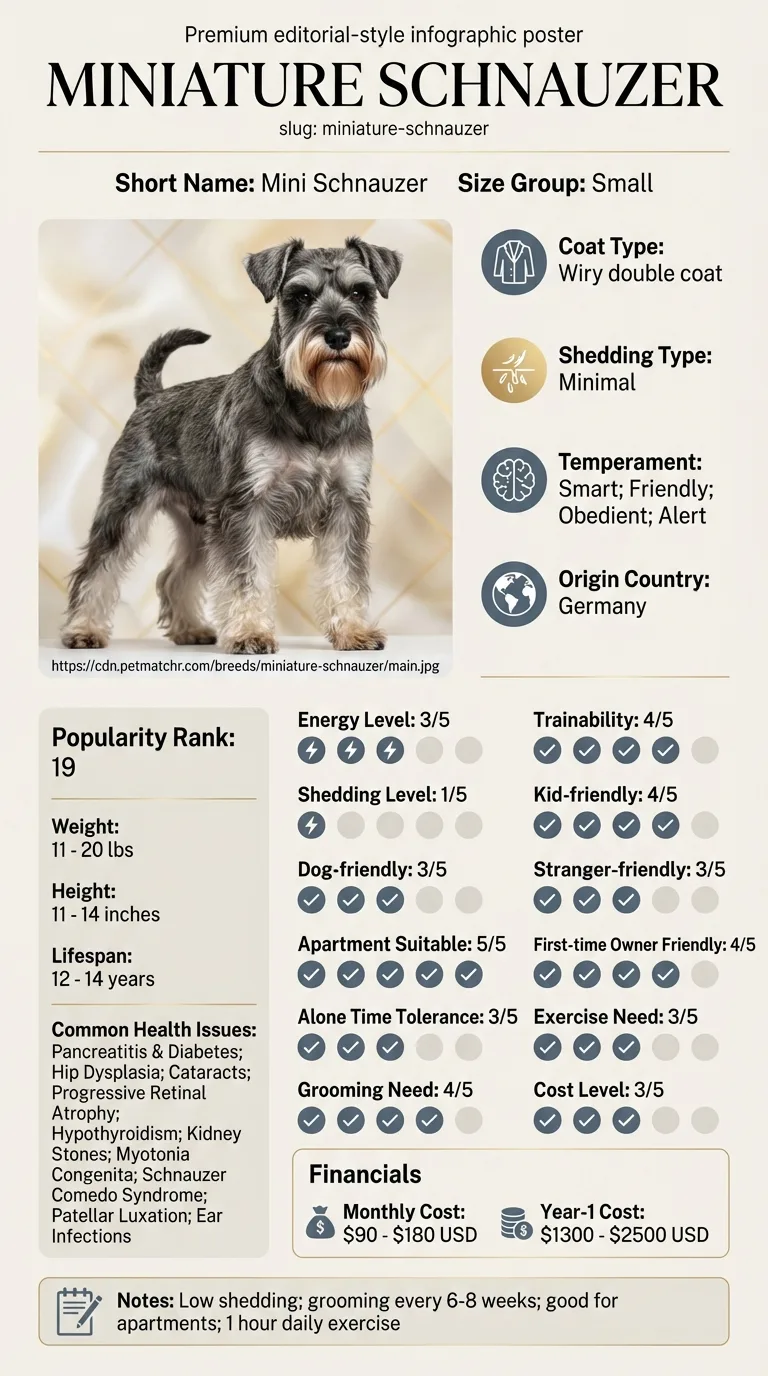
Typically, Miniature Schnauzer owners find themselves worried about their pet's health and energy levels. This includes first-time dog owners and families who may notice unusual fatigue or lethargy in their dogs.
This guide is not medical advice. If your dog shows pain, sudden behavior change, or worsening symptoms, consult a licensed veterinarian.
Some links may be affiliate links. We may earn a commission at no extra cost to you. We only suggest products we believe are helpful for dog owners.
We research and check what we publish, but we do not warrant that any figure, date, price, or statement is accurate, complete, or current, and we accept no liability for any loss, cost, injury, or other harm arising from the use of this site. Use it as one reference among several. You remain responsible for your own decisions and for your dog's care - confirm anything that matters with a licensed veterinarian or another qualified professional before you act on it. Full disclaimer.
Check this first
Recognizing when Miniature Schnauzer cardiomyopathy becomes an emergency is crucial for your dog's health. If you notice severe symptoms, like difficulty breathing, collapse, or extreme lethargy, call your vet immediately. These signs can indicate a critical situation that needs urgent care.
If any of these apply, call your vet or an emergency clinic now. The rest of this page is for the cases that are not an emergency.
Miniature Schnauzer cardiomyopathy is a serious heart condition affecting the heart muscles, leading to decreased heart function. Day-to-day, symptoms may include lethargy, coughing, difficulty breathing, and fainting spells. These signs can be alarming for any Mini Schnauzer owner, and addressing them quickly is crucial for your dog's health.
Cardiomyopathy is fairly common in Miniature Schnauzers, particularly as they age. Research indicates that small breeds like the Mini Schnauzer can be more vulnerable to heart diseases, making regular vet check-ups essential for early detection.
Miniature Schnauzers can be genetically predisposed to cardiomyopathy. This breed's heart issues may stem from inherited traits, making them more vulnerable to heart muscle diseases. Additionally, their small size can contribute to a higher risk of cardiovascular problems.
Environmental factors such as diet, lack of exercise, and stress can exacerbate heart conditions. Poor nutrition or obesity can lead to increased strain on the heart. High-stress situations, like separation anxiety, can also negatively impact their heart health.
If you notice symptoms like coughing, lethargy, or difficulty breathing, contact your vet immediately. Regular check-ups are crucial to catch heart issues early, so don't hesitate to reach out for professional advice.
Here are common mistakes that can worsen Miniature Schnauzer cardiomyopathy and safer alternatives to consider.
Start here: Miniature Schnauzer Most Common Genetic Disorders: Screening
See all Miniature Schnauzer health problems, which breeds are prone to cardiomyopathy, or the full Miniature Schnauzer breed guide for temperament, exercise needs and ownership costs.
Managing Miniature Schnauzer cardiomyopathy can take several weeks to months. Regular vet check-ups and consistent care are crucial for monitoring progress.
Success means stabilizing your dog's condition through a proper diet, medication, and lifestyle adjustments, leading to improved quality of life.
In less severe cases, you might see mild symptoms such as occasional coughing or fatigue during play. While these should still be taken seriously, they may not require immediate veterinary attention. Create a monitoring plan that includes regular check-ups and record any changes in behavior or health.

Sarah, a devoted Miniature Schnauzer owner from Texas, noticed her dog, Max, was more lethargic than usual. After a vet visit, they discovered he had cardiomyopathy. Determined to help Max, Sarah revised his diet, added daily walks, and followed the vet's medication plan. Over a few months, Max regained energy and even started playing with his favorite toys again, much to Sarah's relief.
Key takeaway: With dedication and proper care, managing Miniature Schnauzer cardiomyopathy is possible, allowing your furry friend to enjoy a happier, healthier life.
Miniature Schnauzer cardiomyopathy can be caused by genetic factors, age, and diet. It's important to monitor their health closely and consult a vet if you notice symptoms like coughing or fatigue.
While you cannot completely stop cardiomyopathy, you can manage it through regular vet check-ups, a balanced diet, and appropriate exercise. Medications may also be prescribed to help maintain heart function.
Signs include lethargy, difficulty breathing, and a persistent cough. If you observe these symptoms, it's crucial to see a vet for a diagnosis and treatment plan.
Yes, a heart-healthy diet low in sodium and high in omega-3 fatty acids can benefit Miniature Schnauzers with cardiomyopathy. Always consult your vet for specific dietary recommendations.
Training can help by keeping your Miniature Schnauzer mentally stimulated and reducing stress. Focus on gentle training exercises that do not overexert them.
Early signs of Miniature Schnauzer cardiomyopathy can include lethargy, coughing, and difficulty breathing. If you notice these symptoms, consult your veterinarian as early diagnosis can make a difference in management.
Yes, cardiomyopathy can be hereditary in Miniature Schnauzers. If you have a family history of heart issues in this breed, it's wise to discuss screening options with your vet.
Diet plays a crucial role in managing Miniature Schnauzer cardiomyopathy. A balanced diet that supports heart health can help slow the progression of the disease, so consult your vet for specific dietary recommendations.
Yes, older Miniature Schnauzers can develop cardiomyopathy suddenly, often without prior symptoms. Regular vet check-ups are essential to monitor heart health, especially as your dog ages.
If your Miniature Schnauzer is diagnosed with cardiomyopathy, follow your vet's treatment plan, which may include medication and lifestyle changes. Regular monitoring and care can help manage the condition effectively.
Monitor their diet, keep regular vet appointments, and watch for symptoms like coughing. Gentle exercises can also help maintain their heart health.
Regular check-ups every 6 to 12 months are recommended for early detection and management of cardiomyopathy.
Treatment costs may range from $50 to $300 monthly, depending on medications and vet visits. Be prepared for these ongoing expenses.
Yes, stress can negatively impact their health. Create a calm environment and engage in relaxing activities to help reduce anxiety.
Watch for increased lethargy, difficulty breathing, or changes in appetite. If these occur, consult your vet immediately.
A one-page prep sheet for this condition: the signs, the questions to ask, what to get priced. Unlocks here.
You get: Vet visit prep sheet
No spam. One-click unsubscribe. See our privacy policy.
See a sample page before you decide.
Early access list
The free prep sheet covers the same-day warning signs, a symptom log and the questions to ask. We are considering a fuller kit that adds a cost worksheet for the usual tests and treatments (US price ranges with their sources) and a plain-English guide to ways of covering the bill. It is not built yet; this list tells us whether it is worth building.
One email, no spam, unsubscribe anytime. Information only, not veterinary advice.