Health
What are quick tips for managing Rottweiler cardiomyopathy?
Regular vet check-ups, a balanced diet, and controlled exercise are key. Keep an eye on any changes in behavior or energy levels to catch issues early.

Quick answer
What are quick tips for managing Rottweiler cardiomyopathy?
Regular vet check-ups, a balanced diet, and controlled exercise are key. Keep an eye on any changes in behavior or energy levels to catch issues early.
Rottweiler cardiomyopathy is a serious heart condition that affects the muscle of your dog's heart. It’s crucial to recognize the signs early to ensure the best care.
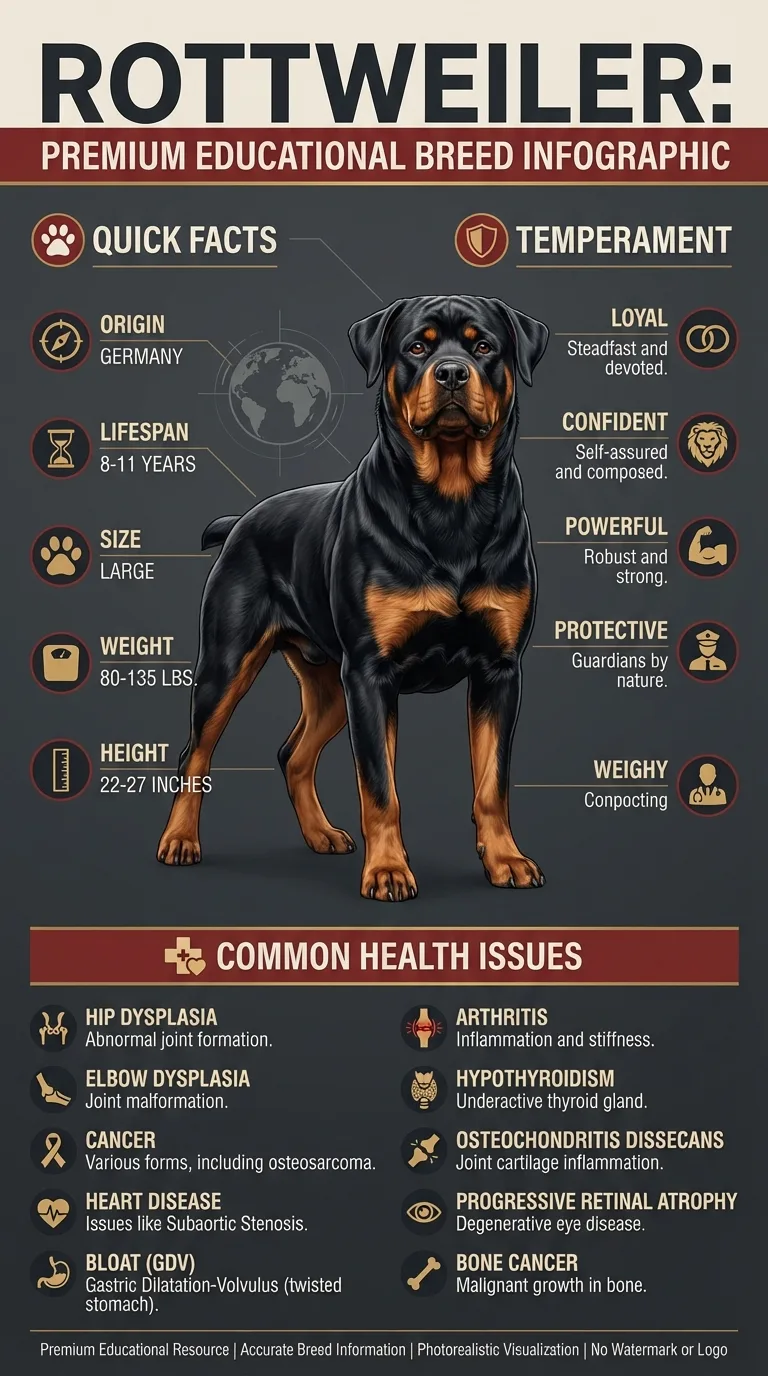
Typical owners affected by this problem include those with Rottweilers of all ages, especially families who may not be familiar with the breed's specific health risks. First-time dog owners might find it particularly challenging to navigate these health concerns.
This guide is not medical advice. If your dog shows pain, sudden behavior change, or worsening symptoms, consult a licensed veterinarian.
Some links may be affiliate links. We may earn a commission at no extra cost to you. We only suggest products we believe are helpful for dog owners.
We research and check what we publish, but we do not warrant that any figure, date, price, or statement is accurate, complete, or current, and we accept no liability for any loss, cost, injury, or other harm arising from the use of this site. Use it as one reference among several. You remain responsible for your own decisions and for your dog's care - confirm anything that matters with a licensed veterinarian or another qualified professional before you act on it. Full disclaimer.
Check this first
Recognizing when Rottweiler cardiomyopathy becomes an emergency is crucial. If you notice severe symptoms, it’s time to call your vet immediately. Warning signs include difficulty breathing, persistent coughing, lethargy, or a rapid heart rate.
These could indicate that your dog's heart is struggling significantly.
If any of these apply, call your vet or an emergency clinic now. The rest of this page is for the cases that are not an emergency.
Rottweiler cardiomyopathy is a serious heart condition affecting the heart muscle, leading to decreased efficiency in pumping blood. This can result in symptoms like coughing, lethargy, and difficulty breathing. Owners may notice their Rottweiler becoming less active or struggling during playtime, which is concerning for any dog lover.
Cardiomyopathy is relatively common in Rottweilers, particularly in those over the age of 5. While not every Rottweiler will develop this condition, it is important for owners to be aware of the signs and seek veterinary care if symptoms arise.
Rottweilers are predisposed to certain heart conditions due to their genetics. Cardiomyopathy often occurs in large breeds like the Rottweiler, as they are more prone to heart muscle diseases. This breed's loyal and protective nature may also lead to stress-related heart issues that can manifest as cardiomyopathy.
Environmental factors can contribute to cardiomyopathy in Rottweilers. Poor diet, lack of exercise, and exposure to toxins can negatively impact heart health. Additionally, high-stress situations, such as frequent changes in the household or lack of socialization, may trigger heart problems.
If you notice any symptoms like coughing, lethargy, or difficulty breathing, contact your vet immediately. Early intervention is crucial for managing Rottweiler cardiomyopathy and ensuring your dog's heart health.
Many dog owners unintentionally make their Rottweiler's cardiomyopathy worse. Here are some common mistakes to avoid, along with safer alternatives.
See all Rottweiler health problems, which breeds are prone to cardiomyopathy, or the full Rottweiler breed guide for temperament, exercise needs and ownership costs.
Managing Rottweiler cardiomyopathy typically takes several months of consistent care and treatment. Expect to see gradual improvements over time with proper management.
Success means your Rottweiler shows improved energy levels, better appetite, and fewer symptoms related to heart issues. Regular vet check-ups will help monitor progress.
On the other hand, if your Rottweiler shows mild signs like occasional coughing or slight tiredness, you can monitor their condition at home. Keep track of any changes in their behavior, energy levels, or appetite. If things worsen or new symptoms develop, don’t hesitate to reach out to your vet.

Emma, a first-time Rottweiler owner, noticed that her dog Max was becoming sluggish and had trouble keeping up during their daily walks. After a vet visit, she learned that Max was diagnosed with cardiomyopathy. With guidance from the vet, Emma implemented a tailored diet and medication plan for Max. She also adjusted their exercise routine to include shorter, more frequent walks. Over the next few months, Emma saw Max regain some of his energy and enthusiasm, making their walks more enjoyable again.
Key takeaway: Early intervention and consistent management are crucial for handling Rottweiler cardiomyopathy. A supportive approach can lead to significant improvements in your dog's quality of life.
Genetics play a significant role in Rottweiler cardiomyopathy. If your Rottweiler has a family history of heart issues, they may be more prone to developing this condition. Environmental factors and diet can also impact heart health.
Consult your vet for a tailored care plan, which may include medication, a specialized diet, and regular exercise. Monitoring your Rottweiler's weight and activity level is crucial to manage their condition effectively.
Common signs of Rottweiler cardiomyopathy include coughing, difficulty breathing, lethargy, and decreased exercise tolerance. If you notice any of these symptoms, it's important to consult a vet as soon as possible.
While there is no cure for cardiomyopathy, it can be managed with medication and lifestyle adjustments. Early intervention can significantly improve your Rottweiler's quality of life and longevity.
While training can help manage some behaviors associated with cardiomyopathy, it won't cure the condition. Focus on creating a calm environment and gentle exercise routines, and always follow your vet's recommendations.
Yes, cardiomyopathy is more prevalent in older Rottweilers, particularly as they approach middle age. Regular check-ups with your vet are essential to monitor heart health as your dog ages.
The exact cause of Rottweiler cardiomyopathy isn't fully understood, but it may be due to genetic factors, dietary deficiencies, or other underlying health issues. Genetics plays a significant role, so knowing your dog's family history is beneficial.
To support a Rottweiler with cardiomyopathy, provide a stress-free environment and ensure they have a balanced diet. Regular vet visits for monitoring and following treatment plans are crucial for their health.
Regular vet check-ups, a balanced diet, and controlled exercise are key. Keep an eye on any changes in behavior or energy levels to catch issues early.
Treatment costs can range from $100 to $500 monthly, depending on medications and vet visits. Early detection can help manage these costs effectively.
Yes, cardiomyopathy can be hereditary, especially in Rottweilers. Always consider a dog's family health history before breeding or buying.
Limit strenuous activities and provide a low-salt diet. Regular, gentle exercise can help maintain their heart health without overexertion.
A one-page prep sheet for this condition: the signs, the questions to ask, what to get priced. Unlocks here.
You get: Vet visit prep sheet
No spam. One-click unsubscribe. See our privacy policy.
Preview page 1 before you decide.