Living
What's the most evidence-backed prevention habit?
Smaller, more frequent meals combined with a slow-feeder tool if your dog tends to gulp.

Quick answer
What's the most evidence-backed prevention habit?
Smaller, more frequent meals combined with a slow-feeder tool if your dog tends to gulp.
Prevention isn't a single decision made once — it's a set of small daily habits that compound over years of feeding and caring for your dog.
Owners who understand the emergency signs and the basic mechanics but want a concrete, ongoing routine rather than scattered individual tips.
This guide is not medical advice. If your dog shows pain, sudden behavior change, or worsening symptoms, consult a licensed veterinarian.
Some links may be affiliate links. We may earn a commission at no extra cost to you. We only suggest products we believe are helpful for dog owners.
We research and check what we publish, but we do not warrant that any figure, date, price, or statement is accurate, complete, or current, and we accept no liability for any loss, cost, injury, or other harm arising from the use of this site. Use it as one reference among several. You remain responsible for your own decisions and for your dog's care - confirm anything that matters with a licensed veterinarian or another qualified professional before you act on it. Full disclaimer.
Beyond recognizing bloat's emergency signs, a genuine long-term prevention routine — smaller meals, slow feeding, sensible exercise timing, and current evidence-informed thinking on bowl height and gastropexy — meaningfully reduces modifiable risk factors, even for a breed like this one without documented elevated baseline risk.
A structured prevention routine is a reasonable, low-effort habit for any dog owner to maintain, and particularly easy to sustain consistently for a breed like this one without documented elevated urgency behind it.
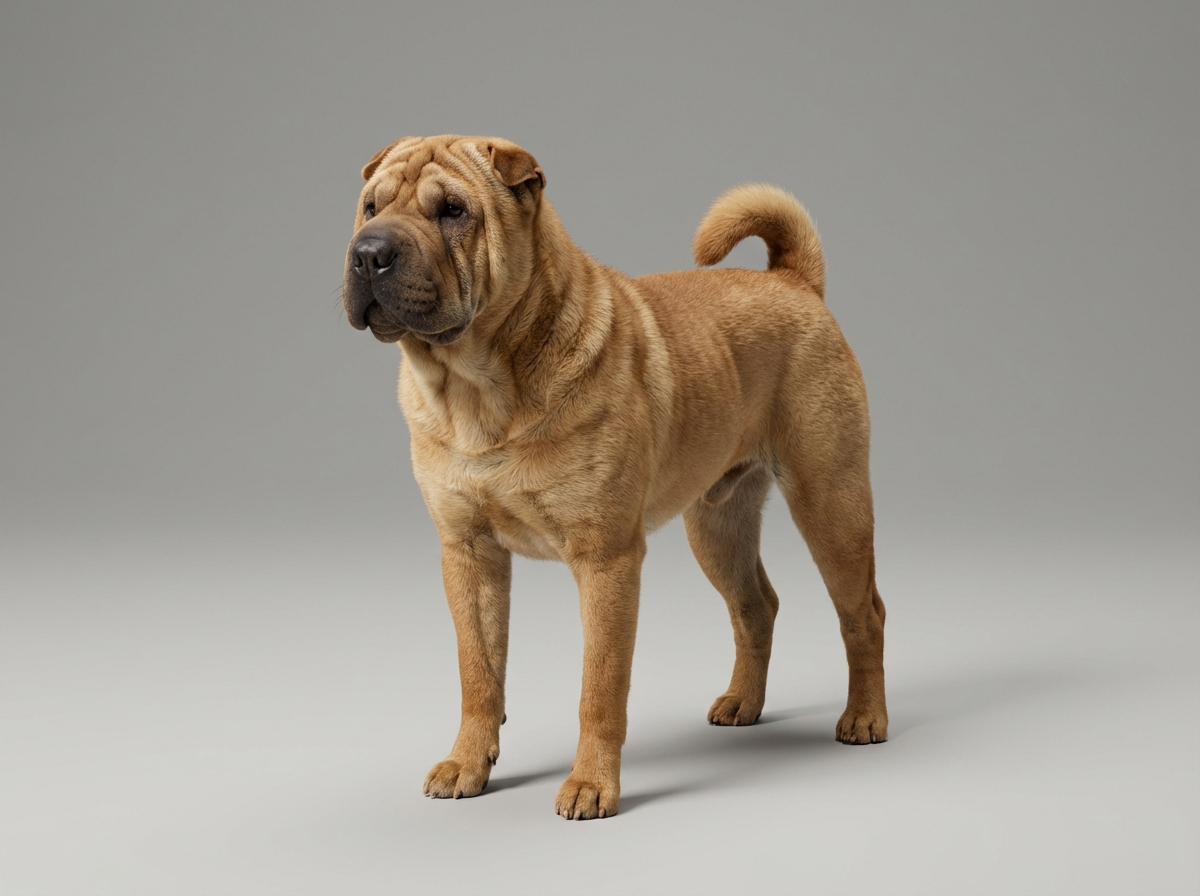
This breed's documented moderate build means prevention here is about good general practice rather than addressing a specific elevated breed risk, making a calm, consistent routine easier to maintain than it might be for a breed carrying genuine documented urgency.
Feeding schedule consistency, meal size, eating speed, and exercise timing around meals are the practical, controllable environmental factors this routine is built around.
Discuss gastropexy only if your vet raises a specific individual reason, or if your dog is already scheduled for anesthesia for an unrelated procedure. For any actual bloat symptoms, treat it as an emergency and seek immediate care rather than relying on prevention habits in the moment.
Start here: Chinese Shar-Pei Most Common Genetic Disorders: Screening
See all Chinese Shar PEI health problems, which breeds are prone to gastric dilatation volvulus gdvbloat, or the full Chinese Shar PEI breed guide for temperament, exercise needs and ownership costs.
This is an ongoing, lifelong routine rather than a temporary fix, with benefits compounding over months and years of consistent practice.
Success looks like a sustainable, low-effort daily routine maintained consistently, reducing modifiable risk factors without requiring constant vigilance or anxiety.
A genuinely effective prevention routine combines several small habits practiced consistently: feeding smaller, more frequent meals rather than one large one; keeping mealtimes calm rather than rushed or competitive; avoiding vigorous exercise immediately before or after eating; and using a slow-feeder tool if your dog tends to gulp. None of these alone eliminates risk, but together, practiced as a genuine daily habit rather than an occasional afterthought, they meaningfully reduce the modifiable risk factors within an owner's control.
For this breed specifically, since GDV isn't documented as an elevated risk given its moderate build, this routine is really about good general practice rather than urgent breed-specific necessity — which makes it easier to maintain consistently without anxiety driving the habit.
Two topics that come up often in bloat prevention discussions, with current, evidence-informed thinking.

Ffion had always fed her Shar-Pei Custard one large meal in the evening, mostly out of habit rather than any specific plan. After reading through current feeding guidance, she switched Custard to two smaller meals using a slow-feeder bowl and moved his evening walk to before dinner rather than right after. Custard adjusted to the new schedule within a week, and Ffion noticed less frantic gulping at mealtimes as a side benefit. Nothing dramatic happened either way, but Ffion felt more confident having built genuine, evidence-informed habits into Custard's routine rather than relying on hoping for the best.
Key takeaway: A sustainable prevention routine doesn't need to feel urgent to be worthwhile — small, consistent habits built calmly into daily life are exactly what long-term prevention actually looks like.
It's not a standard recommendation given the lack of documented elevated GDV risk for this breed, though it's a reasonable question to raise with your vet, especially if your dog will already be under anesthesia for an unrelated procedure.
Current guidance leans away from elevated bowls, since some research has linked them to increased rather than decreased GDV risk. A standard, ground-level bowl is the more supported choice currently.
Two to three smaller meals generally reduces bloat-related risk factors compared to one large meal, and also tends to support more even energy levels throughout the day.
Yes, for dogs that gulp their food, a slow-feeder bowl or puzzle feeder measurably reduces swallowed air and eating speed, both relevant modifiable risk factors.
It's good general practice rather than an urgent necessity for this breed specifically, which makes it easier to maintain consistently as a sensible habit rather than an anxious one.
Yes, separate feeding stations reduce competitive, rushed eating, which can otherwise increase swallowed air and eating speed for both dogs.
Portion sizes may need adjusting as activity naturally decreases with age, but the core prevention habits — smaller meals, calm feeding, appropriate exercise timing — remain relevant throughout your dog's life.
Smaller, more frequent meals combined with a slow-feeder tool if your dog tends to gulp.
Current guidance leans against it; standard ground-level bowls are the better-supported choice.
Not routinely for this breed without documented elevated risk, though worth a conversation if anesthesia is already planned for another reason.
Yes, avoiding vigorous activity for about an hour before and after eating remains a sensible precaution.
No, it's good general practice rather than an urgent necessity, given this breed's moderate, non-elevated documented risk.
A one-page prep sheet for this condition: the signs, the questions to ask, what to get priced. Unlocks here.
You get: Vet visit prep sheet
No spam. One-click unsubscribe. See our privacy policy.
Preview page 1 before you decide.