Health
What's the most common trigger for pancreatitis?
A high-fat meal or treat, which can cause digestive enzymes to activate prematurely within the pancreas and trigger intense inflammation.

Quick answer
What's the most common trigger for pancreatitis?
A high-fat meal or treat, which can cause digestive enzymes to activate prematurely within the pancreas and trigger intense inflammation.
A holiday table scrap or an unusually rich treat can trigger a genuinely painful medical emergency within the same day it's eaten.
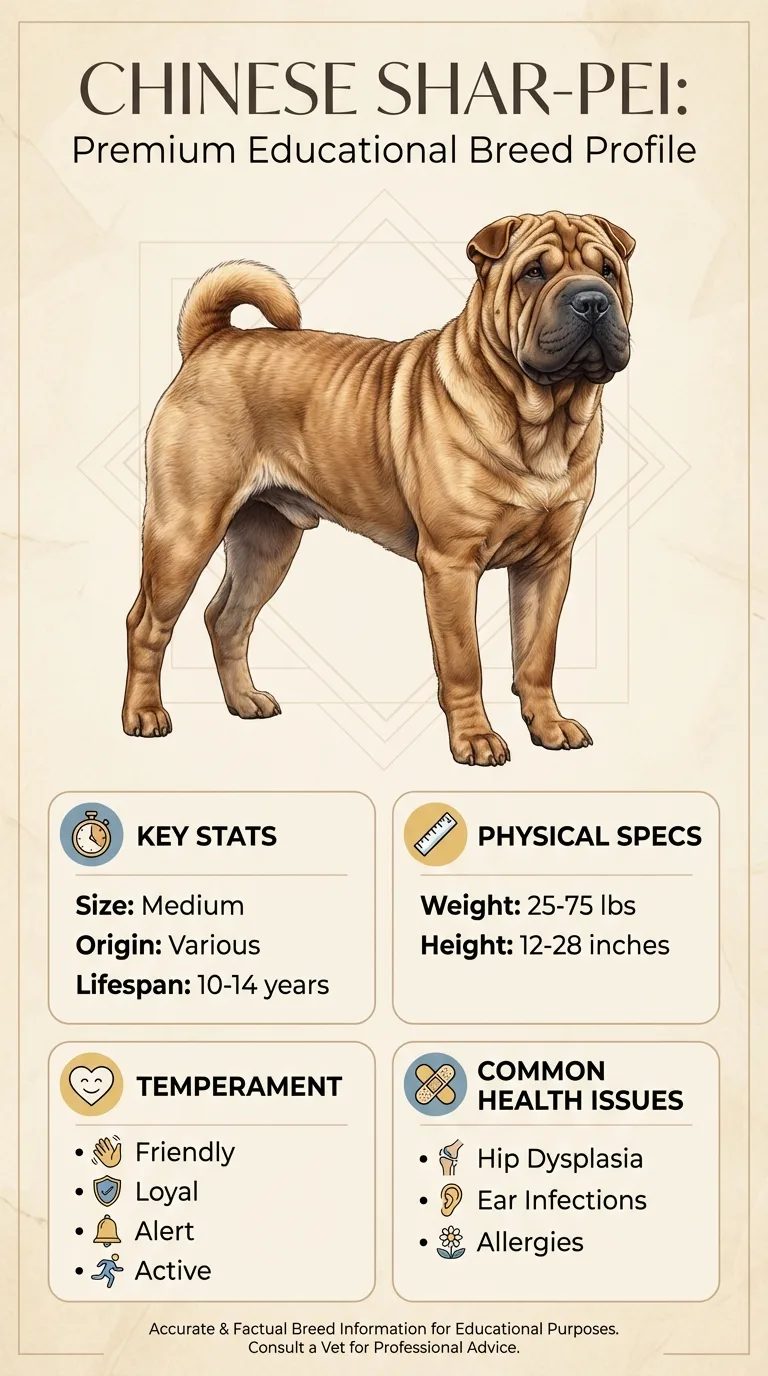
Owners who've given their Shar-Pei a rich or fatty meal or treat recently and notice sudden vomiting, abdominal pain, or a hunched posture.
This guide is not medical advice. If your dog shows pain, sudden behavior change, or worsening symptoms, consult a licensed veterinarian.
Some links may be affiliate links. We may earn a commission at no extra cost to you. We only suggest products we believe are helpful for dog owners.
We research and check what we publish, but we do not warrant that any figure, date, price, or statement is accurate, complete, or current, and we accept no liability for any loss, cost, injury, or other harm arising from the use of this site. Use it as one reference among several. You remain responsible for your own decisions and for your dog's care - confirm anything that matters with a licensed veterinarian or another qualified professional before you act on it. Full disclaimer.
Pancreatitis is a sudden, painful inflammation of the pancreas, most commonly triggered by a high-fat meal that causes digestive enzymes to activate prematurely and begin damaging the pancreas itself. It tends to strike quickly rather than build gradually, making rapid recognition of symptoms and prompt veterinary treatment important for a good outcome.
Pancreatitis is a recognized risk across dogs generally rather than a condition uniquely tied to the Chinese Shar-Pei, but the breed's naturally lower exercise drive and resulting weight management challenges make it a genuinely relevant concern for this breed specifically.
Pancreatitis itself isn't a hallmark condition specifically documented for the Chinese Shar-Pei, but the breed's naturally low exercise drive and the resulting tendency toward weight gain create a compounding risk factor, since dogs carrying extra weight process dietary fat less efficiently.
A sudden rich or fatty meal, whether a treat, table scraps, or getting into the trash, is the most common direct trigger for an acute episode, with existing obesity increasing how severely an individual dog's system reacts to that fat load.
Seek prompt veterinary care for sudden vomiting, visible abdominal pain, a hunched posture, or reduced appetite, especially following a rich meal. Repeated vomiting, inability to keep water down, or signs of severe pain warrant same-day emergency evaluation rather than waiting.
Start here: Chinese Shar-Pei Most Common Genetic Disorders: Screening
See all Chinese Shar PEI health problems, which breeds are prone to pancreatitis, or the full Chinese Shar PEI breed guide for temperament, exercise needs and ownership costs.
An acute episode typically requires a few days of hospitalization and monitoring, with a gradual return to normal diet over the following week or two as the pancreas recovers. Most dogs recover fully from a single episode with prompt treatment.
Success looks like full recovery from the acute episode with no lasting digestive complications, maintained afterward through strict avoidance of fatty foods and consistent weight management to reduce the risk of recurrence.
The pancreas produces digestive enzymes that normally stay inactive until they reach the intestine, where they're meant to help break down food. A high-fat meal can trigger these enzymes to activate prematurely, right there in the pancreas itself, effectively causing the organ to begin digesting its own tissue, which is what produces the intense inflammation and pain characteristic of an acute episode. This is why a sudden dietary indiscretion, a particularly rich treat, a taste of a fatty holiday dish, or getting into the trash, is one of the most common identifiable triggers for a first pancreatitis episode, even in a dog with no prior history of digestive problems. Obesity is a compounding risk factor as well, since dogs already carrying extra weight tend to have a harder time processing any additional fat load, making this condition and weight management genuinely connected concerns for this breed rather than separate issues.
A classic pancreatitis episode presents with sudden vomiting, sometimes repeated, along with visible abdominal pain, a hunched back, reluctance to move, and a posture some owners describe as a "praying position," front legs stretched forward with the rear end raised. Appetite typically drops sharply and diarrhea is common as well. Diagnosis usually involves bloodwork looking at pancreatic enzyme levels alongside imaging like ultrasound to assess the pancreas directly and rule out other causes of abdominal pain. Treatment for an acute episode generally centers on hospitalization with IV fluids, pain management, and anti-nausea medication while the pancreas is given a chance to rest and calm down, often including a period of fasting or a very low-fat, easily digestible diet introduced gradually as the dog stabilizes. Most dogs recover well from a single episode with prompt treatment, though repeated episodes can lead to chronic pancreatic damage over time.

If you think your Chinese has pancreatitis, the plan is three steps: write down what you have seen and when it started, book a veterinary appointment rather than waiting for the next flare, and take video of the behaviour or symptom before you go — the thing you are worried about rarely happens in the consulting room. Screening in the parents covers skin fold dermatitis, entropion, familial shar-pei fever.
What the vet visit should produce is a diagnosis and a written plan, not just reassurance: what is being ruled out, what the monitoring interval is, and which signs mean you come back sooner. Ask what the treatment costs across a year rather than per visit, because that is the number that decides whether you are managing this condition or reacting to it.
Between appointments, keep a short log — dates, what you saw, what changed. It is the single most useful thing an owner brings to a follow-up, and for pancreatitis it is often what separates a clear pattern from a guess.
Nala, a Shar-Pei in Colorado Springs, was given a generous plate of turkey skin and gravy-soaked scraps by a well-meaning relative during a Thanksgiving gathering. By that evening, she was vomiting repeatedly and lying in a hunched, uncomfortable position, refusing to move from her bed. Her owners took her to an emergency vet that night, where bloodwork and ultrasound confirmed acute pancreatitis. Nala spent two days hospitalized on IV fluids and pain medication before being sent home on a bland, low-fat diet. She made a full recovery within two weeks, and her family now keeps a strict no-table-scraps rule at every holiday gathering since.
Key takeaway: A single well-meaning plate of rich food was enough to trigger a genuinely serious emergency, and Nala's family's quick decision to seek care that same night, rather than waiting overnight, gave her the best possible recovery.
A high-fat meal is one of the most common triggers, causing digestive enzymes to activate prematurely within the pancreas itself and effectively begin digesting the organ's own tissue, producing intense inflammation.
Sudden vomiting, visible abdominal pain, a hunched posture, reduced appetite, and often diarrhea are the classic signs, typically appearing within hours of a rich or fatty meal.
Yes, it's a genuinely painful condition that can become severe quickly, and any dog showing these symptoms should be seen by a vet promptly rather than waiting to see if it resolves on its own.
Treatment typically involves hospitalization with IV fluids, pain management, and anti-nausea medication, along with a period of fasting or a very low-fat diet introduced gradually as the dog stabilizes.
Yes, dogs that have had one episode are at higher risk for recurrence, and repeated episodes can lead to chronic pancreatic inflammation and long-term digestive complications over time.
Yes, dogs carrying extra weight tend to have a harder time processing additional dietary fat, making obesity a compounding risk factor alongside any specific fatty meal trigger.
Avoiding rich, fatty treats and table scraps, keeping your dog at a healthy weight, and maintaining a consistent, appropriate diet without sudden rich additions are the most effective prevention strategies.
A high-fat meal or treat, which can cause digestive enzymes to activate prematurely within the pancreas and trigger intense inflammation.
Sudden vomiting, visible abdominal pain, a hunched posture, and reduced appetite, often appearing within hours of a rich meal.
Yes, it's a genuinely painful condition requiring prompt veterinary evaluation rather than a wait-and-see approach at home.
Hospitalization with IV fluids and monitoring is a significant expense, often running into the hundreds to low thousands of dollars depending on severity.
Yes, avoiding rich, fatty foods and table scraps, along with maintaining a healthy weight, meaningfully reduces the risk of an episode.
A one-page prep sheet for this condition: the signs, the questions to ask, what to get priced. Unlocks here.
You get: Vet visit prep sheet
No spam. One-click unsubscribe. See our privacy policy.
Preview page 1 before you decide.