Health
Why does allergic itching cause more problems in this breed?
Scratching concentrates in skin folds, damaging the barrier there and inviting secondary infection that compounds the original allergic reaction.

Quick answer
Why does allergic itching cause more problems in this breed?
Scratching concentrates in skin folds, damaging the barrier there and inviting secondary infection that compounds the original allergic reaction.
The same pollen that gives another dog a mild sneeze can set off a much messier chain reaction once it lands on skin that's already folded, warm, and prone to trapping moisture.
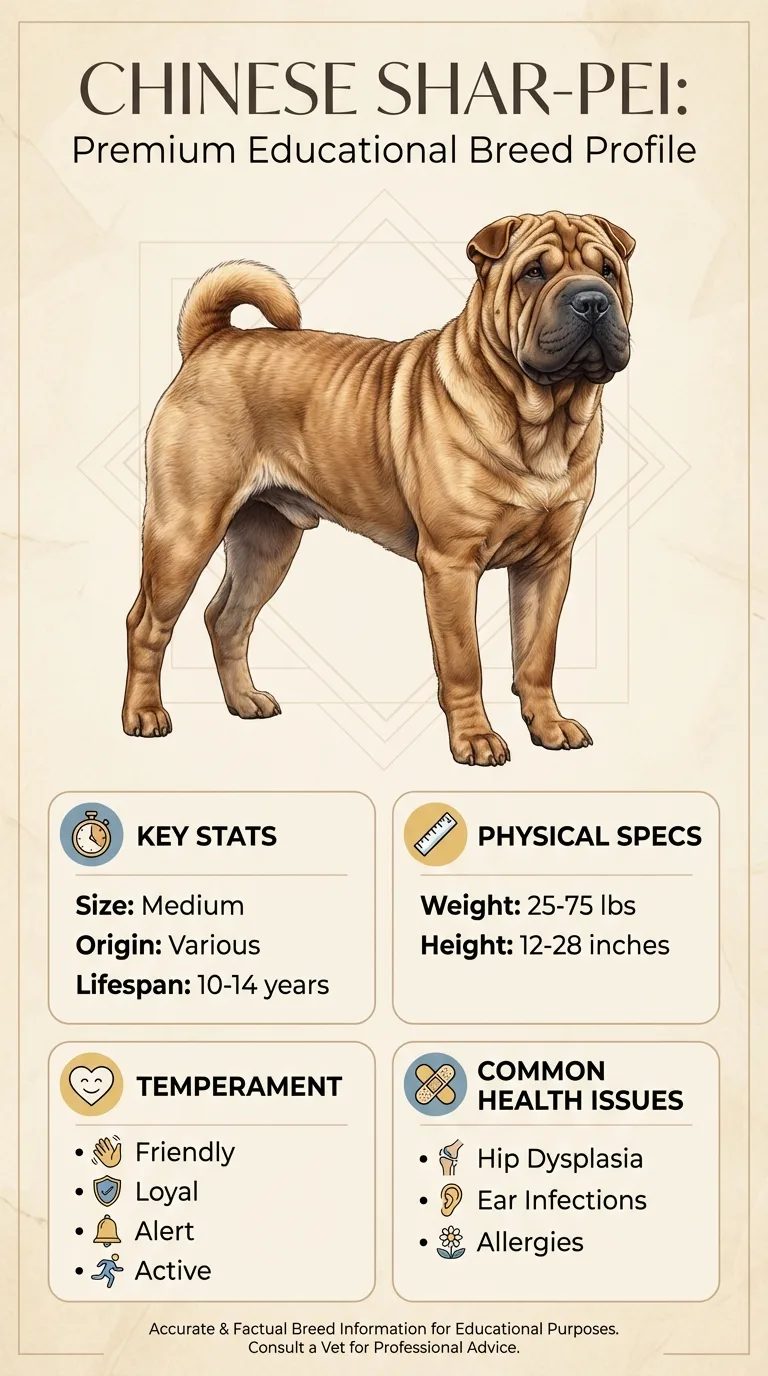
Owners noticing seasonal or year-round itching, redness, or recurring skin irritation in their Shar-Pei, particularly patterns that seem to worsen at certain times of year.
This guide is not medical advice. If your dog shows pain, sudden behavior change, or worsening symptoms, consult a licensed veterinarian.
Some links may be affiliate links. We may earn a commission at no extra cost to you. We only suggest products we believe are helpful for dog owners.
We research and check what we publish, but we do not warrant that any figure, date, price, or statement is accurate, complete, or current, and we accept no liability for any loss, cost, injury, or other harm arising from the use of this site. Use it as one reference among several. You remain responsible for your own decisions and for your dog's care - confirm anything that matters with a licensed veterinarian or another qualified professional before you act on it. Full disclaimer.
Allergic skin reactions, whether triggered by environmental allergens or specific foods, follow the same basic immune overreaction process in every dog, but in the Chinese Shar-Pei that allergic itch-scratch cycle plays out on skin already structurally compromised by folds, where concentrated scratching damages the skin barrier and invites secondary infection, compounding and extending the original allergic episode.
Allergic skin reactions are common across the Chinese Shar-Pei population, consistent with the breed's documented tendency toward skin and immune-related issues, making this a frequently encountered rather than occasional concern for owners.
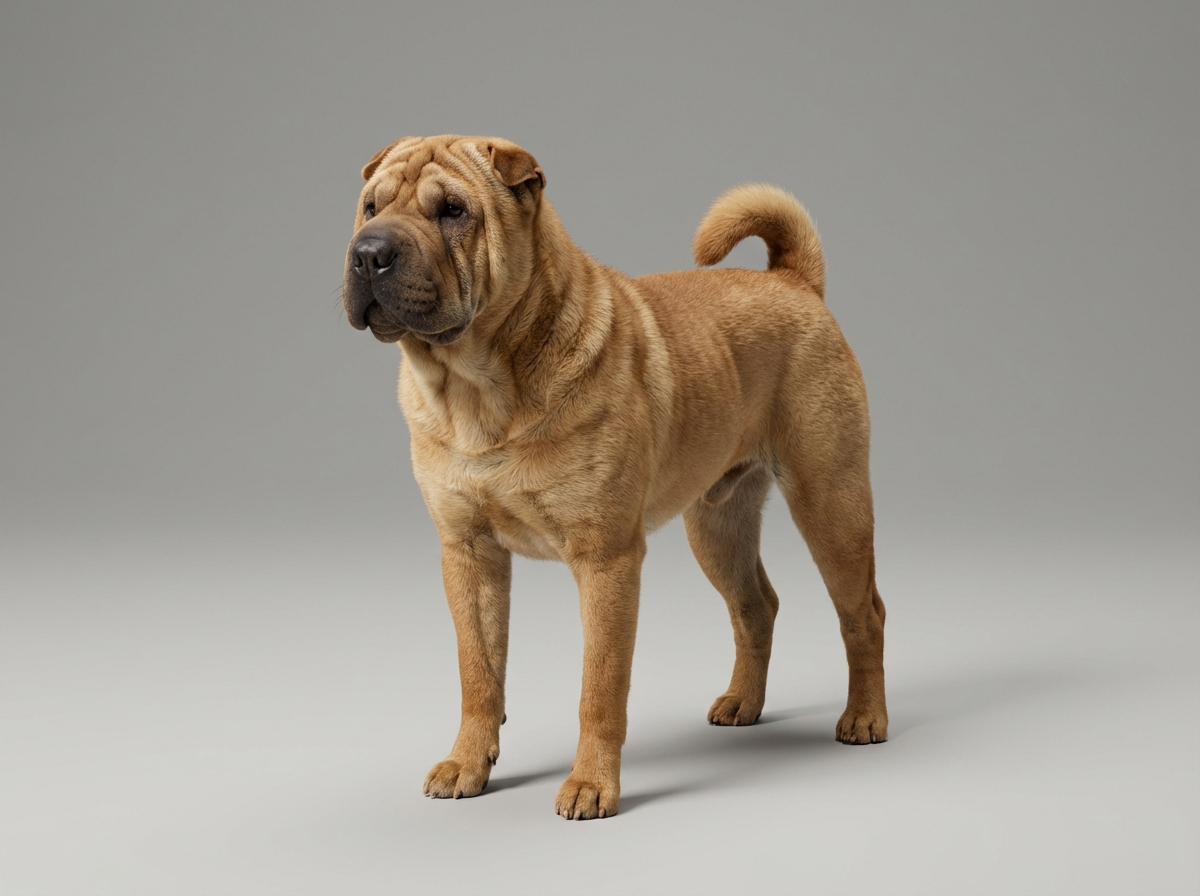
The Chinese Shar-Pei's abundant skin folds create a structurally vulnerable environment where allergic scratching concentrates and damages the skin barrier, and the breed's broader documented tendency toward immune-related conditions may also contribute to allergic sensitivity generally.
Seasonal pollen exposure, dust and mold in the home, specific food ingredients, and flea exposure are all environmental triggers that can set off the allergic itch-scratch cycle, with humid conditions further worsening the secondary infection risk within already compromised skin folds.
Schedule a vet visit for persistent itching, redness, or skin irritation that doesn't improve with basic home management, especially if you notice signs of secondary infection like odor, discharge, or worsening redness within skin folds. Severe swelling or difficulty breathing requires emergency care.
In a dog with typical, unfolded skin, an allergic reaction generally causes generalized itching that, while uncomfortable, doesn't have many structural complications to worsen it. In the Chinese Shar-Pei, that same allergic itch triggers scratching and rubbing that occurs disproportionately around and within the skin folds, since folded skin is both a common site of allergic inflammation and a natural target for a dog trying to relieve itch by rubbing its face or body against furniture or the floor. This scratching then breaks down the skin's surface barrier within already warm, moist fold environments, creating ideal conditions for secondary bacterial or yeast infection to take hold on top of the original allergic reaction. The result is a compounding cycle: allergy triggers itch, itch triggers scratching concentrated in folds, scratching damages the fold's skin barrier, and that damage invites infection, which itself causes more itching and inflammation, extending and worsening the original allergic episode well beyond what the allergen alone would have caused.
Start here: Chinese Shar-Pei Most Common Genetic Disorders: Screening
See all Chinese Shar PEI health problems, which breeds are prone to skin allergies, or the full Chinese Shar PEI breed guide for temperament, exercise needs and ownership costs.
Identifying specific triggers through an elimination diet or seasonal tracking typically takes several weeks to a few months. Once triggers are identified, flare management with prompt fold hygiene can shorten individual episodes considerably compared to letting the cycle run unaddressed.
Success looks like fewer, shorter, and less severe allergy flares, achieved through a combination of trigger avoidance, appropriate medication, and consistent fold hygiene that interrupts the itch-scratch-infection cycle at multiple points rather than a single fix.
Because this cycle has several distinct stages, effective management usually means intervening at more than one point rather than relying on a single fix. Identifying and reducing exposure to the specific allergen, whether through an elimination diet for suspected food allergies or seasonal environmental management for pollen and other airborne triggers, addresses the root trigger. Antihistamines or other anti-itch medication, used under veterinary guidance, can reduce the intensity of the itch response itself, lessening how much scratching occurs in the first place. And proactive fold hygiene, regular cleaning and thorough drying of fold areas even during an active allergy flare, helps prevent the secondary infection that so often extends and compounds the original allergic episode in this breed specifically. Addressing only one of these points while ignoring the others tends to leave the cycle only partially interrupted.

If you think your Chinese has skin allergies, the plan is three steps: write down what you have seen and when it started, book a veterinary appointment rather than waiting for the next flare, and take video of the behaviour or symptom before you go — the thing you are worried about rarely happens in the consulting room. Screening in the parents covers skin fold dermatitis, entropion, familial shar-pei fever.
What the vet visit should produce is a diagnosis and a written plan, not just reassurance: what is being ruled out, what the monitoring interval is, and which signs mean you come back sooner. Ask what the treatment costs across a year rather than per visit, because that is the number that decides whether you are managing this condition or reacting to it.
Between appointments, keep a short log — dates, what you saw, what changed. It is the single most useful thing an owner brings to a follow-up, and for skin allergies it is often what separates a clear pattern from a guess.
Biscuit, a Shar-Pei in Wichita, had a fairly predictable pattern of worsening itching every September that his owner had chalked up to "just allergies" for a couple of years without digging deeper. After keeping a detailed symptom diary at her vet's suggestion, the seasonal ragweed pattern became clear, and Biscuit's scratching was concentrated heavily around his facial folds, which had also developed a mild secondary infection by the time he was seen each fall. His vet recommended starting antihistamines proactively each August, ahead of the season, along with more frequent fold cleaning during allergy months specifically. The following fall, Biscuit's flare was noticeably milder and resolved without a secondary infection developing at all.
Key takeaway: Treating Biscuit's itching reactively every September had let the same secondary infection develop year after year, and shifting to proactive, season-ahead management finally interrupted the cycle before it could compound.
The allergic itch-scratch cycle plays out on skin that's already structurally compromised by this breed's folds, where scratching concentrates and damages the skin barrier, inviting secondary infection that compounds and extends the original allergic reaction.
A strict elimination diet trial, removing all but one novel protein and carbohydrate source for several weeks, can help identify food allergies, while seasonal patterns of itching often point toward environmental triggers like pollen.
Folds are both a common site of allergic itch and a natural target for scratching and rubbing, and that scratching damages the fold's skin barrier, creating conditions for secondary bacterial or yeast infection on top of the original allergy.
They can help reduce itch intensity for some dogs, lessening how much scratching occurs, though effectiveness varies by individual dog and by the specific allergen involved, and any medication should be used under veterinary guidance.
Yes, allergic scratching concentrated in already vulnerable skin folds commonly leads to secondary bacterial or yeast infections, which then cause further itching and inflammation on top of the original allergy.
The treatment principles are similar, but proactive fold hygiene becomes a more essential, ongoing part of management in this breed specifically, since folds are where the allergic cycle tends to compound most severely.
No, allergies generally can't be cured, only managed, through allergen avoidance, medication, and consistent skin care, aimed at reducing flare frequency and severity rather than eliminating the underlying sensitivity.
Scratching concentrates in skin folds, damaging the barrier there and inviting secondary infection that compounds the original allergic reaction.
A strict elimination diet trial using a novel protein and carbohydrate source for several weeks, done under veterinary guidance.
They can help some dogs reduce itch intensity, though effectiveness varies and should be discussed with your vet.
Very important; proactive cleaning and drying of skin folds during a flare helps prevent the secondary infections that often compound allergic reactions in this breed.
No, allergies are managed rather than cured, through allergen avoidance, medication, and consistent skin care to reduce flare frequency and severity.
A one-page prep sheet for this condition: the signs, the questions to ask, what to get priced. Unlocks here.
You get: Vet visit prep sheet
No spam. One-click unsubscribe. See our privacy policy.
Preview page 1 before you decide.