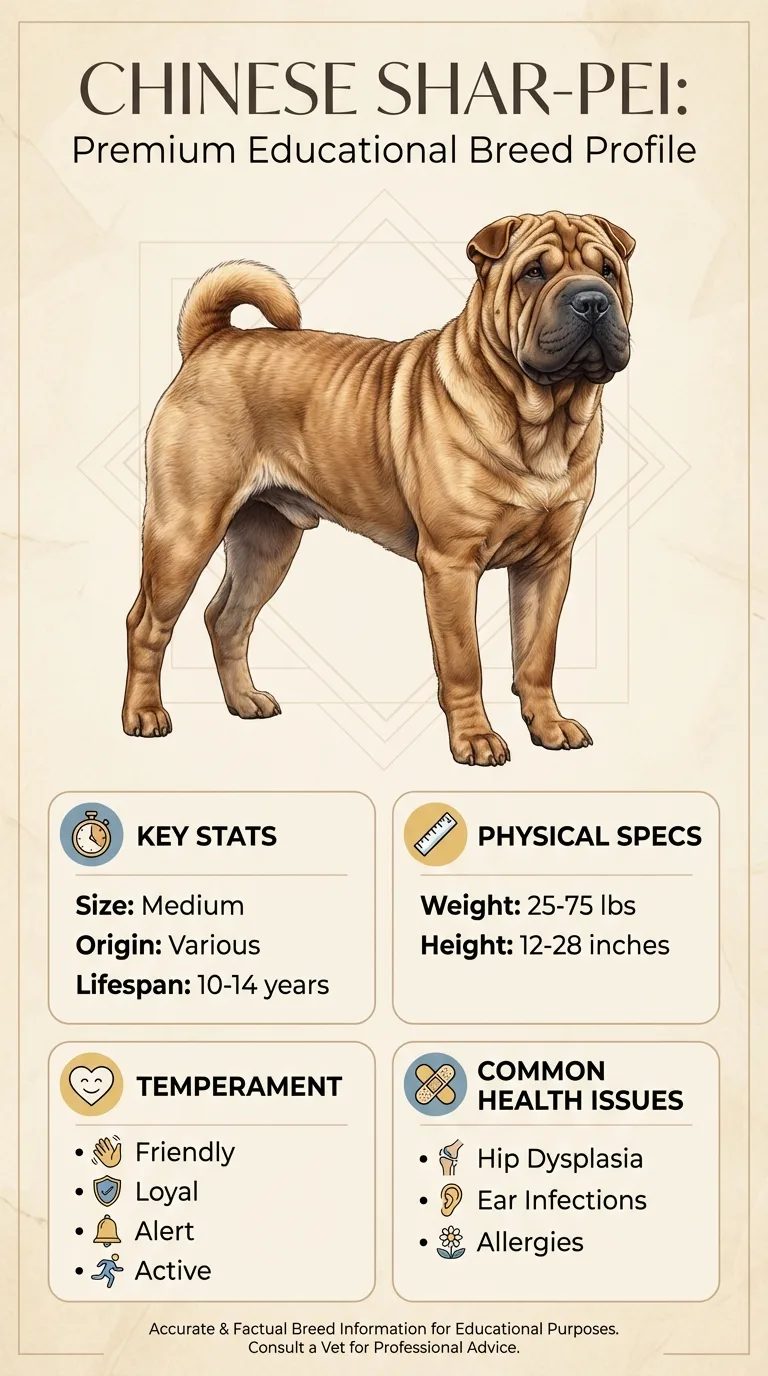
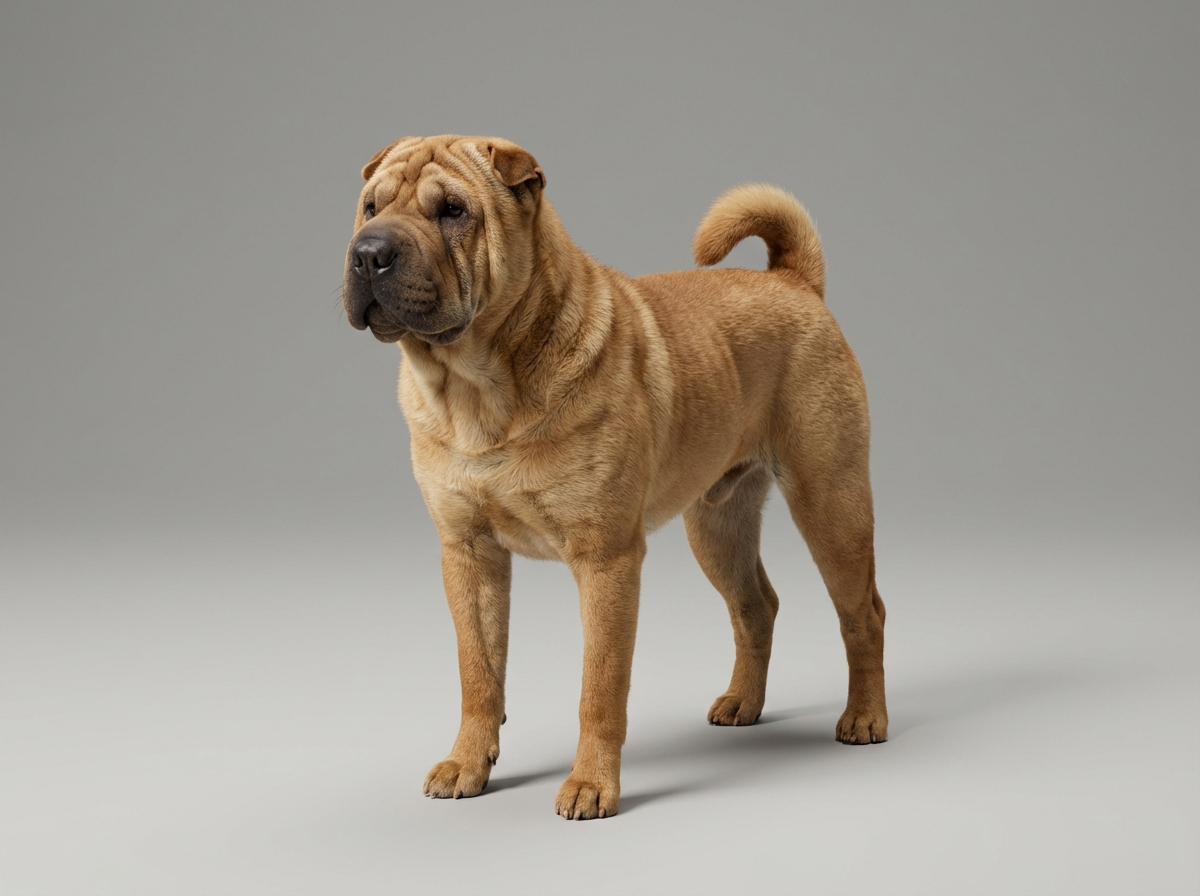
What this problem looks like
Kidney and bladder stones form when minerals in concentrated urine crystallize into hard deposits, a process driven by diet, hydration, and urine chemistry rather than the inflammatory protein buildup behind the breed's separate, better-known kidney disease risk. Recognizing straining, frequent urination attempts, or blood in the urine early allows for prompt, often diet-based management.
Common triggers
- Chronically concentrated urine from low water intake
- Diets high in certain minerals relative to a dog's needs
- Underlying urinary tract infections, particularly for struvite stones
- Urine pH imbalances favoring crystal formation
- Infrequent urination allowing urine to sit concentrated longer
Urolithiasis is a recognized issue across many dog breeds including the Chinese Shar-Pei, though it's a distinct condition from the breed's more prominent amyloidosis-related kidney disease, and its frequency depends heavily on individual diet and hydration habits rather than being an inevitable breed trait.
Koda's Straining Episode
Koda, a Shar-Pei in San Diego, started straining noticeably during bathroom breaks and produced only small amounts of urine at a time over the course of a day. His owner brought him in that same afternoon rather than waiting, and an X-ray revealed a small bladder stone. Analysis after it was surgically removed identified it as a struvite stone linked to a mild, previously unnoticed urinary tract infection. Koda was treated with antibiotics and switched to a prescription urinary diet, and his owner started adding water to his meals to encourage more drinking. He hasn't had a recurrence in the two years since.
Key takeaway: Acting the same day Koda started straining, rather than waiting to see if it passed, caught the stone before it could fully block his urethra, and proper lab analysis afterward meant his long-term diet plan targeted the actual mineral involved rather than a guess.