Health
Why does obesity affect this breed's skin health?
Extra weight deepens and tightens skin folds, trapping more moisture and friction against the skin and worsening fold dermatitis and infection risk.

Quick answer
Why does obesity affect this breed's skin health?
Extra weight deepens and tightens skin folds, trapping more moisture and friction against the skin and worsening fold dermatitis and infection risk.
In most breeds, extra weight is mainly a joint and heart concern, but in this one it also turns the skin folds themselves into a bigger daily maintenance problem.
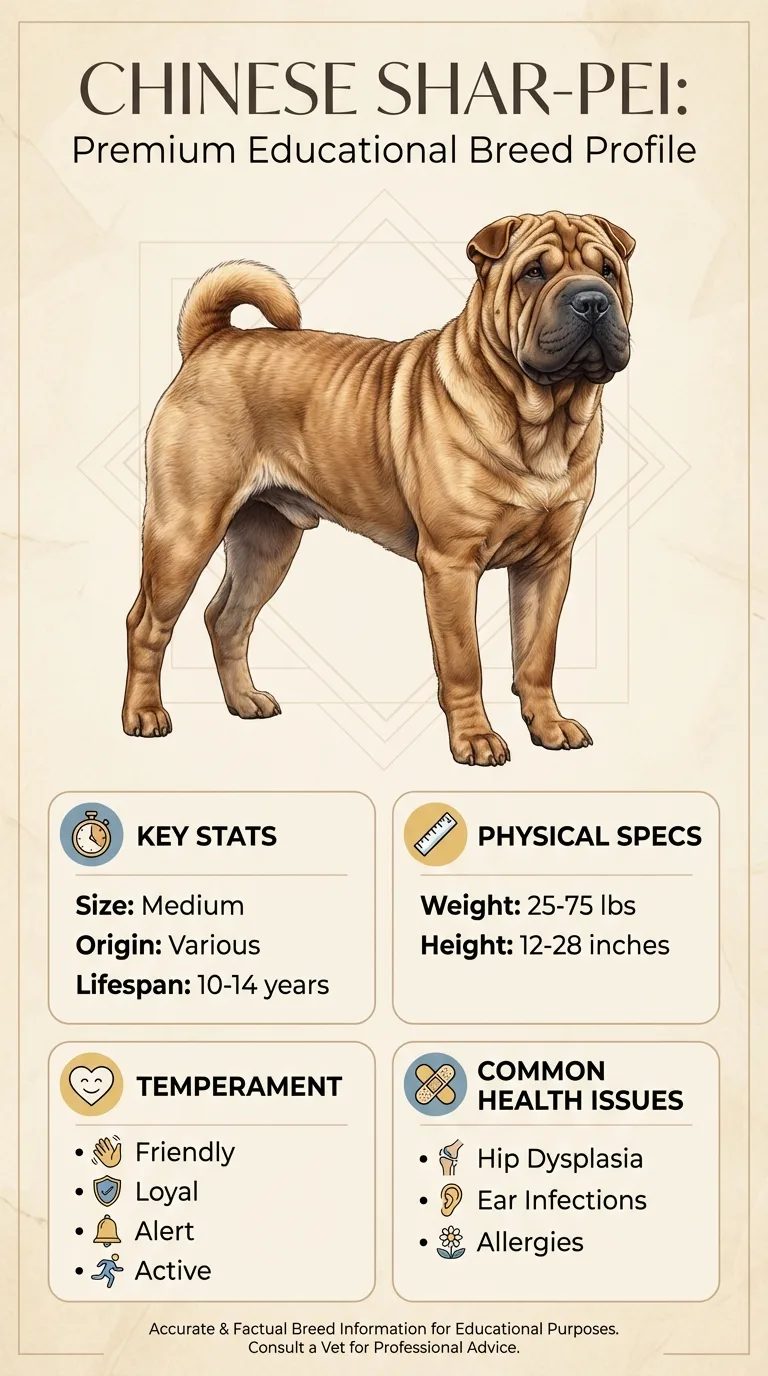
Owners of adult Shar-Peis, particularly those whose dog has a naturally calm, food-motivated personality and a household routine that doesn't involve much off-leash running.
This guide is not medical advice. If your dog shows pain, sudden behavior change, or worsening symptoms, consult a licensed veterinarian.
Some links may be affiliate links. We may earn a commission at no extra cost to you. We only suggest products we believe are helpful for dog owners.
We research and check what we publish, but we do not warrant that any figure, date, price, or statement is accurate, complete, or current, and we accept no liability for any loss, cost, injury, or other harm arising from the use of this site. Use it as one reference among several. You remain responsible for your own decisions and for your dog's care - confirm anything that matters with a licensed veterinarian or another qualified professional before you act on it. Full disclaimer.
Obesity is a particularly consequential issue for the Chinese Shar-Pei due to the breed's naturally low exercise drive, which limits how much extra calories can simply be burned off, and its prominent skin folds, which deepen with weight gain and directly worsen fold dermatitis and infection risk. Portion control, more than exercise alone, is the primary tool owners have for managing this breed's weight.
Weight management challenges are common for this breed given its naturally low exercise drive, making obesity a genuinely frequent, largely preventable issue rather than a rare complication, and one with outsized consequences given the skin fold connection.
The Chinese Shar-Pei's naturally low energy level and exercise need mean less baseline calorie burn compared to higher-drive breeds, while its prominent skin folds mean any resulting weight gain has an outsized additional impact on skin health that most breeds don't share.
Overfeeding, uncounted treats, and a sedentary household routine all directly drive weight gain, compounded by the breed's lower natural activity level that would otherwise help offset excess calorie intake in a more active dog.
Schedule a weight and body condition check if you notice gradual weight gain, reduced visible waist, or increased skin fold irritation, since these can compound quickly in this breed. Sudden, unexplained weight gain or loss should always prompt a vet visit to rule out an underlying medical cause like hypothyroidism.
Start here: Chinese Shar-Pei Most Common Genetic Disorders: Screening
See all Chinese Shar PEI health problems, which breeds are prone to obesity, or the full Chinese Shar PEI breed guide for temperament, exercise needs and ownership costs.
Gradual, sustainable weight loss of roughly one to two percent of body weight per week is the realistic target, meaning a meaningful weight correction typically takes a few months of consistent portion control rather than a quick fix.
Success looks like a visible waist, easily felt ribs without heavy fat covering, reduced skin fold irritation, and improved overall energy and mobility, maintained through an ongoing measured feeding routine rather than a temporary diet.
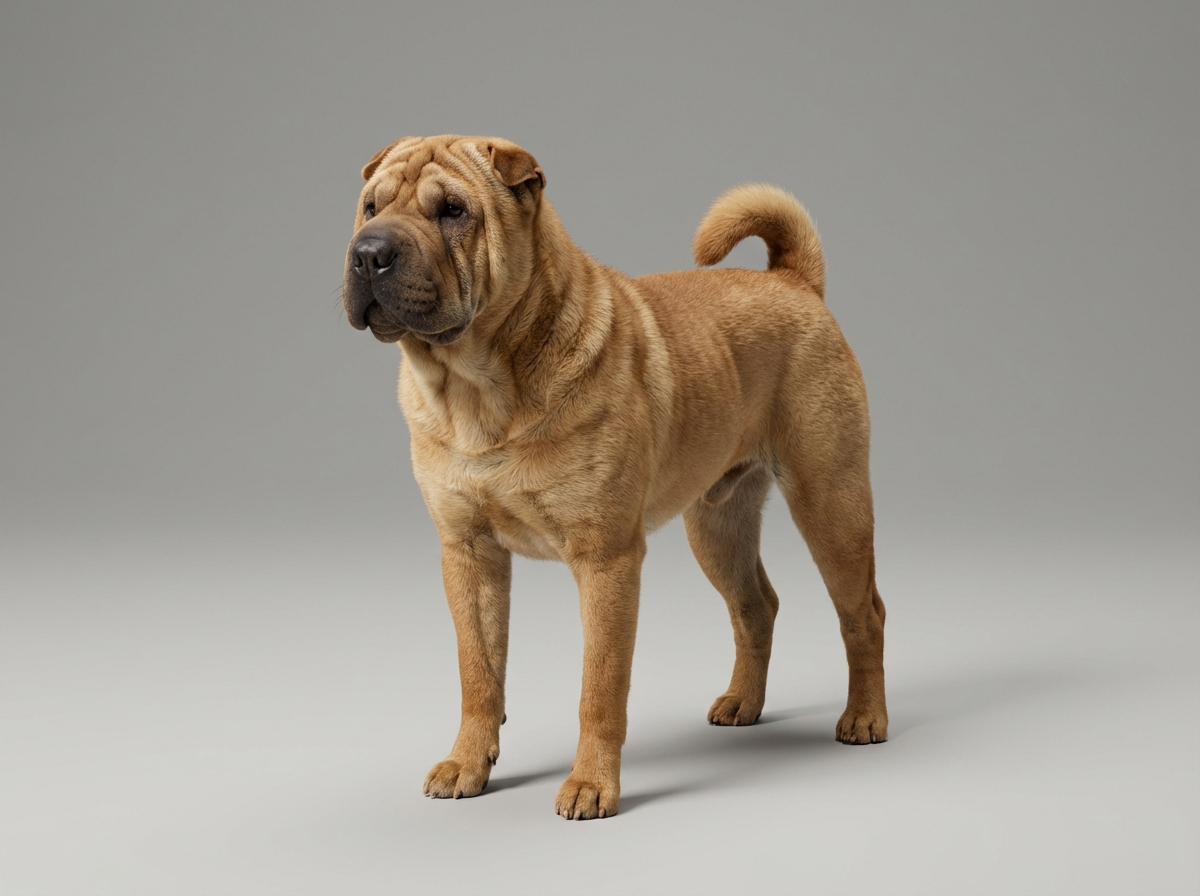
The Chinese Shar-Pei's energy level and exercise needs sit on the lower end compared to many breeds, which means the usual advice to "just add another walk" carries less natural weight-management power here than it does for a high-drive working breed that will happily burn off extra calories given the chance. Combine that lower baseline activity drive with the breed's independent, sometimes food-motivated temperament, and portion control becomes the primary lever owners actually have, rather than exercise alone. This matters more here than in many breeds because of a second, breed-specific factor: excess weight doesn't just stress joints and the heart the way it does in any dog, it also deepens and tightens this breed's already prominent skin folds, trapping more moisture and friction against the skin and directly worsening the fold dermatitis and infection risk this breed already manages as a matter of routine.
Because exercise alone won't carry the weight-management load in this breed the way it might in a more active one, these strategies lean more heavily on diet and daily habits.

If you think your Chinese has obesity, the plan is three steps: write down what you have seen and when it started, book a veterinary appointment rather than waiting for the next flare, and take video of the behaviour or symptom before you go — the thing you are worried about rarely happens in the consulting room. Screening in the parents covers skin fold dermatitis, entropion, familial shar-pei fever.
What the vet visit should produce is a diagnosis and a written plan, not just reassurance: what is being ruled out, what the monitoring interval is, and which signs mean you come back sooner. Ask what the treatment costs across a year rather than per visit, because that is the number that decides whether you are managing this condition or reacting to it.
Between appointments, keep a short log — dates, what you saw, what changed. It is the single most useful thing an owner brings to a follow-up, and for obesity it is often what separates a clear pattern from a guess.
Peanut Butter, a Shar-Pei in Orlando, gained weight so gradually over two years that her owner didn't notice until her vet pointed out she'd gone from a lean nine years old to visibly overweight at eleven, alongside more frequent skin fold flare-ups than usual. A closer look at her routine revealed her owner had been free-feeding kibble and adding a generous handful of treats during training sessions without really counting them. Switching to precisely measured meals and swapping training treats for small carrot pieces, Peanut Butter lost the extra weight gradually over four months, and her skin fold irritation noticeably improved along the way.
Key takeaway: Peanut Butter's weight gain and her worsening skin folds turned out to be the same problem showing up in two places, and addressing the diet fixed both at once rather than needing two separate interventions.
Beyond the usual joint and heart risks any breed faces, excess weight in a Shar-Pei also deepens and tightens the skin folds, trapping more moisture and directly worsening the skin infection risk this breed already manages routinely.
This breed has a naturally lower exercise drive than many, meaning moderate daily walks are usually sufficient, but also meaning portion control matters more here than relying on high activity levels to offset extra calories.
Adult Shar-Peis typically weigh between 45 and 60 pounds, though the ideal weight for an individual dog depends on frame size, and your vet can help assess body condition rather than relying on weight alone.
Yes, excess weight adds direct mechanical stress to joints already at some risk for hip dysplasia or luxating patellas, increases cardiac workload, and worsens skin fold infections by trapping more moisture against the skin.
A body condition check, feeling for ribs without heavy fat covering and looking for a visible waist from above, is more reliable than a scale number alone, and your vet can teach you to assess this at home.
Yes, small vegetable pieces or specifically formulated low-calorie treats are better choices for training rewards than commercial high-calorie treats, which can quickly add up when used frequently.
Gradual weight loss, generally around one to two percent of body weight per week, is the safer target, achieved through measured portion reduction under veterinary guidance rather than a sudden drastic diet change.
Extra weight deepens and tightens skin folds, trapping more moisture and friction against the skin and worsening fold dermatitis and infection risk.
Not primarily; this breed's naturally lower exercise drive means portion control is usually the more effective lever for weight management.
Monthly weigh-ins at home or the vet help catch gradual weight gain early, before it becomes harder to reverse.
Yes, treats should be counted as part of your dog's total daily calorie allowance rather than treated as extras outside the diet plan.
Yes, reducing excess weight lowers mechanical stress on joints, which can meaningfully ease symptoms in dogs already managing hip dysplasia or patellar luxation.
A one-page prep sheet for this condition: the signs, the questions to ask, what to get priced. Unlocks here.
You get: Vet visit prep sheet
No spam. One-click unsubscribe. See our privacy policy.
Preview page 1 before you decide.