Behavior
What should I do for Maltese skin allergies?
Keep your Maltese clean with regular baths and consult a vet for allergy testing and treatment options.

Quick answer
What should I do for Maltese skin allergies?
Keep your Maltese clean with regular baths and consult a vet for allergy testing and treatment options.
Maltese skin allergies can cause itching and irritation, leading to discomfort for your furry friend. Addressing this issue is crucial for their overall well-being.
Typical owners include families with busy lifestyles or first-time pet parents who may not recognize the signs of skin allergies. They often feel overwhelmed by the health challenges their Maltese faces.
This guide is not medical advice. If your dog shows pain, sudden behavior change, or worsening symptoms, consult a licensed veterinarian.
Some links may be affiliate links. We may earn a commission at no extra cost to you. We only suggest products we believe are helpful for dog owners.
We research and check what we publish, but we do not warrant that any figure, date, price, or statement is accurate, complete, or current, and we accept no liability for any loss, cost, injury, or other harm arising from the use of this site. Use it as one reference among several. You remain responsible for your own decisions and for your dog's care - confirm anything that matters with a licensed veterinarian or another qualified professional before you act on it. Full disclaimer.
Check this first
Recognizing when your Maltese's skin allergies become an emergency is crucial for their health. If your dog experiences severe itching, swelling, or redness, these could indicate a serious allergic reaction. Additionally, if your Maltese has difficulty breathing, excessive vomiting, or signs of a secondary infection like pus or foul odor, you should contact your vet immediately.
On the other hand, mild cases of skin allergies might include occasional scratching or minor redness. If your Maltese is itching only occasionally and does not show signs of distress, you can monitor the situation at home. Consider keeping track of any changes in their environment or diet that may contribute to these reactions.
It's essential to have a plan in place for managing mild allergies, such as using hypoallergenic shampoos or adjusting their diet. However, if the symptoms worsen or do not improve within a few days, it’s time to get professional advice. Early detection and treatment can prevent more severe issues from developing.
If any of these apply, call your vet or an emergency clinic now. The rest of this page is for the cases that are not an emergency.
Maltese skin allergies can cause significant discomfort for your furry friend. These allergies often manifest as itching, irritation, and even secondary infections. Daily life with a Maltese struggling with skin allergies may involve frequent scratching, chewing on paws, or red, inflamed skin that can upset both the dog and the owner.
Skin allergies are fairly common among Maltese dogs due to their sensitive skin and environmental factors. Many Maltese owners report experiencing this issue at some point, especially in allergy-prone seasons.
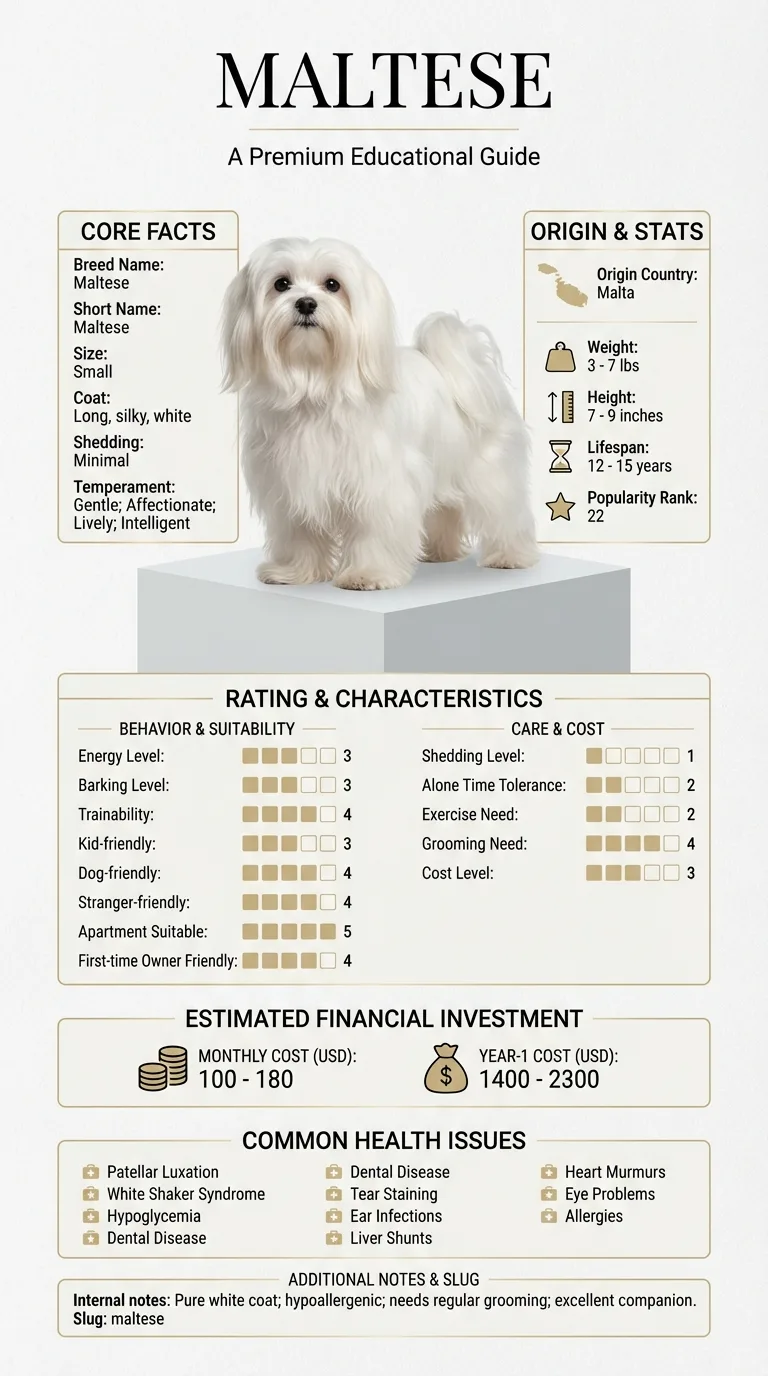
Maltese skin allergies can stem from their sensitive skin and genetic predisposition to allergies. Their long, silky coat can trap allergens, leading to irritation and itching. Additionally, factors like their small size may make them more susceptible to skin issues.
Environmental factors can also contribute to Maltese skin allergies. Common triggers include pollen, dust mites, mold, and certain foods. Changes in weather or exposure to harsh cleaning products can further irritate their skin.
Consult your vet if home remedies don't improve your Maltese's skin condition within a few weeks. If you notice severe itching, redness, or signs of infection, it's crucial to seek veterinary advice as they may need medication or specialized treatment.
Here are some common mistakes owners make that can worsen Maltese skin allergies, along with safer alternatives.
Start here: Maltese Most Common Genetic Disorders: What to Screen For
See all Maltese health problems, which breeds are prone to skin allergies, or the full Maltese breed guide for temperament, exercise needs and ownership costs.
Addressing Maltese skin allergies can take 1 to 3 months, depending on the severity and treatment plan.
Success means noticeable reduction in itching and irritation, leading to a happier, more comfortable Maltese.
Emily, a first-time dog owner in Atlanta, noticed that her Maltese, Charlie, was constantly scratching and biting at his skin. After a visit to the vet, she learned that Charlie had skin allergies likely due to environmental factors. Emily started keeping a detailed diary of what Charlie ate and how he reacted to different grooming products. With her vet's advice, she switched to a hypoallergenic diet and began using gentle, allergy-friendly shampoos. Over several weeks, Charlie's symptoms improved significantly, and he became much more playful and relaxed.
Key takeaway: Tracking your pet's reactions and working closely with your vet can lead to effective solutions for skin allergies.
Maltese skin allergies can stem from various sources, including food, environmental allergens, and parasites. Common triggers are pollen, dust mites, and certain proteins in dog food. It's best to consult your vet to identify the specific cause.
To alleviate itching, start by keeping your Maltese's skin clean and moisturized. Regular baths with hypoallergenic shampoos can help. If the itching persists, a vet may recommend medications or allergy testing for targeted treatment.
Treatment for Maltese skin allergies may include antihistamines, corticosteroids, or specialized diets. Your vet can recommend the best approach based on your dog's specific needs and allergy triggers. It's essential to follow their guidance closely for effective relief.
While not all skin allergies can be prevented, you can minimize risks by maintaining a clean environment and avoiding known allergens. Regular grooming and baths can also help keep their skin healthy, reducing the likelihood of irritation.
Some owners find relief for Maltese skin allergies with home remedies like oatmeal baths or coconut oil applications. However, consult your vet before trying these methods to ensure they are safe and suitable for your dog.
If your Maltese shows persistent itching, redness, or signs of infection, it's crucial to see a vet. Early intervention can prevent more severe issues and help identify effective treatments for their skin allergies.
Maltese skin allergies can be triggered by various factors like pollen, dust mites, and certain foods. It's important to observe your dog for any patterns relating to their environment or diet that may cause flare-ups.
Yes, if left untreated, Maltese skin allergies can result in secondary infections or chronic skin conditions. Regular vet check-ups are crucial to manage these allergies effectively and to prevent complications.
Older Maltese dogs may require a more tailored approach to managing skin allergies. A vet may recommend specific hypoallergenic diets or medications that are gentler on their system while still providing relief.
Some owners find success with natural remedies like oatmeal baths or coconut oil. However, always consult your vet before trying any home treatments to ensure they are safe and appropriate for your Maltese.
Keep your Maltese clean with regular baths and consult a vet for allergy testing and treatment options.
A Maltese typically benefits from a bath every 2-4 weeks, especially if they have skin allergies. Use a gentle, hypoallergenic shampoo to avoid further irritation.
Yes, certain ingredients in dog food can trigger skin allergies. Consider a hypoallergenic diet, and consult your vet for personalized recommendations.
Look for excessive scratching, redness, or hair loss. These can indicate skin allergies that need veterinary attention.
A one-page prep sheet for this condition: the signs, the questions to ask, what to get priced. Unlocks here.
You get: Vet visit prep sheet
No spam. One-click unsubscribe. See our privacy policy.
Preview page 1 before you decide.