Health
Is stenotic nares documented in Welsh Springer Spaniels?
No, it's a brachycephalic-breed condition not established in this moderate-muzzled spaniel.

Quick answer
Is stenotic nares documented in Welsh Springer Spaniels?
No, it's a brachycephalic-breed condition not established in this moderate-muzzled spaniel.
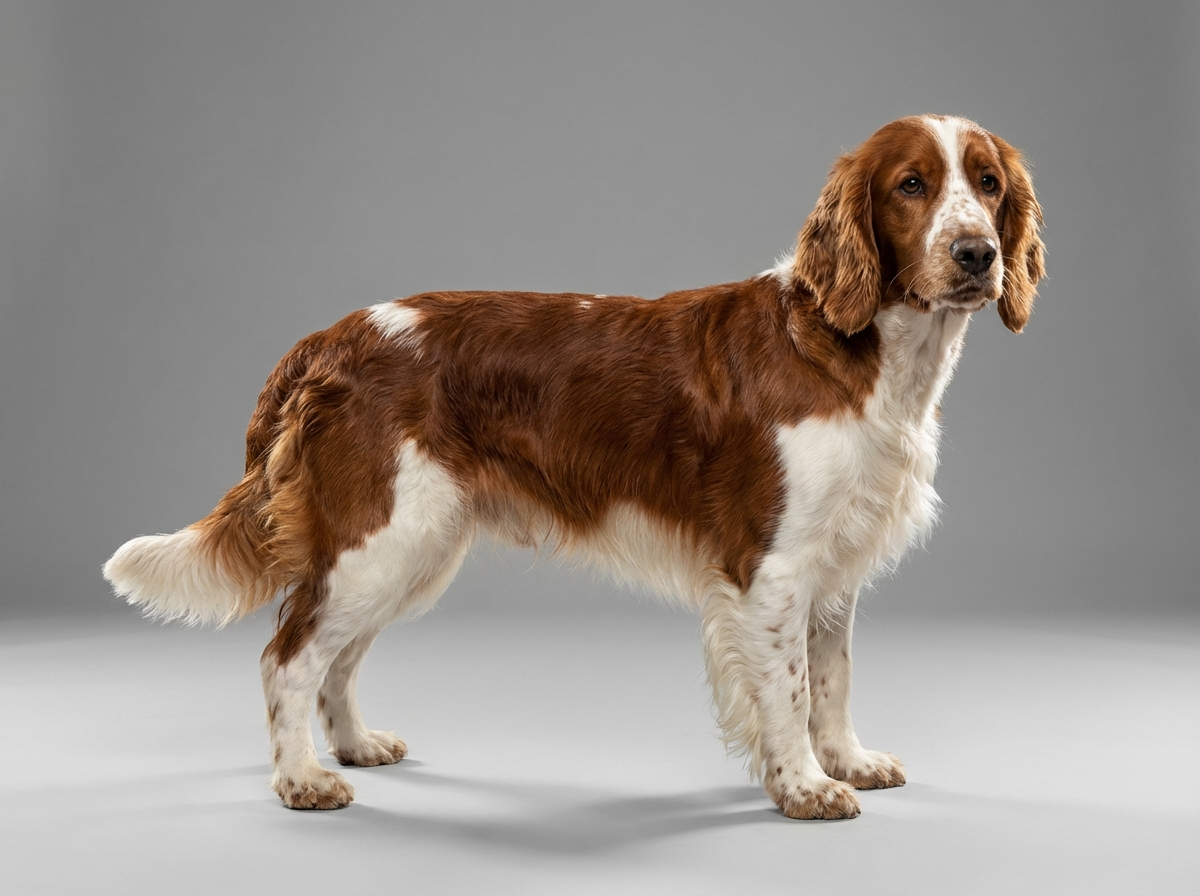
Narrowed nostrils sound like a scary structural defect, and in flat-faced breeds they genuinely are, but the Welsh Springer Spaniel's long spaniel muzzle puts this breed in an entirely different anatomical category.
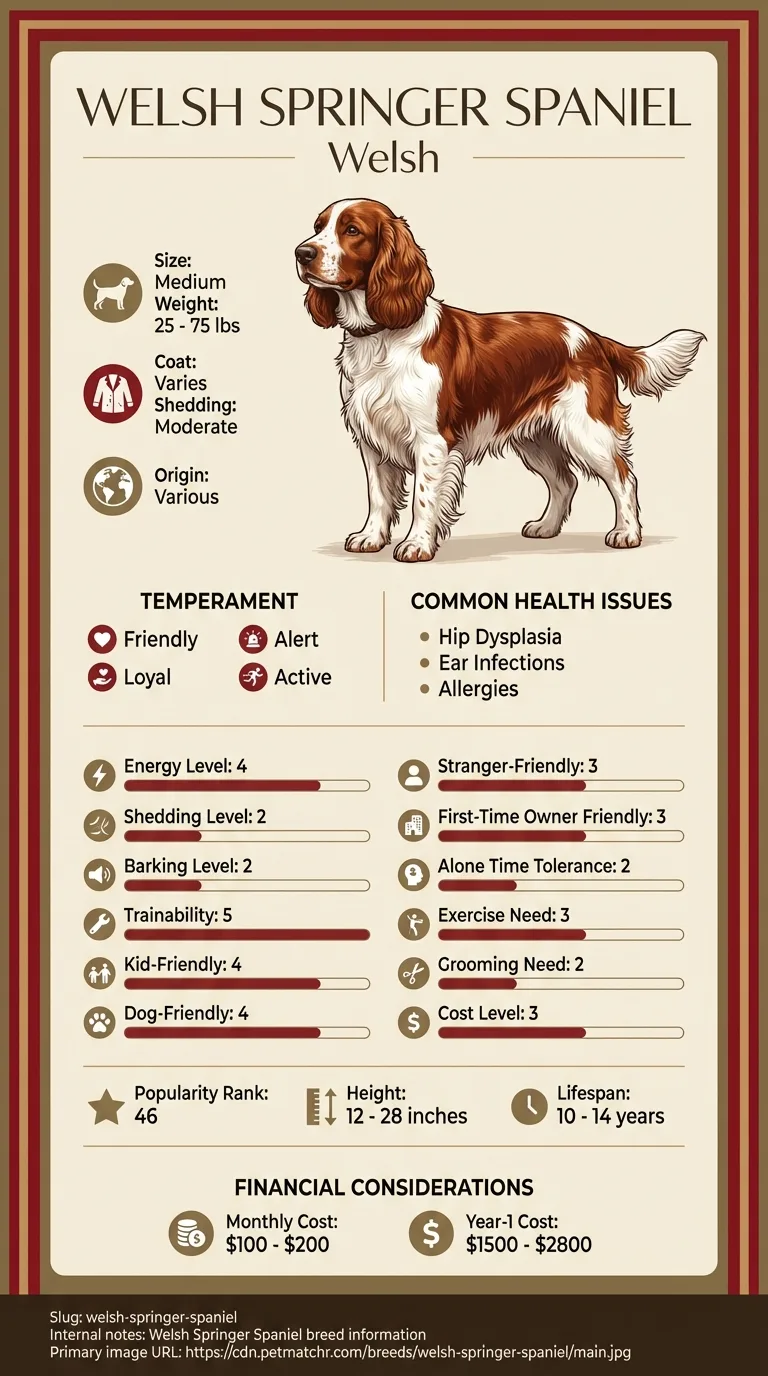
Owners who've read general lists of brachycephalic airway problems and want to know whether their Welsh Springer Spaniel puppy's nostril shape or occasional snorting is something to worry about are the audience for this page.
This guide is not medical advice. If your dog shows pain, sudden behavior change, or worsening symptoms, consult a licensed veterinarian.
Some links may be affiliate links. We may earn a commission at no extra cost to you. We only suggest products we believe are helpful for dog owners.
We research and check what we publish, but we do not warrant that any figure, date, price, or statement is accurate, complete, or current, and we accept no liability for any loss, cost, injury, or other harm arising from the use of this site. Use it as one reference among several. You remain responsible for your own decisions and for your dog's care - confirm anything that matters with a licensed veterinarian or another qualified professional before you act on it. Full disclaimer.
Stenotic nares is a structural airway defect well documented in brachycephalic breeds such as Bulldogs, Pugs, and French Bulldogs, and it is not established as occurring in the Welsh Springer Spaniel's moderately long, functional muzzle. For a Welsh showing breathing changes, allergies, ear infection discomfort, or exertion-related panting are far more likely and more relevant explanations.
Stenotic nares is common enough within brachycephalic breeds that many require surgical correction, but it is not recognized as occurring in the Welsh Springer Spaniel at all. That makes it far less relevant to this breed than the actual documented conditions like hip dysplasia and ear infections.
The nostril and skull conformation that causes stenotic nares has been selectively bred into short-muzzled companion breeds over generations, with no equivalent trait in Welsh Springer Spaniel bloodlines. This breed's muzzle length and nasal cartilage structure follow the standard, functional proportions typical of sporting spaniels bred for scent work.
Because this condition isn't tied to Welsh Springer Spaniel anatomy, there are no meaningful environmental triggers to track for it in this breed. Environmental factors relevant to this breed's actual breathing comfort are more likely allergens, humidity, and exertion in warm weather.
Talk to a vet promptly if your Welsh shows labored breathing, blue-tinged gums, fainting, or breathing distress that doesn't resolve with rest. These signs warrant real diagnostic attention, just not one framed around a brachycephalic-specific condition that isn't relevant to this breed.
Stenotic nares belongs to a specific anatomical category of short-muzzled breeds, and it's easy to misapply that worry to a longer-muzzled dog like the Welsh Springer Spaniel. Watch for these common missteps.
See all Welsh Springer Spaniel health problems, which breeds are prone to small nostrils stenotic nares, or the full Welsh Springer Spaniel breed guide for temperament, exercise needs and ownership costs.
Because stenotic nares isn't a relevant condition for this breed, there's no meaningful timeline or progression to track for it here. Any real breathing concern in a Welsh should follow the timeline your vet sets based on the actual cause identified.
Success here means redirecting attention and any genuine concern toward the breed's actual documented health issues, hip dysplasia, ear infections, epilepsy, glaucoma, and hypothyroidism, rather than a condition that doesn't apply. A well-informed owner recognizes normal spaniel snorting and saves real vigilance for the risks that are actually documented in this breed.
A Welsh Springer Spaniel that suddenly develops labored breathing, blue-tinged gums, or collapses after mild exercise needs prompt veterinary evaluation regardless of the suspected cause. In this breed, far more likely explanations include allergic airway irritation, an inhaled foreign object, heart or lung disease, or simple heat exhaustion after a hard retrieving session.
Occasional snorting, reverse sneezing, or a brief snuffle after sniffing something interesting is normal spaniel behavior and not evidence of a structural nostril defect. Ear infections, by contrast, are a genuinely documented issue in this breed and are far more likely to explain head-shaking or discomfort than any airway obstruction.
The practical approach mirrors other breed-mismatch questions: don't ignore a real pattern of breathing distress, but expect a vet's workup to focus on causes that are actually common in Welsh Springer Spaniels rather than a brachycephalic-specific defect.

Stenotic nares develops because breeding for an extremely short, flat skull compresses and malforms the nostril cartilage, a trait deliberately selected in breeds like Bulldogs and Pugs. The Welsh Springer Spaniel was bred for scenting work in the field, and a functional, moderately long nasal passage was always part of that job description.
Veterinary literature on brachycephalic obstructive airway syndrome consistently names short-muzzled companion breeds, not sporting spaniels, as the affected population. A Welsh's nostrils are open and functional by design, which is part of why this breed can work in the field for hours without the airway struggles seen in flat-faced dogs.

Desmond adopted a Welsh Springer Spaniel puppy in Tucson and noticed her snorting occasionally after sniffing the desert brush on walks, which sent him down an online search that surfaced stenotic nares as a possible cause. Worried, he brought it up at her next wellness visit, but the vet pointed out that her nostrils and muzzle were completely normal and that the condition he'd read about only shows up in short-muzzled breeds like Bulldogs. Instead, the appointment focused on scheduling routine hip screening and reviewing at-home ear care, since those are the issues actually documented in the breed. Desmond left with a plan for real prevention instead of worry over a condition that was never going to affect his dog.
Key takeaway: A structural airway defect documented in flat-faced breeds isn't a realistic concern for a Welsh Springer Spaniel's normally proportioned muzzle; the breed's actual documented risks are where attention and prevention efforts genuinely pay off.
No, it's a documented feature of brachycephalic breeds like Bulldogs and Pugs, and it isn't established as occurring in the Welsh Springer Spaniel's moderately long muzzle.
It's a structural defect where the nostril cartilage is too narrow or collapses inward, forcing a dog to breathe harder through its nose or mouth-breathe instead. It's corrected surgically in severely affected brachycephalic breeds when airflow is restricted enough to cause distress.
Reverse sneezing and occasional snorting are common, harmless spaniel behaviors usually triggered by excitement, allergens, or nasal irritation, not a sign of narrowed nostrils. They typically resolve on their own within a minute or two.
It's best documented in English Bulldogs, French Bulldogs, Pugs, Boston Terriers, and other short-muzzled brachycephalic breeds. The Welsh Springer Spaniel's longer muzzle isn't part of that anatomical group.
The genuinely documented issues in this breed are hip dysplasia, ear infections, epilepsy, glaucoma, and hypothyroidism. Those deserve far more attention than a brachycephalic airway defect that isn't relevant here.
Yes, breathing issues in this breed are more likely tied to allergies, ear infection discomfort, heart or lung conditions, or heat stress after exertion. Any persistent labored breathing still warrants a vet visit, just with a different diagnostic focus.
Not to nostril structure, no, but the breed's pendant ears do trap moisture and contribute to its well-documented tendency toward ear infections. That's a separate, real concern worth monitoring alongside routine health checks.
No, it's a brachycephalic-breed condition not established in this moderate-muzzled spaniel.
Short-muzzled breeds like Bulldogs, Pugs, and French Bulldogs.
Hip dysplasia, ear infections, epilepsy, glaucoma, and hypothyroidism are the breed's documented risks.
Usually not; reverse sneezing and brief snorting are normal and typically resolve on their own.
No, stenotic nares surgery relates to brachycephalic breeds, not typically a Welsh Springer Spaniel cost concern.
A one-page prep sheet for this condition: the signs, the questions to ask, what to get priced. Unlocks here.
You get: Vet visit prep sheet
No spam. One-click unsubscribe. See our privacy policy.
Preview page 1 before you decide.