Arkansas sits in the part of the country that consistently reports the highest incidence of spotted fever and ehrlichiosis, and the lone star tick is abundant across the state's woodland and field edges. The Ouachita and Ozark country begins within an easy drive of the city, and Pinnacle Mountain State Park sits on Little Rock's western edge — which is to say the good walking is also the tick habitat.
Dogs are exposed to the same organisms people are, and the illnesses they produce are treatable but expensive to reach: lethargy, fever, joint pain and a dog that simply seems off, symptoms vague enough that the diagnosis often arrives after a round of testing rather than at the first visit. Many practices here bundle a tick-borne disease screen into the annual heartworm test, which is the cheapest way to catch something early.
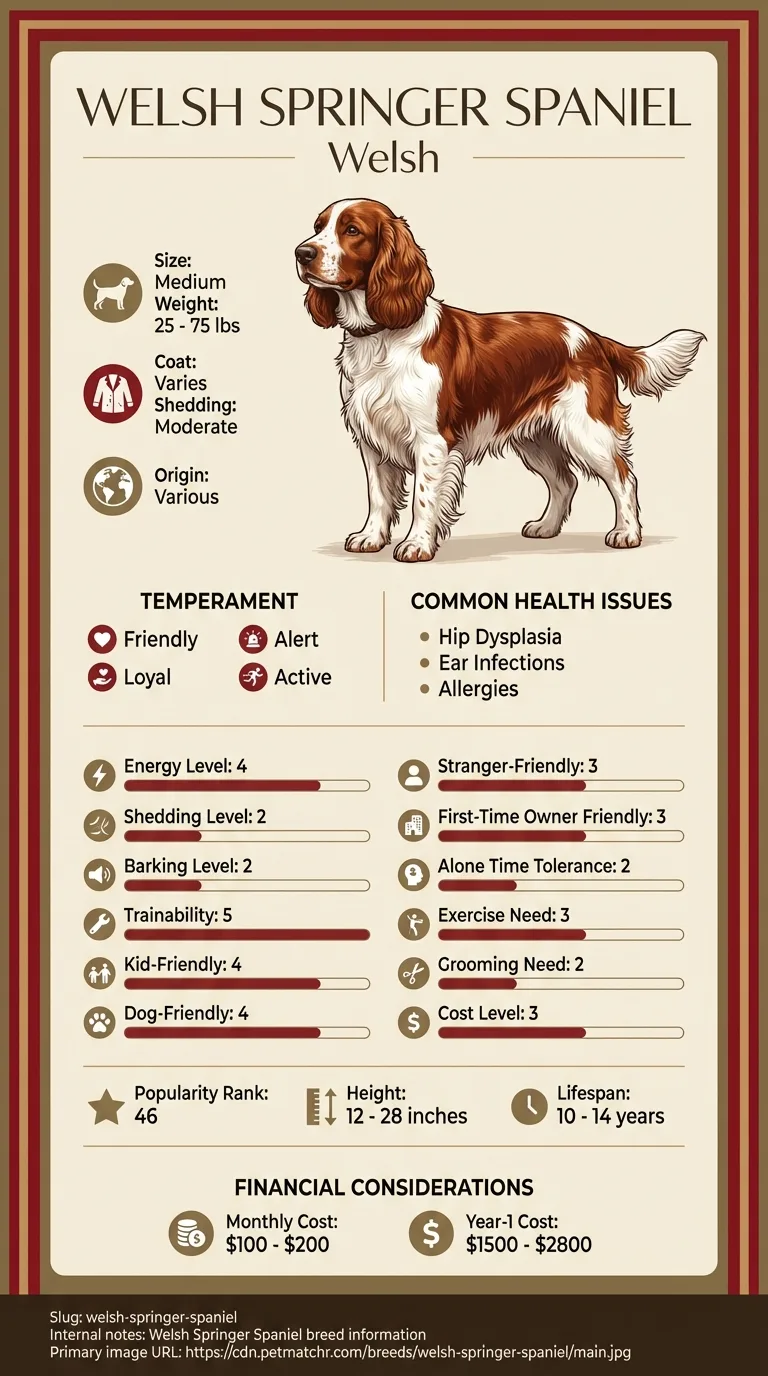
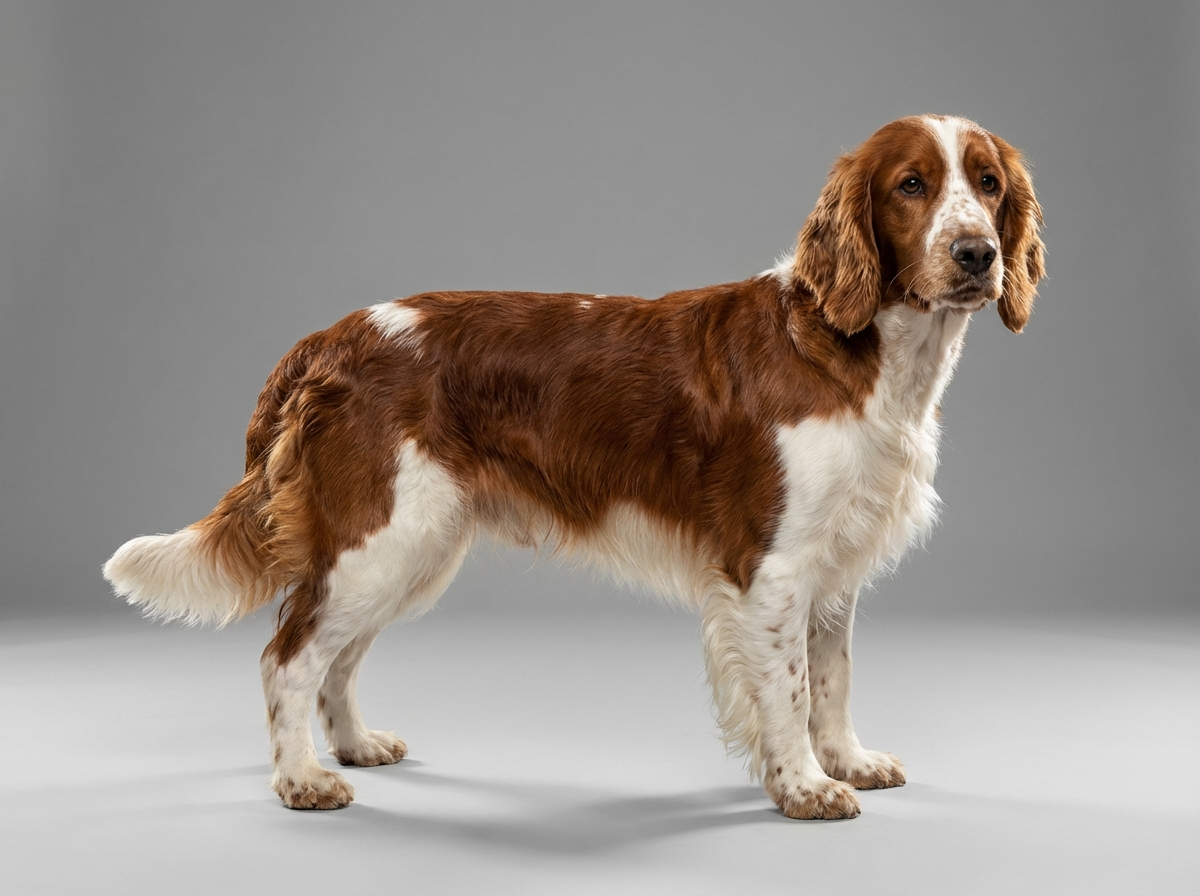
The habit that matters costs nothing. After any walk in cover, lift both ears and look — inside the leather, along the fold, and around the base where the ear meets the head. Run fingers through the feathering on the legs and chest too. Most owners check the back and the belly, which are the places a tick is least likely to choose on this particular breed. Combine that with a veterinary-recommended preventive product used across Arkansas's roughly eleven-month season and the exposure drops sharply.