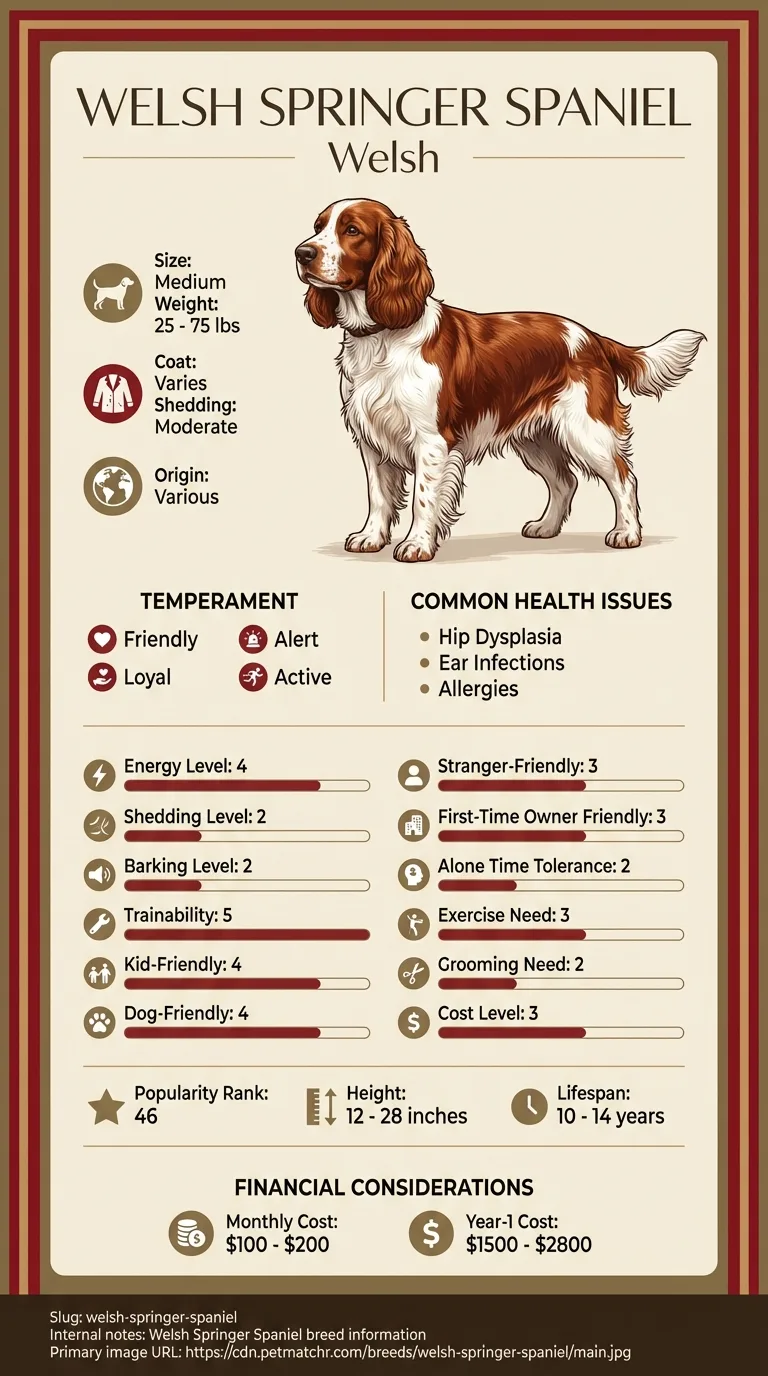
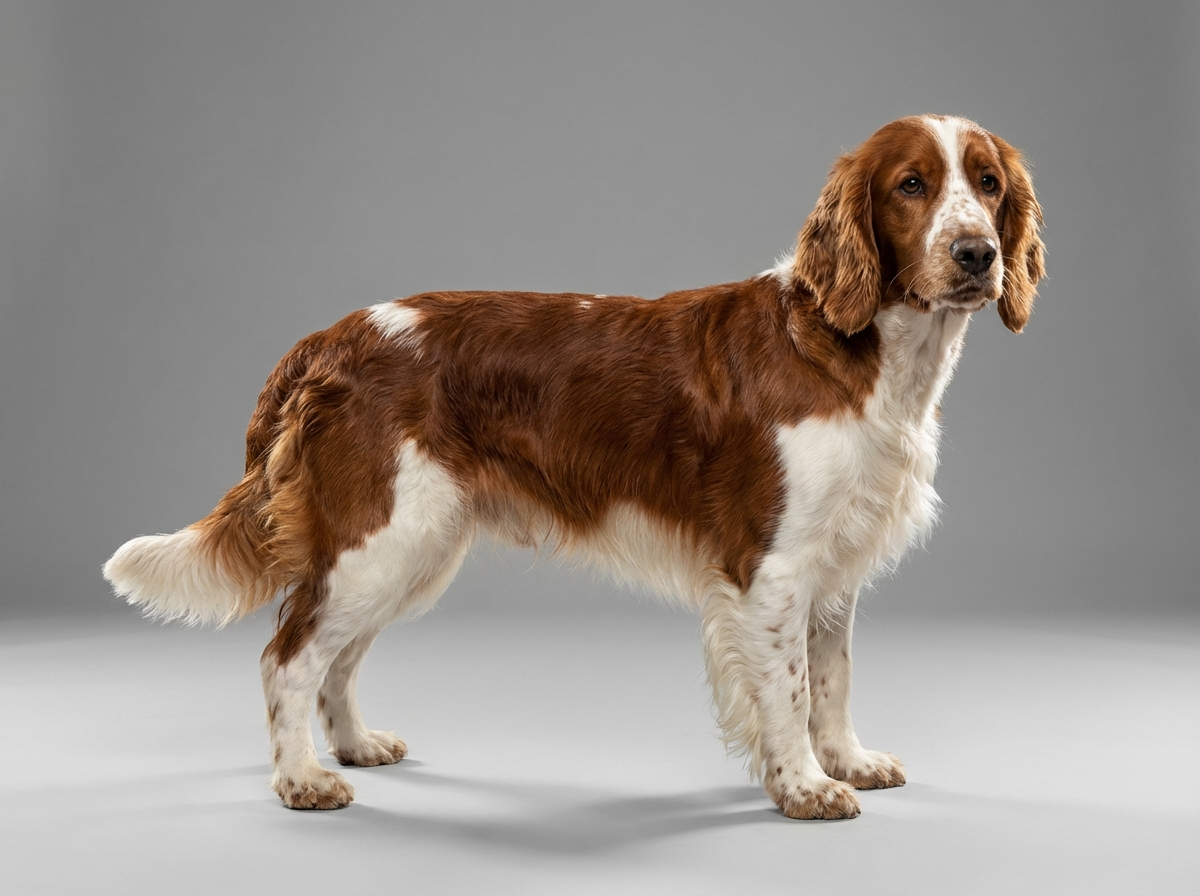
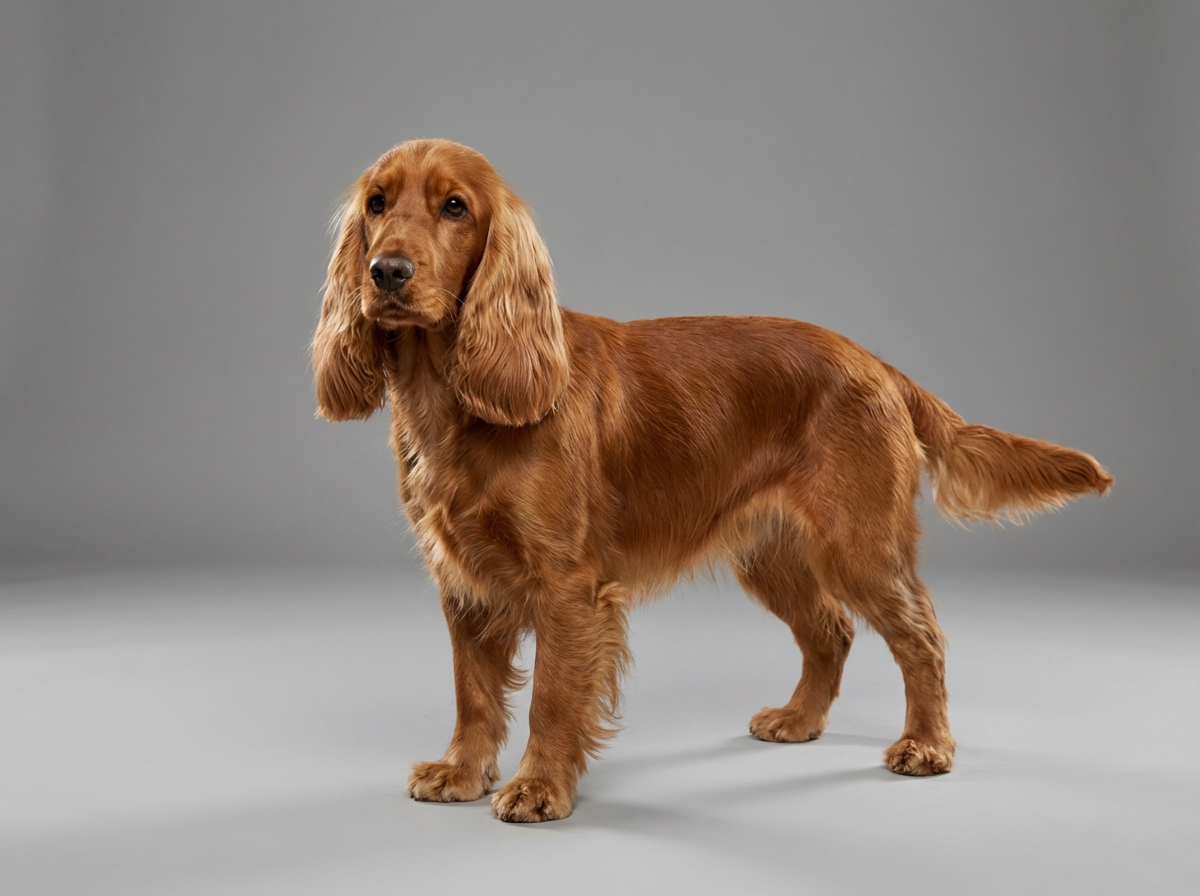
For a breed like this one, the early-morning window is close to ideal, and not only because it is free. Welsh Springers are documented as reserved with strangers, rated 3 out of 5 on stranger friendliness — not fearful, not aggressive, simply not inclined to seek out unfamiliar people. A midday walk through a crowded New York park asks a reserved dog to absorb hundreds of close encounters it did not choose. The same park at half past six in the morning is a different environment entirely: quiet, spacious, and populated mostly by other people with dogs.
So the recommendation is not merely to use the off-leash hours because they exist. It is that this specific breed does better in them for temperamental reasons on top of the exercise ones. A Welsh Springer that gets a genuine hour of running before the city wakes up is a considerably easier dog for the rest of the day, and it is an easier dog on a crowded sidewalk at six in the evening because it is not carrying a full tank of unspent energy.
The practical requirements are ordinary. A recall that works around other dogs is the price of admission and has to be built before you rely on it, which is where this breed's 4 out of 5 trainability helps. Know the boundaries of the designated area in your own park, since they vary. And be off the grass by the time the hours end, because the rule is enforced.
The saving is real. A daily hour of genuine off-leash exercise removes most of the case for the daycare that a dog with this breed's energy would otherwise need in a city this dense — and daycare here prices accordingly.