Health
Is anesthesia sensitivity documented in Welsh Springer Spaniels?
No — it's a sighthound issue seen in breeds like Greyhounds and Whippets, not established in Welsh Springer Spaniels.

Quick answer
Is anesthesia sensitivity documented in Welsh Springer Spaniels?
No — it's a sighthound issue seen in breeds like Greyhounds and Whippets, not established in Welsh Springer Spaniels.
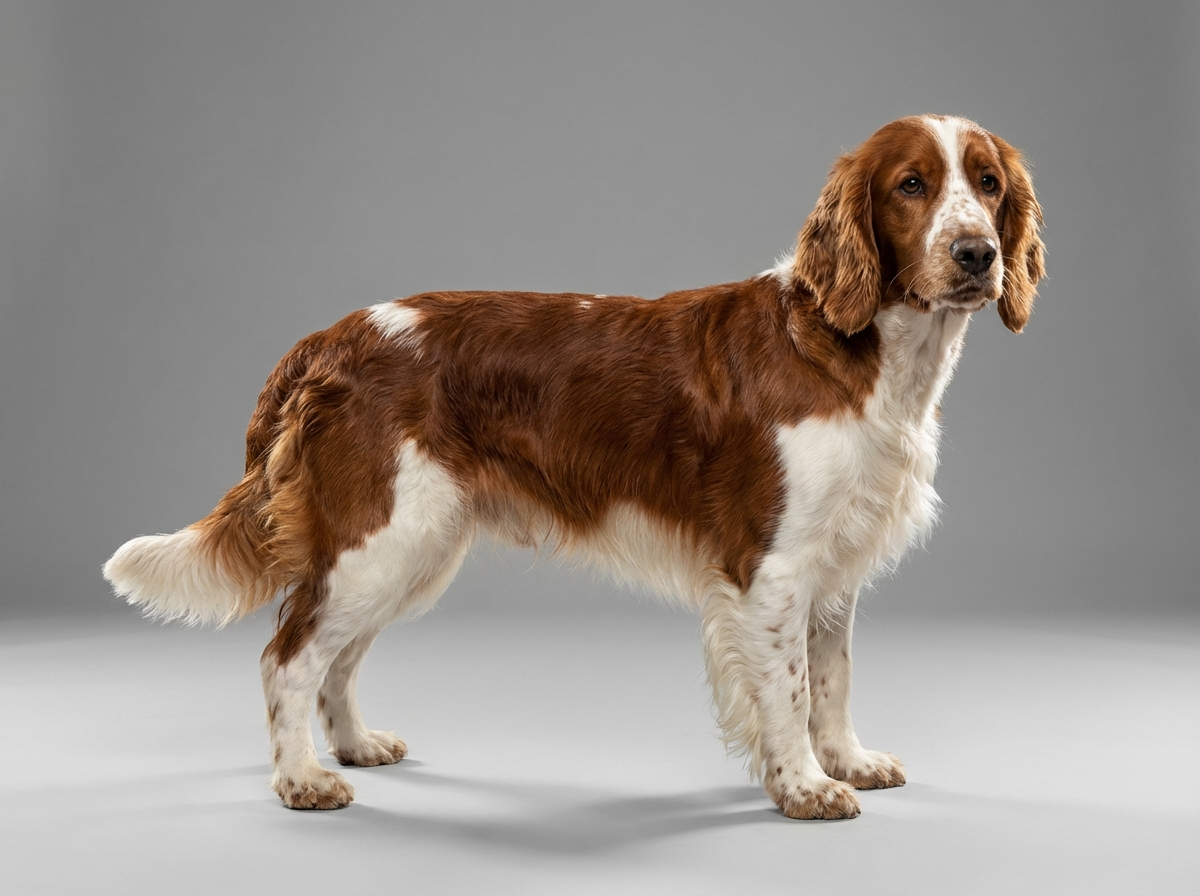
Anesthesia sensitivity sounds like it could apply to any lean, athletic dog, but it's been characterized specifically in sighthounds, and the Welsh Springer Spaniel's build doesn't match the profile.
Owners who've come across breed-based anesthesia risk lists while researching an upcoming surgery or dental cleaning, and want to know whether the sighthound warning applies to their Welsh Springer Spaniel, are the audience here.
This guide is not medical advice. If your dog shows pain, sudden behavior change, or worsening symptoms, consult a licensed veterinarian.
Some links may be affiliate links. We may earn a commission at no extra cost to you. We only suggest products we believe are helpful for dog owners.
We research and check what we publish, but we do not warrant that any figure, date, price, or statement is accurate, complete, or current, and we accept no liability for any loss, cost, injury, or other harm arising from the use of this site. Use it as one reference among several. You remain responsible for your own decisions and for your dog's care - confirm anything that matters with a licensed veterinarian or another qualified professional before you act on it. Full disclaimer.
Anesthesia sensitivity — reduced clearance of certain anesthetic drugs — is well documented in sighthound breeds like Greyhounds and Whippets because of their very low body fat, and it is not established in Welsh Springer Spaniels. This breed's genuine anesthesia-relevant considerations trace back to its own documented conditions: hypothyroidism, which can slow drug metabolism, and epilepsy, which affects which anesthetic drugs a vet chooses.
True anesthesia sensitivity of the sighthound type is essentially specific to lean, low-body-fat breeds and is not recognized as a Welsh Springer Spaniel trait at all. The anesthesia-adjacent concerns that do apply to this breed — thyroid function and seizure history — are only relevant in the subset of dogs actually diagnosed with hypothyroidism or epilepsy.
The physiological mechanism behind sighthound anesthesia sensitivity is low body fat limiting where certain anesthetic drugs can redistribute, a build that doesn't describe the Welsh Springer Spaniel's proportionate gundog frame. Where anesthesia planning does matter for this breed, it's driven by hypothyroidism's effect on metabolism and epilepsy's effect on drug selection — both separately documented breed health issues, not a form of anesthesia sensitivity.
Because this specific sensitivity isn't tied to Welsh Springer Spaniel genetics, there's no environmental trigger to manage for it in this breed. The more useful environmental factor is making sure any vet team handling anesthesia has the dog's full thyroid and seizure history on file before a scheduled procedure.
Talk to your vet before any scheduled anesthesia if your Welsh Springer Spaniel has a seizure history, a prior abnormal thyroid result, or hasn't had bloodwork done in the past year.
A rare-sounding risk from a different breed type can create unnecessary anxiety before a routine procedure. Avoid these mistakes.

See all Welsh Springer Spaniel health problems, which breeds are prone to anesthesia sensitivity, or the full Welsh Springer Spaniel breed guide for temperament, exercise needs and ownership costs.
Because sighthound-type anesthesia sensitivity isn't a real concern for this breed, there's no recovery timeline to track for it specifically. For a dog with hypothyroidism or epilepsy, expect your vet to build in extra pre-anesthetic screening time rather than a longer recovery.
Success looks like directing any real anesthesia concern toward this breed's actual documented conditions — confirming thyroid status and disclosing seizure history — rather than a sighthound-specific risk that doesn't apply here.
Anesthesia sensitivity gets discussed as a general "lean breed" issue online, but it's rooted in a specific physiology that the Welsh Springer Spaniel doesn't share. Here's what actually separates the two situations.
Two of the breed's documented health issues, hypothyroidism and epilepsy, do have a legitimate connection to anesthesia planning. An underactive thyroid can slow drug metabolism and prolong recovery, which is why many vets run a thyroid panel alongside standard pre-anesthetic bloodwork on middle-aged and older Welsh Springer Spaniels.
For a dog with diagnosed epilepsy, the anesthesia team typically avoids drugs known to lower the seizure threshold, building the protocol around that individual dog's seizure history instead. That's a real, individualized conversation worth having before any procedure — not a breed-wide sensitivity label.
Most Welsh Springer Spaniels who need anesthesia are having it for reasons tied to their own genuine risk list: hip dysplasia-related orthopedic surgery, treatment for chronic ear infections, or a routine dental cleaning.

Before her Welsh Springer Spaniel Baxter's scheduled hip dysplasia surgery, Renata in Tucson read an online list of "breeds with anesthesia sensitivity" that named Greyhounds and Whippets, and worried the same warning applied to her spaniel. Her vet explained that the sighthound issue comes from very low body fat slowing certain drugs' clearance, a build Baxter, at a solid 42 pounds, simply doesn't share. Instead, the vet ran the pre-anesthetic thyroid panel that's actually standard for this breed and confirmed Baxter had no seizure history that would change drug selection. The surgery and recovery went the way a routine hip procedure typically does, with no anesthesia complications tied to any spaniel-specific sensitivity.
Key takeaway: A sighthound-specific anesthesia risk doesn't carry over to Welsh Springer Spaniels; the anesthesia questions actually worth asking this breed's vet concern thyroid function and seizure history, not fat metabolism.
No. That sensitivity comes from sighthounds' very low body fat slowing the clearance of certain older anesthetic drugs, and it isn't documented in Welsh Springer Spaniels, which have a normal-body-fat gundog build.
Not from body fat, but two of its documented conditions matter: hypothyroidism can slow drug metabolism, and epilepsy affects which anesthetic drugs a vet will choose.
There's no clinical reason to; ask instead about pre-anesthetic thyroid screening and, if relevant, how your dog's epilepsy will be factored into drug choice.
Standard bloodwork plus a thyroid panel is reasonable, especially in middle-aged or senior dogs, given how common hypothyroidism is in the breed.
Anesthesia carries baseline risk for any dog, but there's nothing breed-specific about hip dysplasia surgery anesthesia beyond standard pre-surgical screening and monitoring.
A well-managed anesthesia plan built around a dog's seizure history and current medications is standard practice and generally safe; the key is telling your vet team about the epilepsy diagnosis in advance.
It likely comes from general "lean breed" anesthesia warnings meant for sighthounds like Greyhounds and Whippets, applied too broadly to other athletic breeds that don't share the same low-body-fat physiology.
No — it's a sighthound issue seen in breeds like Greyhounds and Whippets, not established in Welsh Springer Spaniels.
Hypothyroidism and epilepsy are the two documented conditions that genuinely factor into anesthesia planning for a Welsh Springer Spaniel.
Yes, most clinics charge an additional bloodwork fee for a thyroid panel on top of standard pre-anesthetic testing.
Most will, at minimum for a dental cleaning or spay/neuter, and possibly for a hip dysplasia or ear-related procedure.
No — training has no bearing on anesthesia safety, which depends on health screening and the individual dog's medical history.
A one-page prep sheet for this condition: the signs, the questions to ask, what to get priced. Unlocks here.
You get: Vet visit prep sheet
No spam. One-click unsubscribe. See our privacy policy.
Preview page 1 before you decide.