Louisville sits in the Ohio River valley, a broad bowl that traps air and holds pollen in place, and the region's tree, grass and ragweed seasons chain together across most of the year. National allergy rankings have placed the city at or near the top repeatedly, and that is a genuine local condition rather than a marketing line.
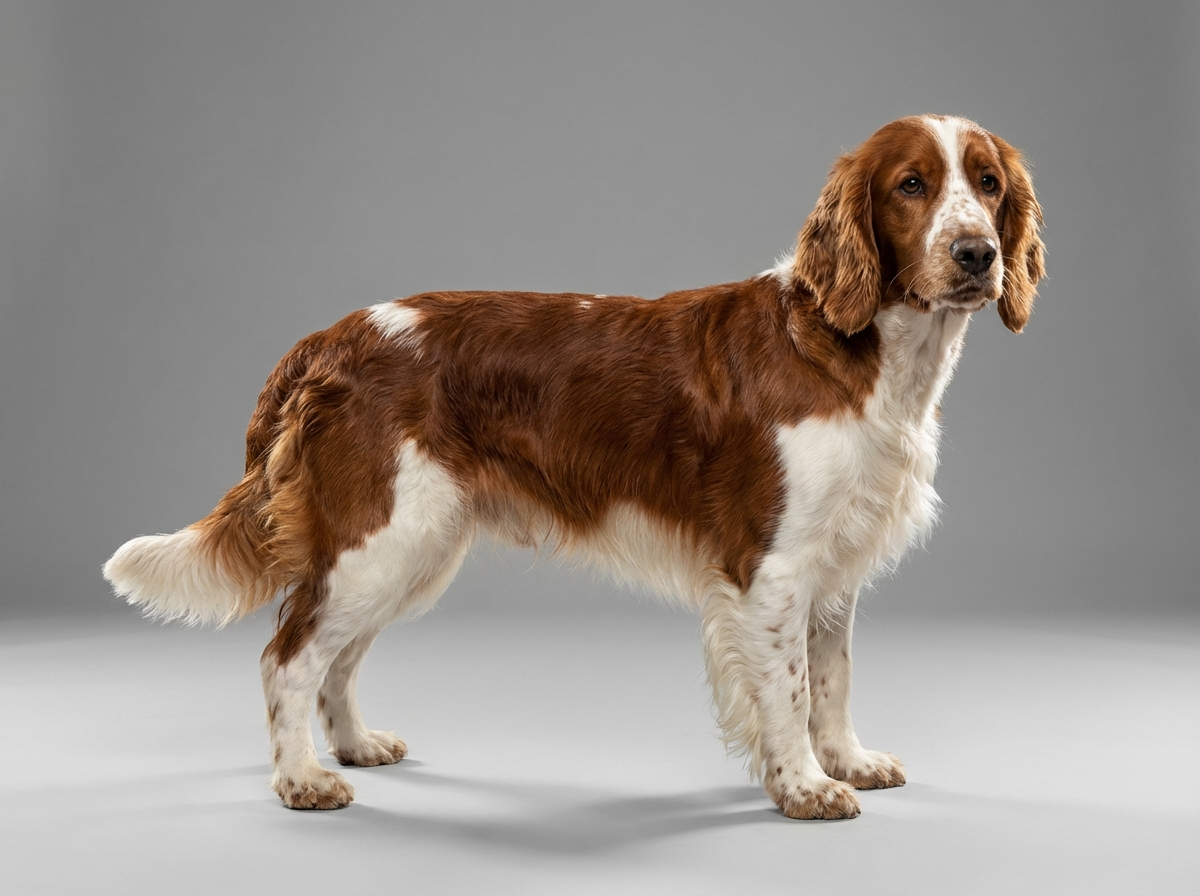
Dogs develop environmental allergies to the same pollens people do, but the presentation is different. Rather than sneezing, a dog itches — feet, face, armpits, belly — and the ears inflame. Inflamed ear canals produce discharge, discharge supports bacterial and yeast overgrowth, and the result is an infection that responds beautifully to treatment and then returns two months later. Any breed can follow that path. A breed with a long, heavy ear leather sitting closed over the canal follows it faster, because the flap keeps the environment warm and still.
The distinction is worth making explicitly with your veterinarian, because it changes the treatment plan and the budget. An occasional infection after swimming is an ear problem and is handled as one. Three or more in a year, especially with itching elsewhere on the dog and a pattern that tracks the seasons, points to allergy underneath. Managing the allergy — which may involve medication, dietary work, or referral — is what stops the ear cycle. Cleaning the ear alone will not, however many times it is done.