Health
What causes immune-mediated thyroiditis?
The immune system mistakenly attacks the dog's own thyroid gland tissue, gradually reducing its ability to produce hormone.

Quick answer
What causes immune-mediated thyroiditis?
The immune system mistakenly attacks the dog's own thyroid gland tissue, gradually reducing its ability to produce hormone.
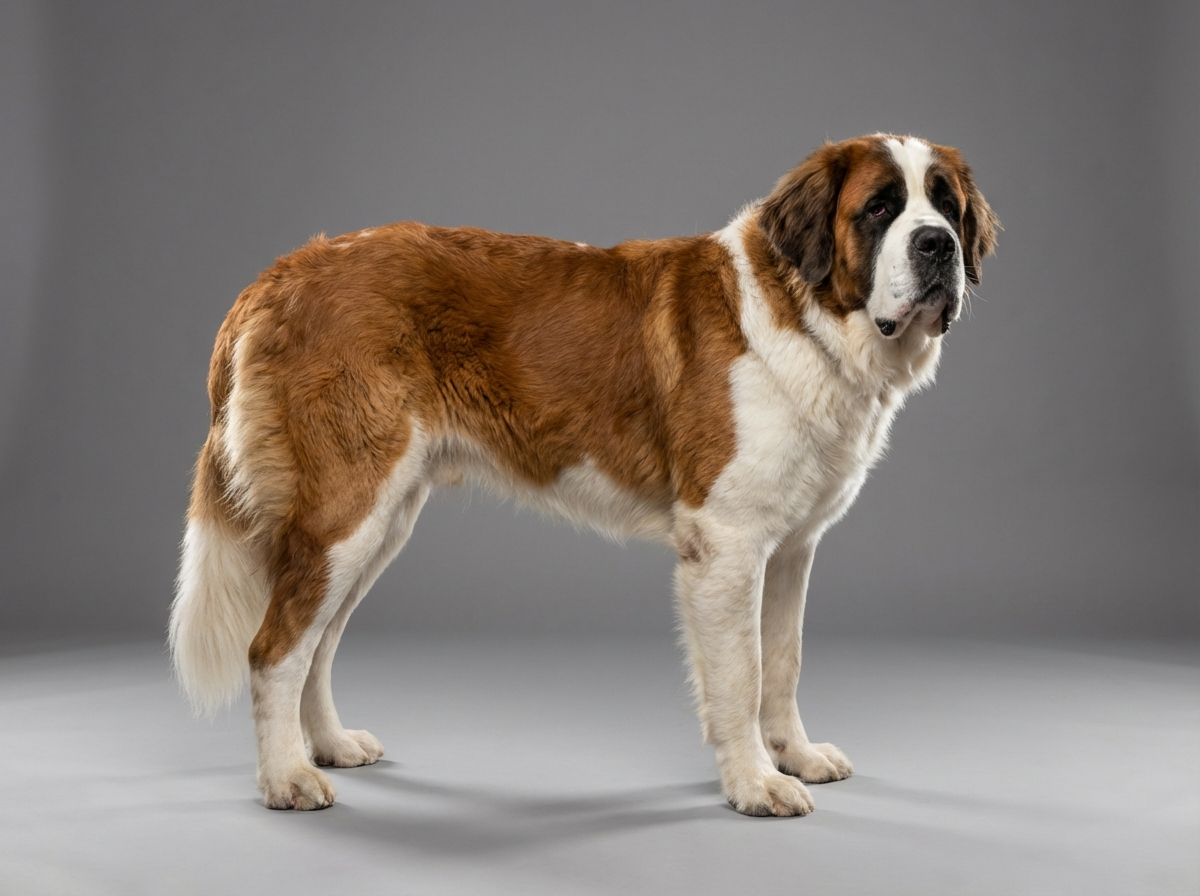
A Saint Bernard can be years into this quiet immune attack, with antibodies detectable on specialized bloodwork, long before hormone levels drop low enough to cause any visible symptoms at all.
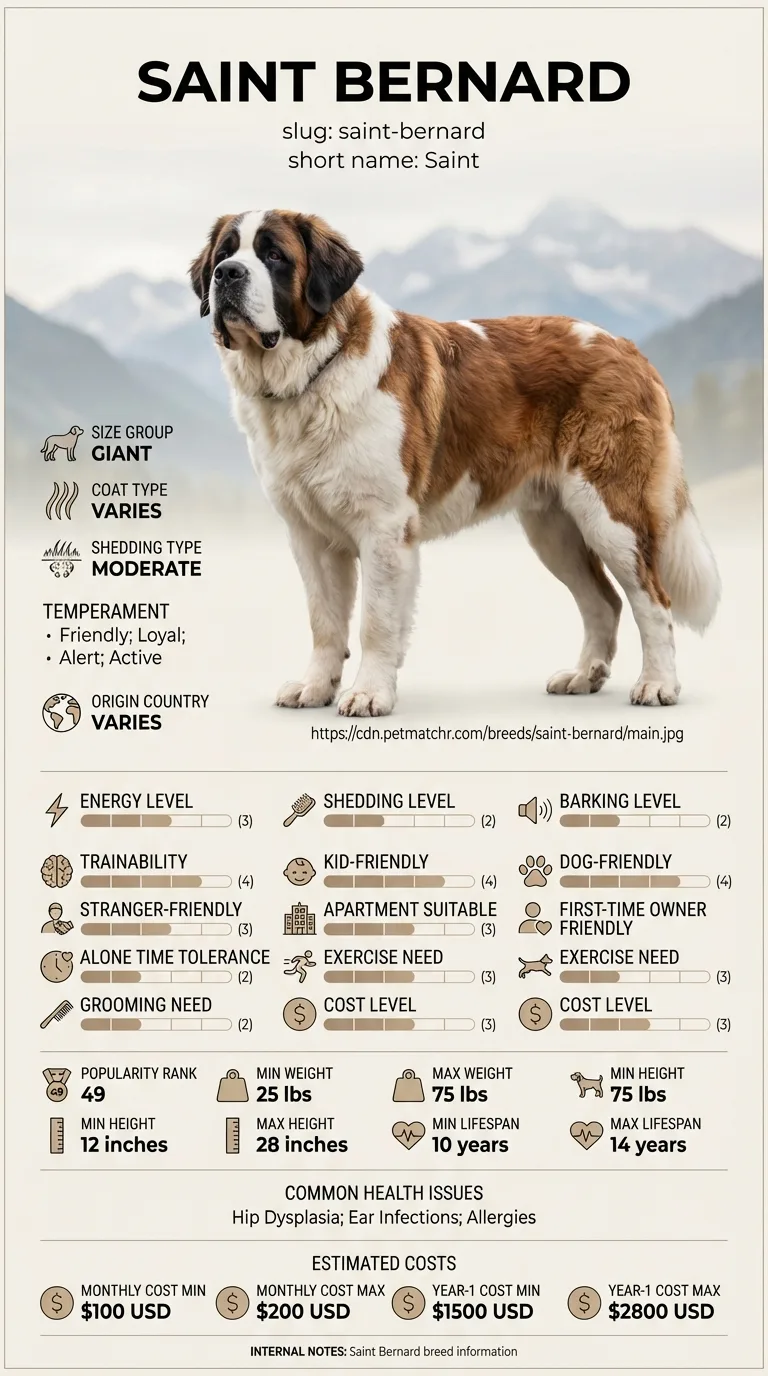
This is most relevant to owners working with a vet who specifically wants to test thyroid antibodies rather than just hormone levels, often after a diagnosis in a related dog or a breeder's request for screening data.
This guide is not medical advice. If your dog shows pain, sudden behavior change, or worsening symptoms, consult a licensed veterinarian.
Some links may be affiliate links. We may earn a commission at no extra cost to you. We only suggest products we believe are helpful for dog owners.
We research and check what we publish, but we do not warrant that any figure, date, price, or statement is accurate, complete, or current, and we accept no liability for any loss, cost, injury, or other harm arising from the use of this site. Use it as one reference among several. You remain responsible for your own decisions and for your dog's care - confirm anything that matters with a licensed veterinarian or another qualified professional before you act on it. Full disclaimer.
Check this first
Immune-mediated thyroiditis on its own produces no emergency symptoms while the immune attack is ongoing but hormone levels remain adequate; a dog can be antibody-positive and feel completely normal for a long stretch. The emergency concerns only arise once the disease has progressed far enough to cause overt hypothyroidism, and in rare, severe, long-neglected cases, myxedema coma, marked by extreme lethargy, low body temperature, and collapse, which needs immediate emergency veterinary care.
More typically, the transition from silent antibody positivity to symptomatic hypothyroidism shows up gradually: unexplained weight gain, low energy, coat changes, and skin infections, the same signs seen in hypothyroidism broadly. These call for a standard vet visit with bloodwork rather than urgent care.
For owners specifically tracking antibody status, the practical approach is periodic retesting rather than reacting to any single result. A single antibody-positive test with normal hormone levels is a signal to monitor over time, not a reason to panic or seek emergency evaluation, since the actual clinical disease can still be a long way off, if it develops at all.
If any of these apply, call your vet or an emergency clinic now. The rest of this page is for the cases that are not an emergency.
Immune-mediated thyroiditis is an autoimmune disease in which a dog's immune system gradually destroys its own thyroid tissue, well before that damage reduces hormone output enough to cause noticeable hypothyroid symptoms. It's considered the most common underlying cause of canine hypothyroidism, and in a Saint Bernard it can be a years-long silent process detectable only through specific antibody testing rather than standard hormone panels.
Immune-mediated thyroiditis is considered the leading cause of hypothyroidism in dogs broadly, and it's a well-documented, heritable concern in several large and giant breeds, including the Saint Bernard.
Autoimmune thyroid disease has a documented genetic component in dogs, and large and giant breeds are frequently represented among those affected. In a predisposed Saint Bernard, the immune system gradually produces antibodies against thyroid tissue, slowly reducing the gland's functional capacity over months to years.
The specific environmental triggers for autoimmune thyroid disease in dogs aren't fully established, though general immune system stressors and age-related changes in immune regulation are thought to play a role in how and when the underlying genetic predisposition becomes clinically active.
Talk to your vet about thyroid antibody testing if there's a family history of thyroid disease, or about standard thyroid bloodwork if your dog shows weight gain, low energy, or coat changes. Sudden collapse, unresponsiveness, or notably low body temperature are rare emergencies that need immediate veterinary care.
Because this is a two-stage disease, silent antibody attack followed by eventual hormone deficiency, there are specific ways owners and breeders get the timeline wrong.
See all Saint Bernard health problems, which breeds are prone to immune mediated thyroiditis, or the full Saint Bernard breed guide for temperament, exercise needs and ownership costs.
The gap between detectable antibody positivity and clinical hypothyroidism can range from months to several years, and it varies significantly between individual dogs, making periodic monitoring more useful than trying to predict an exact timeline.
Success looks like catching the transition to actual hypothyroidism early through periodic monitoring, so hormone replacement can start promptly once needed, rather than waiting for obvious symptoms to appear before testing.
Owen's Saint Bernard, Chief, came from a breeder who mentioned thyroid disease in an earlier litter from the same line. On his vet's recommendation, Owen had Chief's thyroid antibodies tested at age three, and the result came back positive, even though Chief's hormone levels and energy were completely normal at the time. Owen and his vet agreed to recheck hormone levels every six months instead of the usual annual schedule. At age five, Chief's hormone levels had dropped enough to confirm hypothyroidism, and treatment started immediately, before Chief had shown any real symptoms at home.
Key takeaway: Knowing about the antibody positivity years in advance meant Chief's hypothyroidism was caught at the earliest possible point, rather than after months of unexplained symptoms.
It's an autoimmune condition where the body's immune system produces antibodies that attack and gradually destroy thyroid gland tissue, eventually reducing hormone production enough to cause hypothyroidism.
Thyroiditis is the underlying autoimmune process; hypothyroidism is the resulting hormone deficiency once enough thyroid tissue has been damaged. A dog can have thyroiditis for a long time before actual hypothyroidism develops.
Specialized bloodwork measuring thyroid autoantibodies, most commonly thyroglobulin autoantibodies, can detect the immune attack even when standard thyroid hormone levels are still within a normal range.
Yes, immune-mediated thyroiditis has a documented heritable component in several breeds, which is why some breeders test breeding dogs for thyroid antibodies as part of a broader health screening program.
Not typically; treatment with hormone replacement is usually started once actual hypothyroidism develops, based on hormone levels, rather than based on antibody positivity alone. Periodic monitoring is the more common approach in the interim.
It varies significantly by dog, sometimes taking years for enough thyroid tissue damage to accumulate before hormone levels drop into a clinically low range.
There's no known way to prevent the underlying autoimmune process, since it has a genetic component, but early detection through antibody testing allows for closer monitoring and earlier treatment once hypothyroidism does develop.
The immune system mistakenly attacks the dog's own thyroid gland tissue, gradually reducing its ability to produce hormone.
Yes, antibody-positive dogs can have normal hormone levels and no symptoms for a long period before hypothyroidism develops.
Yes, it specifically checks for autoimmune antibodies rather than just measuring current hormone levels.
Many responsible breeding programs include this testing given the condition's heritable component.
Not always immediately, but the condition is progressive and monitoring over time is recommended once antibodies are detected.
A one-page prep sheet for this condition: the signs, the questions to ask, what to get priced. Unlocks here.
You get: Vet visit prep sheet
No spam. One-click unsubscribe. See our privacy policy.
Preview page 1 before you decide.