Health
What are kidney stones made of?
They form from minerals in urine, such as struvite or calcium oxalate, that crystallize under certain conditions.

Quick answer
What are kidney stones made of?
They form from minerals in urine, such as struvite or calcium oxalate, that crystallize under certain conditions.
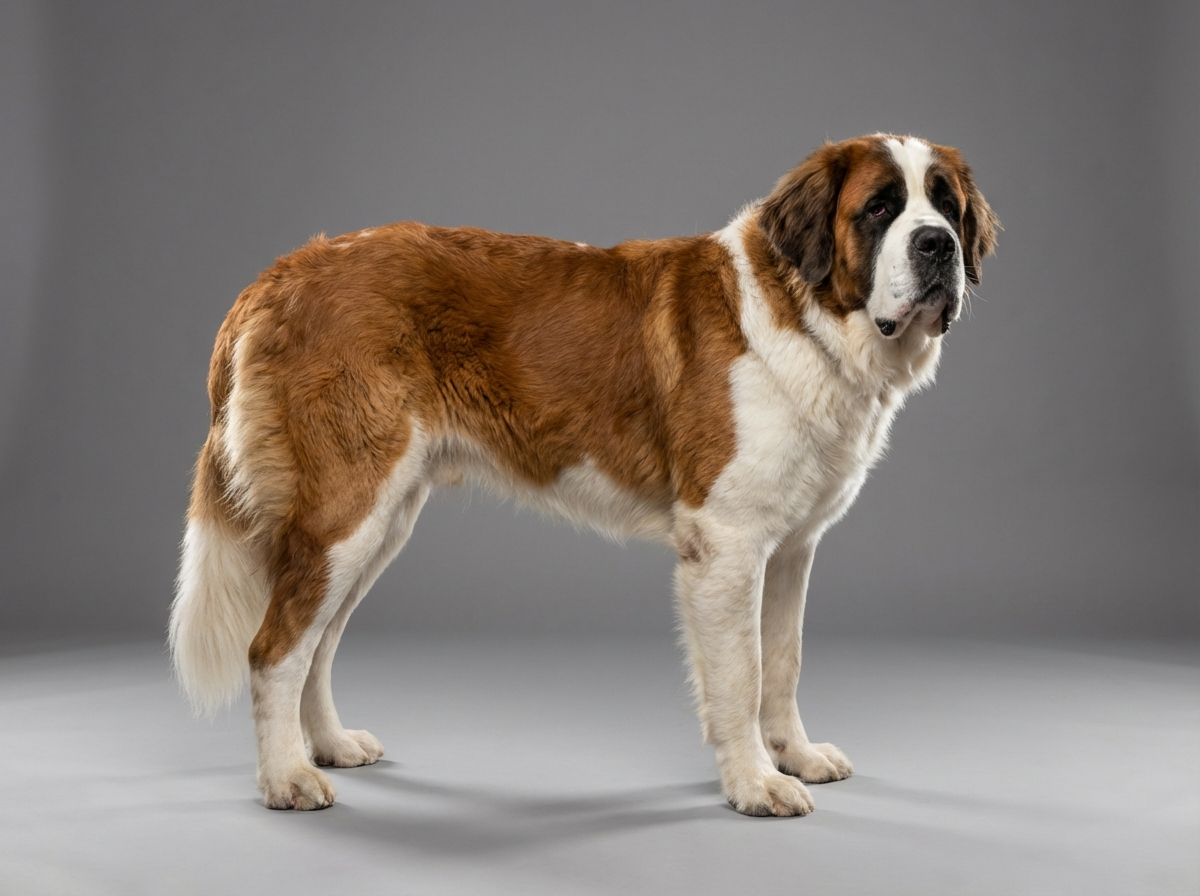
A Saint Bernard can carry small stones for a long time with no obvious symptoms, until one moves into a place where it partially or fully blocks urine flow, at which point it becomes a genuinely painful, sometimes dangerous problem.
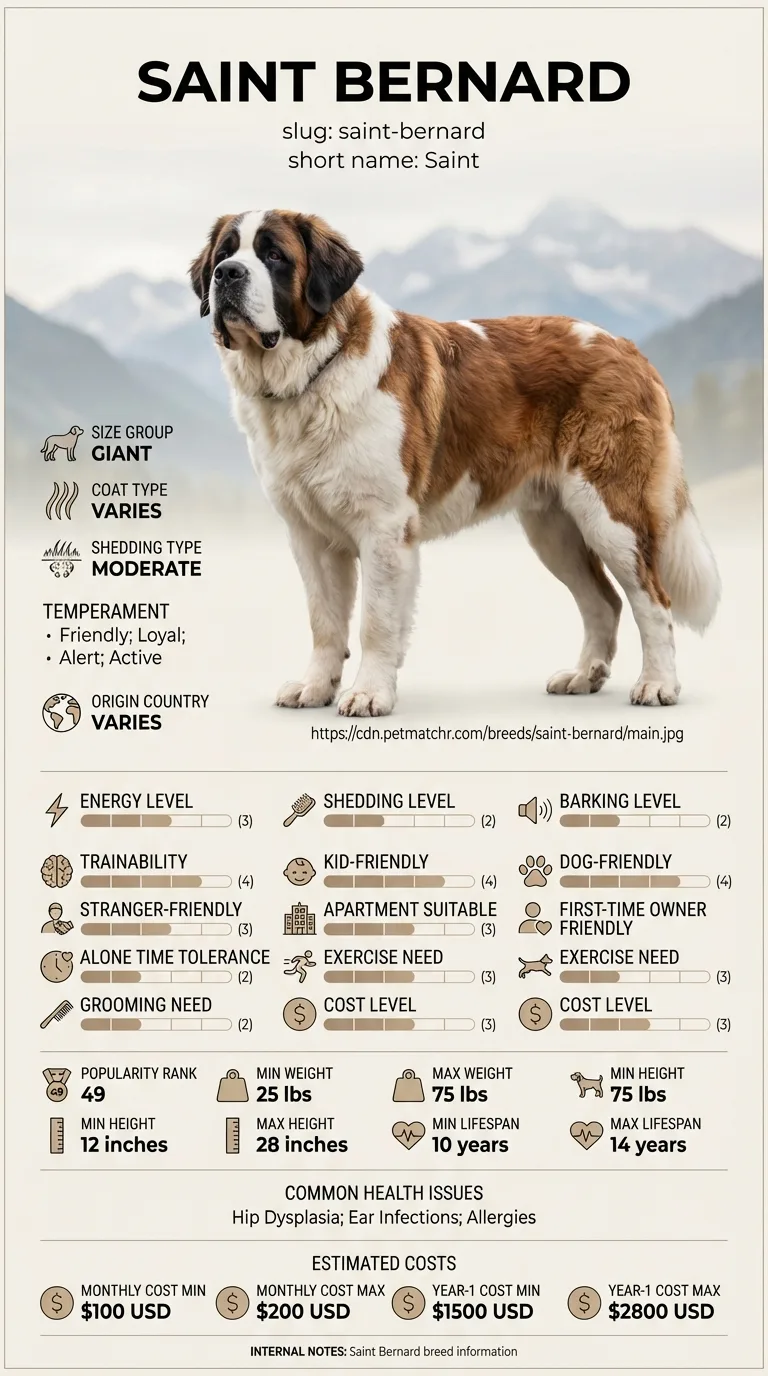
Owners usually first encounter this when a dog suddenly strains to urinate, produces only small amounts, or shows blood in the urine, symptoms that are easy to initially mistake for a simple urinary tract infection.
This guide is not medical advice. If your dog shows pain, sudden behavior change, or worsening symptoms, consult a licensed veterinarian.
Some links may be affiliate links. We may earn a commission at no extra cost to you. We only suggest products we believe are helpful for dog owners.
We research and check what we publish, but we do not warrant that any figure, date, price, or statement is accurate, complete, or current, and we accept no liability for any loss, cost, injury, or other harm arising from the use of this site. Use it as one reference among several. You remain responsible for your own decisions and for your dog's care - confirm anything that matters with a licensed veterinarian or another qualified professional before you act on it. Full disclaimer.
Check this first
A dog straining repeatedly to urinate with little or no urine coming out, crying out while trying to urinate, or a firm, painful abdomen are signs of a possible urinary blockage, and this is a true emergency, especially in male dogs where the urethra is narrower and more easily obstructed. Left untreated, a full blockage can lead to life-threatening complications within about a day, so this situation needs same-day veterinary care, not a wait-and-see approach.
Milder signs, like occasional blood-tinged urine, slightly more frequent urination, or mild licking at the genital area, are worth a prompt vet visit but are not usually immediate emergencies on their own, unless they're accompanied by visible straining or clear distress.
The key distinction is whether urine is actually passing. A dog making frequent trips outside but still producing normal amounts of urine, even if uncomfortable, is different from a dog straining hard and producing nothing or only a few drops, which points toward a blockage and needs urgent attention.
If any of these apply, call your vet or an emergency clinic now. The rest of this page is for the cases that are not an emergency.
Kidney and bladder stones form when minerals in a dog's urine crystallize instead of remaining dissolved, and different mineral types, most commonly struvite or calcium oxalate, form under different urine conditions. In Saint Bernards, as in most breeds, stones can develop silently for a period before symptoms appear, and the first visible sign is often straining to urinate or blood-tinged urine rather than any earlier warning.
Urolithiasis is a fairly commonly diagnosed urinary condition across dog breeds generally, and while it isn't reported as a defining breed-specific issue for Saint Bernards the way orthopedic or cardiac conditions are, it remains a real risk worth watching for in any large dog with reduced water intake or urinary tract irritation.
Stone formation in dogs is driven more by individual urine chemistry, hydration, and diet than by strong breed-specific genetic predisposition in most cases, though a giant breed's larger urinary tract capacity can sometimes allow small stones to go unnoticed longer before symptoms appear.
Diet composition, water intake, and how promptly urinary tract infections are treated are the main environmental drivers of stone formation, since infections in particular can shift urine pH toward conditions that favor certain crystal types forming.
Talk to your vet about any straining, frequent urination attempts, or blood in the urine. A dog straining repeatedly with little or no urine passing, or showing visible pain or distress while trying to urinate, is an emergency, especially in male dogs, and needs same-day veterinary care.
Stone-related problems often get worse specifically because early signs look like something more minor.
See all Saint Bernard health problems, which breeds are prone to kidney stones, or the full Saint Bernard breed guide for temperament, exercise needs and ownership costs.
Stone formation can happen gradually over weeks to months, and treatment, whether dietary dissolution or surgical removal, typically resolves the immediate problem within weeks, though ongoing prevention is usually a lifelong effort if a dog is prone to recurrence.
Success means either successfully dissolving or removing existing stones and then preventing recurrence through targeted diet and hydration management, rather than assuming one treatment permanently eliminates future risk if the underlying urine chemistry hasn't changed.
Patrick noticed his Saint Bernard, Ranger, straining more than usual to urinate and producing only small amounts each time. An initial assumption of a urinary tract infection didn't fully explain the symptoms, so Patrick's vet ordered an X-ray, which revealed several small bladder stones. Given their size and composition, the stones were treated with a specific prescription dissolution diet rather than surgery. Follow-up imaging eight weeks later showed the stones had fully dissolved, and Ranger has stayed on a maintenance version of the diet since to reduce the chance of recurrence.
Key takeaway: Pushing past the initial infection assumption to get imaging was what actually identified the real cause, and it meant Ranger avoided surgery entirely through a targeted diet instead.
Stones form when certain minerals in the urine become concentrated enough to crystallize, which can be influenced by urine pH, diet, hydration, and sometimes underlying infections or metabolic conditions.
Straining to urinate, frequent attempts to urinate with small amounts produced, blood in the urine, and licking at the genital area are common signs, though small stones sometimes cause no symptoms at all until they move.
X-rays or ultrasound can usually detect stones, and a urinalysis helps identify crystal type and any underlying infection contributing to stone formation.
Not always. Some stone types can be dissolved with a specific prescription diet over weeks to months, while others, or stones causing a blockage, need surgical removal.
Prevention depends on stone type, but generally includes ensuring plenty of water intake, feeding an appropriate diet, and treating any underlying urinary infections promptly, all guided by knowing the specific mineral composition involved.
Stone risk varies more by individual factors like diet, hydration, and urinary tract health than by strong breed-specific predisposition, though any breed can be affected, and giant breeds' larger urinary tract can sometimes delay symptom onset.
Diagnostic imaging plus either a therapeutic diet or surgical removal represents a moderate to significant cost depending on the approach needed, with emergency blockage surgery being the most expensive scenario.
They form from minerals in urine, such as struvite or calcium oxalate, that crystallize under certain conditions.
Yes, especially if little or no urine is passing, since this can indicate a dangerous blockage.
Yes, a vet-recommended urinary diet tailored to the specific stone type is a key part of prevention.
No, some types can be dissolved with diet, while blockages or larger stones typically need surgical removal.
Ensure constant access to fresh water and follow any vet-recommended diet changes closely.
A one-page prep sheet for this condition: the signs, the questions to ask, what to get priced. Unlocks here.
You get: Vet visit prep sheet
No spam. One-click unsubscribe. See our privacy policy.
Preview page 1 before you decide.