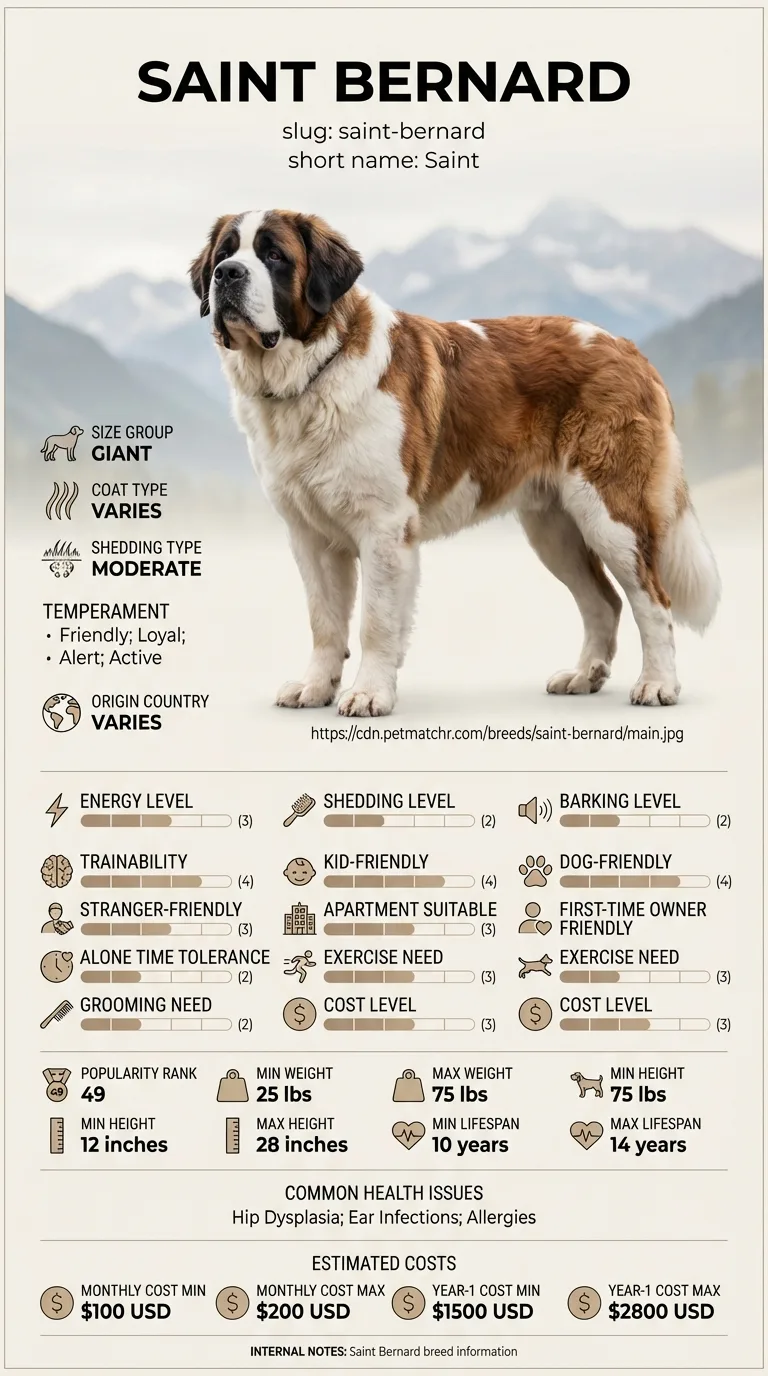
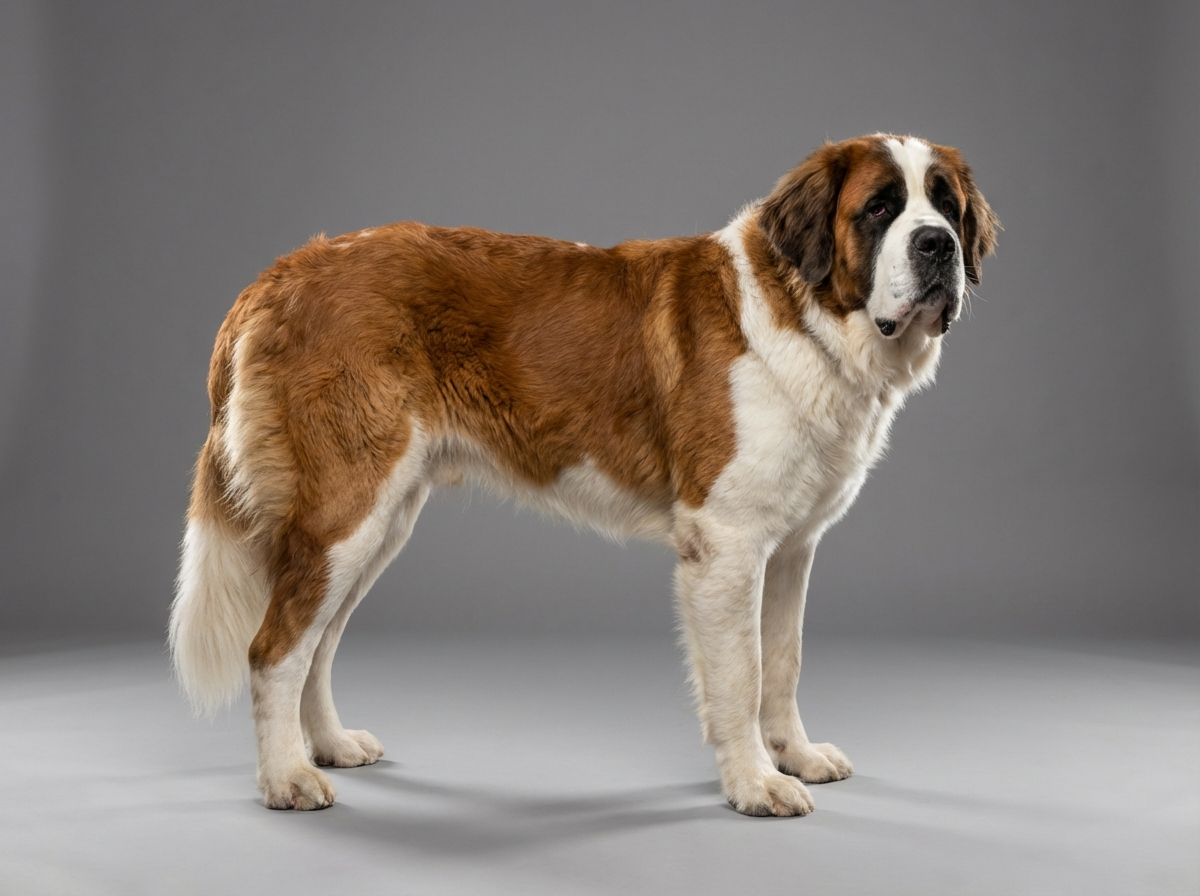
Adopting an adult of this breed removes a great deal of uncertainty and a great deal of cost. You can see the dog's adult size rather than estimating it, which in a breed ranging from 120 to 180 pounds is not a small thing. You can observe the temperament as it actually is rather than as a puppy suggests it might be. The dog is typically already sterilised and vaccinated, which removes a meaningful chunk of the first-year figure, and it has finished the growth phase during which giant-breed feeding and exercise need the most care.
The costs run the other way too, and they should be stated plainly. You may know little about the early history, including whether the parents were screened for the joint conditions this breed carries. And a documented lifespan of eight to ten years means adopting a five-year-old is a commitment measured in a handful of years, with the expensive later ones arriving sooner.
Giant breeds appear in rescue more often than their numbers suggest, and the reasons are usually mundane: a household move, a landlord's weight limit, a change in circumstances. That is a different situation from a behavioural surrender, and it is worth asking about directly.