Health
What triggers pancreatitis most often?
A high-fat meal, such as table scraps or rich treats, is the most common trigger for an acute episode.

Quick answer
What triggers pancreatitis most often?
A high-fat meal, such as table scraps or rich treats, is the most common trigger for an acute episode.
A single fatty meal, whether it's table scraps, a rich treat, or getting into the trash, can be enough to trigger an episode in a susceptible dog, which is part of why this condition often seems to come out of nowhere to an owner.
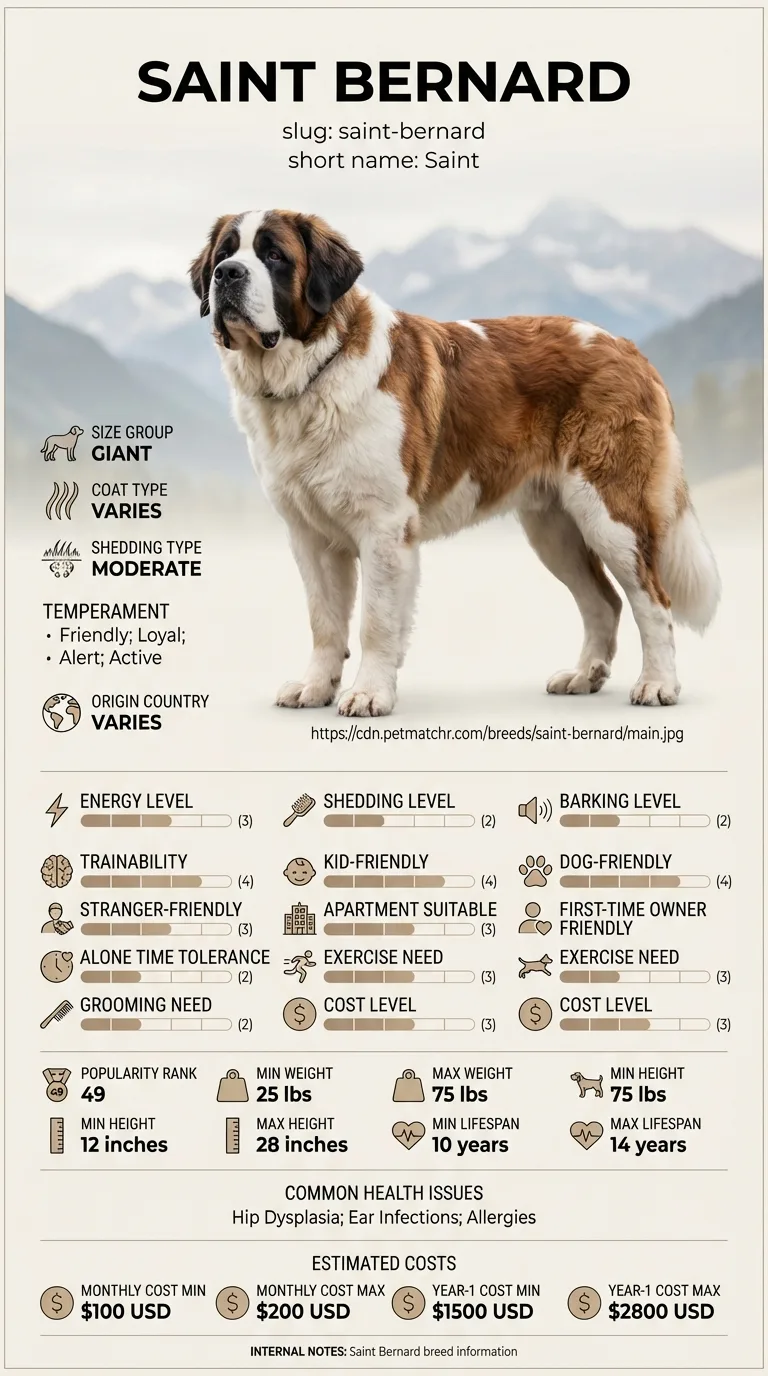
This affects owners across the dog's life but is especially relevant around holidays and family gatherings, when well-meaning guests are more likely to slip a Saint Bernard rich food from the table.
This guide is not medical advice. If your dog shows pain, sudden behavior change, or worsening symptoms, consult a licensed veterinarian.
Some links may be affiliate links. We may earn a commission at no extra cost to you. We only suggest products we believe are helpful for dog owners.
We research and check what we publish, but we do not warrant that any figure, date, price, or statement is accurate, complete, or current, and we accept no liability for any loss, cost, injury, or other harm arising from the use of this site. Use it as one reference among several. You remain responsible for your own decisions and for your dog's care - confirm anything that matters with a licensed veterinarian or another qualified professional before you act on it. Full disclaimer.
Check this first
Repeated vomiting, a hunched posture with visible abdominal pain, refusal to eat, lethargy, and diarrhea together are classic signs of an acute pancreatitis episode and warrant an urgent vet visit, since severe cases can progress quickly and, in serious situations, involve complications affecting other organs.
A single episode of vomiting with a dog that otherwise seems bright, active and willing to eat is more likely a minor stomach upset and can often be monitored briefly at home, though it should still prompt a call to the vet, especially in a breed already prone to more serious gastrointestinal issues like bloat.
The practical distinction is the combination and persistence of signs. Isolated, one-off vomiting is different from a dog that is repeatedly vomiting, hunched in pain, and refusing food, which reflects a more classic and more urgent pancreatitis presentation needing prompt veterinary evaluation and often hospitalization.
If any of these apply, call your vet or an emergency clinic now. The rest of this page is for the cases that are not an emergency.
Pancreatitis develops when digestive enzymes activate inside the pancreas instead of the intestine, effectively causing the organ to begin digesting itself, which produces significant pain and inflammation. It's frequently tied to a specific dietary trigger, most often a fatty meal, and while any dog can develop it, a large, food-motivated breed like the Saint Bernard, living in a household with easy access to rich food, faces real practical exposure to the most common trigger.
Pancreatitis is a commonly diagnosed gastrointestinal condition in dogs broadly, and its close link to dietary indiscretion makes it a practical, largely preventable risk in a large breed with easy access to table food or trash.
There isn't a strong breed-specific genetic driver identified for pancreatitis in Saint Bernards specifically, but the breed's size and food motivation mean practical exposure to trigger foods, whether through table scraps, counter surfing, or trash access, tends to be higher simply due to how much a large, determined dog can reach or consume.
Diet is the dominant environmental driver: high-fat meals, especially an unusual one-time indulgence like a holiday meal or fatty treat, are the most consistently identified trigger for acute episodes, alongside obesity and any sudden, unplanned diet changes.
Talk to your vet promptly about vomiting, abdominal pain, loss of appetite, or lethargy, especially after a known dietary indiscretion. Repeated vomiting with a hunched posture and refusal to eat is an emergency and needs urgent veterinary care.
Pancreatitis episodes are often directly traceable to specific, avoidable dietary choices.
See all Saint Bernard health problems, which breeds are prone to pancreatitis, or the full Saint Bernard breed guide for temperament, exercise needs and ownership costs.
Mild episodes often improve within a few days of supportive care, while more severe cases may require several days of hospitalization. Full dietary recovery and return to normal feeding typically happens gradually over one to two weeks.
Success means resolving the acute episode with supportive care and then successfully managing diet and weight going forward to reduce the real risk of recurrence, since a dog that has had one episode remains more susceptible to future ones.
During a family gathering, Ray's Saint Bernard, Hank, got hold of some fatty scraps from a relative who didn't know better. By the next morning, Hank was vomiting repeatedly, hunched over, and refusing his breakfast. Ray's vet diagnosed pancreatitis based on bloodwork and symptoms. Hank was hospitalized for two days for fluids and supportive care, then transitioned to a low-fat diet at home. Ray now keeps Hank in another room during family meals and has briefed guests directly, and Hank hasn't had a recurrence since.
Key takeaway: One unmonitored moment at a family gathering was enough to trigger a serious episode, which is why managing the household environment, not just Hank's regular diet, became part of Ray's long-term prevention plan.
It's most commonly triggered by a high-fat meal, though obesity, certain medications, and underlying metabolic conditions can also contribute to a dog's susceptibility to an episode.
Vomiting, abdominal pain often shown as a hunched posture, loss of appetite, lethargy, and diarrhea are the classic signs, with severity ranging from mild to serious depending on the case.
A vet typically uses bloodwork, including specific pancreatic enzyme tests, alongside a physical exam and sometimes abdominal ultrasound to confirm the diagnosis and rule out other causes of similar symptoms.
Treatment usually involves supportive care: fluids, anti-nausea medication, pain control, and a gradual return to a low-fat, easily digestible diet, often requiring hospitalization for more severe cases.
Yes, dogs that have had one episode are at higher risk for recurrence, which is why long-term dietary management, avoiding fatty foods and maintaining a healthy weight, is usually recommended after a first episode.
Mild cases often resolve with supportive care, but severe cases can be serious and, in some instances, involve complications affecting other organs, making prompt veterinary attention important.
Costs vary based on severity, from an outpatient visit with medication for mild cases to a multi-day hospitalization with IV fluids for more severe episodes, which can represent a significant expense.
A high-fat meal, such as table scraps or rich treats, is the most common trigger for an acute episode.
Vomiting, a hunched posture from abdominal pain, loss of appetite, and lethargy are classic signs.
Repeated vomiting with abdominal pain and refusal to eat warrants urgent veterinary care.
Yes, dogs are at higher risk for recurrence, which is why long-term diet management matters afterward.
Avoid feeding fatty table scraps and maintain a healthy weight through consistent portion control.
A one-page prep sheet for this condition: the signs, the questions to ask, what to get priced. Unlocks here.
You get: Vet visit prep sheet
No spam. One-click unsubscribe. See our privacy policy.
Preview page 1 before you decide.