DogBreedCompass
← Back to breed profile

Schnauzer (Standard) Immune-Mediated Thyroiditis: What You Need to Know

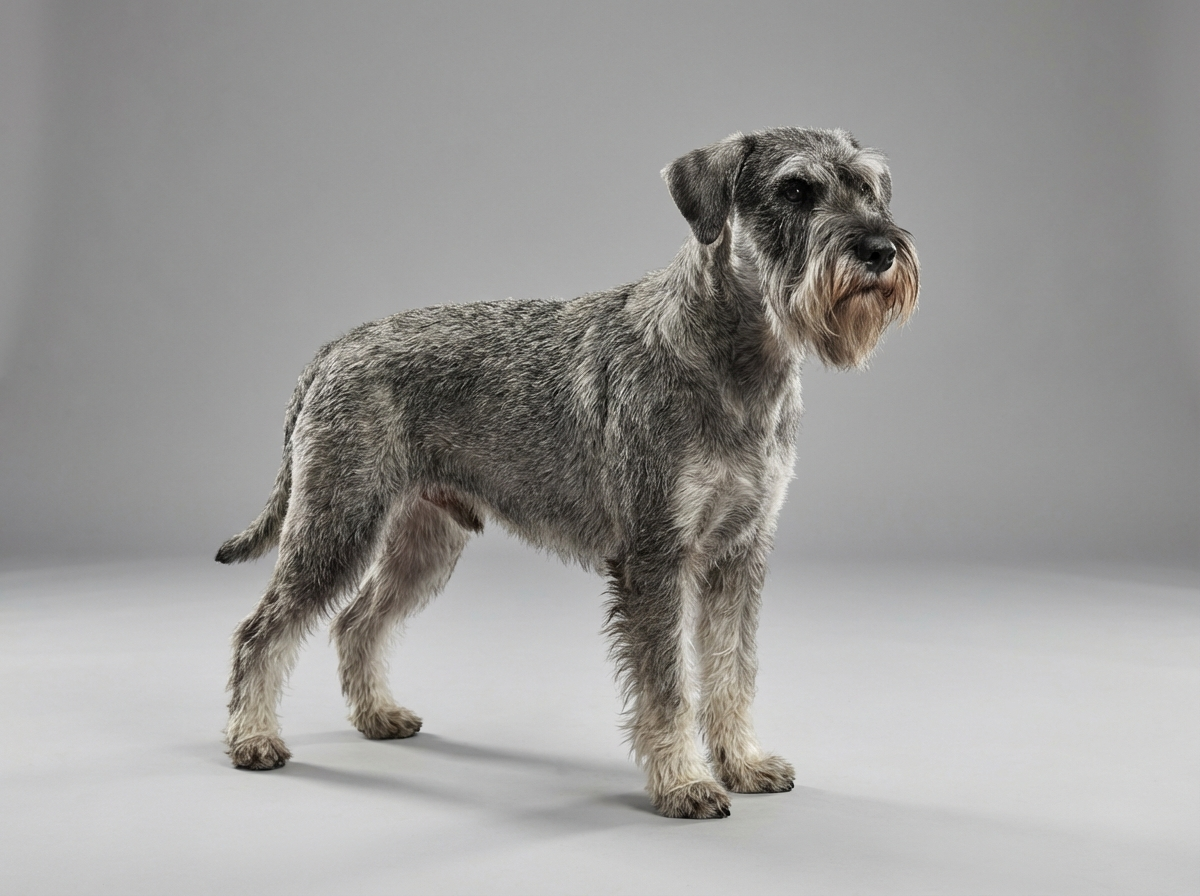
Schnauzer (Standard) immune-mediated thyroiditis is a serious autoimmune condition that affects the thyroid gland. This issue can lead to various health problems if not addressed properly.

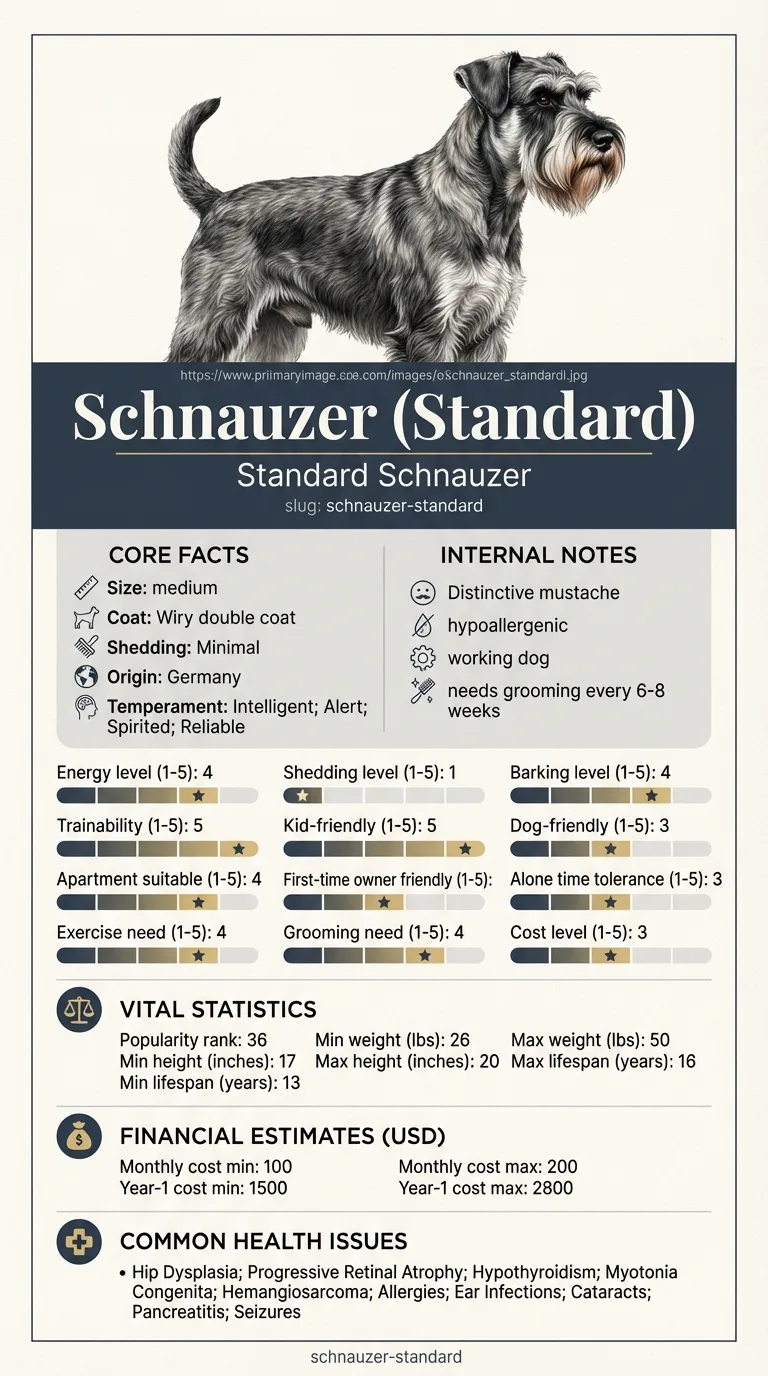
Schnauzer (Standard) Immune-Mediated Thyroiditis: What You Need to Know infographic

Owners of Schnauzer (Standards) may find themselves navigating this challenge, especially if they notice unexpected changes in their dog's behavior or appearance. New pet parents or those with limited experience may feel overwhelmed while trying to understand and manage this condition.

Important reminder

This guide is not medical advice. If your dog shows pain, sudden behavior change, or worsening symptoms, consult a licensed veterinarian.

Some links may be affiliate links. We may earn a commission at no extra cost to you. We only suggest products we believe are helpful for dog owners.

What this problem looks like

Schnauzer (Standard) immune-mediated thyroiditis is an autoimmune disease where the dog's immune system attacks its thyroid gland. This can lead to symptoms like weight gain, lethargy, and skin issues. Owners may notice their Schnauzer becoming less active or having a poor coat condition, which can be concerning day-to-day.

Common triggers

  • Genetics
  • Stress or trauma
  • Environmental factors

This condition is relatively common in Standard Schnauzers, particularly as they age. While not every Schnauzer will develop immune-mediated thyroiditis, it’s important for owners to be aware of the signs and consult with their vet if they notice any changes.

Why this happens

Breed factors

Schnauzers (Standard) can be predisposed to immune-mediated thyroiditis due to their genetic background. This breed may have an inherited tendency towards autoimmune diseases, making them more vulnerable to conditions like thyroiditis. Their medium size and energetic nature may also contribute to health challenges if not properly managed.

Environment factors

Environmental factors can play a significant role in the development of immune-mediated thyroiditis. Stressful living situations, poor diet, or exposure to toxins can trigger immune responses. Additionally, an unbalanced diet that lacks essential nutrients might weaken their immune system, increasing the risk of autoimmune issues.

What you can try

At-home strategies

  • Ensure a balanced diet rich in essential vitamins and minerals. Consult with your vet for recommendations on high-quality dog food tailored for Schnauzers.
  • Create a calm environment to reduce stress. Use calming aids like music or pheromone diffusers to help soothe your Schnauzer.
  • Regular exercise is vital. Aim for daily walks and playtime to keep your Schnauzer active and healthy.
  • Monitor your Schnauzer’s weight, as obesity can exacerbate health problems. Adjust their diet and exercise routine accordingly.

When to consider a trainer

If your Schnauzer shows signs of anxiety or behavioral issues, consider hiring a trainer experienced with immune-related conditions. They can help you develop strategies to manage stress and promote a positive environment.

When to talk to your vet

Schedule a vet appointment if you notice symptoms like weight loss, fatigue, or changes in appetite. Early intervention is crucial for managing immune-mediated thyroiditis effectively.

Realistic expectations

Managing Schnauzer (Standard) immune-mediated thyroiditis typically takes a few weeks to months of consistent care and veterinary guidance.

Success means your Schnauzer has stabilized hormone levels, shows improved energy, and responds well to treatment, allowing them to enjoy daily activities.

Mistakes that make this worse – Schnauzer (Standard) immune-mediated thyroiditis

Avoiding certain behaviors can help manage your Schnauzer's immune-mediated thyroiditis more effectively. Here are some common mistakes to steer clear of.

  • Ignoring symptoms: Many owners overlook early signs like lethargy or weight changes. Keeping a close eye on your Schnauzer's behavior can help you catch issues before they escalate.
  • Inconsistent medication: Missing doses or stopping medication without consulting a vet can worsen the condition. Always follow your vet's prescription schedule for the best results.
  • Overfeeding or poor diet: A diet high in fillers can lead to weight gain, which can complicate thyroid issues. Focus on a balanced diet recommended by your vet to maintain a healthy weight.
  • Neglecting exercise: While your Schnauzer may seem less energetic, regular, moderate exercise is vital. Tailor activities to your dog's ability and consult your vet for suitable routines.
  • Failing to monitor stress: Anxiety can exacerbate health issues. Create a calm environment and consider relaxation techniques to help your Schnauzer feel secure.
  • Avoiding vet check-ups: Skipping regular vet visits can lead to undetected complications. Schedule routine check-ups to stay ahead of any potential issues.

When it is an emergency

Understanding when Schnauzer (Standard) immune-mediated thyroiditis requires immediate attention is crucial. Emergency signs include severe lethargy, difficulty breathing, extreme weight loss, or noticeable swelling in the neck area. If your dog shows any of these symptoms, contact your vet right away.

Mild cases may include symptoms like slight lethargy, mild weight fluctuations, or occasional changes in appetite. These can often be monitored at home, but it’s essential to create a plan with your vet. Regular check-ups can help ensure your dog remains stable while you manage their condition.

Schnauzer (Standard) Immune-Mediated Thyroiditis: What You Need to Know - When it is an emergency

Caring for Max: A Journey Through Immune-Mediated Thyroiditis

When Sarah adopted Max, her Standard Schnauzer, she noticed he was more lethargic than other dogs. After a visit to the vet, she learned Max had immune-mediated thyroiditis. Initially overwhelmed, Sarah committed to following the vet's treatment plan, which included medication and dietary adjustments. Over the next few months, with regular check-ups and her dedication, Max's energy levels improved, and he became more playful and engaged.

Key takeaway: Understanding and addressing immune-mediated thyroiditis can take time, but with veterinary support and a committed owner, a Schnauzer can lead a happy, active life.

Frequently asked questions

Why does my Schnauzer (Standard) have immune-mediated thyroiditis?

Schnauzers (Standard) can develop immune-mediated thyroiditis due to a combination of genetic predisposition and environmental factors. This autoimmune disease occurs when the immune system mistakenly attacks the thyroid gland, leading to hormonal imbalances. Regular vet check-ups can help catch this condition early. This answer relates to Schnauzer (Standard) immune-mediated thyroiditis.

How can I help my Schnauzer (Standard) with immune-mediated thyroiditis?

To manage immune-mediated thyroiditis in your Schnauzer (Standard), work with your vet to develop a treatment plan. This may include medication to regulate thyroid hormone levels and regular monitoring to assess your dog's health. A balanced diet and proper exercise are also important to support overall well-being.

What are the signs of immune-mediated thyroiditis in Schnauzers (Standard)?

Common signs of immune-mediated thyroiditis in Schnauzers (Standard) include weight gain, lethargy, changes in coat quality, and increased sensitivity to cold. If you notice these symptoms, consult your vet for a proper diagnosis and treatment plan. Early intervention can significantly improve your dog's quality of life.

Can immune-mediated thyroiditis be cured in Schnauzers (Standard)?

Currently, immune-mediated thyroiditis cannot be cured, but it can be effectively managed with lifelong treatment. Your vet will help you adjust your Schnauzer's medication as needed to maintain stable thyroid hormone levels. Regular check-ups are essential for monitoring their health.

What is the long-term outlook for a Schnauzer (Standard) with immune-mediated thyroiditis?

With appropriate management, Schnauzers (Standard) with immune-mediated thyroiditis can lead happy, fulfilling lives. Most dogs respond well to treatment and can maintain a good quality of life. However, consistent veterinary care is crucial to address any changes in their condition.

What are the signs of immune-mediated thyroiditis in my Schnauzer (Standard)?

Common signs include weight gain, lethargy, and changes in coat quality. You may also notice skin issues or increased sensitivity to cold. If you observe these symptoms, consult your vet for a proper diagnosis.

How does immune-mediated thyroiditis affect older Schnauzers (Standard)?

Older Schnauzers may show more pronounced symptoms due to their slower metabolism and overall health. It’s crucial to monitor their weight and energy levels closely. Regular vet check-ups can help manage the condition better in older dogs.

Can immune-mediated thyroiditis be cured in Schnauzers (Standard)?

Currently, there is no cure for immune-mediated thyroiditis. However, it can often be managed effectively with medication and lifestyle adjustments. Regular monitoring and veterinary care are essential for maintaining your dog's quality of life.

What is the long-term outlook for a Schnauzer (Standard) with immune-mediated thyroiditis?

With proper treatment, many Schnauzers can lead normal, active lives. The key is consistent management and adjustment of medications as needed. Always stay in touch with your vet to ensure the best outcomes for your dog.

Why does my Schnauzer (Standard) have immune-mediated thyroiditis?

This condition is often related to genetic predispositions or autoimmune issues. Factors like age and environment may also play a role. Consulting with your vet can help you understand the specific risks for your dog.

Quick answers

View more answers
Health

What are quick tips for Schnauzer (Standard) immune-mediated thyroiditis?

Monitor your Schnauzer (Standard) for weight changes and coat quality. Regular vet visits are essential for adjusting medication. A balanced diet can help support their health.

Health

How often should I take my Schnauzer (Standard) to the vet for thyroid issues?

Schedule check-ups every 6 to 12 months to monitor thyroid levels and adjust treatment as needed. Your vet will recommend the best plan for your dog.

Living

Can diet help my Schnauzer (Standard) with immune-mediated thyroiditis?

Yes, a balanced diet can support overall health and enhance the effectiveness of medications. Consult your vet for dietary recommendations tailored to your dog's needs.

Living

Is exercise important for Schnauzers (Standard) with thyroid issues?

Absolutely! Regular, moderate exercise helps maintain a healthy weight and supports overall well-being. Tailor the activity level to your dog's energy and health status.

Related DogBreedCompass guides

  • Common health issues for Schnauzers (Standard)Learn about the common health issues that can affect your Schnauzer (Standard), including thyroid problems.
  • Schnauzer (Standard) behavior problemsDiscover effective training methods to help manage your Schnauzer's (Standard) behavior problems.
  • Schnauzer (Standard) separation anxiety guideUnderstand how to handle separation anxiety in your Schnauzer (Standard) to improve their well-being.
  • How to stop Schnauzer (Standard) immune-mediated thyroiditisFind out what you can do to minimize the symptoms of immune-mediated thyroiditis in your dog.
  • Schnauzer (Standard) immune-mediated thyroiditis trainingGet insights on the training needs specific to managing immune-mediated thyroiditis in Schnauzers (Standard).

Related guides